


Did you know that over 80% of the world’s wastewater flows back into the environment untreated, posing severe risks to both people and ecosystems? This alarming fact highlights the growing importance of industrial effluent treatment regulations for facilities of all sizes
Industrial Effluent Treatment Regulations: A Critical Overview
Industrial effluent treatment regulations are the backbone of responsible manufacturing and industrial processes worldwide. These regulations directly address the collection, treatment, and disposal of industrial wastewater to ensure it does not pose a threat to human health or the ecosystem. Adhering to these rules minimizes the risk of water pollution, reduce fines, and support the long-term operation of every treatment plant and process. Site managers and EHS professionals who stay well-informed on local and international effluent guidelines can avoid the costly consequences of non-compliance while also demonstrating corporate leadership in environmental stewardship. From water discharge permits to the advanced monitoring of water treatment systems, meeting industrial effluent treatment regulations ensures both sustainability and business continuity.
With the global tightening of environmental standards, the focus on more stringent effluent limitation guidelines and adaptable wastewater treatment processes is increasing. Many nations, including the United States, require a National Pollutant Discharge Elimination System (NPDES) permit before any wastewater is released into surface waters. Regulatory authorities expect regular assessment, investment in advanced treatment technologies, and documentation for every stage of your wastewater discharge. Understanding this critical landscape can help site managers and plant operators proactively align with best practices, safeguarding not only their operation but also their community’s clean water supply.
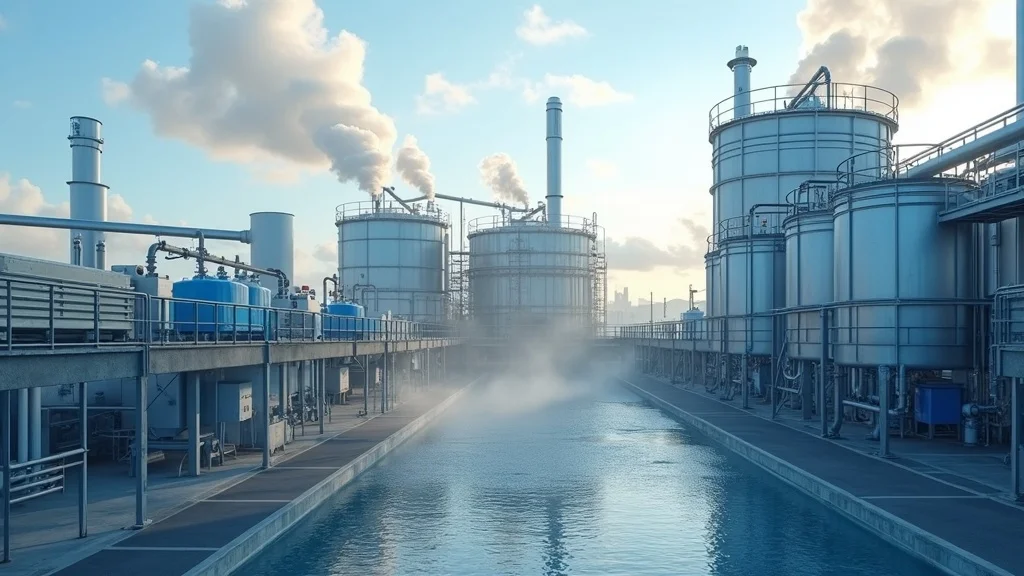
"Over 80% of the world’s wastewater flows back into the environment untreated, posing severe risks to both people and ecosystems."
What You'll Learn About Industrial Effluent Treatment Regulations
- Key concepts behind industrial effluent treatment regulations
- Required treatment processes for compliance
- Best practices for site managers and EHS managers
- Regional and international standards
- Industry guidance and resources
Defining Industrial Effluent Treatment Regulations
What Are Industrial Effluent Treatment Regulations?
Industrial effluent treatment regulations are specialized legal standards that govern how manufacturing plants and industrial facilities manage, treat, and release wastewater (also known as effluent). Set by national and regional authorities, these rules set effluent limitations—the maximum amount of specific pollutants that can be legally released into surface waters. The aim is to protect human health and ensure the safety of rivers, lakes, and oceans by keeping harmful substances, such as heavy metals or toxic chemicals, below dangerous levels. For site managers, a clear understanding of these regulations is crucial to obtaining operational permits and avoiding environmental violations. The U.S. Environmental Protection Agency (EPA), for example, administers the Clean Water Act, which requires industries to treat their wastewater—often at treatment plants—before any water discharge can occur into public waterways. In essence, industrial effluent treatment regulations act as the gatekeepers for safe, sustainable industrial growth by keeping water pollution in check and supporting healthier communities.

The Role of Wastewater Treatment and Water Treatment in Industry
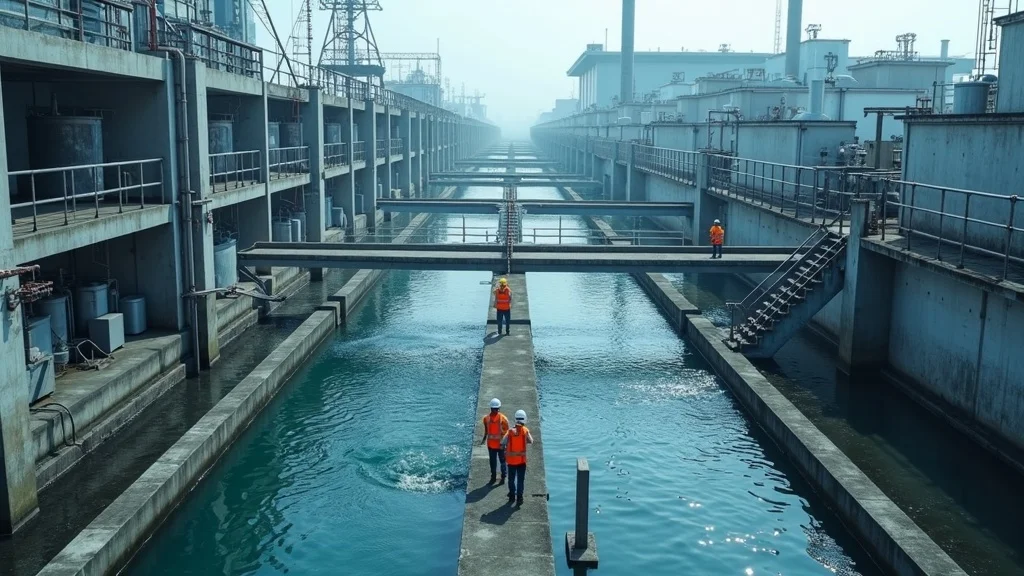
Wastewater treatment forms the core defense against water pollution in all industrial activities. Efficient wastewater treatment plants use advanced chemical, physical, and biological processes to remove or neutralize harmful substances found in industrial waste streams. The most successful facilities combine primary, secondary, and often tertiary treatment processes—such as sedimentation, filtration, and activated sludge systems—to ensure treated water complies with effluent limitation guidelines before any discharge occurs.
Water treatment is equally vital, as many industrial sites rely on a constant supply of clean process water. A strong water treatment and control program doesn’t just meet regulatory demands—it enhances operational efficiency, reduces costs, and extends equipment lifespan. Ultimately, the environmental and operational benefits of robust wastewater and water treatment processes make regulatory compliance a win-win for industry.
For a deeper dive into how advanced water filtration systems can directly support compliance with evolving effluent guidelines, explore the solutions and expertise offered by CSI Environmental Inc. Their approach to industrial water treatment highlights practical steps for meeting regulatory requirements and optimizing plant performance.
Difference Between Industrial Waste, Industrial Wastewater, and Effluent
Understanding the distinctions among industrial waste, industrial wastewater, and effluent is vital for plant operators and EHS professionals. Industrial waste includes all unwanted or residual materials generated by manufacturing, such as chemical byproducts, metals, or scraps. Industrial wastewater refers specifically to the liquid waste generated during production, which can contain dissolved metals, chemicals, and particulates. Effluent is the treated liquid that exits the facility, ideally after passing through treatment plants designed to meet regulatory standards. Effluent is what’s directly released into surface waters such as rivers, lakes, or oceans—hence effluent guidelines focus on its quality. Reliable classification and management of these waste types are non-negotiable for regulatory compliance and effective environment protection.
Why Industrial Effluent Treatment Regulations Matter
Environmental Impact of Wastewater Discharge
The environmental risks posed by untreated or inadequately treated wastewater discharge are significant. When industrial effluent is released without meeting strict effluent limitation guidelines, harmful substances can enter surface waters, leading to serious ecological damage. Pollutants such as heavy metals, oils, solvents, and biological contaminants can cause water pollution, endanger aquatic life, contaminate drinking water sources, and disrupt natural ecosystems. Studies show that effective industrial wastewater treatment not only improves the quality of receiving waters but is also crucial for safeguarding public health, especially for communities living near industrial hubs. Plant and site managers are frontline guardians, making their knowledge of water treatment and pollutant discharge controls essential for a healthier planet.

Legal and Financial Risks for Non-Compliance
Failure to comply with industrial effluent treatment regulations can lead to severe financial penalties, legal action, mandatory shutdowns, and reputational harm. Regulatory bodies like the Environmental Protection Agency in the United States enforce strict standards, and non-compliance may result in revoked NPDES permits, denial of future permits, or lawsuits from affected communities. The Clean Water Act empowers authorities to levy substantial fines for each day of violation, which can quickly accumulate into millions for persistent offenders. Moreover, remediation costs for cleaning contaminated surface waters often dwarf the initial investment required for upgrading treatment plants. For managers, staying proactive with compliance assessments is the most cost-effective strategy—turning regulatory management into a value proposition, rather than a business threat.
Key Components of Industrial Effluent Treatment Regulations
Effluent Limitation and Effluent Guidelines Explained
At the heart of industrial effluent treatment regulations are effluent limitation guidelines (ELGs), which set enforceable criteria on the types and concentrations of pollutants allowed in discharged wastewater. These guidelines are determined by regulatory agencies—such as the US EPA—based on available treatment technologies and actual performance of treatment plants. ELGs are tailored to specific industrial categories, accounting for the unique process water and waste profiles of sectors such as chemicals, food processing, or textiles. The creation of these guidelines involves both best available technology reviews and risk assessments to balance operational needs with environmental safety. For plant managers and EHS leaders, understanding these performance benchmarks helps in selecting the most effective control technologies and treatment processes for their facility’s unique needs.
Standards for Wastewater Discharge and Water Discharge
Besides effluent limitations, industrial wastewater regulations specify water discharge standards to ensure that any effluent released to public sewers, surface waters, or the environment meets minimum quality requirements. These standards typically address chemical oxygen demand (COD), total suspended solids (TSS), pH, toxic metals, and other common indicators of water pollution. Permit holders must submit documentation and monitoring reports to prove compliance. Any exceedance triggers corrective actions, and repeated violations can lead to more stringent oversight or even facility closure. A robust operational understanding of wastewater discharge standards transforms compliance from an administrative burden into a powerful business protection strategy.

Overview of Effluent Limitation Guidelines
Effluent limitation guidelines are more than just a checklist—they represent a living framework of best practices and control technologies for pollution prevention. These national guidelines define what is technically possible and economically achievable for each industry group, often reviewed and updated to reflect emerging threats or new treatment technologies. For instance, the EPA periodically reassesses ELGs to incorporate innovations in water treatment, address new classes of pollutants, or raise performance of treatment plants across the country. Internationally, equivalent systems exist (such as the EU’s Water Framework Directive). Staying updated with these evolving guidelines keeps site managers ahead of the curve and minimizes disruption from unforeseen regulatory changes.
Understanding Industrial Effluent Guidelines: U.S. and Global Perspectives
United States EPA: Effluent Guidelines and Limitation Guidelines
The United States has one of the most robust frameworks for industrial effluent treatment regulations, administered under the Clean Water Act by the EPA. Key components include effluent guidelines for over 50 industrial categories and the NPDES permit system. The guidelines specify allowable pollutant limits and required wastewater treatment performance based on the most effective, economically feasible control technologies. Regular compliance monitoring, permit renewals, and the submission of discharge reports are required from all permitted facilities. Site and plant managers must align their treatment process and documentation with these national standards to avoid penalties and contribute to the ongoing improvement in surface water quality across the country.
International Approaches to Pollutant Discharge Standards
Globally, approaches to pollutant discharge standards differ widely based on ecosystem vulnerability, local regulations, and technological capabilities. The European Union enforces the Water Framework Directive, harmonizing policies across member states. Many Asian nations have adopted more stringent standards in recent years due to mounting environmental pressure and urban growth, mandating modern treatment plant upgrades in rapidly industrializing regions. While core principles—such as risk-based limits and technology-forcing strategies—are shared, specific parameters and permit cycles may differ. For multinational manufacturers, tracking both local and global requirements is essential for cross-border compliance and risk management.
| Region | Main Regulation | Effluent Limit Parameters | Review Cycle | Enforcement |
|---|---|---|---|---|
| United States | Clean Water Act (NPDES, EPA ELGs) | Chemical Oxygen Demand, TSS, pH, specific contaminants | Every 5–7 years | Federal & State Agencies |
| Europe | EU Water Framework Directive | COD, TSS, priority substances, environmental thresholds | Every 6 years | National & EU Regulators |
| Asia | Varies by country (e.g., China’s Discharge Standards, India’s CPCB Norms) | National parameters; increasingly in line with EU/US | Every 3–5 years | National/Local Environmental Agencies |
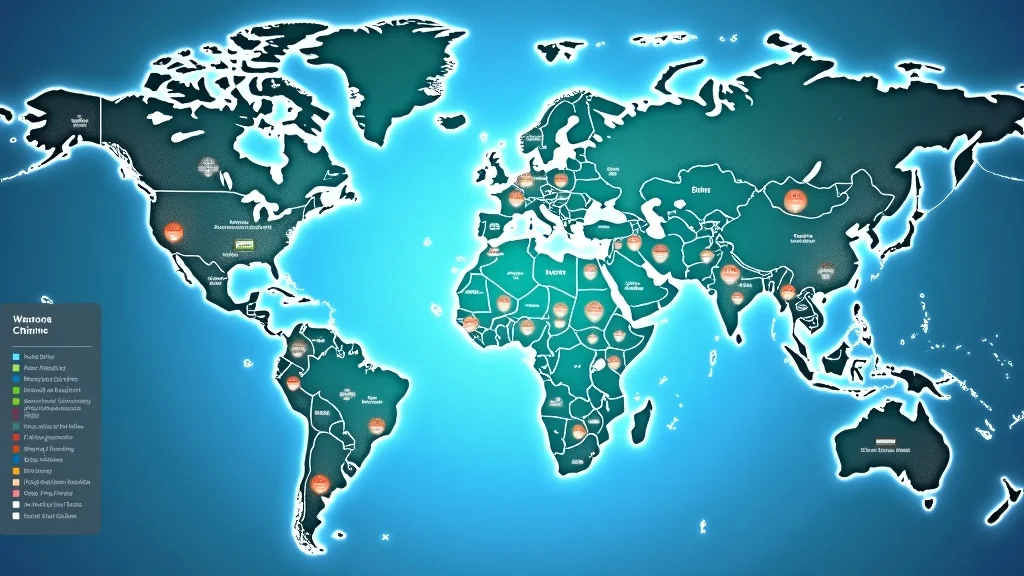
The Treatment Process: From Plant to Compliance
Overview of Typical Treatment Plants and Treatment Processes
Modern industrial wastewater treatment plants blend time-tested and advanced treatment processes to turn contaminated industrial waste into safely dischargeable effluent. Successful facilities start with robust pre-treatment, including physical separation (screening, sedimentation) to remove solids and oils. Following this, biological and chemical processes—such as activated sludge, membrane filtration, or advanced oxidation—target dissolved and persistent pollutants.
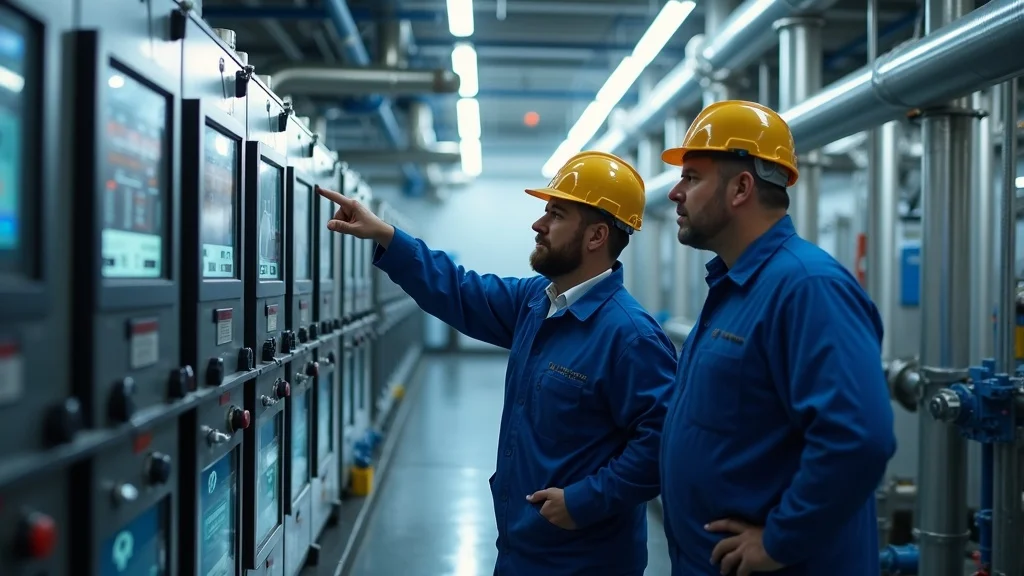
Today’s plants are increasingly integrating digital monitoring, automation, and real-time reporting to meet strict effluent guidelines and limitation regulations. The ultimate aim: transforming raw industrial wastewater into water that’s safe for release per regulatory water discharge requirements while minimizing disruption to plant operations and environmental risk.
- Pre-treatment in industrial wastewater treatment
- Chemical, biological, and physical processes for water treatment
- Integration of advanced technologies
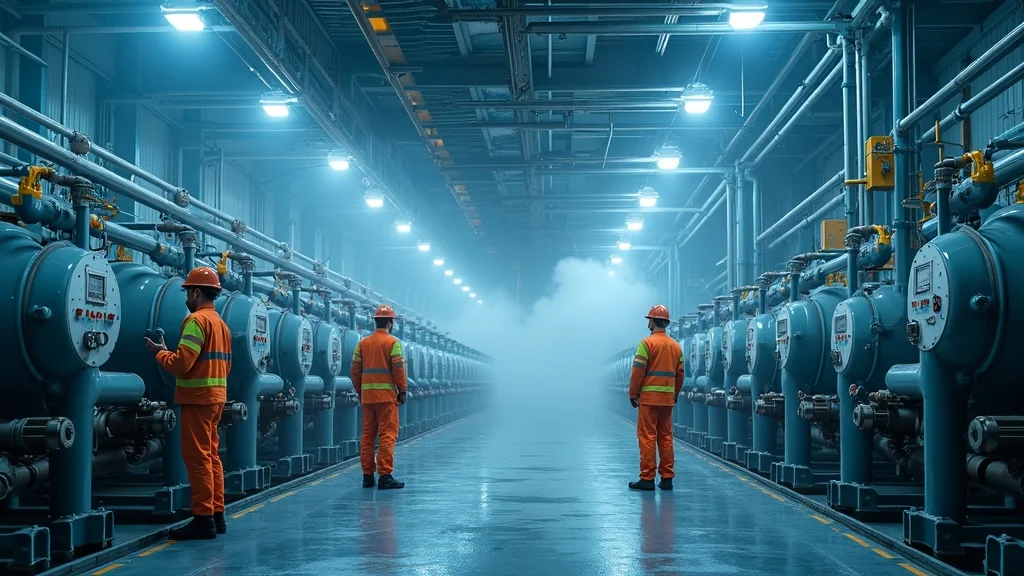
Roles and Responsibilities: Site, Plant, and EHS Managers
Monitoring and Maintaining Compliance with Industrial Effluent Treatment Regulations
Compliance with industrial effluent treatment regulations is a collaborative responsibility spanning plant managers, site leads, and Environmental Health & Safety (EHS) teams. Success means embedding compliance into daily operations using rigorous routine monitoring, robust recordkeeping, and ongoing staff training. Managers must schedule regular assessments of treatment systems to ensure continued alignment with effluent limitation guidelines and prepare for audits or surprise inspections by regulators. Tracking every stage of the treatment process—from initial influent characterization to final effluent discharge—confers both legal protection and peace of mind, knowing your operation is resilient against costly surprises.
- Routine monitoring
- Recordkeeping
- Training staff
- Scheduling compliance assessments

Common Industrial Wastewater Treatment Challenges
Managing Complex Pollutant Loads and Treatment Plant Limitations
Even with best practices, industrial wastewater treatment plants frequently confront complex challenges. Emerging pollutants, fluctuating loads, and aging infrastructure can overwhelm treatment plants. Sometimes, the variety or concentration of contaminants exceeds the original design capacity, leading to periods of non-compliance and risking water discharge violations. For managers, anticipating and adapting to these challenges means investing in more robust treatment and control technologies, conducting pilot tests of advanced processes, and working with regulators to establish realistic, incremental goals where necessary.
Case Studies: When Effluent Limitation Guidelines Weren’t Met
Recent case studies underscore the importance of proactive compliance. For example, a large food processing plant failed to upgrade its biological treatment systems when faced with higher organic loads due to production changes. Exceeding effluent limitations, the plant received fines and was required to report corrective actions—incurring costs greater than upgrading systems would have been. In another case, a textile facility benefited from pilot testing advanced membrane filtration, which enabled consistent compliance with tightening regulations and set a benchmark for performance of treatment practices in its industry sector.

Best Practices for Staying Ahead of Effluent Limitation Guidelines
Proactive Compliance Assessments and Upgrading Water Treatment
Staying ahead of regulatory requirements takes a blend of anticipation, agility, and investment. Regular compliance audits help detect vulnerabilities before regulators do, enabling site managers to plan upgrades without the pressure of enforcement deadlines. Upgrading water treatment systems—whether by retrofitting with advanced oxidation, automating monitoring, or adding tertiary filtration—positions treatment plants to consistently exceed required effluent guidelines. Staff training and fostering a compliance-centric culture ensure operational teams are always ready for both the expected and the unexpected. This proactive approach demonstrates corporate responsibility and can unlock stakeholder trust, positive community relations, and lasting operational savings.
"Regular compliance checks and keeping up-to-date with rules help avoid costly shutdowns and fines."
People Also Ask: Industrial Effluent Treatment Regulations
What is an effluent limitation guideline?
Effluent limitation guidelines are industry-specific regulations that set national standards on the discharge of pollutants into water bodies, ensuring that industrial wastewater treats and meets strict environmental requirements before being released.
How does industrial effluent impact the environment?
Untreated or poorly treated industrial effluent can contaminate water sources, harm aquatic life, increase pollution, and create significant health risks for communities and ecosystems.
What are common treatment methods for industrial waste?
Typical industrial waste treatment methods include physical, chemical, and biological processes such as sedimentation, filtration, neutralization, activated sludge, and membrane filtration, all designed to comply with industrial effluent treatment regulations.
FAQs: Navigating Industrial Effluent Treatment Regulations
-
How often should compliance assessments be performed?
Facilities should conduct compliance assessments at least annually, but more frequent reviews—quarterly or monthly—are recommended for high-risk sites or when significant operational changes occur. -
What are the signs of treatment plant inefficiency?
Increasing pollutant levels in effluent, rising operational costs, recurrent equipment breakdowns, and frequent exceedances of permit limits all signal inefficiencies in a treatment plant that require immediate attention. -
Which regulations apply to multinational manufacturers?
Multinationals must comply with the industrial effluent treatment regulations of each country in which they operate, including national and, where applicable, regional or local guidelines. Some global corporations voluntarily adopt the most stringent applicable standards worldwide. -
What documentation must be maintained for audits?
Critical documentation includes discharge monitoring reports, laboratory analyses, maintenance logs, permit copies, training records, and correspondence with regulators. Proper recordkeeping supports audit readiness and streamlines compliance.
Key Takeaways for Industrial Effluent Treatment Regulations
- Know and understand local, national, and international effluent limitation guidelines.
- Regular compliance checks are essential.
- Modern treatment processes can ease regulatory burden.
- Documentation and staff training are crucial for compliance.
Conclusion: The Future of Industrial Effluent Treatment Regulations
"Efficient wastewater treatment not only ensures regulatory compliance but also fosters community goodwill and long-term sustainability."
Get Your Water Filtration Systems to Stay Compliant with Industrial Effluent Treatment Regulations
Ready to protect your operation and the environment? Contact us to schedule your compliance assessment and discover the latest in wastewater and sewage treatment plants
As you continue to strengthen your facility’s compliance and environmental stewardship, consider broadening your understanding of holistic environmental solutions. The team at CSI Environmental Inc offers a comprehensive perspective on sustainable practices, risk management, and advanced technologies that can elevate your entire environmental program. Exploring their resources can help you stay ahead of regulatory changes and position your organization as a leader in responsible industrial operations.
Watch our animated explainer summarizing key regulations, treatment processes, and compliance strategies for industrial wastewater management!
Sources
- US EPA – Industrial Effluent Guidelines
- US EPA – NPDES Permit Basics
- European Commission – EU Water Framework Directive
- Central Pollution Control Board, India
- World Health Organization – Drinking Water
To deepen your understanding of industrial effluent treatment regulations, consider exploring the following authoritative resources:
-
The U.S. Environmental Protection Agency’s (EPA) “Industrial Effluent Guidelines” provides comprehensive national standards for wastewater discharges, detailing technology-based regulations across various industrial categories. (epa.gov)
-
The EPA’s “Effluent Guidelines Implementation & Compliance” page offers insights into the application of these guidelines, including permitting processes and compliance strategies for both direct and indirect dischargers. (epa.gov)
These resources will equip you with the necessary knowledge to navigate and adhere to industrial effluent treatment regulations effectively.

Write A Comment