Add Row
Add Element
cropper
update
{COMPANY_NAME}
CSI Environmental Corp
update
Add Element
update

CALL US

(800) 690-2436

Add Element
update

EMAIL US

CSI-team@chem-serv.com

Add Element
update

WORKING HOURS

Monday - Friday  8 AM - 5 PM

Add Element

Add Element
  • Home
  • Categories
    • Tech Advances
    • Regulatory News
    • Sustainability
    • Case Studies
    • Expert Interviews
    • Cost Efficiency
    • Safety Protocols
  • Services
Add Element
  • update
  • update
  • update
  • LinkedIn
    update
  • update
  • update
  • update
January 12.2026
1 Minute Read

Stop Waiting—EPA Wastewater Compliance Made Easy Today

Did you know that nearly one-quarter of industrial facilities in the United States fail to comply with basic EPA wastewater standards—risking hefty fines, legal trouble, and costly shutdowns? If you’re a site manager, plant manager, or EHS professional, navigating EPA wastewater compliance doesn’t have to be overwhelming

Revealing the Need: Why EPA Wastewater Compliance Matters More Than Ever

  • According to a 2023 EPA report, over 6,000 U.S. facilities face enforcement actions annually due to gaps in wastewater treatment compliance—costing millions in fines and remediation costs.
"According to the EPA, thousands of facilities are fined every year due to non-compliance with wastewater standards." – EPA Official Website
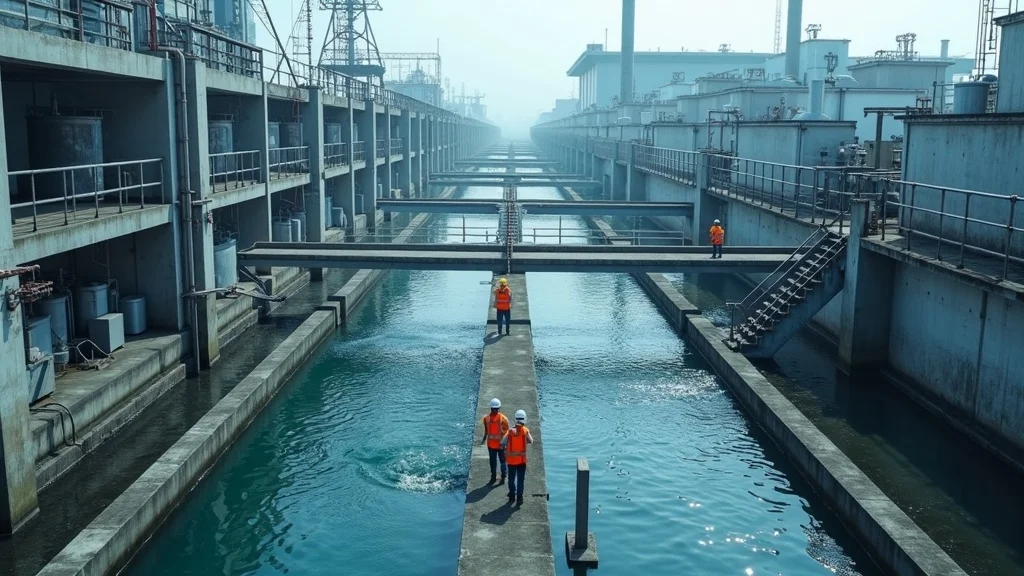
Modern wastewater treatment facility with workers inspecting tanks for EPA wastewater compliance

EPA wastewater compliance is more critical than ever. Industrial growth, stricter environmental regulations, and increased public scrutiny mean that site managers can no longer afford to overlook their wastewater treatment obligations. A single misstep not only endangers public health and local ecosystems but can seriously damage your facility’s reputation and operational continuity. Non-compliance triggers both financial penalties and potential shutdowns, as well as negative publicity. Most importantly, meeting EPA wastewater compliance ensures legal protection and shows a strong commitment to community health and safety. For site and plant managers, getting it right is not just about following the law—it's a proactive investment in operational excellence and public trust.

What You’ll Learn in This EPA Wastewater Compliance Guide

  • Step-by-step guidance for wastewater treatment compliance
  • How to navigate gov websites for the latest regulations
  • Preparation for EPA audits and assessments
  • Avoidance of common EPA violations

If you’re looking for a simple, actionable pathway to complete wastewater treatment compliance, you’re in the right place. This guide delivers practical instructions, online resource navigation tips, audit preparation checklists, and proven strategies for avoiding frequent EPA violations. You’ll gain the confidence to manage compliance internally or work more effectively with outside consultants. With this knowledge, not only will you reduce risks, but you’ll also support a safer, cleaner environment for your community.

For those seeking additional hands-on strategies, exploring specialized environmental consulting services can provide tailored solutions for your facility’s unique compliance needs. Learn more about how CSI Environmental Inc supports organizations in achieving and maintaining EPA wastewater compliance through expert guidance and technical support.

Understanding EPA Wastewater Compliance: Laws and Standards

The Clean Water Act: Foundation of EPA Wastewater Compliance

The Clean Water Act (CWA) of 1972 is the cornerstone of all EPA wastewater compliance. This landmark legislation set the foundation for protecting water quality in the United States by regulating pollutant discharges into surface waters, such as rivers, lakes, and streams. For site and plant managers navigating compliance, it’s vital to recognize that the CWA empowered the EPA to create and enforce comprehensive wastewater treatment standards that every industrial and municipal facility must follow. Notably, the law established the National Pollutant Discharge Elimination System (NPDES) permit program, which remains crucial for monitoring, reporting, and controlling wastewater discharges.

Beyond the Clean Water Act, a framework of supporting federal and state regulations—like the Safe Drinking Water Act and various industry-specific rules—define discharge limits, monitoring requirements, and compliance protocols. These regulations ensure that water treatment operations remain transparent and aligned with current scientific standards. Managers should regularly consult official government organizations (via gov websites and EPA.gov) for updates, as regulatory thresholds can evolve to address emerging environmental threats or improved technologies. Staying knowledgeable on these foundational laws is the first step in achieving hassle-free EPA wastewater compliance.

What Law Allowed the EPA to Establish Wastewater Standards?

  • Overview of relevant legal frameworks for wastewater treatment

The authority of the EPA to set wastewater treatment standards directly stems from the Clean Water Act. Since its inception, the Act has guided both the development and enforcement of new regulatory regimes, including the National Pollutant Discharge Elimination System (NPDES). Facility managers must pay close attention to changes in the NPDES permit process and leverage official websites to ensure real-time compliance with current standards. Remember, federal laws are frequently supplemented by state-level regulations—so managers should regularly check both state and federal gov websites for the most up-to-date compliance requirements.

Key Milestones in EPA Wastewater Compliance Legislation
Year Legislation / Action Significance
1948 Federal Water Pollution Control Act First major U.S. law to address water pollution.
1972 Clean Water Act (CWA) Established EPA authority and NPDES permit system.
1987 Water Quality Act Amendments Expanded requirements for stormwater and industrial wastewater.
2002 Homeland Security Act Included provisions for critical infrastructure protection in water facilities.
2020+ PFAS & Emerging Contaminant Regulations New rules to address modern water treatment challenges.

Environmental scientist explains Clean Water Act and EPA wastewater compliance

EPA Compliance Demystified: What Does EPA Compliance Mean for Site Managers?

Defining Wastewater Treatment Compliance

EPA wastewater compliance simply means that a facility strictly follows all federal, state, and local regulations governing wastewater treatment and discharge. For plant and site managers, this translates into comprehensively managing every phase—from initial water treatment and pollutant testing to accurate reporting and timely permit renewals.

Staying compliant demands systematic documentation, ongoing staff training, and clear understanding of what the EPA expects via the NPDES permit process. Managers must ensure that best available technology is always in use and that all records are up to date in case of an unannounced inspection or audit. By meeting every EPA requirement, managers minimize disruption, avoid unnecessary fines, and reinforce a proactive culture of environmental stewardship within the organization.

Core EPA Water Standards Required for Facilities

  • List: Must-know EPA standards for plant managers

Facility managers should be well-versed in key EPA water standards, especially as outlined in the National Pollutant Discharge Elimination System (NPDES) requirements. Standards include:

  • Establishing pollutant discharge limits: Maximum allowable concentrations of contaminants such as nitrogen, phosphorus, heavy metals, and biological materials.
  • Monitoring and recordkeeping: Ongoing sampling, lab testing, and accurate record maintenance as required by your NPDES permit.
  • Regular reporting: Submitting Discharge Monitoring Reports (DMRs) via the official government organization’s online portals.
  • Use of best available technology: Ensuring the facility equipment and operational procedures meet or exceed current regulatory benchmarks.
  • Training and emergency procedures: Staff must be trained to handle spills, system upsets, and emergency notification protocols.
EPA Wastewater Standards by Industry Type
Industry Major Contaminants Regulated Standard Reference
Municipal Wastewater BOD, TSS, nutrients, pathogens Secondary Treatment Regulation
Chemical Manufacturing Organic chemicals, solvents, heavy metals Chemical Effluent Guidelines
Food Processing Fat, oil, grease (FOG), suspended solids Food Processing Effluent Guidelines
Metal Finishing Cyanide, chromium, cadmium, nickel Metal Finishing Effluent Guidelines
Pulp & Paper AOX, dioxins, wood fibers Pulp and Paper Effluent Guidelines

Water treatment plant manager reviews EPA wastewater compliance documents

Navigating Official Gov Websites for EPA Wastewater Compliance Resources

Why Official Websites and Gov Websites Use HTTPS for Secure Information

Whenever you’re seeking the most recent EPA wastewater compliance updates, always start with an official government organization website—such as EPA.gov. These official websites use HTTPS to safeguard sensitive information. As a best practice, gov website addresses end with .gov and display a padlock icon, signifying that your connection is safely connected to an official government resource.

Using secure websites ensures that the information you share—whether uploading compliance documentation or downloading sensitive regulatory updates—remains private. HTTPS encrypts your communication with the server, preventing anyone from intercepting or altering data exchanged between your browser and the gov website. Always confirm the site belongs to an official website of the United States government by checking for clear government branding and security features. This level of trust is only found on websites that have been thoroughly vetted, regularly maintained, and officially sanctioned by states government authorities.

Tips for Finding Reliable EPA Wastewater Compliance Resources Online

Identify authentic EPA wastewater compliance guidance by bookmarking trusted gov websites. The EPA’s NPDES portal is your number-one stop for detailed permit, reporting, and enforcement policies. Search for “NPDES permit” or visit your state’s official government website for state-specific water treatment guidelines.

When reviewing resource pages, make sure the website belongs to an official website—look for .gov extensions, clear federal or state seals, and up-to-date publication dates. Many gov websites use https to improve security, further reducing the risk of misinformation. Don’t share sensitive information unless you’re certain you are interacting with a secure, official resource. Having direct links to reputable online resources simplifies compliance research and ensures your facility always uses the latest EPA wastewater treatment insights.

Compliance specialist researches EPA wastewater compliance resources on official gov websites

Common EPA Wastewater Compliance Violations & How to Avoid Them

  • Failure to secure an up-to-date NPDES permit
  • Exceeding allowable pollutant discharge limits
  • Missing or inaccurate Discharge Monitoring Reports (DMRs)
  • Improper operation or maintenance of water treatment systems
  • Inadequate staff training or lack of emergency plans
  • Poor recordkeeping or lost compliance documentation

What Are Common EPA Violations?

Common EPA wastewater compliance violations can quickly escalate into costly issues. One of the most frequent infractions is operating without a valid NPDES permit or letting it lapse. Other frequent mistakes include exceeding pollutant discharge elimination system limits, submitting incomplete or erroneous discharge monitoring reports, and failing to install or maintain up-to-date water treatment technology.

Site managers can also fall short by neglecting proper operator training or forgetting to update emergency preparedness protocols. Lapses in documentation—such as missing or illegible logs—are also scrutinized in audits. These common EPA violations can all be prevented by regularly seeking guidance from official government websites and instituting strict internal compliance checks at every stage of wastewater treatment operations.

Best Practices to Prevent Costly Fines & Non-Compliance

Preventing EPA violations starts with a holistic approach to plant management. First, make sure all permits are current and easily accessible. Implement rigorous pollutant monitoring at every point of water treatment, using the latest lab methods. Submit timely, accurate discharge monitoring reports according to your NPDES permit obligations, using the official EPA submission portals.

Regularly schedule third-party audits to uncover unintentional mistakes, and organize ongoing staff education tailored to evolving wastewater standards. Keep comprehensive, clearly labeled records on-site; digital backup is highly recommended. When in doubt, consult criminal compliance resources on official government organization websites to avoid misunderstandings. Simple diligence in these areas is the easiest way to ensure your facility is never at risk of shutdown or penalty.
EPA inspector examines wastewater discharge pipes for compliance violations

Step-by-Step EPA Wastewater Compliance Process for Water Treatment Facilities

  • Checklist for preparing your facility for an EPA audit

Getting ready for an EPA wastewater compliance audit requires methodical planning and clear documentation. Here’s a step-by-step checklist to help site managers prepare:

  • Confirm all NPDES permits are active and publicly displayed
  • Collect the last 12 months of Discharge Monitoring Reports
  • Verify calibration and maintenance records for treatment equipment
  • Demonstrate regular staff training sessions and certifications
  • Perform internal mock audits and correct noted deficiencies
  • Update emergency preparedness protocols and spill response plans
  • Maintain digital and hard-copy logs of all compliance actions
  • Establish direct contacts at state and federal EPA offices

Use this checklist in tandem with an organized, facility-specific task calendar to ensure continual readiness for scheduled or surprise audits. Staying prepared is the single most effective way to keep your water treatment facility running smoothly—and in full EPA wastewater compliance.

Stepwise EPA Wastewater Compliance Action Plan
Step Action Resource
1 Secure NPDES Permit EPA.gov NPDES Portal
2 Implement Monitoring Protocols Facility SOPs & Regulatory Guidance
3 Staff Training & Documentation EPA Training Modules; Certification Records
4 Accurate Discharge Reporting EPA e-Reporting Tool; DMR Forms
5 Regular Internal & Third-Party Audits Compliance Checklists; Consultant Reports
6 Ongoing Regulatory Updates EPA.gov Updates; State Gov Websites

Essential Documents & Reporting Requirements for EPA Wastewater Compliance

  • Critical documentation site managers must maintain
  • How to submit accurate wastewater treatment reports

Keeping impeccable documentation is foundational to epa wastewater compliance. Every site manager must maintain:

  • Active NPDES permits and associated applications
  • 12+ months of discharge monitoring reports (DMRs)
  • Equipment calibration and maintenance logs
  • Employee training records, certifications, and attendance sheets
  • Incident and spill response reports
  • Correspondence with regulatory agencies
  • Copies of any third-party audit results or consultant assessments

Success Stories: Achieving EPA Wastewater Compliance—Lessons from Leading Facilities

"Our facility’s EPA compliance journey started by leveraging official gov websites for up-to-date information." – Plant Manager, Midwest Facility
  • Key takeaways from compliant facilities

Successful epa wastewater compliance stories share a few common threads. Top-performing sites invest in frequent staff training, regularly review the latest regulatory developments through official government websites, and proactively schedule third-party audits for an unbiased perspective. By maintaining digital document storage and responding immediately to identified gaps, these managers catch issues before they become violations.

Ultimately, highly compliant facilities are proactive, not reactive—they treat compliance as a continuous improvement journey, backed by reliable information from trusted official website resources. Their example illustrates that commitment to water treatment excellence pays off with operational stability, reputational benefits, and a stronger relationship with regulators and local communities.

Wastewater facility staff team celebrates EPA wastewater compliance success

This animated walkthrough covers the key steps and best practices for achieving full EPA wastewater compliance, breaking down the journey for site managers—from regulatory basics to vital reporting and pro-level auditing tips.

People Also Ask: Your Top EPA Wastewater Compliance Questions Answered

What law allowed the EPA to establish wastewater standards?

  • Answer: The Clean Water Act (CWA), passed in 1972, empowered the EPA to establish wastewater standards, protecting water quality across the United States.

What does EPA compliance mean?

  • Answer: EPA compliance means adhering to all relevant environmental laws, regulations, and standards established by the Environmental Protection Agency, especially those concerning wastewater treatment and discharge.

What are common EPA violations?

  • Answer: Common EPA violations include exceeding permitted pollutant levels, improper reporting, lack of necessary permits, and failure to use best available technology for wastewater treatment.

What are EPA water standards?

  • Answer: EPA water standards define acceptable pollutant levels and treatment requirements for industrial and municipal wastewater, ensuring discharged water does not harm the environment or public health.

FAQs: Addressing Concerns about EPA Wastewater Compliance

  • How often do EPA wastewater standards change?
    EPA wastewater standards are reviewed periodically—typically every 3 to 5 years—as new scientific data emerges and technologies evolve. Facilities should monitor official EPA and state gov websites for real-time updates.
  • Can third-party consultants help with water treatment compliance?
    Yes, third-party consultants offer expertise, perform internal audits, and help facilities interpret new regulatory requirements. Their guidance often helps to catch compliance gaps early and streamline reporting or corrective actions.
  • What is an EPA wastewater compliance audit like?
    An EPA wastewater audit involves a thorough review of all permits, operational records, sampling results, and facility procedures. Auditors may conduct interviews and follow physical inspection routes to verify equipment and documentation.

Key Takeaways for EPA Wastewater Compliance & Water Treatment Facilities

  • Prioritize official website and gov website information for regulatory updates
  • Maintain thorough records to prove wastewater treatment compliance quickly
  • Schedule regular compliance assessments to ensure ongoing adherence

Ready for EPA Wastewater Compliance? Get Your Complete Waste Water Assessment Today

Don’t let compliance uncertainty disrupt your operations. Get Your Water Disinfection Systems and full compliance assessment today—ensure your facility leads in both safety and regulatory performance.

EPA wastewater compliance is just one aspect of a comprehensive environmental management strategy. If you’re interested in elevating your facility’s performance and sustainability, consider exploring broader environmental solutions and industry insights from trusted experts. Discover how a holistic approach to environmental compliance and risk management can drive operational excellence and long-term value by visiting CSI Environmental Inc for advanced resources and guidance tailored to your organization’s needs.

Sources

  • EPA National Pollutant Discharge Elimination System — https://www.epa.gov/npdes
  • EPA Water Compliance Resources — https://www.epa.gov/compliance/water-compliance
  • EPA Summary of the Clean Water Act — https://www.epa.gov/laws-regulations/summary-clean-water-act
  • Effluent Guidelines | EPA — https://www.epa.gov/eg

To enhance your understanding of EPA wastewater compliance, consider exploring the following authoritative resources:

  • The EPA’s official page on Clean Water Act (CWA) Compliance Monitoring offers comprehensive information on wastewater management, including municipal overflows, stormwater management, and pretreatment programs.

  • The Water Enforcement Policy, Guidance, and Publications page provides detailed policy and guidance documents related to the enforcement of clean water and drinking water regulations.

These resources will provide you with in-depth knowledge and practical tools to ensure your facility remains compliant with EPA wastewater regulations.
Regulatory News

0 Comments

Write A Comment

*
*
Related Posts All Posts
01.11.2026

What You Must Know About Industrial Effluent Treatment Regulations

Did you know that over 80% of the world’s wastewater flows back into the environment untreated, posing severe risks to both people and ecosystems? This alarming fact highlights the growing importance of industrial effluent treatment regulations for facilities of all sizes Industrial Effluent Treatment Regulations: A Critical Overview Industrial effluent treatment regulations are the backbone of responsible manufacturing and industrial processes worldwide. These regulations directly address the collection, treatment, and disposal of industrial wastewater to ensure it does not pose a threat to human health or the ecosystem. Adhering to these rules minimizes the risk of water pollution, reduce fines, and support the long-term operation of every treatment plant and process. Site managers and EHS professionals who stay well-informed on local and international effluent guidelines can avoid the costly consequences of non-compliance while also demonstrating corporate leadership in environmental stewardship. From water discharge permits to the advanced monitoring of water treatment systems, meeting industrial effluent treatment regulations ensures both sustainability and business continuity. With the global tightening of environmental standards, the focus on more stringent effluent limitation guidelines and adaptable wastewater treatment processes is increasing. Many nations, including the United States, require a National Pollutant Discharge Elimination System (NPDES) permit before any wastewater is released into surface waters. Regulatory authorities expect regular assessment, investment in advanced treatment technologies, and documentation for every stage of your wastewater discharge. Understanding this critical landscape can help site managers and plant operators proactively align with best practices, safeguarding not only their operation but also their community’s clean water supply. "Over 80% of the world’s wastewater flows back into the environment untreated, posing severe risks to both people and ecosystems." What You'll Learn About Industrial Effluent Treatment Regulations Key concepts behind industrial effluent treatment regulations Required treatment processes for compliance Best practices for site managers and EHS managers Regional and international standards Industry guidance and resources Defining Industrial Effluent Treatment Regulations What Are Industrial Effluent Treatment Regulations? Industrial effluent treatment regulations are specialized legal standards that govern how manufacturing plants and industrial facilities manage, treat, and release wastewater (also known as effluent). Set by national and regional authorities, these rules set effluent limitations—the maximum amount of specific pollutants that can be legally released into surface waters. The aim is to protect human health and ensure the safety of rivers, lakes, and oceans by keeping harmful substances, such as heavy metals or toxic chemicals, below dangerous levels. For site managers, a clear understanding of these regulations is crucial to obtaining operational permits and avoiding environmental violations. The U.S. Environmental Protection Agency (EPA), for example, administers the Clean Water Act, which requires industries to treat their wastewater—often at treatment plants—before any water discharge can occur into public waterways. In essence, industrial effluent treatment regulations act as the gatekeepers for safe, sustainable industrial growth by keeping water pollution in check and supporting healthier communities. The Role of Wastewater Treatment and Water Treatment in Industry Wastewater treatment forms the core defense against water pollution in all industrial activities. Efficient wastewater treatment plants use advanced chemical, physical, and biological processes to remove or neutralize harmful substances found in industrial waste streams. The most successful facilities combine primary, secondary, and often tertiary treatment processes—such as sedimentation, filtration, and activated sludge systems—to ensure treated water complies with effluent limitation guidelines before any discharge occurs. Water treatment is equally vital, as many industrial sites rely on a constant supply of clean process water. A strong water treatment and control program doesn’t just meet regulatory demands—it enhances operational efficiency, reduces costs, and extends equipment lifespan. Ultimately, the environmental and operational benefits of robust wastewater and water treatment processes make regulatory compliance a win-win for industry. For a deeper dive into how advanced water filtration systems can directly support compliance with evolving effluent guidelines, explore the solutions and expertise offered by CSI Environmental Inc. Their approach to industrial water treatment highlights practical steps for meeting regulatory requirements and optimizing plant performance. Difference Between Industrial Waste, Industrial Wastewater, and Effluent Understanding the distinctions among industrial waste, industrial wastewater, and effluent is vital for plant operators and EHS professionals. Industrial waste includes all unwanted or residual materials generated by manufacturing, such as chemical byproducts, metals, or scraps. Industrial wastewater refers specifically to the liquid waste generated during production, which can contain dissolved metals, chemicals, and particulates. Effluent is the treated liquid that exits the facility, ideally after passing through treatment plants designed to meet regulatory standards. Effluent is what’s directly released into surface waters such as rivers, lakes, or oceans—hence effluent guidelines focus on its quality. Reliable classification and management of these waste types are non-negotiable for regulatory compliance and effective environment protection. Why Industrial Effluent Treatment Regulations Matter Environmental Impact of Wastewater Discharge The environmental risks posed by untreated or inadequately treated wastewater discharge are significant. When industrial effluent is released without meeting strict effluent limitation guidelines, harmful substances can enter surface waters, leading to serious ecological damage. Pollutants such as heavy metals, oils, solvents, and biological contaminants can cause water pollution, endanger aquatic life, contaminate drinking water sources, and disrupt natural ecosystems. Studies show that effective industrial wastewater treatment not only improves the quality of receiving waters but is also crucial for safeguarding public health, especially for communities living near industrial hubs. Plant and site managers are frontline guardians, making their knowledge of water treatment and pollutant discharge controls essential for a healthier planet. Legal and Financial Risks for Non-Compliance Failure to comply with industrial effluent treatment regulations can lead to severe financial penalties, legal action, mandatory shutdowns, and reputational harm. Regulatory bodies like the Environmental Protection Agency in the United States enforce strict standards, and non-compliance may result in revoked NPDES permits, denial of future permits, or lawsuits from affected communities. The Clean Water Act empowers authorities to levy substantial fines for each day of violation, which can quickly accumulate into millions for persistent offenders. Moreover, remediation costs for cleaning contaminated surface waters often dwarf the initial investment required for upgrading treatment plants. For managers, staying proactive with compliance assessments is the most cost-effective strategy—turning regulatory management into a value proposition, rather than a business threat. Key Components of Industrial Effluent Treatment Regulations Effluent Limitation and Effluent Guidelines Explained At the heart of industrial effluent treatment regulations are effluent limitation guidelines (ELGs), which set enforceable criteria on the types and concentrations of pollutants allowed in discharged wastewater. These guidelines are determined by regulatory agencies—such as the US EPA—based on available treatment technologies and actual performance of treatment plants. ELGs are tailored to specific industrial categories, accounting for the unique process water and waste profiles of sectors such as chemicals, food processing, or textiles. The creation of these guidelines involves both best available technology reviews and risk assessments to balance operational needs with environmental safety. For plant managers and EHS leaders, understanding these performance benchmarks helps in selecting the most effective control technologies and treatment processes for their facility’s unique needs. Standards for Wastewater Discharge and Water Discharge Besides effluent limitations, industrial wastewater regulations specify water discharge standards to ensure that any effluent released to public sewers, surface waters, or the environment meets minimum quality requirements. These standards typically address chemical oxygen demand (COD), total suspended solids (TSS), pH, toxic metals, and other common indicators of water pollution. Permit holders must submit documentation and monitoring reports to prove compliance. Any exceedance triggers corrective actions, and repeated violations can lead to more stringent oversight or even facility closure. A robust operational understanding of wastewater discharge standards transforms compliance from an administrative burden into a powerful business protection strategy. Overview of Effluent Limitation Guidelines Effluent limitation guidelines are more than just a checklist—they represent a living framework of best practices and control technologies for pollution prevention. These national guidelines define what is technically possible and economically achievable for each industry group, often reviewed and updated to reflect emerging threats or new treatment technologies. For instance, the EPA periodically reassesses ELGs to incorporate innovations in water treatment, address new classes of pollutants, or raise performance of treatment plants across the country. Internationally, equivalent systems exist (such as the EU’s Water Framework Directive). Staying updated with these evolving guidelines keeps site managers ahead of the curve and minimizes disruption from unforeseen regulatory changes. Understanding Industrial Effluent Guidelines: U.S. and Global Perspectives United States EPA: Effluent Guidelines and Limitation Guidelines The United States has one of the most robust frameworks for industrial effluent treatment regulations, administered under the Clean Water Act by the EPA. Key components include effluent guidelines for over 50 industrial categories and the NPDES permit system. The guidelines specify allowable pollutant limits and required wastewater treatment performance based on the most effective, economically feasible control technologies. Regular compliance monitoring, permit renewals, and the submission of discharge reports are required from all permitted facilities. Site and plant managers must align their treatment process and documentation with these national standards to avoid penalties and contribute to the ongoing improvement in surface water quality across the country. International Approaches to Pollutant Discharge Standards Globally, approaches to pollutant discharge standards differ widely based on ecosystem vulnerability, local regulations, and technological capabilities. The European Union enforces the Water Framework Directive, harmonizing policies across member states. Many Asian nations have adopted more stringent standards in recent years due to mounting environmental pressure and urban growth, mandating modern treatment plant upgrades in rapidly industrializing regions. While core principles—such as risk-based limits and technology-forcing strategies—are shared, specific parameters and permit cycles may differ. For multinational manufacturers, tracking both local and global requirements is essential for cross-border compliance and risk management. Comparison of Industrial Effluent Guidelines: U.S. vs. Europe vs. Asia Region Main Regulation Effluent Limit Parameters Review Cycle Enforcement United States Clean Water Act (NPDES, EPA ELGs) Chemical Oxygen Demand, TSS, pH, specific contaminants Every 5–7 years Federal & State Agencies Europe EU Water Framework Directive COD, TSS, priority substances, environmental thresholds Every 6 years National & EU Regulators Asia Varies by country (e.g., China’s Discharge Standards, India’s CPCB Norms) National parameters; increasingly in line with EU/US Every 3–5 years National/Local Environmental Agencies The Treatment Process: From Plant to Compliance Overview of Typical Treatment Plants and Treatment Processes Modern industrial wastewater treatment plants blend time-tested and advanced treatment processes to turn contaminated industrial waste into safely dischargeable effluent. Successful facilities start with robust pre-treatment, including physical separation (screening, sedimentation) to remove solids and oils. Following this, biological and chemical processes—such as activated sludge, membrane filtration, or advanced oxidation—target dissolved and persistent pollutants. Today’s plants are increasingly integrating digital monitoring, automation, and real-time reporting to meet strict effluent guidelines and limitation regulations. The ultimate aim: transforming raw industrial wastewater into water that’s safe for release per regulatory water discharge requirements while minimizing disruption to plant operations and environmental risk. Pre-treatment in industrial wastewater treatment Chemical, biological, and physical processes for water treatment Integration of advanced technologies Roles and Responsibilities: Site, Plant, and EHS Managers Monitoring and Maintaining Compliance with Industrial Effluent Treatment Regulations Compliance with industrial effluent treatment regulations is a collaborative responsibility spanning plant managers, site leads, and Environmental Health & Safety (EHS) teams. Success means embedding compliance into daily operations using rigorous routine monitoring, robust recordkeeping, and ongoing staff training. Managers must schedule regular assessments of treatment systems to ensure continued alignment with effluent limitation guidelines and prepare for audits or surprise inspections by regulators. Tracking every stage of the treatment process—from initial influent characterization to final effluent discharge—confers both legal protection and peace of mind, knowing your operation is resilient against costly surprises. Routine monitoring Recordkeeping Training staff Scheduling compliance assessments Common Industrial Wastewater Treatment Challenges Managing Complex Pollutant Loads and Treatment Plant Limitations Even with best practices, industrial wastewater treatment plants frequently confront complex challenges. Emerging pollutants, fluctuating loads, and aging infrastructure can overwhelm treatment plants. Sometimes, the variety or concentration of contaminants exceeds the original design capacity, leading to periods of non-compliance and risking water discharge violations. For managers, anticipating and adapting to these challenges means investing in more robust treatment and control technologies, conducting pilot tests of advanced processes, and working with regulators to establish realistic, incremental goals where necessary. Case Studies: When Effluent Limitation Guidelines Weren’t Met Recent case studies underscore the importance of proactive compliance. For example, a large food processing plant failed to upgrade its biological treatment systems when faced with higher organic loads due to production changes. Exceeding effluent limitations, the plant received fines and was required to report corrective actions—incurring costs greater than upgrading systems would have been. In another case, a textile facility benefited from pilot testing advanced membrane filtration, which enabled consistent compliance with tightening regulations and set a benchmark for performance of treatment practices in its industry sector. Best Practices for Staying Ahead of Effluent Limitation Guidelines Proactive Compliance Assessments and Upgrading Water Treatment Staying ahead of regulatory requirements takes a blend of anticipation, agility, and investment. Regular compliance audits help detect vulnerabilities before regulators do, enabling site managers to plan upgrades without the pressure of enforcement deadlines. Upgrading water treatment systems—whether by retrofitting with advanced oxidation, automating monitoring, or adding tertiary filtration—positions treatment plants to consistently exceed required effluent guidelines. Staff training and fostering a compliance-centric culture ensure operational teams are always ready for both the expected and the unexpected. This proactive approach demonstrates corporate responsibility and can unlock stakeholder trust, positive community relations, and lasting operational savings. "Regular compliance checks and keeping up-to-date with rules help avoid costly shutdowns and fines." People Also Ask: Industrial Effluent Treatment Regulations What is an effluent limitation guideline? Effluent limitation guidelines are industry-specific regulations that set national standards on the discharge of pollutants into water bodies, ensuring that industrial wastewater treats and meets strict environmental requirements before being released. How does industrial effluent impact the environment? Untreated or poorly treated industrial effluent can contaminate water sources, harm aquatic life, increase pollution, and create significant health risks for communities and ecosystems. What are common treatment methods for industrial waste? Typical industrial waste treatment methods include physical, chemical, and biological processes such as sedimentation, filtration, neutralization, activated sludge, and membrane filtration, all designed to comply with industrial effluent treatment regulations. FAQs: Navigating Industrial Effluent Treatment Regulations How often should compliance assessments be performed?Facilities should conduct compliance assessments at least annually, but more frequent reviews—quarterly or monthly—are recommended for high-risk sites or when significant operational changes occur. What are the signs of treatment plant inefficiency?Increasing pollutant levels in effluent, rising operational costs, recurrent equipment breakdowns, and frequent exceedances of permit limits all signal inefficiencies in a treatment plant that require immediate attention. Which regulations apply to multinational manufacturers?Multinationals must comply with the industrial effluent treatment regulations of each country in which they operate, including national and, where applicable, regional or local guidelines. Some global corporations voluntarily adopt the most stringent applicable standards worldwide. What documentation must be maintained for audits?Critical documentation includes discharge monitoring reports, laboratory analyses, maintenance logs, permit copies, training records, and correspondence with regulators. Proper recordkeeping supports audit readiness and streamlines compliance. Key Takeaways for Industrial Effluent Treatment Regulations Know and understand local, national, and international effluent limitation guidelines. Regular compliance checks are essential. Modern treatment processes can ease regulatory burden. Documentation and staff training are crucial for compliance. Conclusion: The Future of Industrial Effluent Treatment Regulations "Efficient wastewater treatment not only ensures regulatory compliance but also fosters community goodwill and long-term sustainability." Get Your Water Filtration Systems to Stay Compliant with Industrial Effluent Treatment Regulations Ready to protect your operation and the environment? Contact us to schedule your compliance assessment and discover the latest in wastewater and sewage treatment plants As you continue to strengthen your facility’s compliance and environmental stewardship, consider broadening your understanding of holistic environmental solutions. The team at CSI Environmental Inc offers a comprehensive perspective on sustainable practices, risk management, and advanced technologies that can elevate your entire environmental program. Exploring their resources can help you stay ahead of regulatory changes and position your organization as a leader in responsible industrial operations. Watch our animated explainer summarizing key regulations, treatment processes, and compliance strategies for industrial wastewater management! Sources US EPA – Industrial Effluent Guidelines US EPA – NPDES Permit Basics European Commission – EU Water Framework Directive Central Pollution Control Board, India World Health Organization – Drinking Water To deepen your understanding of industrial effluent treatment regulations, consider exploring the following authoritative resources: The U.S. Environmental Protection Agency’s (EPA) “Industrial Effluent Guidelines” provides comprehensive national standards for wastewater discharges, detailing technology-based regulations across various industrial categories. (epa.gov) The EPA’s “Effluent Guidelines Implementation & Compliance” page offers insights into the application of these guidelines, including permitting processes and compliance strategies for both direct and indirect dischargers. (epa.gov) These resources will equip you with the necessary knowledge to navigate and adhere to industrial effluent treatment regulations effectively.

01.10.2026

Act Now: Wastewater Discharge Compliance California Deadlines Loom

Startling Fact: Nearly 90% of water-related enforcement actions in California stem from non-compliance with wastewater discharge requirements, putting businesses at risk of steep penalties and operational shutdowns. As regulations grow stricter, it’s not just about ticking boxes—compliance can make or break your facility’s future. In this comprehensive guide, you’ll learn why wastewater discharge compliance California matters, how to meet all critical deadlines, and the real steps you must take now to avoid costly enforcement actions. The Urgent Need for Wastewater Discharge Compliance in California Nearly 90% of water-related enforcement actions in California stem from non-compliance with wastewater discharge requirements, putting businesses at risk of steep penalties and operational shutdowns. Search interest and regulatory scrutiny surrounding wastewater discharge compliance California is at an all-time high—especially for site, plant, and EHS managers. Failing to comply with current water discharge requirements isn’t just about avoiding fines: violations can halt production, spark investigations, and even result in civil or criminal litigation. The California Water Code and California Code incorporate stringent controls, demanding industrial facilities proactively manage water quality and document every aspect of their discharge processes. For this reason, knowledge of upcoming deadlines and proper discharge permit documentation becomes a fundamental business advantage. Staying ahead of rapidly approaching compliance deadlines in 2024 is critical. With the Regional Water Quality Control Board (RWQCB) intensifying inspections, site managers risk facing sudden audits, unexpected sampling requests, and even public reporting if discharge permits lapse or reporting fails. Operational shutdowns are a very real consequence. In 2024, the combination of new water laws, updated waste discharge requirements (WDR Program), and the focus on industrial wastewater discharges means compliance isn’t optional—it’s your safeguard against steep fines, reputational damage, and business interruptions. As you navigate these evolving requirements, it’s essential to understand how a comprehensive environmental compliance strategy can streamline your permit process and reduce risk. For practical guidance on environmental compliance solutions tailored to California industries, explore the expertise offered by CSI Environmental Inc, a trusted partner in regulatory support and technical consulting. Why Compliance Matters: Protecting Water Quality and Avoiding Penalties California’s strict approach to wastewater discharge compliance reflects the state’s commitment to protecting water quality for nearly 40 million residents and critical agricultural industry. Even minor chemical or biological discharges above permitted limits can impact downstream drinking water, damage sensitive habitats, and lead to regulatory investigations by both state and federal agencies. Non-compliance isn’t just an administrative issue. The control board and water quality regulators have authority to levy fines of thousands per day, issue cease-and-desist orders, and refer cases for criminal prosecution. These risks are compounded by the public availability of enforcement actions, meaning a single permit violation can undermine a facility’s reputation and contract opportunities. With water scarcity an ever-present California issue, proactive compliance is both a business imperative and a corporate environmental responsibility. Wastewater Discharge Compliance California: Key Deadlines in 2024 In 2024, California’s water discharge permit renewal cycles and key compliance reporting deadlines are tightening. Many facilities must submit annual compliance reports, permit renewal documents, and updated sampling plans to their regional water quality control board within the first two quarters of the year. Delayed or incomplete submissions may result in automatic violations and begin the clock on escalating penalty fees. Industrial waste handlers, treatment plant operators, and site managers should track deadlines for new discharge permit applications, regular wastewater discharge permit renewals, and any Notice of Violation response requirements. Each region may have different cutoff dates and rules under the California Code. Stay alert: many new water laws now require more frequent monitoring data uploads, so staying ahead of schedule is your strongest compliance defense. What You'll Learn About Wastewater Discharge Compliance in California Critical wastewater discharge permit requirements and discharge permit deadlines Understanding industrial waste and industrial wastewater regulations Steps to avoid common water discharge permit mistakes Real-world actions site managers can take today Understanding Wastewater Discharge Compliance California: Legal Framework and Authorities Overview of Key Regulations: California Code, Water Code, and Title 27 At the core of wastewater discharge compliance California are specific state regulations, notably the California Code of Regulations (CCR), Water Code Divisions 7 and 20, and Title 27. These legal standards form the bedrock for determining what counts as regulated waste, permissible emissions, and required monitoring by all facilities discharging to water or land. Title 27 in particular governs the management of both hazardous and nonhazardous wastes—mandating protective systems, discharge monitoring, and explicit response to any excess or spill events. For site managers, understanding these codes isn’t just a paper exercise; it’s critical to knowing what contaminants, volumes, and procedures are legal for your specific operation. Facility compliance starts during the permit application stage when you must reference applicable discharge requirements and prove adherence to the most stringent standard—local, state, or federal. The rules may change annually as new contaminants or industry conditions arise. That’s why proactive engagement with the quality control board and staying on top of rulemaking updates is essential for every compliance leader. Role of the Regional Water Quality Control Board and Quality Control Regional Water Quality Control Boards (RWQCB) are at the frontline of wastewater discharge enforcement in California. They issue discharge permits, review monitoring data, conduct onsite inspections, and take direct action against noncompliant facilities. The role of these boards is both regulatory—setting numerical limits and acceptable practices—and advisory, sometimes helping sites navigate complex cases or respond to accidental discharges. Quality control is more than spot inspections: RWQCBs routinely audit data, perform follow-ups after violations, and can order immediate changes to operations, especially at wastewater treatment plants or other high-volume industrial facilities. Strong partnership and honest communication with your regional board will help streamline permit reviews, prevent misunderstandings, and promote a positive compliance profile that can be invaluable during enforcement events. How Discharge Requirements and Wastewater Discharge Permits Are Set Discharge requirements for each facility are established based on a combination of state standards (per the California Code and Water Code), local watershed conditions, historical site performance, and technical data from industry-specific studies. The water quality control board reviews your application, studies your site's proximity to sensitive water bodies, and sets numerical thresholds for pH, flow volume, biological and chemical load (like BOD, TSS, and metals). Your wastewater discharge permit outlines these specific parameters, frequency of required sampling, and documentation mandates. Once issued, permit conditions are updated anytime there’s an operational change, new environmental risk, or state-wide regulatory change. Ignorance of a standard is not a defense—site managers must regularly review current discharge permits and update operations manuals to ensure continued compliance. Industrial Waste and Industrial Wastewater: Who Is Affected by Wastewater Discharge Requirements? Identifying Regulated Facilities Under California Waste Discharge Requirements Virtually every operation that discharges wastewater, process water, or runoff into the environment could be regulated under California’s waste discharge requirements (WDRs). This includes industrial manufacturers, power plants, food processors, chemical plants, metal finishers, and even certain warehouses with heavy vehicle washing or product rinsing. Your facility falls under regulatory oversight if you discharge through a sewer system, surface water, groundwater injection, or even subsurface disposal. The control board may also require permits for industrial stormwater discharges and construction sites disturbing significant earth areas. If your workflow involves chemical use, intense cleaning, water cooling, or product transformation, review your operations for permitting—don’t risk operating unpermitted. Common Types of Industrial Waste and Regulated Waste Industrial waste comes in many forms—including spent solvents, heavy metals, oil-water mixtures, organic waste, cooling tower blowdown, process washwater, and cleaning solutions. In the context of industrial wastewater discharge requirements, the water quality control board assesses not only the quantity and frequency of wastewater produced but also the toxicity and persisting nature of specific contaminants. California’s rules require a detailed inventory of all generated wastes. Any industrial wastewater containing substances listed as hazardous under the California Code or federal environmental statutes is automatically regulated, even if discharged indirectly or blended. Facilities must specifically track, sample, and report these regulated waste streams to avoid inadvertent compliance lapses. Case Example: Water Discharge Compliance Failures and Consequences In 2023, a Southern California electronics manufacturer ignored newly updated BOD and TSS testing requirements in its discharge permit. A routine quality control board inspection found several reports overdue and some toxic metal levels above allowable thresholds. The result: $40,000 in fines, six weeks of mandatory third-party audits, and a public posting of violations on the regional water quality control board website—leading to lost contracts. This example underscores why fast action, accurate data, and ongoing communication are non-negotiable for compliance. Many such cases follow a pattern: lack of updated procedures, untrained staff, or assuming past compliance meant current compliance. Don’t let complacency create risk—routine internal assessments and early corrective actions prevent contamination and business disruption. Wastewater Discharge Permit Application Process Preparing for a Wastewater Discharge Permit: Documentation and Data The foundation for a successful wastewater discharge permit application is comprehensive documentation and a clear understanding of your internal processes. The permit process generally requires you to demonstrate control over every aspect of your discharge—from source to final outflow. Site managers should start with assembling all current records and supplement as needed. Site descriptions & industrial process info Sampling plans Discharge volumes & parameter monitoring records Providing this level of transparency not only speeds up the permit application review but proactively uncovers any gaps in your existing system. Modern applications may also request digital tracking proof, process diagrams, emergency response plans, and historic violation records. Facilities overseeing multiple discharge points or operating complex treatment systems are expected to provide extra granularity. The more organized and clear your documentation, the more likely you will win a timely, favorable permit. Submittal Process for Discharge Permits and Water Discharge Permits Once documentation is gathered, the actual permit submittal process begins. Most applications go to the facility’s assigned regional water quality control board. Expect to submit electronic files—maps, process descriptions, chemical usage logs—through state-run portals or designated board platforms. An initial review period follows, during which regulators may request clarifications or additional samples. Facilities awaiting wastewater discharge permit approval must continue complying with any existing or interim discharge requirements. It is vital to maintain communications with the quality control board and promptly respond to information requests. Processing times vary, but delays frequently occur due to incomplete or unclear applications. Carefully verifying every detail before submission can save weeks or months and minimize the risk of enforcement action for operating with an expired or lapsed permit. Comparison of Different California Discharge Permit Types Permit Type Scope Key Requirements Issuing Authority Wastewater Discharge Permit Industrial & municipal wastewater Effluent limits, self-monitoring, reporting Regional Water Quality Control Board Water Discharge Permit General water discharges, stormwater Flow reporting, pollutant screening Regional Water Quality Control Board Industrial Waste Permit Hazardous, process-specific wastes Hazard tracking, storage controls Local/State Environmental Agencies Wastewater Discharge Requirements: Testing, Monitoring and Reporting Obligations Common Waste Discharge Requirement Parameters pH BOD (Biochemical Oxygen Demand) TSS (Total Suspended Solids) Metals and other contaminants Waste discharge requirements are built around precise parameters that must be monitored daily, weekly, or monthly. Most permits detail limits for common pollutants such as pH (acidity/alkalinity), BOD (an indicator of organic load), TSS (the amount of material suspended in water), and a suite of toxic metals. Depending on your industry, your permit might also set standards for nutrients (like nitrogen and phosphorus), oils, grease, or even temperature. Testing is generally performed both in-house using field meters and at certified laboratories for reportable results. Consistent, properly captured data is crucial—regulators expect to see traceability, accuracy, and clear connections between operational events (maintenance, storms, process changes) and water quality impacts. Missed tests or “out-of-range” results become instant red flags. Maintaining Compliance: Required Monitoring Reports and Record Keeping Maintaining compliance means keeping meticulous records: daily operating logs, calibration records for meters, laboratory reports, process adjustments, and corrective actions if results exceed discharge requirements. Most wastewater discharge permits require submission of monthly, quarterly, or annual monitoring reports to the regulator—often through an online portal. Site managers must retain all raw and processed data for a minimum period—usually three to five years. Expect periodic audits where inspectors randomly check samples, review data, and interview staff about their knowledge of water quality and permit conditions. Falsification, data gaps, and record retention failures each carry severe compliance risks and can trigger intensive review or independent third-party audits. Tips for Meeting Waste Discharge Requirements in California To avoid the most common compliance pitfalls, California site managers should adopt a set of best practices. Establish a digital compliance calendar with notification alerts for all critical reporting and sampling dates. Schedule monthly internal audits to verify sampling, record keeping, and permit-driven operational routines. Staff training and cross-checks help prevent skipped samples or forgotten logs. Engage early with consultants or permit specialists—especially if your operation changes, the law evolves, or incident history places you under increased regulatory scrutiny. Don’t assume “business as usual” will keep you compliant; actively manage your water discharge systems and update your permits whenever changes arise. Proactive compliance is always less costly than reactive enforcement. Professional, concise explainer video showing the step-by-step process of applying for a wastewater discharge permit in California, including visuals of site assessments, document preparation, sample testing, and digital permit submission. Clear voice-over and on-brand graphics help demystify the process for industrial site managers and consultants. Water Discharge Enforcement: Inspections, Violations, and Penalties in California What Happens During a Compliance Inspection by the Control Board? Inspections by the regional water quality control board or state inspectors are designed to assess real-world operations against your permit obligations. Inspections can be scheduled or unannounced and typically include a walkthrough of process areas, interviews with operators, examination of monitoring and sample results, and comparison with the discharge permit. Water samples may be collected for independent analysis, and documentation is scrutinized for accuracy. Facilities failing compliance evaluations may be cited for minor deficiencies (requiring corrective action) or major violations (triggering formal enforcement). Being transparent, prepared, and cooperative during inspections builds credibility and may influence regulator discretion if issues arise. Consequences of Non-Compliance: Fines, Orders, and Legal Action "A violation of water discharge permit requirements can cost businesses thousands of dollars per day—and threaten ongoing operations." wastewater discharge compliance California Some businesses facing repeated violations are required to hire outside compliance monitors, invest in new treatment systems, or halt certain processes entirely. More and more, enforcement outcomes are made public, increasing the reputational risk. Investing in robust compliance is a fraction of the cost—or business pain—that follows from official enforcement. Best Practices: Achieving and Maintaining Wastewater Discharge Compliance California Routine Compliance Assessments and Audits Regular internal audits help facilities stay ahead of compliance risks and emerging regulatory demands. At least once per quarter, conduct a comprehensive review: validate discharge monitoring data, ensure all staff understand their roles, and compare actual practices to permit and California Code documentation. These assessments uncover hidden problems before inspectors—and enforcement—find them. Many successful operations supplement internal reviews with outside experts. Independent audits provide an objective check, highlight overlooked issues, and help facilities benchmark performance against industry best practices or new regulatory interpretations. Employee Training for Water Quality and Permit Adherence Continuous training is essential. Each employee—from operators to maintenance and management—should routinely review the discharge permit's specific requirements and the basics of water quality, sample handling, and record keeping. Use live workshops, digital modules, and regular refreshers to reinforce a compliance-first culture. Training should also prepare staff for regulatory changes and incident response. Empowering every team member to spot risks and escalate concerns is key to maintaining compliance, particularly in high-turnover or multi-shift industrial environments. Selecting Consultants and Compliance Partners Benefits of professional compliance assessments Key criteria for choosing consultants For complex or high-stakes operations, working with seasoned compliance consultants can be transformative. Consultants bring up-to-date regulatory knowledge, can coordinate with the regional water quality control board, and help interpret evolving standards in the context of your business. Key criteria in choosing a partner include industry expertise, familiarity with California-specific laws (including the water code and Title 27), proven results in corrective action, and transparent communication style. The best consultants deliver practical compliance roadmaps, precise monitoring suggestions, and clear ROI projections for permit-driven infrastructure upgrades—saving you setup and downstream costs. See practical strategies from successful California facilities—how they improved monitoring systems, trained teams, and reduced penalties by investing in optimized compliance routines and professional consultant support. People Also Ask: Wastewater Discharge Compliance California What is title 27 California? Answer: Title 27 California refers to state regulations governing the discharge of wastes to land and water, focusing on managing hazardous and nonhazardous industrial waste, and protecting water quality through strict discharge requirements. What are the parameters for wastewater discharge? Answer: Parameters for wastewater discharge include pH, BOD, TSS, metals, and specific contaminants regulated by the wastewater discharge permit and waste discharge requirements. What are the new water laws in California? Answer: New water laws in California impact wastewater discharge compliance by tightening water discharge permit criteria, updating monitoring requirements, and emphasizing enforcement by the regional water quality control board. What is considered regulated waste in California? Answer: Regulated waste in California includes any industrial waste, process water, or wastewater with materials identified by the water quality control board as hazardous or potentially polluting under the California Code. FAQs: Wastewater Discharge Compliance California How long does it take to get a wastewater discharge permit in California? The typical timeline for a wastewater discharge permit in California is between 90–180 days from submission, depending on application completeness and regulatory review cycles. Early preparation and prompt responses to information requests can shorten this window. What should I include in my discharge monitoring reports? Discharge monitoring reports should include all required parameter results (pH, BOD, TSS, metals), flow data, descriptions of any permit exceedances, corrective action steps, and supporting lab or field data as requested by the permit. How often are compliance audits needed? While at minimum annual audits are required, best practice is to perform quarterly compliance reviews to catch problems early and keep up with evolving regulations and operational changes. Can my permit be modified if operations change? Yes, your water discharge permit can and should be modified any time there are significant operational, process, or volume changes. Engage the regional water quality control board early to ensure modifications are made without interruption to compliance. Key Takeaways for Wastewater Discharge Compliance California Start compliance assessments early to meet critical deadlines Understand your waste discharge requirements to prevent penalties Use expert help for water discharge permit applications and audits Routine training and reporting are vital for ongoing compliance Get Your Wastewater & Sewage Treatment Plants Assessed for Full Compliance Today Get a complimentary wastewater system assessment that includes: ✅ Analysis of current TSS, COD, BOD, and pH levels ✅ Identification of compliance risks before they become violations ✅ Cost-saving opportunities based on proven results ✅ Clear ROI projections for any recommendation Call now: (626) 608-7603 Conclusion Proactive wastewater discharge compliance California is not just mandatory—it safeguards your business, community, and environment. Get ahead of deadlines and build a culture of continuous water quality improvement today. Staying compliant with California’s wastewater discharge regulations is just one piece of a broader environmental management puzzle. If you’re ready to elevate your facility’s environmental performance and discover how integrated compliance strategies can drive operational excellence, consider learning more about the full spectrum of environmental consulting and technical services available from CSI Environmental Inc. Their team can help you navigate not only water quality requirements but also air, soil, and hazardous materials regulations—empowering your business to achieve long-term sustainability and regulatory peace of mind. Take the next step toward comprehensive compliance and future-proof your operations with expert guidance tailored to your industry’s unique challenges. Sources California State Water Resources Control Board – https://www.waterboards.ca.gov/water_issues/programs/waste_discharge_requirements/ California Water Code & California Code of Regulations – https://www.waterboards.ca.gov/laws_regulations/ Regional Water Quality Control Board Enforcement Actions – https://www.waterboards.ca.gov/public_notices/petitions/water_quality/ USEPA, California NPDES Permits – https://www.epa.gov/npdes-permits/california-npdes-permits Ensuring compliance with California’s wastewater discharge regulations is crucial for protecting water quality and avoiding significant penalties. The California State Water Resources Control Board provides comprehensive information on the Waste Discharge Requirements Program, detailing the necessary permits and compliance measures for various discharge types. (waterboards.ca.gov) Additionally, the U.S. Environmental Protection Agency offers guidance on Clean Water Act compliance monitoring, outlining federal standards and enforcement practices. (epa.gov) By consulting these resources, you can gain a thorough understanding of the regulatory landscape and take proactive steps to ensure your facility meets all applicable requirements.

12.27.2025

Avoid Disaster with Riverside wastewater compliance Tips

Did you know that one overlooked compliance check could cost your facility ten times more in penalties than proactive upgrades ever would? For plant managers in the City of Riverside, ensuring strict Riverside wastewater compliance isn’t just regulatory red tape—it’s a mission-critical operation to protect water, avoid shutdowns, and maintain public trust A Shocking Wastewater Compliance Fact Every Plant Manager Should Know If you’re overseeing a treatment plant in Riverside, ignoring wastewater rules isn’t simply risky—it's a recipe for disaster. Environmental compliance lapses have led to multi-million-dollar fines, operational shutdowns, and adverse public health impacts in recent years, as public works and local agencies increase monitoring. This means routine oversights in your septic system or treatment systems could escalate into full-scale facility closures, leaving your team scrambling for emergency solutions. Many plant managers are surprised to learn that the City of Riverside enforces some of the nation’s strictest discharge permit standards. Regular assessments of Total Suspended Solids (TSS), Chemical Oxygen Demand (COD), Biochemical Oxygen Demand (BOD), and pH are mandatory. The margin for error is slim, and local limits shift as the water quality control plant adapts to growing city needs. Achieving compliance isn’t only about “checking the box”—it means constant vigilance for new risks, ongoing audits, and a proactive stance to safeguard your treatment plant from legal or environmental fallout. "The cost of non-compliance with Riverside wastewater standards can be ten times higher than the investment in proactive solutions." — Steve Manii, CSI Environmental What You’ll Learn About Riverside Wastewater Compliance The scope and importance of Riverside wastewater compliance for industrial facilities Critical steps for maintaining environmental compliance and avoiding fines How the City of Riverside regulations impact your plant operations Key metrics: TSS, COD, BOD, and pH levels Proven actions to optimize your wastewater treatment systems and septic system management Understanding Riverside Wastewater Compliance Requirements Core Elements of Environmental Compliance in the City of Riverside For any facility manager, familiarity with the core elements of environmental compliance within the City of Riverside is non-negotiable. Public works, often in tandem with local agencies and quality control plant staff, regulate every stage of your wastewater treatment operations. That includes approving permits, conducting scheduled and random inspections, and maintaining region-specific standards that can impact your facility overnight. Industrial facilities must manage both treatment systems and septic systems, ensuring no discharge exceeds set local limits for TSS, COD, BOD, and pH. Even a minor breach can risk fines or forced halts. The City of Riverside relies on a robust system of discharge permits, site audits, and compliance tracking, so any lapse in this process can expose your operations to enforcement actions and long-term repercussions. Staying ahead by collaborating with experts like CSI Environmental and leveraging city resources isn’t just smart—it’s strategic risk management. The role of public works in regulating Riverside wastewater compliance Strict limitations on discharge from septic systems and treatment systems Permits and inspections by the City of Riverside To further strengthen your facility’s compliance program, it’s helpful to explore how environmental consulting firms can support your efforts with tailored solutions and ongoing guidance. For a deeper look at the services and expertise available, visit CSI Environmental Inc and discover how their team assists Riverside-area facilities in meeting regulatory requirements. Common Compliance Pitfalls for Treatment Systems A leading cause? Insufficient effluent monitoring Another frequent challenge is siloed process management—where septic system operators, lab staff, and management don’t communicate about trends in effluent quality or system anomalies. This fragmented approach increases the risk of missed permit renewals, unplanned equipment failures, and late responses to compliance notices. By recognizing these vulnerabilities, plant managers can implement SOPs, staff training, and system upgrades before small issues become full-scale violations. Overlooked effluent monitoring TSS, COD, and BOD mismanagement Lack of staff training Compliance Issue Potential Consequences CSI Environmental Solution Excess TSS/BOD/COD Fines, shutdowns System audits, targeted fixes Unpermitted discharges Legal & environmental penalties Compliance training & SOPs Step-By-Step Guide to Riverside Wastewater Compliance for Facility Managers Assess your facility’s current treatment systems and septic system setup Measure effluent for TSS, COD, BOD, and pH levels regularly Review City of Riverside environmental compliance guidelines Implement staff training and ongoing system maintenance Document compliance actions for each inspection cycle Animated video walkthrough showing optimal maintenance of industrial wastewater treatment systems, including regular testing, system checks, and safety protocols, visualizing step-by-step compliance best practices in a clean, modern facility. City of Riverside Enforcement: Real Consequences for Non-Compliance Failing to abide by Riverside wastewater compliance mandates isn’t just a paperwork issue. Public works and the city’s compliance section are empowered to escalate enforcement—from substantial fines to legal proceedings or even halting operations at your facility. Financial penalties don’t just impact this quarter’s bottom line; they can erode company reputation and limit future business opportunities in the region. Recent enforcement actions showcase how rigidly the City of Riverside coordinates with quality control plants and water resource managers to ensure all industrial discharges stay within city directives. Facilities caught with unpermitted discharges or out-of-spec effluent have faced multi-level penalties, including production holds and expensive remediation mandates that can cripple operations. Proactive engagement, routine audits, and transparent cooperation with authorities remain your best insurance against such upsets. Recent case studies of facility shutdowns Financial impact of non-compliance fines How public work agencies coordinate enforcement with the City of Riverside "Routine compliance checks are not just policy—they safeguard your plant’s future in Riverside’s thriving industrial community." – Steve Manii, CSI Environmental Proven Strategies for Riverside Wastewater Compliance Success Top 5 Tips to Keep Septic Systems & Treatment Systems Compliant Developing a culture of compliance isn’t a one-off event; it’s a continuous improvement cycle. To make this process actionable, here are the most effective strategies that managers and EHS teams at Riverside facilities have put into place—with measurable results: Automate testing and data logging for wastewater treatment Schedule professional audits by CSI Environmental Invest in operator training for environmental compliance Upgrade aging equipment and monitor pH/TSS/COD regularly Establish a clear emergency response protocol for spills/leaks Automation and digital monitoring can help you catch compliance drift before it leads to violations, especially in complex treatment systems. Meanwhile, routine professional audits from trusted local agencies such as CSI Environmental enable an outside set of eyes to identify issues and ensure compliance best practices are met. Investing in operator training creates a knowledgeable frontline capable of addressing potential risks as regulations evolve. See how the CSI Environmental team, led by Steve Manii, partners with Riverside facilities to streamline compliance, optimize treatment systems, and deliver measurable results for environmental and regulatory performance. FAQs: Riverside Wastewater Compliance & Industrial Operations Q: What are the penalties for Riverside wastewater compliance failure? A: Fines, production halts, and mandatory corrective actions can result from non-compliance in the City of Riverside. Q: How often should I monitor TSS, COD, and pH in wastewater treatment systems? A: Regular (daily to weekly) monitoring is required for effective environmental compliance per city regulations. Q: Who provides expert guidance on public works and wastewater management? A: CSI Environmental, under leadership from Steve Manii, provides specialized Riverside wastewater compliance services for local facilities. People Also Ask: Riverside Wastewater Compliance Questions What is the process for obtaining a Riverside wastewater compliance permit? Obtaining a Riverside wastewater compliance permit begins with a comprehensive application to the City's compliance section or local agency management program. These applications require detailed specification of your treatment systems, discharge characteristics, and management practices. Following initial submission, city officials review proposed systems for compliance with local limits, often requiring an on-site inspection and periodic reporting on water quality and effluent management. Approval is conditional on demonstrated capacity to protect water quality and continued adherence to public work standards. How do septic systems impact environmental compliance in Riverside? Septic systems are a critical component in many facilities’ wastewater management programs. Poorly maintained or unmonitored septic systems are a primary source of compliance issues, as they can introduce untreated or improperly processed waste into the environment. The City of Riverside imposes strict oversight on septic system installations, maintenance, and effluent quality to ensure all discharges meet regulatory criteria, thus protecting public health and local water resources. Regular inspections and upgrades are vital for ongoing compliance. Key Takeaways for Achieving Riverside Wastewater Compliance Early action prevents costly disasters Routine monitoring and training are essential Expert help, like that from CSI Environmental and Steve Manii, drives compliance success Next Steps: Secure Your Complimentary Wastewater System Assessment Don’t wait for a compliance citation to address vulnerabilities in your treatment systems or septic system. Get a complimentary wastewater system assessment that includes: ✅ Analysis of current TSS, COD, BOD, and pH levels ✅ Identification of compliance risks before they become violations ✅ Cost-saving opportunities based on proven results ✅ Clear ROI projections for any recommendation (626) 608-7603 Conclusion Staying ahead of Riverside wastewater compliance protects your facility, your team, and your bottom line—don’t wait to take action. If you’re ready to take your compliance strategy to the next level, consider exploring the broader environmental solutions and consulting services that can future-proof your operations. By partnering with a team that understands the unique regulatory landscape of Riverside and beyond, you gain access to advanced insights, risk mitigation techniques, and ongoing support tailored to your facility’s needs. Discover how a holistic approach to environmental management can drive operational excellence and long-term sustainability by visiting CSI Environmental Inc. Your next step toward comprehensive compliance and peace of mind starts with expert guidance and a commitment to continuous improvement. Sources City of Riverside Public Works – Industrial Wastewater Permitting EPA – National Pollutant Discharge Elimination System (NPDES) California State Water Resources Control Board CSI Environmental – Riverside Wastewater Compliance Services Ensuring compliance with Riverside’s wastewater regulations is crucial for plant managers to avoid significant penalties and operational disruptions. The City of Riverside’s Environmental Compliance Section offers comprehensive guidance on obtaining necessary permits, conducting inspections, and maintaining compliance with local standards. For detailed information on these processes, refer to the city’s official Environmental Compliance page. (riversideca.gov) Additionally, the City provides a Sewer Public Benefit Program that incentivizes businesses to reduce the intensity and quantity of their wastewater discharge. This program offers financial incentives for implementing pretreatment technologies that lower pollutants such as Chemical Oxygen Demand (COD), Total Suspended Solids (TSS), and Fats, Oils, and Grease (FOG). Participating in this program can lead to cost savings and enhanced compliance. More details are available on the Business Sewer Public Benefit Program page. (riversideca.gov) By leveraging these resources, plant managers can effectively navigate Riverside’s wastewater compliance requirements, ensuring their facilities operate within legal parameters and contribute to environmental protection.

Terms of Service

Privacy Policy

Core Modal Title

Sorry, no results found

You Might Find These Articles Interesting

T
Please Check Your Email
We Will Be Following Up Shortly
*
*
*