


Startling Fact: Nearly 90% of water-related enforcement actions in California stem from non-compliance with wastewater discharge requirements, putting businesses at risk of steep penalties and operational shutdowns. As regulations grow stricter, it’s not just about ticking boxes—compliance can make or break your facility’s future. In this comprehensive guide, you’ll learn why wastewater discharge compliance California matters, how to meet all critical deadlines, and the real steps you must take now to avoid costly enforcement actions.
The Urgent Need for Wastewater Discharge Compliance in California
Nearly 90% of water-related enforcement actions in California stem from non-compliance with wastewater discharge requirements, putting businesses at risk of steep penalties and operational shutdowns.
Search interest and regulatory scrutiny surrounding wastewater discharge compliance California is at an all-time high—especially for site, plant, and EHS managers. Failing to comply with current water discharge requirements isn’t just about avoiding fines: violations can halt production, spark investigations, and even result in civil or criminal litigation. The California Water Code and California Code incorporate stringent controls, demanding industrial facilities proactively manage water quality and document every aspect of their discharge processes. For this reason, knowledge of upcoming deadlines and proper discharge permit documentation becomes a fundamental business advantage.
Staying ahead of rapidly approaching compliance deadlines in 2024 is critical. With the Regional Water Quality Control Board (RWQCB) intensifying inspections, site managers risk facing sudden audits, unexpected sampling requests, and even public reporting if discharge permits lapse or reporting fails. Operational shutdowns are a very real consequence. In 2024, the combination of new water laws, updated waste discharge requirements (WDR Program), and the focus on industrial wastewater discharges means compliance isn’t optional—it’s your safeguard against steep fines, reputational damage, and business interruptions.
As you navigate these evolving requirements, it’s essential to understand how a comprehensive environmental compliance strategy can streamline your permit process and reduce risk. For practical guidance on environmental compliance solutions tailored to California industries, explore the expertise offered by CSI Environmental Inc, a trusted partner in regulatory support and technical consulting.
Why Compliance Matters: Protecting Water Quality and Avoiding Penalties
California’s strict approach to wastewater discharge compliance reflects the state’s commitment to protecting water quality for nearly 40 million residents and critical agricultural industry. Even minor chemical or biological discharges above permitted limits can impact downstream drinking water, damage sensitive habitats, and lead to regulatory investigations by both state and federal agencies.
Non-compliance isn’t just an administrative issue. The control board and water quality regulators have authority to levy fines of thousands per day, issue cease-and-desist orders, and refer cases for criminal prosecution. These risks are compounded by the public availability of enforcement actions, meaning a single permit violation can undermine a facility’s reputation and contract opportunities. With water scarcity an ever-present California issue, proactive compliance is both a business imperative and a corporate environmental responsibility.

Wastewater Discharge Compliance California: Key Deadlines in 2024
In 2024, California’s water discharge permit renewal cycles and key compliance reporting deadlines are tightening. Many facilities must submit annual compliance reports, permit renewal documents, and updated sampling plans to their regional water quality control board within the first two quarters of the year. Delayed or incomplete submissions may result in automatic violations and begin the clock on escalating penalty fees.
Industrial waste handlers, treatment plant operators, and site managers should track deadlines for new discharge permit applications, regular wastewater discharge permit renewals, and any Notice of Violation response requirements. Each region may have different cutoff dates and rules under the California Code. Stay alert: many new water laws now require more frequent monitoring data uploads, so staying ahead of schedule is your strongest compliance defense.
What You'll Learn About Wastewater Discharge Compliance in California
- Critical wastewater discharge permit requirements and discharge permit deadlines
- Understanding industrial waste and industrial wastewater regulations
- Steps to avoid common water discharge permit mistakes
- Real-world actions site managers can take today
Understanding Wastewater Discharge Compliance California: Legal Framework and Authorities
Overview of Key Regulations: California Code, Water Code, and Title 27
At the core of wastewater discharge compliance California are specific state regulations, notably the California Code of Regulations (CCR), Water Code Divisions 7 and 20, and Title 27. These legal standards form the bedrock for determining what counts as regulated waste, permissible emissions, and required monitoring by all facilities discharging to water or land. Title 27 in particular governs the management of both hazardous and nonhazardous wastes—mandating protective systems, discharge monitoring, and explicit response to any excess or spill events. For site managers, understanding these codes isn’t just a paper exercise; it’s critical to knowing what contaminants, volumes, and procedures are legal for your specific operation.
Facility compliance starts during the permit application stage when you must reference applicable discharge requirements and prove adherence to the most stringent standard—local, state, or federal. The rules may change annually as new contaminants or industry conditions arise. That’s why proactive engagement with the quality control board and staying on top of rulemaking updates is essential for every compliance leader.
Role of the Regional Water Quality Control Board and Quality Control
Regional Water Quality Control Boards (RWQCB) are at the frontline of wastewater discharge enforcement in California. They issue discharge permits, review monitoring data, conduct onsite inspections, and take direct action against noncompliant facilities. The role of these boards is both regulatory—setting numerical limits and acceptable practices—and advisory, sometimes helping sites navigate complex cases or respond to accidental discharges.
Quality control is more than spot inspections: RWQCBs routinely audit data, perform follow-ups after violations, and can order immediate changes to operations, especially at wastewater treatment plants or other high-volume industrial facilities. Strong partnership and honest communication with your regional board will help streamline permit reviews, prevent misunderstandings, and promote a positive compliance profile that can be invaluable during enforcement events.

How Discharge Requirements and Wastewater Discharge Permits Are Set
Discharge requirements for each facility are established based on a combination of state standards (per the California Code and Water Code), local watershed conditions, historical site performance, and technical data from industry-specific studies. The water quality control board reviews your application, studies your site's proximity to sensitive water bodies, and sets numerical thresholds for pH, flow volume, biological and chemical load (like BOD, TSS, and metals).
Your wastewater discharge permit outlines these specific parameters, frequency of required sampling, and documentation mandates. Once issued, permit conditions are updated anytime there’s an operational change, new environmental risk, or state-wide regulatory change. Ignorance of a standard is not a defense—site managers must regularly review current discharge permits and update operations manuals to ensure continued compliance.
Industrial Waste and Industrial Wastewater: Who Is Affected by Wastewater Discharge Requirements?
Identifying Regulated Facilities Under California Waste Discharge Requirements
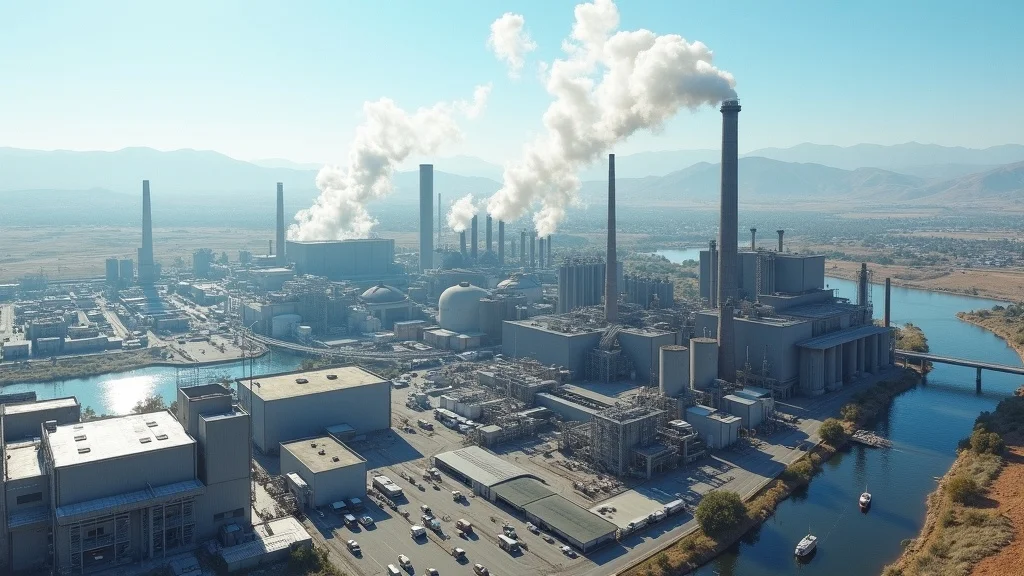
Virtually every operation that discharges wastewater, process water, or runoff into the environment could be regulated under California’s waste discharge requirements (WDRs). This includes industrial manufacturers, power plants, food processors, chemical plants, metal finishers, and even certain warehouses with heavy vehicle washing or product rinsing.
Your facility falls under regulatory oversight if you discharge through a sewer system, surface water, groundwater injection, or even subsurface disposal. The control board may also require permits for industrial stormwater discharges and construction sites disturbing significant earth areas. If your workflow involves chemical use, intense cleaning, water cooling, or product transformation, review your operations for permitting—don’t risk operating unpermitted.
Common Types of Industrial Waste and Regulated Waste
Industrial waste comes in many forms—including spent solvents, heavy metals, oil-water mixtures, organic waste, cooling tower blowdown, process washwater, and cleaning solutions. In the context of industrial wastewater discharge requirements, the water quality control board assesses not only the quantity and frequency of wastewater produced but also the toxicity and persisting nature of specific contaminants.
California’s rules require a detailed inventory of all generated wastes. Any industrial wastewater containing substances listed as hazardous under the California Code or federal environmental statutes is automatically regulated, even if discharged indirectly or blended. Facilities must specifically track, sample, and report these regulated waste streams to avoid inadvertent compliance lapses.
Case Example: Water Discharge Compliance Failures and Consequences
In 2023, a Southern California electronics manufacturer ignored newly updated BOD and TSS testing requirements in its discharge permit. A routine quality control board inspection found several reports overdue and some toxic metal levels above allowable thresholds. The result: $40,000 in fines, six weeks of mandatory third-party audits, and a public posting of violations on the regional water quality control board website—leading to lost contracts. This example underscores why fast action, accurate data, and ongoing communication are non-negotiable for compliance.
Many such cases follow a pattern: lack of updated procedures, untrained staff, or assuming past compliance meant current compliance. Don’t let complacency create risk—routine internal assessments and early corrective actions prevent contamination and business disruption.
Wastewater Discharge Permit Application Process
Preparing for a Wastewater Discharge Permit: Documentation and Data
The foundation for a successful wastewater discharge permit application is comprehensive documentation and a clear understanding of your internal processes. The permit process generally requires you to demonstrate control over every aspect of your discharge—from source to final outflow. Site managers should start with assembling all current records and supplement as needed.
- Site descriptions & industrial process info
- Sampling plans
- Discharge volumes & parameter monitoring records
Providing this level of transparency not only speeds up the permit application review but proactively uncovers any gaps in your existing system. Modern applications may also request digital tracking proof, process diagrams, emergency response plans, and historic violation records. Facilities overseeing multiple discharge points or operating complex treatment systems are expected to provide extra granularity. The more organized and clear your documentation, the more likely you will win a timely, favorable permit.

Submittal Process for Discharge Permits and Water Discharge Permits
Once documentation is gathered, the actual permit submittal process begins. Most applications go to the facility’s assigned regional water quality control board. Expect to submit electronic files—maps, process descriptions, chemical usage logs—through state-run portals or designated board platforms. An initial review period follows, during which regulators may request clarifications or additional samples.
Facilities awaiting wastewater discharge permit approval must continue complying with any existing or interim discharge requirements. It is vital to maintain communications with the quality control board and promptly respond to information requests. Processing times vary, but delays frequently occur due to incomplete or unclear applications. Carefully verifying every detail before submission can save weeks or months and minimize the risk of enforcement action for operating with an expired or lapsed permit.
| Permit Type | Scope | Key Requirements | Issuing Authority |
|---|---|---|---|
| Wastewater Discharge Permit | Industrial & municipal wastewater | Effluent limits, self-monitoring, reporting | Regional Water Quality Control Board |
| Water Discharge Permit | General water discharges, stormwater | Flow reporting, pollutant screening | Regional Water Quality Control Board |
| Industrial Waste Permit | Hazardous, process-specific wastes | Hazard tracking, storage controls | Local/State Environmental Agencies |
Wastewater Discharge Requirements: Testing, Monitoring and Reporting Obligations
Common Waste Discharge Requirement Parameters
- pH
- BOD (Biochemical Oxygen Demand)
- TSS (Total Suspended Solids)
- Metals and other contaminants
Waste discharge requirements are built around precise parameters that must be monitored daily, weekly, or monthly. Most permits detail limits for common pollutants such as pH (acidity/alkalinity), BOD (an indicator of organic load), TSS (the amount of material suspended in water), and a suite of toxic metals. Depending on your industry, your permit might also set standards for nutrients (like nitrogen and phosphorus), oils, grease, or even temperature.
Testing is generally performed both in-house using field meters and at certified laboratories for reportable results. Consistent, properly captured data is crucial—regulators expect to see traceability, accuracy, and clear connections between operational events (maintenance, storms, process changes) and water quality impacts. Missed tests or “out-of-range” results become instant red flags.

Maintaining Compliance: Required Monitoring Reports and Record Keeping
Maintaining compliance means keeping meticulous records: daily operating logs, calibration records for meters, laboratory reports, process adjustments, and corrective actions if results exceed discharge requirements. Most wastewater discharge permits require submission of monthly, quarterly, or annual monitoring reports to the regulator—often through an online portal.
Site managers must retain all raw and processed data for a minimum period—usually three to five years. Expect periodic audits where inspectors randomly check samples, review data, and interview staff about their knowledge of water quality and permit conditions. Falsification, data gaps, and record retention failures each carry severe compliance risks and can trigger intensive review or independent third-party audits.
Tips for Meeting Waste Discharge Requirements in California
To avoid the most common compliance pitfalls, California site managers should adopt a set of best practices. Establish a digital compliance calendar with notification alerts for all critical reporting and sampling dates. Schedule monthly internal audits to verify sampling, record keeping, and permit-driven operational routines. Staff training and cross-checks help prevent skipped samples or forgotten logs.
Engage early with consultants or permit specialists—especially if your operation changes, the law evolves, or incident history places you under increased regulatory scrutiny. Don’t assume “business as usual” will keep you compliant; actively manage your water discharge systems and update your permits whenever changes arise. Proactive compliance is always less costly than reactive enforcement.
Professional, concise explainer video showing the step-by-step process of applying for a wastewater discharge permit in California, including visuals of site assessments, document preparation, sample testing, and digital permit submission. Clear voice-over and on-brand graphics help demystify the process for industrial site managers and consultants.
Water Discharge Enforcement: Inspections, Violations, and Penalties in California
What Happens During a Compliance Inspection by the Control Board?
Inspections by the regional water quality control board or state inspectors are designed to assess real-world operations against your permit obligations. Inspections can be scheduled or unannounced and typically include a walkthrough of process areas, interviews with operators, examination of monitoring and sample results, and comparison with the discharge permit. Water samples may be collected for independent analysis, and documentation is scrutinized for accuracy.
Facilities failing compliance evaluations may be cited for minor deficiencies (requiring corrective action) or major violations (triggering formal enforcement). Being transparent, prepared, and cooperative during inspections builds credibility and may influence regulator discretion if issues arise.
Consequences of Non-Compliance: Fines, Orders, and Legal Action
"A violation of water discharge permit requirements can cost businesses thousands of dollars per day—and threaten ongoing operations."wastewater discharge compliance California
Some businesses facing repeated violations are required to hire outside compliance monitors, invest in new treatment systems, or halt certain processes entirely. More and more, enforcement outcomes are made public, increasing the reputational risk. Investing in robust compliance is a fraction of the cost—or business pain—that follows from official enforcement.
Best Practices: Achieving and Maintaining Wastewater Discharge Compliance California
Routine Compliance Assessments and Audits
Regular internal audits help facilities stay ahead of compliance risks and emerging regulatory demands. At least once per quarter, conduct a comprehensive review: validate discharge monitoring data, ensure all staff understand their roles, and compare actual practices to permit and California Code documentation. These assessments uncover hidden problems before inspectors—and enforcement—find them.
Many successful operations supplement internal reviews with outside experts. Independent audits provide an objective check, highlight overlooked issues, and help facilities benchmark performance against industry best practices or new regulatory interpretations.
Employee Training for Water Quality and Permit Adherence
Continuous training is essential. Each employee—from operators to maintenance and management—should routinely review the discharge permit's specific requirements and the basics of water quality, sample handling, and record keeping. Use live workshops, digital modules, and regular refreshers to reinforce a compliance-first culture.
Training should also prepare staff for regulatory changes and incident response. Empowering every team member to spot risks and escalate concerns is key to maintaining compliance, particularly in high-turnover or multi-shift industrial environments.

Selecting Consultants and Compliance Partners
- Benefits of professional compliance assessments
- Key criteria for choosing consultants
For complex or high-stakes operations, working with seasoned compliance consultants can be transformative. Consultants bring up-to-date regulatory knowledge, can coordinate with the regional water quality control board, and help interpret evolving standards in the context of your business. Key criteria in choosing a partner include industry expertise, familiarity with California-specific laws (including the water code and Title 27), proven results in corrective action, and transparent communication style.
The best consultants deliver practical compliance roadmaps, precise monitoring suggestions, and clear ROI projections for permit-driven infrastructure upgrades—saving you setup and downstream costs.
See practical strategies from successful California facilities—how they improved monitoring systems, trained teams, and reduced penalties by investing in optimized compliance routines and professional consultant support.
People Also Ask: Wastewater Discharge Compliance California
What is title 27 California?
Answer: Title 27 California refers to state regulations governing the discharge of wastes to land and water, focusing on managing hazardous and nonhazardous industrial waste, and protecting water quality through strict discharge requirements.
What are the parameters for wastewater discharge?
Answer: Parameters for wastewater discharge include pH, BOD, TSS, metals, and specific contaminants regulated by the wastewater discharge permit and waste discharge requirements.
What are the new water laws in California?
Answer: New water laws in California impact wastewater discharge compliance by tightening water discharge permit criteria, updating monitoring requirements, and emphasizing enforcement by the regional water quality control board.
What is considered regulated waste in California?
Answer: Regulated waste in California includes any industrial waste, process water, or wastewater with materials identified by the water quality control board as hazardous or potentially polluting under the California Code.
FAQs: Wastewater Discharge Compliance California
-
How long does it take to get a wastewater discharge permit in California?
The typical timeline for a wastewater discharge permit in California is between 90–180 days from submission, depending on application completeness and regulatory review cycles. Early preparation and prompt responses to information requests can shorten this window. -
What should I include in my discharge monitoring reports?
Discharge monitoring reports should include all required parameter results (pH, BOD, TSS, metals), flow data, descriptions of any permit exceedances, corrective action steps, and supporting lab or field data as requested by the permit. -
How often are compliance audits needed?
While at minimum annual audits are required, best practice is to perform quarterly compliance reviews to catch problems early and keep up with evolving regulations and operational changes. -
Can my permit be modified if operations change?
Yes, your water discharge permit can and should be modified any time there are significant operational, process, or volume changes. Engage the regional water quality control board early to ensure modifications are made without interruption to compliance.
Key Takeaways for Wastewater Discharge Compliance California
- Start compliance assessments early to meet critical deadlines
- Understand your waste discharge requirements to prevent penalties
- Use expert help for water discharge permit applications and audits
- Routine training and reporting are vital for ongoing compliance
Get Your Wastewater & Sewage Treatment Plants Assessed for Full Compliance Today
Get a complimentary wastewater system assessment that includes:
- ✅ Analysis of current TSS, COD, BOD, and pH levels
- ✅ Identification of compliance risks before they become violations
- ✅ Cost-saving opportunities based on proven results
- ✅ Clear ROI projections for any recommendation
Conclusion
Proactive wastewater discharge compliance California is not just mandatory—it safeguards your business, community, and environment. Get ahead of deadlines and build a culture of continuous water quality improvement today.
Staying compliant with California’s wastewater discharge regulations is just one piece of a broader environmental management puzzle. If you’re ready to elevate your facility’s environmental performance and discover how integrated compliance strategies can drive operational excellence, consider learning more about the full spectrum of environmental consulting and technical services available from CSI Environmental Inc. Their team can help you navigate not only water quality requirements but also air, soil, and hazardous materials regulations—empowering your business to achieve long-term sustainability and regulatory peace of mind. Take the next step toward comprehensive compliance and future-proof your operations with expert guidance tailored to your industry’s unique challenges.
Sources
- California State Water Resources Control Board – https://www.waterboards.ca.gov/water_issues/programs/waste_discharge_requirements/
- California Water Code & California Code of Regulations – https://www.waterboards.ca.gov/laws_regulations/
- Regional Water Quality Control Board Enforcement Actions – https://www.waterboards.ca.gov/public_notices/petitions/water_quality/
- USEPA, California NPDES Permits – https://www.epa.gov/npdes-permits/california-npdes-permits
Ensuring compliance with California’s wastewater discharge regulations is crucial for protecting water quality and avoiding significant penalties. The California State Water Resources Control Board provides comprehensive information on the Waste Discharge Requirements Program, detailing the necessary permits and compliance measures for various discharge types. (waterboards.ca.gov) Additionally, the U.S. Environmental Protection Agency offers guidance on Clean Water Act compliance monitoring, outlining federal standards and enforcement practices. (epa.gov) By consulting these resources, you can gain a thorough understanding of the regulatory landscape and take proactive steps to ensure your facility meets all applicable requirements.


Write A Comment