


Did you know a single overlooked detail in your NPDES permit compliance can trigger fines exceeding $50,000 per day? For site managers and environmental health and safety professionals, understanding compliance isn’t just about following the law—it’s about protecting your facility’s future and the environment we all share
Why NPDES Permit Compliance Is Critical for Facilities
For any industrial or municipal facility that discharges water, NPDES permit compliance is non-negotiable. Under the Clean Water Act, the national pollutant discharge elimination system (NPDES) governs how pollutant discharge enters the surface waters of the United States. With non-compliance potentially resulting in fines, criminal charges, or even operational shutdowns, the stakes couldn’t be higher.
Getting NPDES permit compliance right safeguards not only your organization’s legal standing but also its reputation. Beyond monetary penalties, violations may lead to public scrutiny and jeopardize your partner relationships. The cost of a permit oversight—late reporting, improper monitoring, or subpar discharge control—quickly outweighs the effort invested in proper environmental compliance. As the regulatory landscape tightens and public awareness grows, facilities must adopt a proactive stance for maintaining water quality and protecting their business from unnecessary risk.
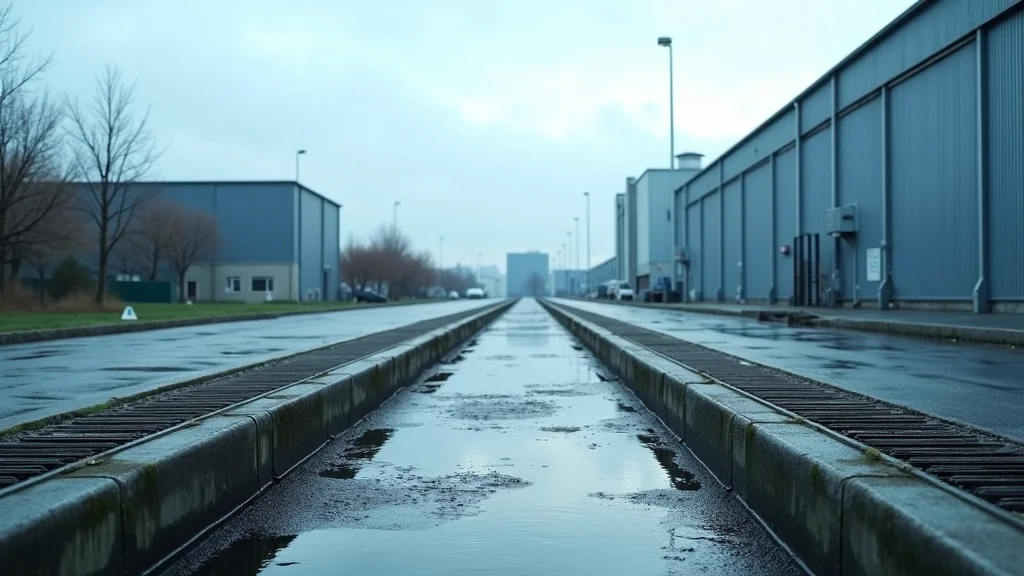
"A single oversight in your NPDES permit compliance program can lead to costs ranging from heavy fines to operational shutdowns—making diligent compliance not just an option but a necessity."
What You'll Learn About NPDES Permit Compliance
- The fundamentals of NPDES permit compliance
- Common mistakes and how to avoid them
- Regulatory requirements and best practices
- Industry-specific compliance insights
- Steps for successful permit application and monitoring
Understanding the National Pollutant Discharge Elimination System (NPDES) Permit
What Is an NPDES Permit and Why Is NPDES Permit Compliance So Important?
An NPDES permit is the legal authorization facilities need to discharge pollutants from a point source—like pipes, ditches, or industrial outlets—directly into waters of the United States. This system, created under the Clean Water Act, plays a pivotal role in ensuring only monitored and approved effluents enter our nation’s surface waters. Whether a factory, wastewater treatment plant, mine, or agricultural facility, those subject to the npdes permit program must control the type and quantity of discharges, routinely monitor and report them, and meet all their environmental regulations.
Failing to maintain NPDES permit compliance jeopardizes local water quality, can threaten human health, and invites substantial regulatory penalties. As discharge limits and standards grow ever more strict, the importance of rigorous compliance—spanning precise permit application paperwork to accurate, timely monitoring and reporting—cannot be overstated for site managers and compliance teams alike.
To further strengthen your facility’s compliance efforts, it’s helpful to understand how environmental consulting services can support NPDES permit management, from application to ongoing monitoring. For a closer look at how expert guidance can streamline your compliance process, explore the range of environmental solutions offered by CSI Environmental Inc.
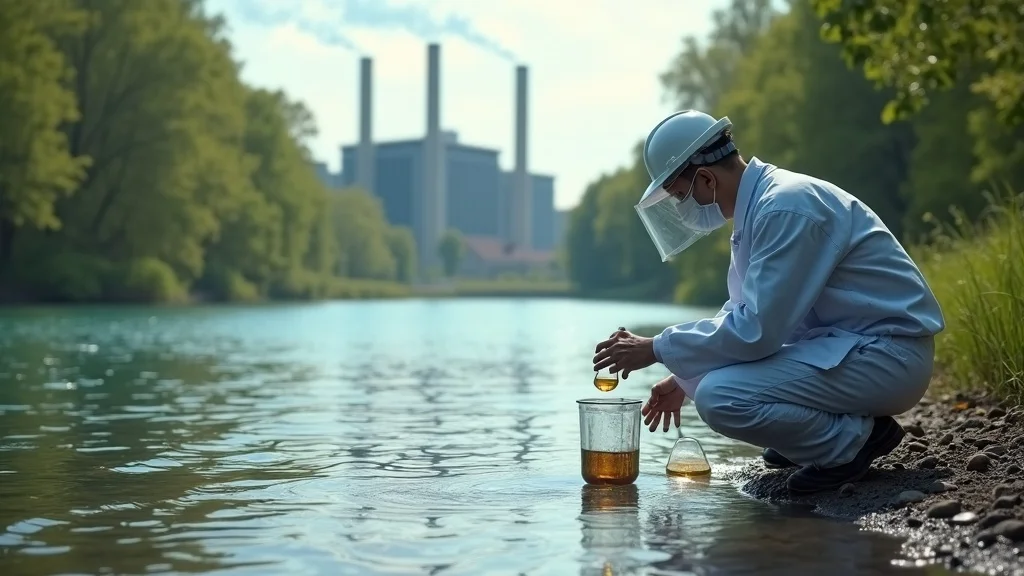
How the Elimination System Protects Water Quality and Prevents Water Pollution
The National Pollutant Discharge Elimination System was established to protect our clean water resources. By regulating what can go from point sources into our lakes, rivers, and streams, the system aims to prevent water pollution at its source—before community health and biodiversity are put at risk. Because the NPDES program covers a substantial spectrum of pollutants and requires dischargers to adhere to strict effluent limits, it is pivotal to sustaining safe and vibrant water ecosystems.
Facility permittees must routinely sample and analyze their discharges, reporting to state or EPA regulators as outlined on the official website. A missed monitoring report or out-of-bound contaminant can set sophisticated enforcement actions into motion. Compliance with the elimination system not only aligns with legal mandates but reflects a larger commitment to water act protections that underpin public trust and resource stewardship.
| Permit Type | Key Compliance Requirements | Potential Penalties for Non-Compliance |
|---|---|---|
| Individual NPDES Permit | Site-specific effluent limits Regular monitoring and reporting Annual compliance inspection |
Up to $56,460 per violation per day Mandatory corrective action Legal injunctions and reputational harm |
| General NPDES Permit | Standard requirements by activity sector Simplified application Group monitoring protocols |
Fines and corrective action orders Suspension of permit eligibility Shut-downs for severe noncompliance |
| Stormwater Permit | Stormwater pollution prevention plans Site inspection logs Annual certification reports |
Financial penalties Project delays Remediation requirements |
Core Elements of NPDES Permit Compliance
Permit Application: Meeting Environmental Regulations and Deadlines
Applying for an NPDES permit is a detailed, legally binding process. Site managers must gather operational data, detail potential pollutant sources, and map all water pathways leaving their facility—down to each discrete conveyance. The permit application must demonstrate full understanding of pollutant types, proposed controls, and compliance with all relevant environmental regulations. Missing a deadline or submitting incomplete data can derail production schedules and delay approvals for months.
Successful applications reflect an in-depth knowledge of the npdes program requirements: discharge characterization, best management practices, and plans for ongoing monitoring. Always use secure websites (those that use https) when submitting documentation, as these are required for confidentiality and compliance with the EPA’s digital protocols. Consulting with environmental professionals or legal experts can ensure applications withstand scrutiny and align with changing regulatory expectations.
Monitoring and Reporting Under NPDES Compliance
Once a permit is issued, a rigorous schedule of monitoring and reporting begins. Permittees must routinely sample discharge water, track a spectrum of quality indicators (such as pH, chemical oxygen demand, and pollutant levels), and submit detailed records by stated deadlines. Any monitoring report deviation—whether a late report or missing measurement—can trigger enforcement actions and costly penalties.
Best-in-class facilities embrace advanced digital tracking tools, real-time monitoring stations, and automated data submission platforms to streamline compliance. It's essential for compliance teams to stay on top of rapidly evolving reporting standards, which the EPA’s official website frequently updates. For site managers, setting up clear internal protocols ensures that each sample and submission protects both water quality and the organization’s bottom line.

Best Practices for Environmental Compliance in NPDES Permits
Proactive management is crucial for maintaining effective environmental compliance. Start by delivering robust staff training, ensuring every employee recognizes the importance of accurately following NPDES permit compliance procedures. Regular reviews of compliance records, updating operational plans as requirements shift, and rigorously maintaining all equipment involved in sampling and data collection significantly reduce risk.
Partnering with external consultants or certified NPDES professionals brings an additional layer of assurance. They help identify compliance gaps, recommend up-to-date corrective actions, and offer advanced solutions for challenging discharge scenarios. Implementing detailed corrective action plans quickly after any adverse monitoring result can prevent further violations and major penalties—securing ongoing success for your facility's operations and reputation.
Common Mistakes That Could Jeopardize NPDES Permit Compliance
- Failure to submit required reporting
- Missed monitoring deadlines
- Misunderstanding permit conditions
- Incomplete pollutant discharge control measures
- Lack of staff training on water quality protocols
These pitfalls may seem minor—but each one can rapidly escalate into major challenges for your operation. Failing to submit a required monitoring report on time or overlooking a sampling protocol can not only result in fines but may also require extensive corrective action. Misunderstanding specific permit conditions often leads to unintentional non-compliance, so updating internal training and reference materials is vital. Finally, incomplete discharge control or under-trained staff members can turn a minor oversight into a costly, high-profile violation.
Site managers should foster a culture of compliance awareness, encourage open communication regarding procedures, and regularly review all NPDES permit documentation. By prioritizing accurate reporting and empowering teams with current knowledge, facilities avoid expensive setbacks while consistently aligning with state and federal environmental regulations.
Industry Requirements: Who Needs NPDES Permits and Why
Industries Typically Requiring NPDES Compliance
While npdes permit requirements initially focused on large municipal and industrial sites, today’s scope reaches across dozens of sectors. If your facility produces process wastewater, manages stormwater from industrial activity, or engages in activities likely to impact surface waters, NPDES compliance likely applies. This includes industries such as wastewater treatment, industrial manufacturing, mining, construction, and large-scale agriculture or animal farming.
The key consideration is whether a facility is a point source of pollutants under the definitions set out in the clean water act. Consulting with state agency officials or credible environmental professionals helps ensure you identify every regulated activity at your site and submit the necessary permits for legal, safe operation.

Key Factors Influencing NPDES Permit Application Processes
Securing an NPDES permit isn’t a checklist—it’s an evolving process shaped by location, discharge type, and the latest environmental regulations. Regional differences, local impairments (like sensitive watersheds), and the nature of your facility’s prevailing pollutants dramatically influence the complexity of the permit application. Facilities that discharge to protected or impaired waters face stricter effluent limits and closer scrutiny during the review and compliance evaluation process.
Pre-permit planning should include a thorough site assessment and early dialogue with regulatory agencies. Internal project teams must outline possible pollutant sources, mitigation strategies, and discharge reduction plans that exceed “just enough” compliance. Investing in pre-application audits and engaging NPDES compliance specialists minimizes approval bottlenecks—ensuring operations stay ahead of deadlines and evolving standards.
Video Explainer: The Importance of NPDES Compliance for Water Pollution Prevention
Government Oversight and Compliance Evaluation Under the NPDES Compliance Monitoring Program
What Happens During a Compliance Evaluation?
Every NPDES-permitted facility is subject to regular compliance evaluations conducted by state or EPA officials. These evaluations involve detailed inspections of plant operations, review of monitoring and reporting records, physical sampling of active discharges, and discussion with on-site staff. Evaluators use comprehensive checklists to determine if the site meets all permit conditions and water quality standards.
Site teams should always maintain a state of readiness—ensuring records are up to date, staff can quickly locate required documents, and every discharge meets the limits dictated by your permit. Thorough preparation speeds an evaluation, gives a positive impression of your compliance program, and avoids the undesirable consequences of non-compliance findings.

Consequences of Failing an NPDES Compliance Evaluation
The ramifications of failing a compliance evaluation are substantial. Regulatory agencies may issue immediate violation notices, trigger monetary fines for each day of infraction, or require extensive corrective action plans before a facility can resume permitted activities. For repeated or severe violations, the government may suspend or revoke npdes permits—halting operations until full compliance is restored.
These regulatory actions don’t only affect your bottom line but can also erode public trust, delay projects, and even impact insurance and investor confidence. For managers and compliance professionals, the answer is clear: establish bulletproof reporting, stay educated on new rules, and conduct regular internal audits before government inspectors arrive.
| Essential Record | Frequency | Responsible Party |
|---|---|---|
| Discharge Sampling Data | Weekly/Monthly | Lab Technician / Compliance Officer |
| Monitoring Reports | Monthly/Quarterly | Environmental Manager |
| Equipment Calibration Logs | Quarterly | Maintenance Manager |
| Training Attendance Records | Semi-Annually | HR / Safety Manager |
| Incident & Corrective Action Reports | As Needed | Compliance Officer |
The Impact of NPDES Permit Compliance on Water Quality and Public Health
How NPDES Permits Reduce Environmental and Human Health Risks
NPDES permit compliance is vital not only for avoiding penalties but also for safeguarding the environment and public health. Proper control of pollutant discharge ensures that harmful substances—ranging from heavy metals to pathogens—do not enter drinking water supplies, recreational waters, or fragile aquatic habitats. By adhering to stringent npdes compliance guidelines, facilities play a major role in keeping local lakes, rivers, and streams clean for communities and wildlife alike.
This system has been pivotal in transforming polluted waterways into thriving ecosystems across the United States. Consistent and thorough compliance, especially from high-risk industries, acts as the front line in the fight against water pollution and the spread of waterborne illnesses. Managers committed to full compliance demonstrate not just regulatory adherence but a genuine investment in the well-being of local residents and ecosystems.

People Also Ask: NPDES Permit Compliance
What is NPDES compliance?
- NPDES compliance means strictly adhering to the requirements of the National Pollutant Discharge Elimination System, ensuring that pollutant discharge into U.S. waters is regulated, monitored, and reported in accordance with state and federal guidelines.
What are environmental compliance requirements?
- Environmental compliance requirements encompass the various regulations, permits, and practices mandated by authorities to protect environmental quality—including NPDES permit compliance for water pollution control.
What industries need NPDES permits?
- Industries such as wastewater treatment, industrial manufacturing, mining, agriculture, and construction commonly need NPDES permits to regulate their pollutant discharge.
What is involved in a compliance evaluation under the NPDES compliance monitoring program?
- An NPDES compliance evaluation typically includes inspections, review of records, sampling of discharges, and assessment of permit conditions to ensure compliance with pollutant discharge requirements.
Case Study: How One Facility Avoided Substantial Fines Through Rigorous NPDES Permit Compliance
Effective Strategies for Continuous NPDES Permit Compliance
- Conduct regular self-audits and compliance assessments
- Maintain updated training programs for staff
- Invest in robust monitoring and reporting technologies
- Consult with NPDES permit professionals
- Implement corrective actions promptly
Each of these steps forms the backbone of a resilient, futureproof compliance program. Regular self-audits and effective staff training create a cycle of continuous improvement and risk prevention. Investing in technology reduces reporting errors, while using outside expertise keeps your compliance strategies aligned with the latest EPA regulations and "best practices for environmental compliance." Addressing identified weaknesses with immediate corrective action is crucial—timeliness can mean the difference between a small issue and a costly violation.
For site managers and EHS professionals, it’s not just about ticking boxes—it’s about integrating these strategies into the fabric of daily operations to protect your organization and the water resources your community depends on.
Quotes from Industry Experts on Successful NPDES Permit Compliance
"Consistent attention to NPDES compliance is essential for operational continuity and environmental stewardship." — Environmental Compliance Manager
Key Takeaways for Site Managers Ensuring NPDES Permit Compliance
- Minor oversights can lead to major penalties
- Continuous monitoring is vital
- Compliance ensures environmental safety and business reputation
Frequently Asked Questions About NPDES Permit Compliance
-
What are the penalties for NPDES non-compliance?
Penalties can reach tens of thousands of dollars per violation per day, may include mandatory corrective actions, and in severe cases, suspension or revocation of your permit. -
Can permits be revised mid-term?
Yes, permits can often be revised if your operational characteristics change significantly—but the process requires regulatory approval and updated compliance planning. -
How frequently must reports be submitted?
Reporting frequency varies by permit and industry but is typically monthly or quarterly as specified by your NPDES permit conditions. -
What are common red flags in compliance evaluations?
Missing or incomplete records, missed monitoring deadlines, and staff unfamiliarity with permit requirements are major warning signs for evaluators.
Next Steps: Get a Compliance Assessment for Your Facility
- Call Us (800) 690-2436 to arrange your NPDES permit compliance assessment and safeguard your operation from costly mistakes.
Looking for a Reverse Osmosis Desalination solution? | Call Us (800) 690-2436
Sources
- EPA – NPDES Permit Program Basics
- EPA – Compliance Monitoring Program
- EPA – Water Pollution Control
- OSHA Environmental Regulations
If you’re ready to take your facility’s environmental stewardship to the next level, consider exploring how a holistic approach to compliance can drive operational excellence and long-term sustainability. By leveraging the expertise and resources available through CSI Environmental Inc, you can access advanced strategies and tailored solutions that go beyond basic permit requirements. Whether you’re seeking to optimize your monitoring systems, enhance staff training, or proactively address emerging regulatory changes, partnering with industry leaders can help future-proof your operations. Discover how a comprehensive compliance strategy not only protects your business but also contributes to a cleaner, safer environment for all.
Conclusion: One overlooked detail in your NPDES permit compliance can mean the difference between business success and costly, disruptive penalties. Proactive planning and regular assessment are your best protections—take action today.
Ensuring strict adherence to NPDES permit compliance is crucial for protecting water quality and avoiding substantial penalties. The U.S. Environmental Protection Agency (EPA) provides comprehensive resources to assist facilities in understanding and meeting these requirements.
The EPA’s “NPDES Permit Basics” page offers a detailed overview of the permit program, including application procedures, compliance obligations, and enforcement mechanisms. This resource is invaluable for facilities seeking to grasp the fundamentals of NPDES permits and their role in safeguarding water resources. (epa.gov)
Additionally, the “Clean Water Act (CWA) Compliance Monitoring” page outlines the EPA’s strategies for ensuring adherence to clean water laws. It covers various compliance monitoring techniques, such as inspections and data reviews, providing insights into how the EPA and its partners work to maintain water quality standards. (epa.gov)
For facilities operating in California, the “Understanding California NPDES Permit Compliance and EPA Penalties for Non-Compliance” article delves into state-specific requirements and potential penalties for non-compliance. It emphasizes the importance of adhering to permit conditions to avoid significant fines and legal actions. (aquaticbioassay.com)
By consulting these resources, facilities can enhance their understanding of NPDES permit compliance, implement effective monitoring and reporting practices, and mitigate the risk of costly violations.



Write A Comment