


Did you know that failing to manage brewery wastewater correctly can saddle your brewery with fines exceeding $10,000 per year? For countless craft brewers, wastewater compliance isn’t just a regulatory checkmark—it’s a critical business safeguard
Shocking Facts About Brewery Wastewater Compliance
“Non-compliance can cost a brewery thousands in fines annually. Awareness and proactive measures are your best defense.”—Steve Manii, CSI Environmental
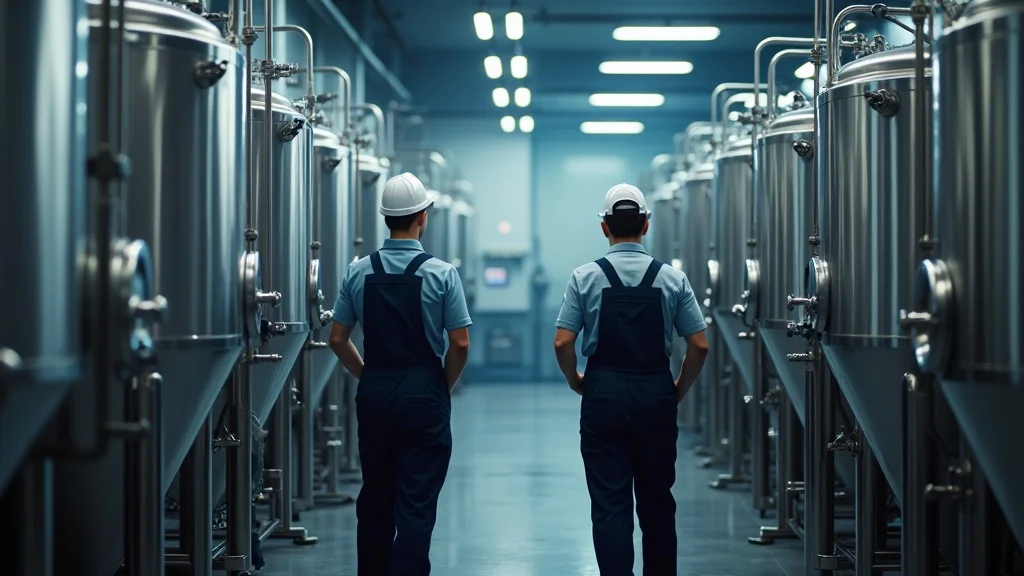
Every year, dozens of craft breweries discover too late that non-compliance isn’t just risky—it’s expensive. According to the Environmental Protection Agency (EPA), breweries generate high-strength wastewater loaded with organic matter, suspended solids, and cleaning chemicals that can overwhelm municipal treatment plants. As a result, local regulators and sanitary districts have set strict discharge limits for brewery effluent. Violating these can trigger substantial daily penalties, enforcement actions, and even facility shutdowns.
What’s more, smaller craft breweries—often with limited resources—face unique challenges scaling their water treatment systems. Without robust wastewater management practices, the cumulative impact of even a small amount of non-compliant effluent can quickly spiral into major environmental and financial problems. By understanding common compliance pitfalls and solutions, breweries can safeguard their operations and foster better relationships with regulators and communities.
For breweries looking to deepen their understanding of environmental compliance and practical solutions, exploring the expertise and services offered by CSI Environmental Inc can provide actionable guidance tailored to the unique challenges of craft brewing operations.
What You'll Learn About Brewery Wastewater Compliance
- Why brewery wastewater compliance matters for your operation
- Key regulations and required water treatment processes
- How to implement an effective wastewater treatment system
- Common compliance risks and mistakes in craft breweries
- Opportunities for operational savings
Understanding Brewery Wastewater: Composition and Concerns
How Brewery Wastewater Impacts Water Treatment and the Environment
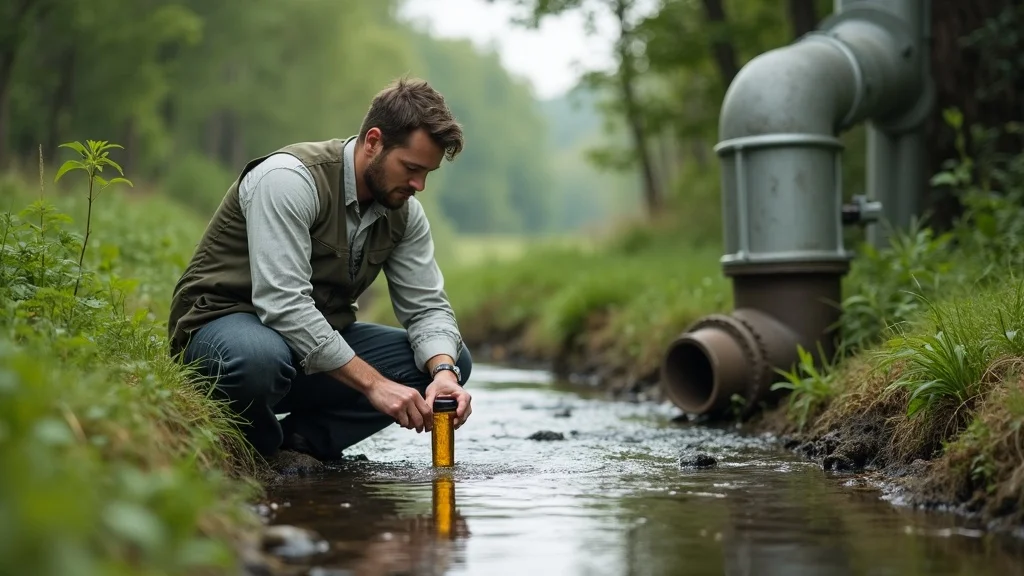
Brewery wastewater is a direct byproduct of the brewing process, generated from cleaning vessels, transferring beer, equipment sanitation, and even cooling systems. Unlike domestic wastewater, brewery effluent contains exceptionally high concentrations of organic matter—think sugars, yeasts, and cleaning agents—which can overload municipal wastewater treatment plants. If not treated properly, the oxygen demand in this waste stream can harm local surface water ecosystems, triggering algal blooms and fish die-offs due to reduced dissolved oxygen.
Local regulatory agencies monitor for these impacts with strict discharge elimination permits and periodic sampling. When breweries exceed their permitted levels of pollutants such as Biological Oxygen Demand (BOD) or Total Suspended Solids (TSS), they threaten the overall efficiency of city-run treatment systems. This can become a reputational issue—not just an operational one—if environmental impacts or fines become public knowledge, particularly among the environmentally conscious customer base of many craft brewers.
Key Components in Brewery Wastewater (TSS, COD, BOD, pH)
Brewery wastewater composition is typically defined by several key indicators. Total Suspended Solids (TSS) measure the amount of solid particles in the wastewater. Chemical Oxygen Demand (COD) reflects the total amount of oxygen needed to chemically break down organic and inorganic matter, while Biological Oxygen Demand (BOD) assesses the oxygen required by microorganisms to decompose organic content over a period of time. These parameters are consistently higher in brewery effluent than in domestic wastewater, often by a factor of ten or more.
In addition, the dramatic pH swings caused by cleaning chemicals and caustics used in the brewing process can further complicate treatment. pH levels that stray far from neutral can corrode pipes, damage municipal infrastructure, and disrupt treatment processes. It’s critical that brewery wastewater is carefully pretreated and monitored before discharge to municipal facilities or the environment.
Regulatory Requirements: What Brewery Wastewater Compliance Entails
Wastewater Treatment Standards and Brewery Wastewater Categorization
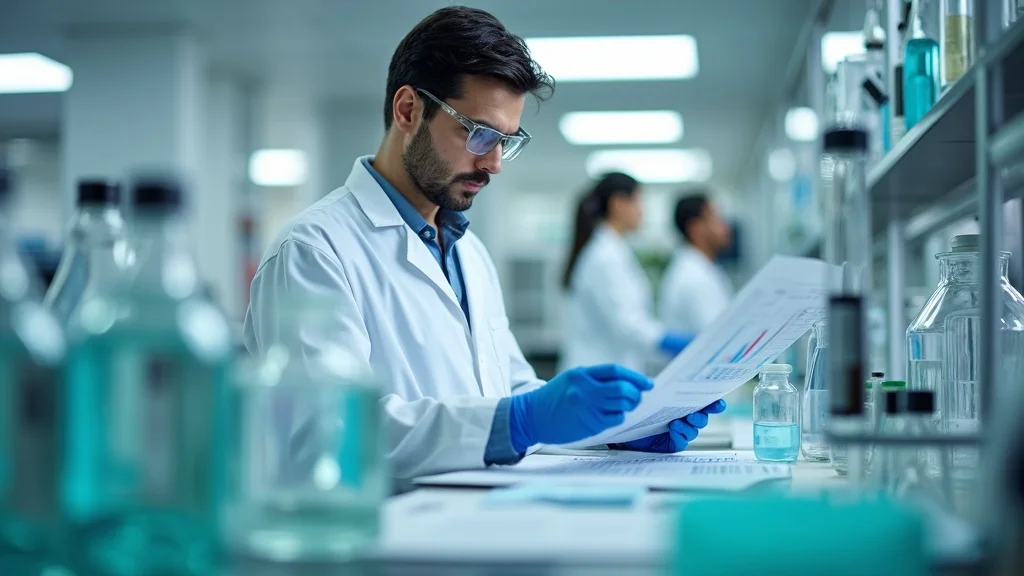
The regulatory landscape for brewery wastewater compliance is governed by a patchwork of federal, state, and local agencies. At the federal level, the Clean Water Act outlines requirements for industrial users—including breweries—under the National Pollutant Discharge Elimination System (NPDES). However, most breweries discharge to municipal systems, requiring adherence to "pretreatment" standards established by local sanitary districts. These standards are designed to ensure effluent from breweries does not disrupt the biological, chemical, or physical processes of city treatment plants.
Key regulated pollutant categories for breweries include TSS, BOD, COD, pH, oil and grease, and potentially even specific heavy metals or nitrogen compounds. Each city typically issues a distinct industrial wastewater permit—a legal document containing discharge limits and mandated monitoring protocols. Violations of these limits can trigger fines ranging from hundreds to thousands of dollars per day, making compliance a non-negotiable operational priority.
Does the FDA Regulate Breweries?
While the Food and Drug Administration (FDA) primarily oversees food safety aspects of the brewing process, it does not directly regulate brewery wastewater. Instead, environmental compliance for breweries falls under the Environmental Protection Agency (EPA) and corresponding local water protection authorities. However, breweries must still comply with the Food Safety Modernization Act (FSMA) to ensure facility cleanliness and prevent contamination—indirectly affecting what ends up in brewery effluent. In every case, breweries should work with environmental experts to ensure their wastewater is managed according to all pertinent rules and guidelines—federal, state, and local.
Water Treatment Solutions for Craft Breweries
Types of Brewery Wastewater Treatment Systems
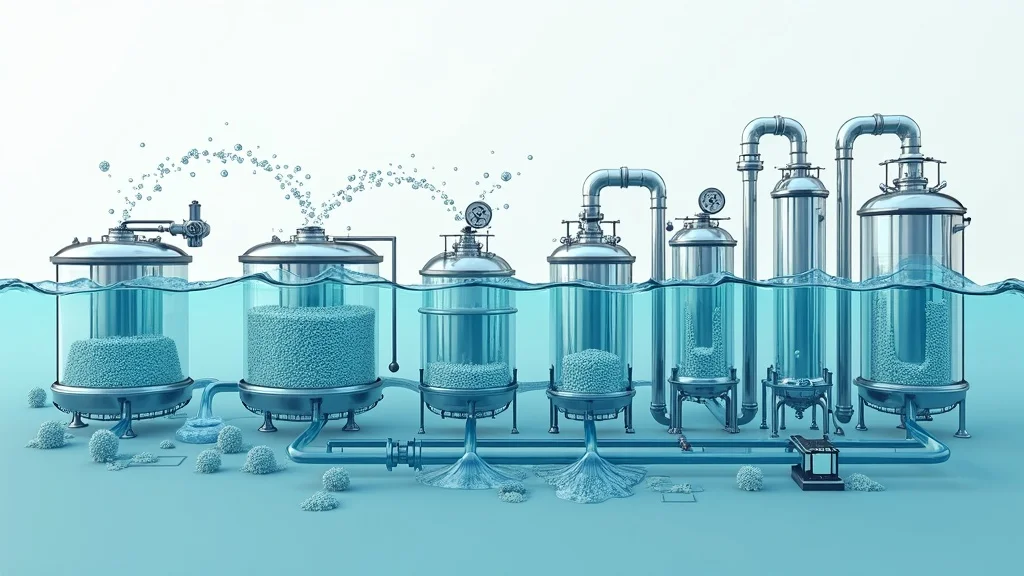
To achieve brewery wastewater compliance, craft breweries can select from several types of wastewater treatment systems. Primary solutions include equalization tanks that stabilize flow and concentration, pH neutralization units, and dissolved air flotation (DAF) systems to remove bulk solids and fats. Advanced secondary treatments—such as aerobic and anaerobic biological reactors—further reduce BOD and COD by breaking down organic matter using specialized bacteria.
Some breweries opt for membrane biological reactors or moving bed biofilm reactors (MBBR) for even greater effluent quality, ideal for strict municipalities. Small to mid-size breweries benefit from modular, packaged treatment units tailored to their scale. Regardless of the configuration, the chosen system must align with the brewery’s size, product mix, and local compliance requirements. Ongoing maintenance and operator training are crucial to ensure the treatment process remains effective as production scales up.
Selecting the Right Treatment Process for Your Craft Brewer Operation
Choosing the optimal wastewater treatment process requires a comprehensive analysis of your brewery’s current effluent profile, anticipated growth, and regulatory targets. For instance, breweries with variable production might require automated pH controls and robust monitoring to adjust flows as needed. Consulting with engineers—like those at CSI Environmental—can help tailor a treatment plan that meets current legal standards while offering flexibility for expansion.
Critical assessment factors include anticipated BOD/COD loads, volume of water usage, available floor space, staffing resources, and potential discharge to municipal or onsite systems. Ultimately, investing in a proven treatment system now reduces risk, enhances sustainability, and delivers cost savings over time by preventing compliance violations.
Implementing an Effective Brewery Wastewater Management Plan
Identifying and Assessing Wastewater Compliance Risks
Effective wastewater management begins with a thorough assessment of compliance risks at each stage of the brewing process. This means tracing all points where wastewater is generated, from mash tun cleaning to tank CIP (clean-in-place) cycles, and identifying high-load discharge events. Many craft brewers underestimate the cumulative effect of what might seem like a small amount of sporadic high-strength discharge—leading to spikes in BOD, COD, or pH violations on municipal reporting days.
Pro-active risk assessment includes evaluating current system capacities, reviewing previous discharge sample results, and consulting both local regulators and environmental experts like Steve Manii at CSI Environmental. Addressing risks before fines occur positions your brewery not just to avoid penalties, but to operate more efficiently and sustainably overall.
Monitoring and Documentation for Compliance Success
Accurate monitoring and meticulous documentation are the pillars of compliance success. Regular in-house testing for TSS, BOD, COD, and pH ensures potential exceedances are caught quickly—before regulators notice. Automated logging and reporting of discharge volumes strengthen your defense should inspectors question compliance. Additionally, maintaining up-to-date records of all maintenance, repairs, and operator training acts as proof of due diligence.
For rapidly growing breweries, digital systems for logging sample results and procedural changes are highly recommended. Not only does this streamline compliance audits, it showcases your commitment to transparency, bolstering your reputation with both regulators and environmentally-conscious craft beer consumers.
Cost-Saving Opportunities in Brewery Wastewater Management

While wastewater compliance is often viewed as a cost center, smart planning can convert it into a source of savings. First, right-sizing your treatment system means less wasted energy and chemicals on over-treatment. Recovered byproducts—from yeast slurry to clarified water—can sometimes be repurposed or sold, offsetting operational costs. Partnering with experienced consultants like CSI Environmental also streamlines system selection and operator training, reducing expensive errors or over-engineering.
Finally, demonstrating strong compliance helps craft breweries secure better terms with local municipal wastewater systems, or even negotiate surcharges downward. Many utilities offer rebates for waste minimization or process improvements, magnifying the ROI of a robust wastewater management plan.
Common Compliance Challenges in Craft Breweries
- High organic load and treatment costs
- Scaling systems for growing breweries
- Maintaining documentation for regulators
- Balancing sustainability and compliance costs
Key Steps to Optimize Your Brewery Wastewater Treatment System
- Conduct a comprehensive water treatment audit
- Invest in proven wastewater treatment technologies
- Regularly train staff on compliance practices
- Work with environmental experts like CSI Environmental

Case Study: Brewery Wastewater Compliance Success with CSI Environmental
| Step | CSI Environmental Approach | Compliance Outcome |
|---|---|---|
| Initial Audit | Comprehensive assessment of TSS, COD, BOD | All compliance gaps identified |
| System Recommendation | Customized treatment system design | Cost savings, full compliance |
| Staff Training | Facility-specific compliance workshops | Ongoing adherence |
People Also Ask About Brewery Wastewater Compliance
How to treat brewery wastewater?
Treating brewery wastewater typically involves several steps: equalization to stabilize flow and strength, pH adjustment, primary solid removal (like dissolved air flotation), and advanced biological treatment to reduce BOD and COD. Technologies can include anaerobic reactors, membrane bioreactors, and chemical dosing. The right combination depends on your brewery size, local discharge permits, and growth plans. Working with wastewater treatment experts ensures a system that’s effective, scalable, and sustainable.
What are the requirements for water to be used in the beer making process?
Water used in brewing must meet stringent quality standards to ensure both product consistency and safety. Key requirements include specific pH ranges (typically 5.2–5.6 for mashing), absence of pathogens, low levels of dissolved metals, and elimination of chlorine/chloramine to avoid off-flavors. Brewers may use carbon filtration or reverse osmosis to achieve ideal properties before starting the brewing process. Local water act and environmental regulations may also impact allowable water sources or required pre-treatment.
Does the FDA regulate breweries?
The FDA regulates breweries mainly on food safety grounds. It mandates hazard analysis and prevention programs as required by the Food Safety Modernization Act (FSMA). The agency does not set specific brewery wastewater compliance standards; those are handled by the EPA and local or state environmental protection agencies. However, FDA-sanctioned procedures can indirectly affect the types and quantities of waste generated in breweries.
What is brewery waste water categorized as?
Brewery wastewater is generally categorized as "industrial wastewater." Because it contains high loads of organic content, suspended solids, and variable pH, it's treated more stringently than domestic wastewater. Cities usually treat brewery effluent as a high-strength discharge from an industrial user, subject to distinct pretreatment and reporting requirements.
FAQs: Brewery Wastewater Compliance Essentials
-
What are the most common violations for brewery wastewater compliance?
Common violations include exceeding permit limits for BOD, TSS, and pH, failing to maintain proper records, and not reporting discharge volumes accurately. Regular monitoring and proactive maintenance can help prevent these issues. -
What should a brewery wastewater management plan include?
A good management plan covers sampling protocols, responsible staff assignments, system maintenance schedules, equipment calibration, and clear emergency response procedures for spills or violations. It should also outline periodic training and audit routines. -
How can a craft brewer save money on wastewater treatment?
Money-saving strategies include recycling cleaning water, optimizing system sizing, automating monitoring, and participating in utility rebate programs. Consulting with firms like CSI Environmental can uncover process improvements and low-cost upgrades as your brewery scales.
Key Takeaways: Brewery Wastewater Compliance for Craft Breweries
- Proactive compliance reduces financial and regulatory risk.
- Choosing the right treatment process ensures sustainability.
- Expert guidance from CSI Environmental and Steve Manii drives results.
Next Steps: Secure Your Complimentary Brewery Wastewater Compliance Assessment
Get a complimentary wastewater system assessment that includes:
- ✅ Analysis of current TSS, COD, BOD, and pH levels
- ✅ Identification of compliance risks before they become violations
- ✅ Cost-saving opportunities based on proven results
- ✅ Clear ROI projections for any recommendation
Ready to protect your brewery and your bottom line? Call CSI Environmental at (626) 608-7603 today
As you continue to strengthen your brewery’s compliance and sustainability efforts, it’s valuable to look beyond wastewater management and consider the full spectrum of environmental solutions available. The team at CSI Environmental Inc offers a comprehensive approach to environmental consulting, helping businesses like yours navigate complex regulations, implement best practices, and achieve long-term operational excellence. Discover how their expertise can support your brewery’s growth, resilience, and reputation in an increasingly eco-conscious industry.
Sources
- EPA National Pollutant Discharge Elimination System – https://www.epa.gov/npdes/industrial-wastewater
- Brewers Association – Wastewater Management – https://www.brewersassociation.org/best-practices/wastewater-management/
- Craft Brewing Business – https://www.craftbrewingbusiness.com/business-marketing/breweries-and-wastewater-compliance/
- Fermentis – Water Use in Brewing – https://www.fermentis.com/en/news-from-fermentis/water-use-brewing/
- FDA Food Safety Modernization Act – https://www.fda.gov/food/food-safety-modernization-act-fsma
Prioritize brewery wastewater compliance today—protect your operations, save money, and build a sustainable future for your craft brewery.
Ensuring compliance with brewery wastewater regulations is crucial to avoid substantial fines and protect your brewery’s reputation. The article “Don’t Risk Fines: Essential Brewery Wastewater Compliance Tips” provides comprehensive guidance on managing wastewater effectively.
For further insights, the “Guide to Craft Fermented Beverage Industry Rules” from Portland.gov outlines specific environmental regulations for businesses involved in fermentation and distillation processes, including breweries. This resource details the necessary permits and best management practices to ensure compliance with local and federal standards. (portland.gov)
Additionally, the “Microbrewery Permits” page by the Metropolitan Council offers information on wastewater discharge programs tailored for microbreweries and brewpubs. It explains the permitting process, compliance requirements, and best management practices to help breweries meet regulatory obligations. (metrocouncil.org)
By consulting these resources, you can gain a deeper understanding of the regulatory landscape and implement effective wastewater management strategies to safeguard your brewery’s operations and sustainability.

Write A Comment