Add Row
Add Element
cropper
update
{COMPANY_NAME}
CSI Environmental Corp
update
Add Element
update

CALL US

(800) 690-2436

Add Element
update

EMAIL US

CSI-team@chem-serv.com

Add Element
update

WORKING HOURS

Monday - Friday  8 AM - 5 PM

Add Element

Add Element
  • Home
  • Categories
    • Tech Advances
    • Regulatory News
    • Sustainability
    • Case Studies
    • Expert Interviews
    • Cost Efficiency
    • Safety Protocols
  • Services
Add Element
  • update
  • update
  • update
  • LinkedIn
    update
  • update
  • update
  • update
July 18.2025
11 Minutes Read

California's pH Balancing Mandate: What Businesses Must Know Now

Did you know that less than 1% out-of-range pH violations can trigger severe state penalties, putting thousands of California businesses at risk? From San Diego to San Francisco , industries are facing a startling shift as the state enforces stricter water quality regulations to protect both public health and the environment. In this article, you'll uncover what the California pH balancing mandate means for your business, why immediate action is critical, and how compliance could unlock powerful competitive advantages. Don’t miss the expert insights ahead.

A Startling Shift: California's pH Balancing Mandate and Its Immediate Impact

The new California's pH balancing mandate has caught many businesses off guard. Designed to safeguard water resources, this law demands that commercial and industrial facilities monitor and maintain the pH levels of discharged water within a set range. While the state water board has long required compliance with federal guidelines under the Clean Air Act and Safe Drinking Water Act , the new regulations raise the stakes, aligning California’s approach more closely with its ambitious water conservation goals. With real-time monitoring and stricter penalties now in play, every violation—even less than 1%—can mean hefty fines, damaged reputation, and even legal challenges. This rapid change can feel overwhelming, especially for businesses unfamiliar with environmental mandates that have affected sectors like electric cars under the EV mandate .

Immediate impacts ripple across logistics, manufacturing, and even hospitality—fields that might not have realized how susceptible they are to water discharge scrutiny. As leaders in sustainability, California policymakers know these changes aren’t just about environmental stewardship. They’re about asserting California’s leadership in setting national standards, influencing regulations in states like Texas and New York, and answering the call for cleaner water systems in dense urban regions, especially Los Angeles and Southern California . For businesses, adapting quickly isn’t optional—it’s essential.


dramatic regulatory announcement, diverse business professionals analyzing California

"Did you know that less than 1% out-of-range pH violations can trigger severe state penalties, putting thousands of California businesses at risk?"

Decoding California's pH Balancing Mandate: Public Health at the Forefront

The Mandate Explained: How It Works and Who It Affects

At its core, California's pH balancing mandate centers on maintaining water pH values between 6.5 and 8.5. This range supports both public health and environmental integrity . The updated rules require businesses—particularly those in agriculture, food processing, manufacturing, and municipal water treatment—to implement advanced pH monitoring technologies, submit regular compliance documentation, and respond swiftly to any out-of-range readings. The state mandate holds every facility accountable for their contribution to the broader water conservation strategy.

Enforcement falls under the state water board , which has increased oversight on industrial dischargers and urban water suppliers. Facilities must now use precise digital sensors that can instantly transmit data to compliance dashboards, streamlining reporting and allowing for proactive management. Failure to comply isn’t just about financial penalties—businesses risk legal ramifications, loss of operational licenses, or even intervention by the California Air Resources Board . The breadth of coverage means that both major companies in San Diego and small businesses in Los Angeles are equally on the radar.


laboratory technician conducting precise water pH test under California

Public Health and California's pH Balancing Mandate: Why Your Business Should Care

The importance of public health within the California pH balancing mandate cannot be overstated. Water with an improper pH can corrode pipes, leach metals, and foster harmful microorganisms—all posing direct risks to public safety. Out-of-range pH levels may cause dermatological reactions, impact vulnerable populations, and contribute to larger health condition crises that put pressure on community healthcare resources. By enforcing these rules, California aims to minimize systemic health threats and reinforce its image as a guardian of both human health and environmental quality.

For businesses, the stakes are high. One compliance failure can lead to required public notices, hefty public health fines, and damage to your brand. Moreover, being proactive showcases your commitment to the well-being of American families and builds consumer trust—a necessity in an era where even a minor breach can become a viral story overnight. In the wake of the Covid-19 pandemic , the renewed focus on public health only amplifies the demand for rigorous standards in water monitoring. With California paving the way, other states could soon follow, turning today’s best practices into tomorrow’s standards.

Key Drivers: The Crucial Connection to Water Conservation and Environmental Safety

Water Conservation Goals: The Role of California's pH Balancing Mandate

Water conservation is deeply woven into California’s approach to natural resource management—especially as droughts and climate volatility increase. The pH balancing mandate supports critical conservation initiatives by requiring all water discharges to be closely monitored and controlled. This not only helps protect urban water supplies but also guarantees that aquatic ecosystems remain stable and healthy, keeping California on track to meet the benchmarks of the California Safe Drinking Water Act .

  • Protecting aquatic ecosystems

  • Mitigating chemical runoff

  • Meeting California Safe Drinking Water Act standards

By limiting chemical imbalance and runoff, the state reduces threats to local waterways, supporting species across rivers and coastal zones from San Francisco Bay to Southern California. Aligning pH management with the standards codified by the state water board , businesses actively participate in a statewide effort that underpins food security, recreation, and the long-term value of real estate. Water conservation, once seen as a government-only concern, is now a shared mission between regulators, businesses, and the communities they serve.

Why Water Conservation Is Central to California's pH Balancing Mandate

Comparison of pH Regulations Across U.S. States

Criteria

California

Texas

New York

National Standard

Enforced pH Range

6.5-8.5

6.0-9.0

6.8-8.2

6.5-8.5

Penalties

Up to $25,000/day

Up to $5,000/day

Up to $10,000/day

Varies

What sets California apart isn’t just tough penalties—it’s the philosophy that environmental safety is inseparable from water conservation . The state’s proactive stance ensures that clean air, aquatic health, and a sustainable urban future are priorities. Learning from past vehicle mandates and the EV mandate , authorities recognize that long-term water quality directly impacts quality of life for cities like Los Angeles or San Francisco . A focus on real-time environmental data underpins these new measures, supporting adaptive management and keeping California steps ahead of national trends.


healthy aquatic ecosystem showing the benefits of water pH balancing in California rivers

Business Responsibilities Under California's pH Balancing Mandate

Understanding Compliance: Equipment, Monitoring, and Record-Keeping

To comply with California's pH balancing mandate , businesses must equip facilities with state-approved monitoring devices, such as high-precision digital pH sensors. These systems provide real-time alerts, enabling quick intervention before a minor issue becomes a costly violation. Additionally, companies must maintain ongoing records of pH data and demonstrate proactive management to the water board or other regulatory agencies—these documents may be audited several times a year.

Proper training for operations and maintenance teams is critical. Compliance protocols, such as daily instrument calibration, preventative maintenance, and scheduled internal audits, help businesses manage risks and avoid penalties. Investing in these tools is more than a regulatory checkbox—it’s a strategic move that can elevate operational efficiency and signal a strong commitment to community health. Failure to demonstrate clear, consistent record-keeping could result in heightened scrutiny or even temporary production shutdowns.


environmental manager reviewing digital pH monitoring system in California industrial facility

Consequences of Non-Compliance: Legal, Financial & Reputational Risks

The price for ignoring California’s pH balancing mandate is steep. Legal risks include state-enforced fines of up to $25,000 per day, as noted earlier, or additional penalties for non-cooperation and repeat violations. The impact isn’t confined to direct costs— public health notifications, shareholder concerns, and civil lawsuits from affected parties amplify the damage. Loss of business licenses or being blacklisted from government contracting opportunities can permanently alter your company’s prospects—especially in competitive sectors like manufacturing, logistics, and food processing.

On the reputational side, a single compliance disaster can undermine years of marketing and community goodwill. The interconnectedness of California business means that negative publicity often jumps city lines—from San Diego to Los Angeles or San Francisco —creating a ripple effect. Businesses that embrace transparency, invest in compliance technology, and communicate their commitment to public health can turn regulatory challenges into a story of resilience and leadership.

California's History of Environmental Mandates: Electric Vehicle and EV Mandate Parallels

Lessons Learned from California's EV Mandate and Vehicle Mandate

California’s leadership in environmental regulation is nothing new. The vehicle mandate and subsequent EV mandate catalyzed changes in the auto industry nationwide, propelling electric car sales, influencing federal policies, and nudging other states to follow suit. Under the guidance of Governor Gavin Newsom and agencies like the California Air Resources Board , the state embraced a holistic approach—balancing technological innovation with strong oversight.

Businesses who learned early from the EV mandate reaped benefits, such as early market dominance and new funding opportunities. The parallel is clear for the pH balancing mandate : those who adapt first have the greatest opportunity to lead and define best practices. While compliance can initially feel burdensome, over time it builds capacity, supports a new ecosystem of environmental technology providers, and establishes a model for the rest of the United States.


electric vehicles in California cityscape illustrating parallels to pH balancing mandates

Public Health and Environmental Outcomes: Analyzing the Legacy of Mandates

The legislative legacy of past mandates is clear—California’s actions provide measurable improvements to public health and the environment. The widespread adoption of electric cars helped lower urban emissions, boosted clean air, and improved respiratory health conditions in cities like Los Angeles . These public health gains extend beyond the auto sector: water regulation can similarly reduce chemical exposure and long-term disease risk.

There’s also an important policy lesson: by tying mandates to actionable data and high-profile enforcement, California ensures lasting change. That’s part of why, today, the state continues to set the pace on urban water quality and conservation. The pH balancing effort is another chapter in a broader narrative of environmental stewardship that already commands national and international attention.

"California leads the nation—not just in regulations, but in setting a precedent for environmental stewardship."

Practical Steps: How to Prepare for California's pH Balancing Mandate Today

  1. Conduct a thorough facility audit

  2. Install real-time pH monitoring systems

  3. Train staff on compliance protocols

  4. Establish corrective action plans

  5. Maintain up-to-date compliance records

Forward-thinking businesses won’t wait for regulators to come knocking. Start by performing a rigorous assessment of your facility’s water usage and discharge points—these can vary dramatically between sites, even within the same industry. Real-time monitoring is your first line of defense. Equip your team with regular training sessions so protocols become second nature. Develop, test, and document action plans for potential violations so that all staff members know exactly what to do, when to do it, and how to prove compliance if questioned by the state water board or public health authorities.

Recommended Technologies for pH Monitoring and Reporting

Best pH Balancing Technologies

Technology

Pros

Cons

Digital Sensors

High precision

Higher cost

Colorimetric Test Kits

Affordable

Manual use

SCADA Integration

Real-time alerts

Requires technical setup


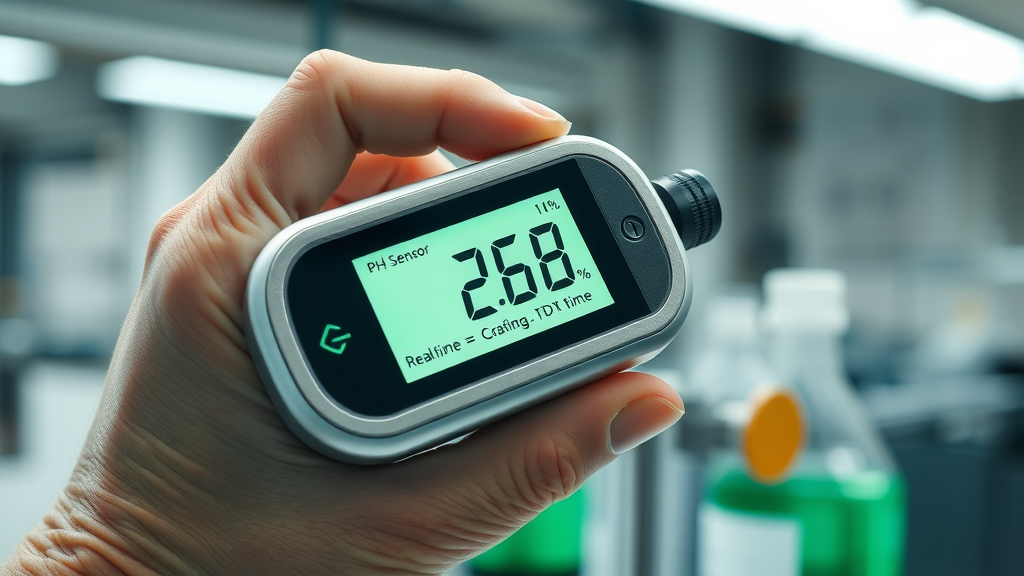
advanced digital pH sensor displaying real-time results for California mandate compliance

What You'll Gain by Staying Ahead: Opportunities and Competitive Advantage

  • Enhanced sustainability reputation

  • Lower liability risk

  • Increased operational efficiency

  • Access to eco-focused funding opportunities

Staying ahead of the California pH balancing mandate transforms compliance from a challenge to a springboard for growth. Whether you operate in San Francisco , Los Angeles , or smaller communities, demonstrating a strong environmental track record opens doors to preferred suppliers, public-private partnerships, and even green investment capital aimed at businesses that lead in water conservation . The era when regulatory compliance was seen as a burden is over—now, it’s a building block for strategic advantage.

"Staying ahead of California’s pH balancing mandate isn’t just about compliance—it’s about leadership in public health and sustainability."

Common Questions about California's pH Balancing Mandate

What is the California Safe Drinking Water Act?

The California Safe Drinking Water Act is a state-level law that sets water quality standards for all public and private water systems, ensuring California residents have safe, potable water. The Act mandates frequent water testing, the establishment of action levels for contaminants (including pH), and swift response to violations, with oversight from the state water board. This legislation forms the legal backbone for much of California’s broader environmental regulatory landscape.
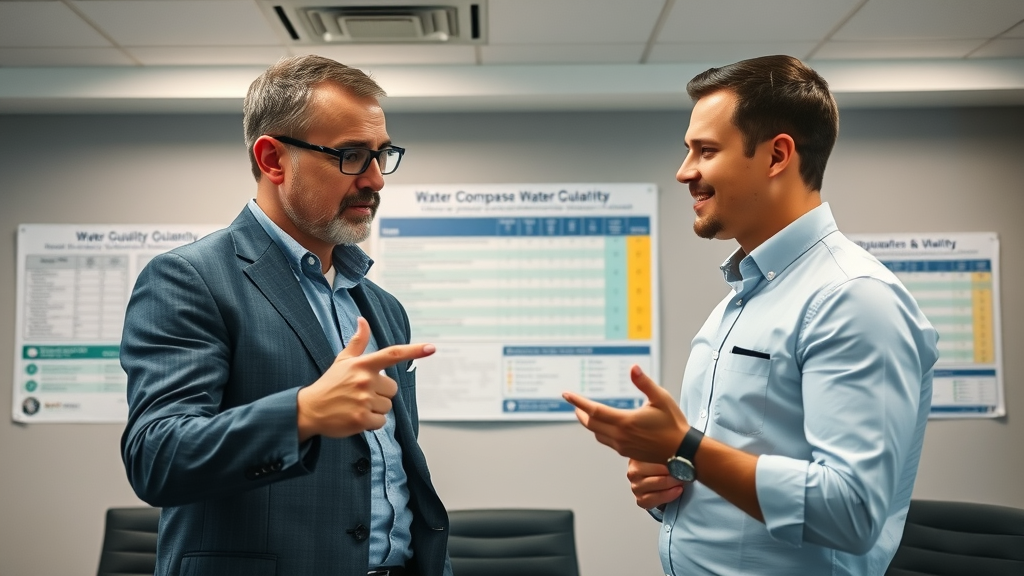

regulatory compliance expert and business owner discussing water quality requirements in California

Why is California restricting water?

California restricts water use due to recurring drought conditions, population growth, and climate change impacts. The state’s aggressive water conservation priorities aim to stabilize supplies for agriculture, urban water users, and wildlife. Restrictions also help protect critical water resources, maintain ecological balance in coastal and riverine environments across Southern California, and meet the needs of growing metropolitan populations in cities such as San Francisco and Los Angeles.

What is the pH of tap water in California?

Tap water pH in California typically ranges between 6.5 and 8.5, aligning with federal EPA and state standards for potable water. Municipal water suppliers are required to monitor and report pH levels regularly, ensuring safe distribution through urban water systems. Slight variations occur based on local geology, water source (such as surface water or groundwater), and specific treatment processes.

Has California issued permanent water restrictions to its residents?

While California has implemented periodic statewide water restrictions in response to drought emergencies, most measures, such as outdoor watering limits or urban water rationing, have not been made permanent across the entire state. Local water suppliers and authorities may impose ongoing restrictions in especially dry regions, but the state renews or modifies policies annually to respond to current water conditions.

Frequently Asked Questions

  • What penalties exist for violations? Violations of the pH balancing mandate can result in fines up to $25,000 per day, additional regulatory actions, and potential loss of operational permits.

  • How does the mandate affect small businesses? Small businesses must equip adequate compliance systems but may qualify for technical support or grants to offset costs, depending on their sector.

  • Are there state grant programs for compliance tech? Yes, California offers occasional grants and incentives for small and medium-sized businesses investing in digital monitoring and water conservation technologies—check with your local water board for application details.


Diverse business professionals discussing pH tests with colorful charts at a modern conference table.

Stay Compliant: Secure Your Business’s Future with a Free Compliance Assessment

Don’t wait for an inspection—schedule your free compliance assessment today and keep your business ahead of California's next regulatory curve.
Schedule Your FREE Compliance Assessment | (800) 690-2436 | https://csienvironmentalinc.com/

Conclusion

Act now: audit your processes, invest in smart technologies, and demonstrate your commitment to public health and sustainability—your business and community will thank you.

Sources

  • California State Water Resources Control Board – https://www.waterboards.ca.gov/

  • U.S. Environmental Protection Agency – https://www.epa.gov/

  • California Environmental Protection Agency – https://calepa.ca.gov/

  • California Air Resources Board – https://ww2.arb.ca.gov/

  • CSI Environmental – https://csienvironmentalinc.com/

After reviewing the available information, it appears that there is no specific mandate referred to as “California’s pH balancing mandate.” However, California has implemented various water quality regulations that include pH monitoring requirements. For instance, the Central Valley Regional Water Quality Control Board has established water quality objectives for pH and turbidity, aiming to maintain pH levels within a specified range to protect water resources. ( water.waterboards.ca.gov )

Additionally, California has adopted comprehensive water conservation frameworks to address ongoing drought conditions and promote sustainable water use. These measures involve individualized water-use targets and conservation goals for urban water suppliers, contributing to the state’s broader environmental and public health objectives. ( h2oiq.org )

While there may not be a singular “pH balancing mandate,” these regulations collectively emphasize the importance of maintaining appropriate pH levels in water systems to safeguard public health and the environment.
Regulatory News

0 Comments

Write A Comment

*
*
Related Posts All Posts
01.14.2026

One Mistake in NPDES Permit Compliance Could Cost You Thousands

Did you know a single overlooked detail in your NPDES permit compliance can trigger fines exceeding $50,000 per day? For site managers and environmental health and safety professionals, understanding compliance isn’t just about following the law—it’s about protecting your facility’s future and the environment we all share Why NPDES Permit Compliance Is Critical for Facilities For any industrial or municipal facility that discharges water, NPDES permit compliance is non-negotiable. Under the Clean Water Act, the national pollutant discharge elimination system (NPDES) governs how pollutant discharge enters the surface waters of the United States. With non-compliance potentially resulting in fines, criminal charges, or even operational shutdowns, the stakes couldn’t be higher. Getting NPDES permit compliance right safeguards not only your organization’s legal standing but also its reputation. Beyond monetary penalties, violations may lead to public scrutiny and jeopardize your partner relationships. The cost of a permit oversight—late reporting, improper monitoring, or subpar discharge control—quickly outweighs the effort invested in proper environmental compliance. As the regulatory landscape tightens and public awareness grows, facilities must adopt a proactive stance for maintaining water quality and protecting their business from unnecessary risk. "A single oversight in your NPDES permit compliance program can lead to costs ranging from heavy fines to operational shutdowns—making diligent compliance not just an option but a necessity." What You'll Learn About NPDES Permit Compliance The fundamentals of NPDES permit compliance Common mistakes and how to avoid them Regulatory requirements and best practices Industry-specific compliance insights Steps for successful permit application and monitoring Understanding the National Pollutant Discharge Elimination System (NPDES) Permit What Is an NPDES Permit and Why Is NPDES Permit Compliance So Important? An NPDES permit is the legal authorization facilities need to discharge pollutants from a point source—like pipes, ditches, or industrial outlets—directly into waters of the United States. This system, created under the Clean Water Act, plays a pivotal role in ensuring only monitored and approved effluents enter our nation’s surface waters. Whether a factory, wastewater treatment plant, mine, or agricultural facility, those subject to the npdes permit program must control the type and quantity of discharges, routinely monitor and report them, and meet all their environmental regulations. Failing to maintain NPDES permit compliance jeopardizes local water quality, can threaten human health, and invites substantial regulatory penalties. As discharge limits and standards grow ever more strict, the importance of rigorous compliance—spanning precise permit application paperwork to accurate, timely monitoring and reporting—cannot be overstated for site managers and compliance teams alike. To further strengthen your facility’s compliance efforts, it’s helpful to understand how environmental consulting services can support NPDES permit management, from application to ongoing monitoring. For a closer look at how expert guidance can streamline your compliance process, explore the range of environmental solutions offered by CSI Environmental Inc. How the Elimination System Protects Water Quality and Prevents Water Pollution The National Pollutant Discharge Elimination System was established to protect our clean water resources. By regulating what can go from point sources into our lakes, rivers, and streams, the system aims to prevent water pollution at its source—before community health and biodiversity are put at risk. Because the NPDES program covers a substantial spectrum of pollutants and requires dischargers to adhere to strict effluent limits, it is pivotal to sustaining safe and vibrant water ecosystems. Facility permittees must routinely sample and analyze their discharges, reporting to state or EPA regulators as outlined on the official website. A missed monitoring report or out-of-bound contaminant can set sophisticated enforcement actions into motion. Compliance with the elimination system not only aligns with legal mandates but reflects a larger commitment to water act protections that underpin public trust and resource stewardship. Comparison of NPDES Permit Types, Key Compliance Requirements, and Potential Penalties Permit Type Key Compliance Requirements Potential Penalties for Non-Compliance Individual NPDES Permit Site-specific effluent limitsRegular monitoring and reportingAnnual compliance inspection Up to $56,460 per violation per dayMandatory corrective actionLegal injunctions and reputational harm General NPDES Permit Standard requirements by activity sectorSimplified applicationGroup monitoring protocols Fines and corrective action ordersSuspension of permit eligibilityShut-downs for severe noncompliance Stormwater Permit Stormwater pollution prevention plansSite inspection logsAnnual certification reports Financial penaltiesProject delaysRemediation requirements Core Elements of NPDES Permit Compliance Permit Application: Meeting Environmental Regulations and Deadlines Applying for an NPDES permit is a detailed, legally binding process. Site managers must gather operational data, detail potential pollutant sources, and map all water pathways leaving their facility—down to each discrete conveyance. The permit application must demonstrate full understanding of pollutant types, proposed controls, and compliance with all relevant environmental regulations. Missing a deadline or submitting incomplete data can derail production schedules and delay approvals for months. Successful applications reflect an in-depth knowledge of the npdes program requirements: discharge characterization, best management practices, and plans for ongoing monitoring. Always use secure websites (those that use https) when submitting documentation, as these are required for confidentiality and compliance with the EPA’s digital protocols. Consulting with environmental professionals or legal experts can ensure applications withstand scrutiny and align with changing regulatory expectations. Monitoring and Reporting Under NPDES Compliance Once a permit is issued, a rigorous schedule of monitoring and reporting begins. Permittees must routinely sample discharge water, track a spectrum of quality indicators (such as pH, chemical oxygen demand, and pollutant levels), and submit detailed records by stated deadlines. Any monitoring report deviation—whether a late report or missing measurement—can trigger enforcement actions and costly penalties. Best-in-class facilities embrace advanced digital tracking tools, real-time monitoring stations, and automated data submission platforms to streamline compliance. It's essential for compliance teams to stay on top of rapidly evolving reporting standards, which the EPA’s official website frequently updates. For site managers, setting up clear internal protocols ensures that each sample and submission protects both water quality and the organization’s bottom line. Best Practices for Environmental Compliance in NPDES Permits Proactive management is crucial for maintaining effective environmental compliance. Start by delivering robust staff training, ensuring every employee recognizes the importance of accurately following NPDES permit compliance procedures. Regular reviews of compliance records, updating operational plans as requirements shift, and rigorously maintaining all equipment involved in sampling and data collection significantly reduce risk. Partnering with external consultants or certified NPDES professionals brings an additional layer of assurance. They help identify compliance gaps, recommend up-to-date corrective actions, and offer advanced solutions for challenging discharge scenarios. Implementing detailed corrective action plans quickly after any adverse monitoring result can prevent further violations and major penalties—securing ongoing success for your facility's operations and reputation. Common Mistakes That Could Jeopardize NPDES Permit Compliance Failure to submit required reporting Missed monitoring deadlines Misunderstanding permit conditions Incomplete pollutant discharge control measures Lack of staff training on water quality protocols These pitfalls may seem minor—but each one can rapidly escalate into major challenges for your operation. Failing to submit a required monitoring report on time or overlooking a sampling protocol can not only result in fines but may also require extensive corrective action. Misunderstanding specific permit conditions often leads to unintentional non-compliance, so updating internal training and reference materials is vital. Finally, incomplete discharge control or under-trained staff members can turn a minor oversight into a costly, high-profile violation. Site managers should foster a culture of compliance awareness, encourage open communication regarding procedures, and regularly review all NPDES permit documentation. By prioritizing accurate reporting and empowering teams with current knowledge, facilities avoid expensive setbacks while consistently aligning with state and federal environmental regulations. Industry Requirements: Who Needs NPDES Permits and Why Industries Typically Requiring NPDES Compliance While npdes permit requirements initially focused on large municipal and industrial sites, today’s scope reaches across dozens of sectors. If your facility produces process wastewater, manages stormwater from industrial activity, or engages in activities likely to impact surface waters, NPDES compliance likely applies. This includes industries such as wastewater treatment, industrial manufacturing, mining, construction, and large-scale agriculture or animal farming. The key consideration is whether a facility is a point source of pollutants under the definitions set out in the clean water act. Consulting with state agency officials or credible environmental professionals helps ensure you identify every regulated activity at your site and submit the necessary permits for legal, safe operation. Key Factors Influencing NPDES Permit Application Processes Securing an NPDES permit isn’t a checklist—it’s an evolving process shaped by location, discharge type, and the latest environmental regulations. Regional differences, local impairments (like sensitive watersheds), and the nature of your facility’s prevailing pollutants dramatically influence the complexity of the permit application. Facilities that discharge to protected or impaired waters face stricter effluent limits and closer scrutiny during the review and compliance evaluation process. Pre-permit planning should include a thorough site assessment and early dialogue with regulatory agencies. Internal project teams must outline possible pollutant sources, mitigation strategies, and discharge reduction plans that exceed “just enough” compliance. Investing in pre-application audits and engaging NPDES compliance specialists minimizes approval bottlenecks—ensuring operations stay ahead of deadlines and evolving standards. Video Explainer: The Importance of NPDES Compliance for Water Pollution Prevention Government Oversight and Compliance Evaluation Under the NPDES Compliance Monitoring Program What Happens During a Compliance Evaluation? Every NPDES-permitted facility is subject to regular compliance evaluations conducted by state or EPA officials. These evaluations involve detailed inspections of plant operations, review of monitoring and reporting records, physical sampling of active discharges, and discussion with on-site staff. Evaluators use comprehensive checklists to determine if the site meets all permit conditions and water quality standards. Site teams should always maintain a state of readiness—ensuring records are up to date, staff can quickly locate required documents, and every discharge meets the limits dictated by your permit. Thorough preparation speeds an evaluation, gives a positive impression of your compliance program, and avoids the undesirable consequences of non-compliance findings. Consequences of Failing an NPDES Compliance Evaluation The ramifications of failing a compliance evaluation are substantial. Regulatory agencies may issue immediate violation notices, trigger monetary fines for each day of infraction, or require extensive corrective action plans before a facility can resume permitted activities. For repeated or severe violations, the government may suspend or revoke npdes permits—halting operations until full compliance is restored. These regulatory actions don’t only affect your bottom line but can also erode public trust, delay projects, and even impact insurance and investor confidence. For managers and compliance professionals, the answer is clear: establish bulletproof reporting, stay educated on new rules, and conduct regular internal audits before government inspectors arrive. Checklist for Maintaining Accurate Monitoring and Reporting Records Essential Record Frequency Responsible Party Discharge Sampling Data Weekly/Monthly Lab Technician / Compliance Officer Monitoring Reports Monthly/Quarterly Environmental Manager Equipment Calibration Logs Quarterly Maintenance Manager Training Attendance Records Semi-Annually HR / Safety Manager Incident & Corrective Action Reports As Needed Compliance Officer The Impact of NPDES Permit Compliance on Water Quality and Public Health How NPDES Permits Reduce Environmental and Human Health Risks NPDES permit compliance is vital not only for avoiding penalties but also for safeguarding the environment and public health. Proper control of pollutant discharge ensures that harmful substances—ranging from heavy metals to pathogens—do not enter drinking water supplies, recreational waters, or fragile aquatic habitats. By adhering to stringent npdes compliance guidelines, facilities play a major role in keeping local lakes, rivers, and streams clean for communities and wildlife alike. This system has been pivotal in transforming polluted waterways into thriving ecosystems across the United States. Consistent and thorough compliance, especially from high-risk industries, acts as the front line in the fight against water pollution and the spread of waterborne illnesses. Managers committed to full compliance demonstrate not just regulatory adherence but a genuine investment in the well-being of local residents and ecosystems. People Also Ask: NPDES Permit Compliance What is NPDES compliance? NPDES compliance means strictly adhering to the requirements of the National Pollutant Discharge Elimination System, ensuring that pollutant discharge into U.S. waters is regulated, monitored, and reported in accordance with state and federal guidelines. What are environmental compliance requirements? Environmental compliance requirements encompass the various regulations, permits, and practices mandated by authorities to protect environmental quality—including NPDES permit compliance for water pollution control. What industries need NPDES permits? Industries such as wastewater treatment, industrial manufacturing, mining, agriculture, and construction commonly need NPDES permits to regulate their pollutant discharge. What is involved in a compliance evaluation under the NPDES compliance monitoring program? An NPDES compliance evaluation typically includes inspections, review of records, sampling of discharges, and assessment of permit conditions to ensure compliance with pollutant discharge requirements. Case Study: How One Facility Avoided Substantial Fines Through Rigorous NPDES Permit Compliance Effective Strategies for Continuous NPDES Permit Compliance Conduct regular self-audits and compliance assessments Maintain updated training programs for staff Invest in robust monitoring and reporting technologies Consult with NPDES permit professionals Implement corrective actions promptly Each of these steps forms the backbone of a resilient, futureproof compliance program. Regular self-audits and effective staff training create a cycle of continuous improvement and risk prevention. Investing in technology reduces reporting errors, while using outside expertise keeps your compliance strategies aligned with the latest EPA regulations and "best practices for environmental compliance." Addressing identified weaknesses with immediate corrective action is crucial—timeliness can mean the difference between a small issue and a costly violation. For site managers and EHS professionals, it’s not just about ticking boxes—it’s about integrating these strategies into the fabric of daily operations to protect your organization and the water resources your community depends on. Quotes from Industry Experts on Successful NPDES Permit Compliance "Consistent attention to NPDES compliance is essential for operational continuity and environmental stewardship." — Environmental Compliance Manager Key Takeaways for Site Managers Ensuring NPDES Permit Compliance Minor oversights can lead to major penalties Continuous monitoring is vital Compliance ensures environmental safety and business reputation Frequently Asked Questions About NPDES Permit Compliance What are the penalties for NPDES non-compliance? Penalties can reach tens of thousands of dollars per violation per day, may include mandatory corrective actions, and in severe cases, suspension or revocation of your permit. Can permits be revised mid-term? Yes, permits can often be revised if your operational characteristics change significantly—but the process requires regulatory approval and updated compliance planning. How frequently must reports be submitted? Reporting frequency varies by permit and industry but is typically monthly or quarterly as specified by your NPDES permit conditions. What are common red flags in compliance evaluations? Missing or incomplete records, missed monitoring deadlines, and staff unfamiliarity with permit requirements are major warning signs for evaluators. Next Steps: Get a Compliance Assessment for Your Facility Call Us (800) 690-2436 to arrange your NPDES permit compliance assessment and safeguard your operation from costly mistakes. Looking for a Reverse Osmosis Desalination solution? | Call Us (800) 690-2436 Sources EPA – NPDES Permit Program Basics EPA – Compliance Monitoring Program EPA – Water Pollution Control OSHA Environmental Regulations If you’re ready to take your facility’s environmental stewardship to the next level, consider exploring how a holistic approach to compliance can drive operational excellence and long-term sustainability. By leveraging the expertise and resources available through CSI Environmental Inc, you can access advanced strategies and tailored solutions that go beyond basic permit requirements. Whether you’re seeking to optimize your monitoring systems, enhance staff training, or proactively address emerging regulatory changes, partnering with industry leaders can help future-proof your operations. Discover how a comprehensive compliance strategy not only protects your business but also contributes to a cleaner, safer environment for all. Conclusion: One overlooked detail in your NPDES permit compliance can mean the difference between business success and costly, disruptive penalties. Proactive planning and regular assessment are your best protections—take action today. Ensuring strict adherence to NPDES permit compliance is crucial for protecting water quality and avoiding substantial penalties. The U.S. Environmental Protection Agency (EPA) provides comprehensive resources to assist facilities in understanding and meeting these requirements. The EPA’s “NPDES Permit Basics” page offers a detailed overview of the permit program, including application procedures, compliance obligations, and enforcement mechanisms. This resource is invaluable for facilities seeking to grasp the fundamentals of NPDES permits and their role in safeguarding water resources. (epa.gov) Additionally, the “Clean Water Act (CWA) Compliance Monitoring” page outlines the EPA’s strategies for ensuring adherence to clean water laws. It covers various compliance monitoring techniques, such as inspections and data reviews, providing insights into how the EPA and its partners work to maintain water quality standards. (epa.gov) For facilities operating in California, the “Understanding California NPDES Permit Compliance and EPA Penalties for Non-Compliance” article delves into state-specific requirements and potential penalties for non-compliance. It emphasizes the importance of adhering to permit conditions to avoid significant fines and legal actions. (aquaticbioassay.com) By consulting these resources, facilities can enhance their understanding of NPDES permit compliance, implement effective monitoring and reporting practices, and mitigate the risk of costly violations.

01.12.2026

Stop Waiting—EPA Wastewater Compliance Made Easy Today

Did you know that nearly one-quarter of industrial facilities in the United States fail to comply with basic EPA wastewater standards—risking hefty fines, legal trouble, and costly shutdowns? If you’re a site manager, plant manager, or EHS professional, navigating EPA wastewater compliance doesn’t have to be overwhelming Revealing the Need: Why EPA Wastewater Compliance Matters More Than Ever According to a 2023 EPA report, over 6,000 U.S. facilities face enforcement actions annually due to gaps in wastewater treatment compliance—costing millions in fines and remediation costs. "According to the EPA, thousands of facilities are fined every year due to non-compliance with wastewater standards." – EPA Official Website EPA wastewater compliance is more critical than ever. Industrial growth, stricter environmental regulations, and increased public scrutiny mean that site managers can no longer afford to overlook their wastewater treatment obligations. A single misstep not only endangers public health and local ecosystems but can seriously damage your facility’s reputation and operational continuity. Non-compliance triggers both financial penalties and potential shutdowns, as well as negative publicity. Most importantly, meeting EPA wastewater compliance ensures legal protection and shows a strong commitment to community health and safety. For site and plant managers, getting it right is not just about following the law—it's a proactive investment in operational excellence and public trust. What You’ll Learn in This EPA Wastewater Compliance Guide Step-by-step guidance for wastewater treatment compliance How to navigate gov websites for the latest regulations Preparation for EPA audits and assessments Avoidance of common EPA violations If you’re looking for a simple, actionable pathway to complete wastewater treatment compliance, you’re in the right place. This guide delivers practical instructions, online resource navigation tips, audit preparation checklists, and proven strategies for avoiding frequent EPA violations. You’ll gain the confidence to manage compliance internally or work more effectively with outside consultants. With this knowledge, not only will you reduce risks, but you’ll also support a safer, cleaner environment for your community. For those seeking additional hands-on strategies, exploring specialized environmental consulting services can provide tailored solutions for your facility’s unique compliance needs. Learn more about how CSI Environmental Inc supports organizations in achieving and maintaining EPA wastewater compliance through expert guidance and technical support. Understanding EPA Wastewater Compliance: Laws and Standards The Clean Water Act: Foundation of EPA Wastewater Compliance The Clean Water Act (CWA) of 1972 is the cornerstone of all EPA wastewater compliance. This landmark legislation set the foundation for protecting water quality in the United States by regulating pollutant discharges into surface waters, such as rivers, lakes, and streams. For site and plant managers navigating compliance, it’s vital to recognize that the CWA empowered the EPA to create and enforce comprehensive wastewater treatment standards that every industrial and municipal facility must follow. Notably, the law established the National Pollutant Discharge Elimination System (NPDES) permit program, which remains crucial for monitoring, reporting, and controlling wastewater discharges. Beyond the Clean Water Act, a framework of supporting federal and state regulations—like the Safe Drinking Water Act and various industry-specific rules—define discharge limits, monitoring requirements, and compliance protocols. These regulations ensure that water treatment operations remain transparent and aligned with current scientific standards. Managers should regularly consult official government organizations (via gov websites and EPA.gov) for updates, as regulatory thresholds can evolve to address emerging environmental threats or improved technologies. Staying knowledgeable on these foundational laws is the first step in achieving hassle-free EPA wastewater compliance. What Law Allowed the EPA to Establish Wastewater Standards? Overview of relevant legal frameworks for wastewater treatment The authority of the EPA to set wastewater treatment standards directly stems from the Clean Water Act. Since its inception, the Act has guided both the development and enforcement of new regulatory regimes, including the National Pollutant Discharge Elimination System (NPDES). Facility managers must pay close attention to changes in the NPDES permit process and leverage official websites to ensure real-time compliance with current standards. Remember, federal laws are frequently supplemented by state-level regulations—so managers should regularly check both state and federal gov websites for the most up-to-date compliance requirements. Key Milestones in EPA Wastewater Compliance Legislation Year Legislation / Action Significance 1948 Federal Water Pollution Control Act First major U.S. law to address water pollution. 1972 Clean Water Act (CWA) Established EPA authority and NPDES permit system. 1987 Water Quality Act Amendments Expanded requirements for stormwater and industrial wastewater. 2002 Homeland Security Act Included provisions for critical infrastructure protection in water facilities. 2020+ PFAS & Emerging Contaminant Regulations New rules to address modern water treatment challenges. EPA Compliance Demystified: What Does EPA Compliance Mean for Site Managers? Defining Wastewater Treatment Compliance EPA wastewater compliance simply means that a facility strictly follows all federal, state, and local regulations governing wastewater treatment and discharge. For plant and site managers, this translates into comprehensively managing every phase—from initial water treatment and pollutant testing to accurate reporting and timely permit renewals. Staying compliant demands systematic documentation, ongoing staff training, and clear understanding of what the EPA expects via the NPDES permit process. Managers must ensure that best available technology is always in use and that all records are up to date in case of an unannounced inspection or audit. By meeting every EPA requirement, managers minimize disruption, avoid unnecessary fines, and reinforce a proactive culture of environmental stewardship within the organization. Core EPA Water Standards Required for Facilities List: Must-know EPA standards for plant managers Facility managers should be well-versed in key EPA water standards, especially as outlined in the National Pollutant Discharge Elimination System (NPDES) requirements. Standards include: Establishing pollutant discharge limits: Maximum allowable concentrations of contaminants such as nitrogen, phosphorus, heavy metals, and biological materials. Monitoring and recordkeeping: Ongoing sampling, lab testing, and accurate record maintenance as required by your NPDES permit. Regular reporting: Submitting Discharge Monitoring Reports (DMRs) via the official government organization’s online portals. Use of best available technology: Ensuring the facility equipment and operational procedures meet or exceed current regulatory benchmarks. Training and emergency procedures: Staff must be trained to handle spills, system upsets, and emergency notification protocols. EPA Wastewater Standards by Industry Type Industry Major Contaminants Regulated Standard Reference Municipal Wastewater BOD, TSS, nutrients, pathogens Secondary Treatment Regulation Chemical Manufacturing Organic chemicals, solvents, heavy metals Chemical Effluent Guidelines Food Processing Fat, oil, grease (FOG), suspended solids Food Processing Effluent Guidelines Metal Finishing Cyanide, chromium, cadmium, nickel Metal Finishing Effluent Guidelines Pulp & Paper AOX, dioxins, wood fibers Pulp and Paper Effluent Guidelines Navigating Official Gov Websites for EPA Wastewater Compliance Resources Why Official Websites and Gov Websites Use HTTPS for Secure Information Whenever you’re seeking the most recent EPA wastewater compliance updates, always start with an official government organization website—such as EPA.gov. These official websites use HTTPS to safeguard sensitive information. As a best practice, gov website addresses end with .gov and display a padlock icon, signifying that your connection is safely connected to an official government resource. Using secure websites ensures that the information you share—whether uploading compliance documentation or downloading sensitive regulatory updates—remains private. HTTPS encrypts your communication with the server, preventing anyone from intercepting or altering data exchanged between your browser and the gov website. Always confirm the site belongs to an official website of the United States government by checking for clear government branding and security features. This level of trust is only found on websites that have been thoroughly vetted, regularly maintained, and officially sanctioned by states government authorities. Tips for Finding Reliable EPA Wastewater Compliance Resources Online Identify authentic EPA wastewater compliance guidance by bookmarking trusted gov websites. The EPA’s NPDES portal is your number-one stop for detailed permit, reporting, and enforcement policies. Search for “NPDES permit” or visit your state’s official government website for state-specific water treatment guidelines. When reviewing resource pages, make sure the website belongs to an official website—look for .gov extensions, clear federal or state seals, and up-to-date publication dates. Many gov websites use https to improve security, further reducing the risk of misinformation. Don’t share sensitive information unless you’re certain you are interacting with a secure, official resource. Having direct links to reputable online resources simplifies compliance research and ensures your facility always uses the latest EPA wastewater treatment insights. Common EPA Wastewater Compliance Violations & How to Avoid Them Failure to secure an up-to-date NPDES permit Exceeding allowable pollutant discharge limits Missing or inaccurate Discharge Monitoring Reports (DMRs) Improper operation or maintenance of water treatment systems Inadequate staff training or lack of emergency plans Poor recordkeeping or lost compliance documentation What Are Common EPA Violations? Common EPA wastewater compliance violations can quickly escalate into costly issues. One of the most frequent infractions is operating without a valid NPDES permit or letting it lapse. Other frequent mistakes include exceeding pollutant discharge elimination system limits, submitting incomplete or erroneous discharge monitoring reports, and failing to install or maintain up-to-date water treatment technology. Site managers can also fall short by neglecting proper operator training or forgetting to update emergency preparedness protocols. Lapses in documentation—such as missing or illegible logs—are also scrutinized in audits. These common EPA violations can all be prevented by regularly seeking guidance from official government websites and instituting strict internal compliance checks at every stage of wastewater treatment operations. Best Practices to Prevent Costly Fines & Non-Compliance Preventing EPA violations starts with a holistic approach to plant management. First, make sure all permits are current and easily accessible. Implement rigorous pollutant monitoring at every point of water treatment, using the latest lab methods. Submit timely, accurate discharge monitoring reports according to your NPDES permit obligations, using the official EPA submission portals. Regularly schedule third-party audits to uncover unintentional mistakes, and organize ongoing staff education tailored to evolving wastewater standards. Keep comprehensive, clearly labeled records on-site; digital backup is highly recommended. When in doubt, consult criminal compliance resources on official government organization websites to avoid misunderstandings. Simple diligence in these areas is the easiest way to ensure your facility is never at risk of shutdown or penalty. Step-by-Step EPA Wastewater Compliance Process for Water Treatment Facilities Checklist for preparing your facility for an EPA audit Getting ready for an EPA wastewater compliance audit requires methodical planning and clear documentation. Here’s a step-by-step checklist to help site managers prepare: Confirm all NPDES permits are active and publicly displayed Collect the last 12 months of Discharge Monitoring Reports Verify calibration and maintenance records for treatment equipment Demonstrate regular staff training sessions and certifications Perform internal mock audits and correct noted deficiencies Update emergency preparedness protocols and spill response plans Maintain digital and hard-copy logs of all compliance actions Establish direct contacts at state and federal EPA offices Use this checklist in tandem with an organized, facility-specific task calendar to ensure continual readiness for scheduled or surprise audits. Staying prepared is the single most effective way to keep your water treatment facility running smoothly—and in full EPA wastewater compliance. Stepwise EPA Wastewater Compliance Action Plan Step Action Resource 1 Secure NPDES Permit EPA.gov NPDES Portal 2 Implement Monitoring Protocols Facility SOPs & Regulatory Guidance 3 Staff Training & Documentation EPA Training Modules; Certification Records 4 Accurate Discharge Reporting EPA e-Reporting Tool; DMR Forms 5 Regular Internal & Third-Party Audits Compliance Checklists; Consultant Reports 6 Ongoing Regulatory Updates EPA.gov Updates; State Gov Websites Essential Documents & Reporting Requirements for EPA Wastewater Compliance Critical documentation site managers must maintain How to submit accurate wastewater treatment reports Keeping impeccable documentation is foundational to epa wastewater compliance. Every site manager must maintain: Active NPDES permits and associated applications 12+ months of discharge monitoring reports (DMRs) Equipment calibration and maintenance logs Employee training records, certifications, and attendance sheets Incident and spill response reports Correspondence with regulatory agencies Copies of any third-party audit results or consultant assessments Success Stories: Achieving EPA Wastewater Compliance—Lessons from Leading Facilities "Our facility’s EPA compliance journey started by leveraging official gov websites for up-to-date information." – Plant Manager, Midwest Facility Key takeaways from compliant facilities Successful epa wastewater compliance stories share a few common threads. Top-performing sites invest in frequent staff training, regularly review the latest regulatory developments through official government websites, and proactively schedule third-party audits for an unbiased perspective. By maintaining digital document storage and responding immediately to identified gaps, these managers catch issues before they become violations. Ultimately, highly compliant facilities are proactive, not reactive—they treat compliance as a continuous improvement journey, backed by reliable information from trusted official website resources. Their example illustrates that commitment to water treatment excellence pays off with operational stability, reputational benefits, and a stronger relationship with regulators and local communities. This animated walkthrough covers the key steps and best practices for achieving full EPA wastewater compliance, breaking down the journey for site managers—from regulatory basics to vital reporting and pro-level auditing tips. People Also Ask: Your Top EPA Wastewater Compliance Questions Answered What law allowed the EPA to establish wastewater standards? Answer: The Clean Water Act (CWA), passed in 1972, empowered the EPA to establish wastewater standards, protecting water quality across the United States. What does EPA compliance mean? Answer: EPA compliance means adhering to all relevant environmental laws, regulations, and standards established by the Environmental Protection Agency, especially those concerning wastewater treatment and discharge. What are common EPA violations? Answer: Common EPA violations include exceeding permitted pollutant levels, improper reporting, lack of necessary permits, and failure to use best available technology for wastewater treatment. What are EPA water standards? Answer: EPA water standards define acceptable pollutant levels and treatment requirements for industrial and municipal wastewater, ensuring discharged water does not harm the environment or public health. FAQs: Addressing Concerns about EPA Wastewater Compliance How often do EPA wastewater standards change? EPA wastewater standards are reviewed periodically—typically every 3 to 5 years—as new scientific data emerges and technologies evolve. Facilities should monitor official EPA and state gov websites for real-time updates. Can third-party consultants help with water treatment compliance? Yes, third-party consultants offer expertise, perform internal audits, and help facilities interpret new regulatory requirements. Their guidance often helps to catch compliance gaps early and streamline reporting or corrective actions. What is an EPA wastewater compliance audit like? An EPA wastewater audit involves a thorough review of all permits, operational records, sampling results, and facility procedures. Auditors may conduct interviews and follow physical inspection routes to verify equipment and documentation. Key Takeaways for EPA Wastewater Compliance & Water Treatment Facilities Prioritize official website and gov website information for regulatory updates Maintain thorough records to prove wastewater treatment compliance quickly Schedule regular compliance assessments to ensure ongoing adherence Ready for EPA Wastewater Compliance? Get Your Complete Waste Water Assessment Today Don’t let compliance uncertainty disrupt your operations. Get Your Water Disinfection Systems and full compliance assessment today—ensure your facility leads in both safety and regulatory performance. EPA wastewater compliance is just one aspect of a comprehensive environmental management strategy. If you’re interested in elevating your facility’s performance and sustainability, consider exploring broader environmental solutions and industry insights from trusted experts. Discover how a holistic approach to environmental compliance and risk management can drive operational excellence and long-term value by visiting CSI Environmental Inc for advanced resources and guidance tailored to your organization’s needs. Sources EPA National Pollutant Discharge Elimination System — https://www.epa.gov/npdes EPA Water Compliance Resources — https://www.epa.gov/compliance/water-compliance EPA Summary of the Clean Water Act — https://www.epa.gov/laws-regulations/summary-clean-water-act Effluent Guidelines | EPA — https://www.epa.gov/eg To enhance your understanding of EPA wastewater compliance, consider exploring the following authoritative resources: The EPA’s official page on Clean Water Act (CWA) Compliance Monitoring offers comprehensive information on wastewater management, including municipal overflows, stormwater management, and pretreatment programs. The Water Enforcement Policy, Guidance, and Publications page provides detailed policy and guidance documents related to the enforcement of clean water and drinking water regulations. These resources will provide you with in-depth knowledge and practical tools to ensure your facility remains compliant with EPA wastewater regulations.

01.11.2026

What You Must Know About Industrial Effluent Treatment Regulations

Did you know that over 80% of the world’s wastewater flows back into the environment untreated, posing severe risks to both people and ecosystems? This alarming fact highlights the growing importance of industrial effluent treatment regulations for facilities of all sizes Industrial Effluent Treatment Regulations: A Critical Overview Industrial effluent treatment regulations are the backbone of responsible manufacturing and industrial processes worldwide. These regulations directly address the collection, treatment, and disposal of industrial wastewater to ensure it does not pose a threat to human health or the ecosystem. Adhering to these rules minimizes the risk of water pollution, reduce fines, and support the long-term operation of every treatment plant and process. Site managers and EHS professionals who stay well-informed on local and international effluent guidelines can avoid the costly consequences of non-compliance while also demonstrating corporate leadership in environmental stewardship. From water discharge permits to the advanced monitoring of water treatment systems, meeting industrial effluent treatment regulations ensures both sustainability and business continuity. With the global tightening of environmental standards, the focus on more stringent effluent limitation guidelines and adaptable wastewater treatment processes is increasing. Many nations, including the United States, require a National Pollutant Discharge Elimination System (NPDES) permit before any wastewater is released into surface waters. Regulatory authorities expect regular assessment, investment in advanced treatment technologies, and documentation for every stage of your wastewater discharge. Understanding this critical landscape can help site managers and plant operators proactively align with best practices, safeguarding not only their operation but also their community’s clean water supply. "Over 80% of the world’s wastewater flows back into the environment untreated, posing severe risks to both people and ecosystems." What You'll Learn About Industrial Effluent Treatment Regulations Key concepts behind industrial effluent treatment regulations Required treatment processes for compliance Best practices for site managers and EHS managers Regional and international standards Industry guidance and resources Defining Industrial Effluent Treatment Regulations What Are Industrial Effluent Treatment Regulations? Industrial effluent treatment regulations are specialized legal standards that govern how manufacturing plants and industrial facilities manage, treat, and release wastewater (also known as effluent). Set by national and regional authorities, these rules set effluent limitations—the maximum amount of specific pollutants that can be legally released into surface waters. The aim is to protect human health and ensure the safety of rivers, lakes, and oceans by keeping harmful substances, such as heavy metals or toxic chemicals, below dangerous levels. For site managers, a clear understanding of these regulations is crucial to obtaining operational permits and avoiding environmental violations. The U.S. Environmental Protection Agency (EPA), for example, administers the Clean Water Act, which requires industries to treat their wastewater—often at treatment plants—before any water discharge can occur into public waterways. In essence, industrial effluent treatment regulations act as the gatekeepers for safe, sustainable industrial growth by keeping water pollution in check and supporting healthier communities. The Role of Wastewater Treatment and Water Treatment in Industry Wastewater treatment forms the core defense against water pollution in all industrial activities. Efficient wastewater treatment plants use advanced chemical, physical, and biological processes to remove or neutralize harmful substances found in industrial waste streams. The most successful facilities combine primary, secondary, and often tertiary treatment processes—such as sedimentation, filtration, and activated sludge systems—to ensure treated water complies with effluent limitation guidelines before any discharge occurs. Water treatment is equally vital, as many industrial sites rely on a constant supply of clean process water. A strong water treatment and control program doesn’t just meet regulatory demands—it enhances operational efficiency, reduces costs, and extends equipment lifespan. Ultimately, the environmental and operational benefits of robust wastewater and water treatment processes make regulatory compliance a win-win for industry. For a deeper dive into how advanced water filtration systems can directly support compliance with evolving effluent guidelines, explore the solutions and expertise offered by CSI Environmental Inc. Their approach to industrial water treatment highlights practical steps for meeting regulatory requirements and optimizing plant performance. Difference Between Industrial Waste, Industrial Wastewater, and Effluent Understanding the distinctions among industrial waste, industrial wastewater, and effluent is vital for plant operators and EHS professionals. Industrial waste includes all unwanted or residual materials generated by manufacturing, such as chemical byproducts, metals, or scraps. Industrial wastewater refers specifically to the liquid waste generated during production, which can contain dissolved metals, chemicals, and particulates. Effluent is the treated liquid that exits the facility, ideally after passing through treatment plants designed to meet regulatory standards. Effluent is what’s directly released into surface waters such as rivers, lakes, or oceans—hence effluent guidelines focus on its quality. Reliable classification and management of these waste types are non-negotiable for regulatory compliance and effective environment protection. Why Industrial Effluent Treatment Regulations Matter Environmental Impact of Wastewater Discharge The environmental risks posed by untreated or inadequately treated wastewater discharge are significant. When industrial effluent is released without meeting strict effluent limitation guidelines, harmful substances can enter surface waters, leading to serious ecological damage. Pollutants such as heavy metals, oils, solvents, and biological contaminants can cause water pollution, endanger aquatic life, contaminate drinking water sources, and disrupt natural ecosystems. Studies show that effective industrial wastewater treatment not only improves the quality of receiving waters but is also crucial for safeguarding public health, especially for communities living near industrial hubs. Plant and site managers are frontline guardians, making their knowledge of water treatment and pollutant discharge controls essential for a healthier planet. Legal and Financial Risks for Non-Compliance Failure to comply with industrial effluent treatment regulations can lead to severe financial penalties, legal action, mandatory shutdowns, and reputational harm. Regulatory bodies like the Environmental Protection Agency in the United States enforce strict standards, and non-compliance may result in revoked NPDES permits, denial of future permits, or lawsuits from affected communities. The Clean Water Act empowers authorities to levy substantial fines for each day of violation, which can quickly accumulate into millions for persistent offenders. Moreover, remediation costs for cleaning contaminated surface waters often dwarf the initial investment required for upgrading treatment plants. For managers, staying proactive with compliance assessments is the most cost-effective strategy—turning regulatory management into a value proposition, rather than a business threat. Key Components of Industrial Effluent Treatment Regulations Effluent Limitation and Effluent Guidelines Explained At the heart of industrial effluent treatment regulations are effluent limitation guidelines (ELGs), which set enforceable criteria on the types and concentrations of pollutants allowed in discharged wastewater. These guidelines are determined by regulatory agencies—such as the US EPA—based on available treatment technologies and actual performance of treatment plants. ELGs are tailored to specific industrial categories, accounting for the unique process water and waste profiles of sectors such as chemicals, food processing, or textiles. The creation of these guidelines involves both best available technology reviews and risk assessments to balance operational needs with environmental safety. For plant managers and EHS leaders, understanding these performance benchmarks helps in selecting the most effective control technologies and treatment processes for their facility’s unique needs. Standards for Wastewater Discharge and Water Discharge Besides effluent limitations, industrial wastewater regulations specify water discharge standards to ensure that any effluent released to public sewers, surface waters, or the environment meets minimum quality requirements. These standards typically address chemical oxygen demand (COD), total suspended solids (TSS), pH, toxic metals, and other common indicators of water pollution. Permit holders must submit documentation and monitoring reports to prove compliance. Any exceedance triggers corrective actions, and repeated violations can lead to more stringent oversight or even facility closure. A robust operational understanding of wastewater discharge standards transforms compliance from an administrative burden into a powerful business protection strategy. Overview of Effluent Limitation Guidelines Effluent limitation guidelines are more than just a checklist—they represent a living framework of best practices and control technologies for pollution prevention. These national guidelines define what is technically possible and economically achievable for each industry group, often reviewed and updated to reflect emerging threats or new treatment technologies. For instance, the EPA periodically reassesses ELGs to incorporate innovations in water treatment, address new classes of pollutants, or raise performance of treatment plants across the country. Internationally, equivalent systems exist (such as the EU’s Water Framework Directive). Staying updated with these evolving guidelines keeps site managers ahead of the curve and minimizes disruption from unforeseen regulatory changes. Understanding Industrial Effluent Guidelines: U.S. and Global Perspectives United States EPA: Effluent Guidelines and Limitation Guidelines The United States has one of the most robust frameworks for industrial effluent treatment regulations, administered under the Clean Water Act by the EPA. Key components include effluent guidelines for over 50 industrial categories and the NPDES permit system. The guidelines specify allowable pollutant limits and required wastewater treatment performance based on the most effective, economically feasible control technologies. Regular compliance monitoring, permit renewals, and the submission of discharge reports are required from all permitted facilities. Site and plant managers must align their treatment process and documentation with these national standards to avoid penalties and contribute to the ongoing improvement in surface water quality across the country. International Approaches to Pollutant Discharge Standards Globally, approaches to pollutant discharge standards differ widely based on ecosystem vulnerability, local regulations, and technological capabilities. The European Union enforces the Water Framework Directive, harmonizing policies across member states. Many Asian nations have adopted more stringent standards in recent years due to mounting environmental pressure and urban growth, mandating modern treatment plant upgrades in rapidly industrializing regions. While core principles—such as risk-based limits and technology-forcing strategies—are shared, specific parameters and permit cycles may differ. For multinational manufacturers, tracking both local and global requirements is essential for cross-border compliance and risk management. Comparison of Industrial Effluent Guidelines: U.S. vs. Europe vs. Asia Region Main Regulation Effluent Limit Parameters Review Cycle Enforcement United States Clean Water Act (NPDES, EPA ELGs) Chemical Oxygen Demand, TSS, pH, specific contaminants Every 5–7 years Federal & State Agencies Europe EU Water Framework Directive COD, TSS, priority substances, environmental thresholds Every 6 years National & EU Regulators Asia Varies by country (e.g., China’s Discharge Standards, India’s CPCB Norms) National parameters; increasingly in line with EU/US Every 3–5 years National/Local Environmental Agencies The Treatment Process: From Plant to Compliance Overview of Typical Treatment Plants and Treatment Processes Modern industrial wastewater treatment plants blend time-tested and advanced treatment processes to turn contaminated industrial waste into safely dischargeable effluent. Successful facilities start with robust pre-treatment, including physical separation (screening, sedimentation) to remove solids and oils. Following this, biological and chemical processes—such as activated sludge, membrane filtration, or advanced oxidation—target dissolved and persistent pollutants. Today’s plants are increasingly integrating digital monitoring, automation, and real-time reporting to meet strict effluent guidelines and limitation regulations. The ultimate aim: transforming raw industrial wastewater into water that’s safe for release per regulatory water discharge requirements while minimizing disruption to plant operations and environmental risk. Pre-treatment in industrial wastewater treatment Chemical, biological, and physical processes for water treatment Integration of advanced technologies Roles and Responsibilities: Site, Plant, and EHS Managers Monitoring and Maintaining Compliance with Industrial Effluent Treatment Regulations Compliance with industrial effluent treatment regulations is a collaborative responsibility spanning plant managers, site leads, and Environmental Health & Safety (EHS) teams. Success means embedding compliance into daily operations using rigorous routine monitoring, robust recordkeeping, and ongoing staff training. Managers must schedule regular assessments of treatment systems to ensure continued alignment with effluent limitation guidelines and prepare for audits or surprise inspections by regulators. Tracking every stage of the treatment process—from initial influent characterization to final effluent discharge—confers both legal protection and peace of mind, knowing your operation is resilient against costly surprises. Routine monitoring Recordkeeping Training staff Scheduling compliance assessments Common Industrial Wastewater Treatment Challenges Managing Complex Pollutant Loads and Treatment Plant Limitations Even with best practices, industrial wastewater treatment plants frequently confront complex challenges. Emerging pollutants, fluctuating loads, and aging infrastructure can overwhelm treatment plants. Sometimes, the variety or concentration of contaminants exceeds the original design capacity, leading to periods of non-compliance and risking water discharge violations. For managers, anticipating and adapting to these challenges means investing in more robust treatment and control technologies, conducting pilot tests of advanced processes, and working with regulators to establish realistic, incremental goals where necessary. Case Studies: When Effluent Limitation Guidelines Weren’t Met Recent case studies underscore the importance of proactive compliance. For example, a large food processing plant failed to upgrade its biological treatment systems when faced with higher organic loads due to production changes. Exceeding effluent limitations, the plant received fines and was required to report corrective actions—incurring costs greater than upgrading systems would have been. In another case, a textile facility benefited from pilot testing advanced membrane filtration, which enabled consistent compliance with tightening regulations and set a benchmark for performance of treatment practices in its industry sector. Best Practices for Staying Ahead of Effluent Limitation Guidelines Proactive Compliance Assessments and Upgrading Water Treatment Staying ahead of regulatory requirements takes a blend of anticipation, agility, and investment. Regular compliance audits help detect vulnerabilities before regulators do, enabling site managers to plan upgrades without the pressure of enforcement deadlines. Upgrading water treatment systems—whether by retrofitting with advanced oxidation, automating monitoring, or adding tertiary filtration—positions treatment plants to consistently exceed required effluent guidelines. Staff training and fostering a compliance-centric culture ensure operational teams are always ready for both the expected and the unexpected. This proactive approach demonstrates corporate responsibility and can unlock stakeholder trust, positive community relations, and lasting operational savings. "Regular compliance checks and keeping up-to-date with rules help avoid costly shutdowns and fines." People Also Ask: Industrial Effluent Treatment Regulations What is an effluent limitation guideline? Effluent limitation guidelines are industry-specific regulations that set national standards on the discharge of pollutants into water bodies, ensuring that industrial wastewater treats and meets strict environmental requirements before being released. How does industrial effluent impact the environment? Untreated or poorly treated industrial effluent can contaminate water sources, harm aquatic life, increase pollution, and create significant health risks for communities and ecosystems. What are common treatment methods for industrial waste? Typical industrial waste treatment methods include physical, chemical, and biological processes such as sedimentation, filtration, neutralization, activated sludge, and membrane filtration, all designed to comply with industrial effluent treatment regulations. FAQs: Navigating Industrial Effluent Treatment Regulations How often should compliance assessments be performed?Facilities should conduct compliance assessments at least annually, but more frequent reviews—quarterly or monthly—are recommended for high-risk sites or when significant operational changes occur. What are the signs of treatment plant inefficiency?Increasing pollutant levels in effluent, rising operational costs, recurrent equipment breakdowns, and frequent exceedances of permit limits all signal inefficiencies in a treatment plant that require immediate attention. Which regulations apply to multinational manufacturers?Multinationals must comply with the industrial effluent treatment regulations of each country in which they operate, including national and, where applicable, regional or local guidelines. Some global corporations voluntarily adopt the most stringent applicable standards worldwide. What documentation must be maintained for audits?Critical documentation includes discharge monitoring reports, laboratory analyses, maintenance logs, permit copies, training records, and correspondence with regulators. Proper recordkeeping supports audit readiness and streamlines compliance. Key Takeaways for Industrial Effluent Treatment Regulations Know and understand local, national, and international effluent limitation guidelines. Regular compliance checks are essential. Modern treatment processes can ease regulatory burden. Documentation and staff training are crucial for compliance. Conclusion: The Future of Industrial Effluent Treatment Regulations "Efficient wastewater treatment not only ensures regulatory compliance but also fosters community goodwill and long-term sustainability." Get Your Water Filtration Systems to Stay Compliant with Industrial Effluent Treatment Regulations Ready to protect your operation and the environment? Contact us to schedule your compliance assessment and discover the latest in wastewater and sewage treatment plants As you continue to strengthen your facility’s compliance and environmental stewardship, consider broadening your understanding of holistic environmental solutions. The team at CSI Environmental Inc offers a comprehensive perspective on sustainable practices, risk management, and advanced technologies that can elevate your entire environmental program. Exploring their resources can help you stay ahead of regulatory changes and position your organization as a leader in responsible industrial operations. Watch our animated explainer summarizing key regulations, treatment processes, and compliance strategies for industrial wastewater management! Sources US EPA – Industrial Effluent Guidelines US EPA – NPDES Permit Basics European Commission – EU Water Framework Directive Central Pollution Control Board, India World Health Organization – Drinking Water To deepen your understanding of industrial effluent treatment regulations, consider exploring the following authoritative resources: The U.S. Environmental Protection Agency’s (EPA) “Industrial Effluent Guidelines” provides comprehensive national standards for wastewater discharges, detailing technology-based regulations across various industrial categories. (epa.gov) The EPA’s “Effluent Guidelines Implementation & Compliance” page offers insights into the application of these guidelines, including permitting processes and compliance strategies for both direct and indirect dischargers. (epa.gov) These resources will equip you with the necessary knowledge to navigate and adhere to industrial effluent treatment regulations effectively.

Terms of Service

Privacy Policy

Core Modal Title

Sorry, no results found

You Might Find These Articles Interesting

T
Please Check Your Email
We Will Be Following Up Shortly
*
*
*