Add Row
Add Element
cropper
update
{COMPANY_NAME}
CSI Environmental Corp
update
Add Element
update

CALL US

(800) 690-2436

Add Element
update

EMAIL US

CSI-team@chem-serv.com

Add Element
update

WORKING HOURS

Monday - Friday  8 AM - 5 PM

Add Element

Add Element
  • Home
  • Categories
    • Tech Advances
    • Regulatory News
    • Sustainability
    • Case Studies
    • Expert Interviews
    • Cost Efficiency
    • Safety Protocols
  • Services
Add Element
  • update
  • update
  • update
  • LinkedIn
    update
  • update
  • update
  • update
August 12.2025
13 Minutes Read

Why Industrial Waste Water Treatment Chino Hills Matters Today

Did you know that over 80% of global industrial wastewater is released untreated? This alarming statistic underscores the essential role of industrial waste water treatment chino hills in securing a sustainable and safe local water supply. With Chino Hills rapidly evolving into a hub for industrial and urban development, securing water quality is no longer just an environmental concern—it’s a necessity for community health, compliance, and economic growth.

This article will guide you through why immediate attention to industrial waste water treatment chino hills is essential, explore cutting-edge water recycling, reveal key industry trends, and provide actionable steps for choosing the right provider to protect both your operations and the region’s future.
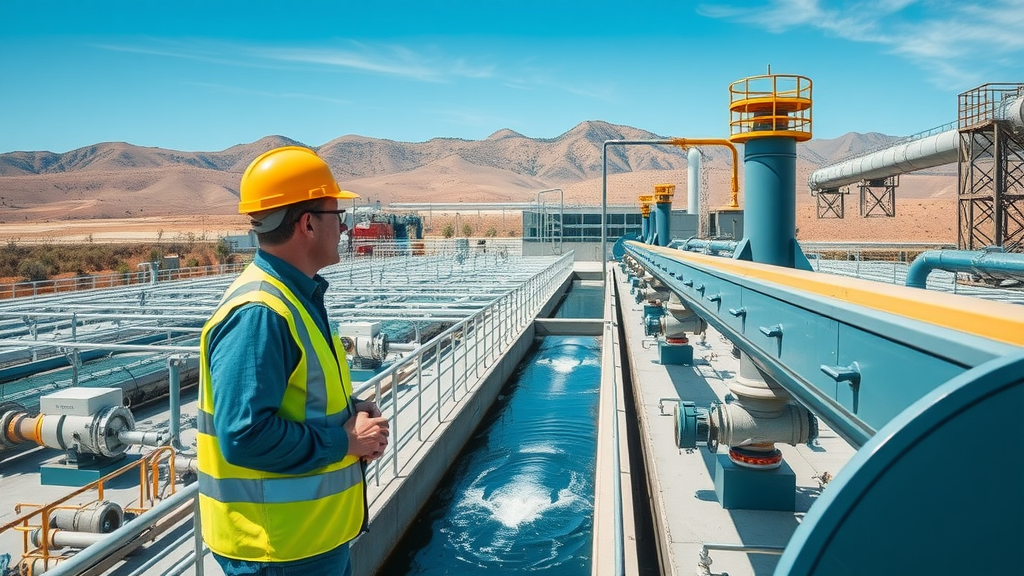

industrial waste water treatment chino hills modern facility engineers safety

Unveiling the Impact: Why industrial waste water treatment chino hills Deserves Immediate Attention

"Over 80% of global industrial wastewater is released untreated—making local solutions like industrial waste water treatment chino hills critical for water sustainability."

The impact of industrial waste water treatment chino hills cannot be understated. In a region that relies heavily on both regional water resources and local industrial growth, untreated wastewater not only endangers the local water supply, but also threatens public health, aquatic ecosystems, and the sustainability of the city’s future. At the heart of this challenge lies the water treatment process , which ensures that harmful chemicals, heavy metals, and organic waste do not pollute communal water resources. By prioritizing comprehensive and advanced treatment, Chino Hills is setting a new standard for responsible water management.

Failure to address industrial wastewater at its source means risking contamination of drinking water , excessive strain on natural water resources , and costly fines due to non-compliance with state water and federal regulations. As local industries expand, the treatment capacity of existing facilities is often tested, driving demand for innovative and scalable solutions that can handle fluctuations in gallons per day and ensure compliance with evolving control board mandates. In this high-stakes context, timely investment in modern wastewater treatment is not just an operational necessity—it’s a community imperative.

How industrial waste water treatment chino hills Elevates Water Quality and Water Recycling Efforts

  • Improved public health through cleaner regional water

  • Compliance with stringent state and federal water quality regulations

  • Driving innovation in water recycling systems and sustainability

  • Boosting industrial efficiency by recycling and reusing water

Industrial waste water treatment chino hills is a pivotal force in elevating water quality and reinforcing water recycling strategies across Chino Hills. State-of-the-art plants integrate advanced water recycling technologies, such as reverse osmosis and membrane filtration , to remove even the most challenging pollutants from the liquid portion of industrial effluent. These advancements not only safeguard public health but also ease pressure on municipal drinking water sources.
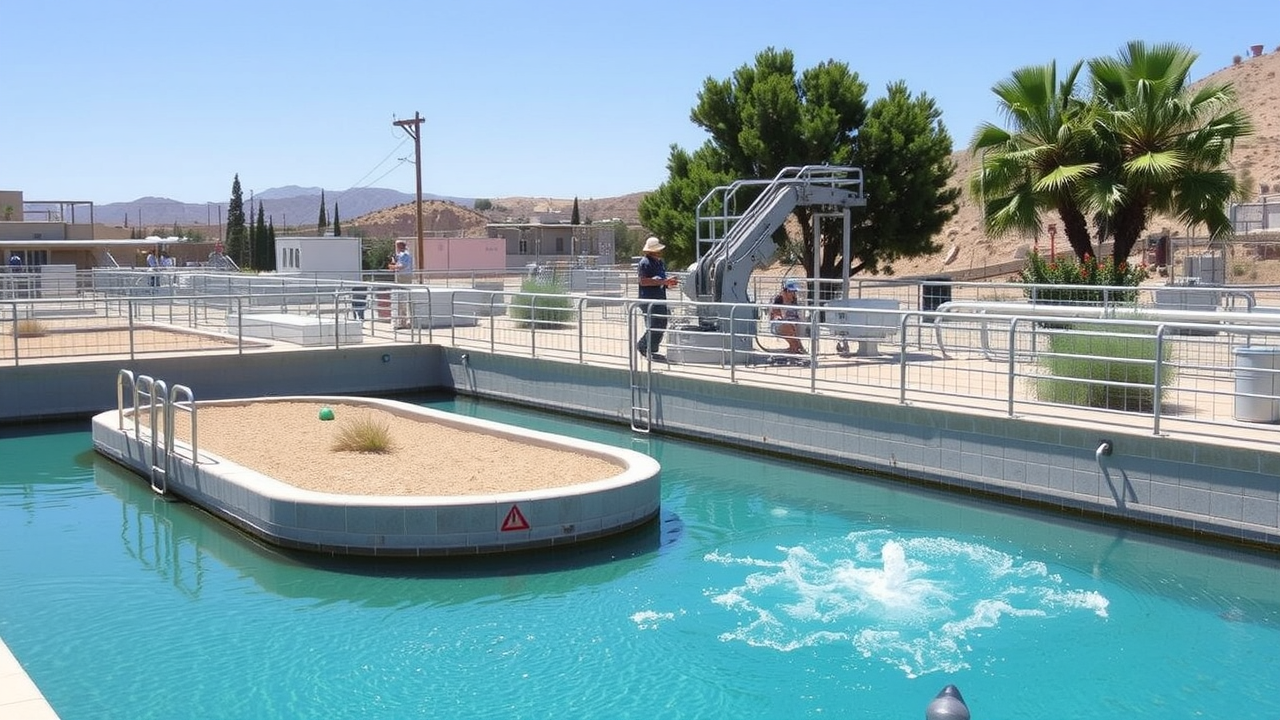

Examining Water Quality Standards and Regulations in Chino Hills

The city of chino and Chino Hills are governed by some of the nation’s strictest water quality mandates. Oversight from agencies such as the state water resources control board and the state water resources control ensures that every stage of the wastewater treatment process —from preliminary screening and grit removal to secondary treatment and tertiary treatment —meets or surpasses state and federal guidelines. These regulations protect both regional water supplies and public health by enforcing discharge limits on industrial contaminants and mandating routine quality testing.

Compliance is not simply a matter of legal obligation; it’s a proactive strategy to prevent fines, ensure uninterrupted operations, and foster trust within the community. Working closely with the state and local water management authorities, facilities in Chino Hills adapt continuously to updated standards. Facility managers and engineers regularly consult the resources control board and remain engaged with new best practices, making the region’s water quality efforts a model for California and beyond.

The Role of Advanced Water Recycling in industrial waste water treatment chino hills

Advanced water recycling has become a cornerstone of industrial waste water treatment chino hills , transforming what was once disposed of as waste into a cornerstone of sustainable water supply. Techniques like membrane filtration , reverse osmosis , and sophisticated biological treatment technologies are leveraged to achieve zero or near-zero discharge systems. These systems allow industries to reuse much of their own effluent, driving down operating costs and supporting the city’s broader water conservation goals.

These methods bring substantial operational savings and promote sustainability by reducing demand on regional water sources. For Chino Hills’s industries, such systems deliver reliable access to clean recycled water for use in manufacturing, cooling, and other non-potable processes. Furthermore, the integration of these innovations enhances Chino Hills’s resilience to drought and evolving regulatory pressures, making cutting-edge water recycling a win-win for both economic vitality and environmental protection.

Treatment Method

Impact on Water Quality

Adoption in Chino Hills

Membrane Filtration

Removes micro pollutants and pathogens

Widely used in local plants

Reverse Osmosis

Produces ultra-pure water for recycling

Applied in select industries

Biological Treatment

Breaks down organic contaminants

Standard in regional water facilities

Evaluating the Treatment Capacity and Regional Water Infrastructure of industrial waste water treatment chino hills

As industrial activity in Chino Hills grows, treatment capacity —the amount of wastewater a facility can process per day—becomes a critical measure of infrastructure health. Most regional plants report average influent volumes in the range of millions of gallons per day , reflecting the needs of both established companies and rapidly expanding industries. Meeting growing demand depends on robust infrastructure, leading to continuous upgrades and investments in regional water projects, booster pumping stations, and distribution networks.

The response to these shifting demands is evident in the scalability and flexibility of modern industrial waste water treatment chino hills facilities. Systems are designed with modular components, so treatment capacity can be ramped up as new businesses launch, or retrofitted to comply with new state water resources standards. As a result, the city and its industries can accommodate demographic shifts, economic development, and emergent environmental considerations, ensuring the integrity of the water supply for decades to come.

City of Chino and Regional Water Projects: Meeting Growing Demands

The city of chino and surrounding areas have invested heavily in strategic regional water and water recycling projects to support both community and industrial requirements. Upgrades to local water treatment stations and the expansion of tertiary treatment sections allow facilities to handle substantially larger gallons per day flows and offer increased reliability in delivering both drinking water and recycled water. By strengthening water infrastructure, Chino Hills is able to support economic growth and protect the local water environment from pollutants.

These projects include the installation of advanced >grit removal<, stormwater control, and resource recovery elements. Together, they ensure that the plant serves not only industrial clients but also residential water users, maximizing community benefit. The result is a collaborative network that can withstand fluctuations, population spikes, and evolving regulations, creating a blueprint for sustainable, long-term water management in Southern California.
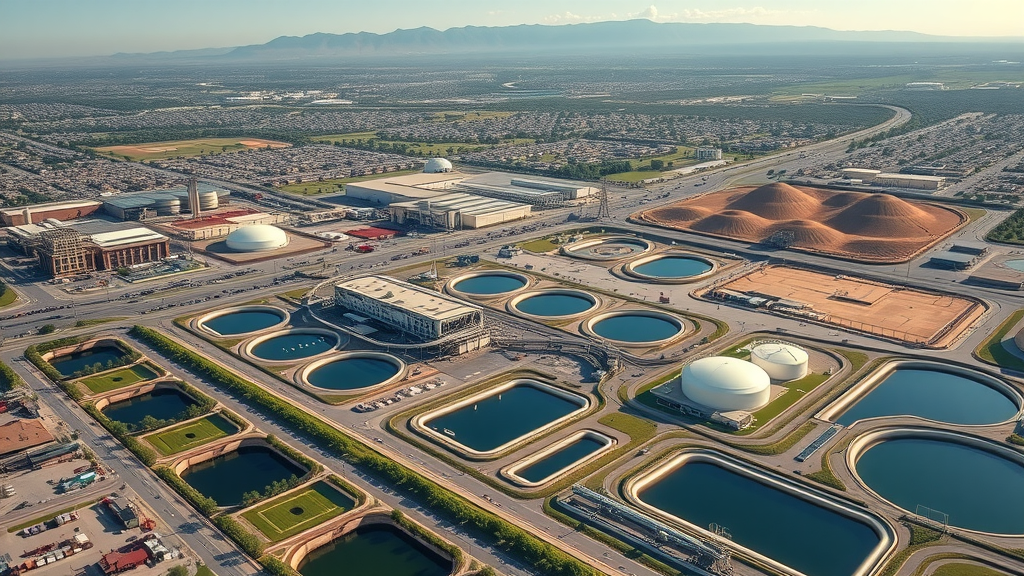

regional water treatment capacity city of chino suburban industrial chino hills

Scalability and Flexibility: How industrial waste water treatment chino hills Adapts to Industrial Expansion

Modern industrial waste water treatment chino hills providers anticipate the future. Facilities are designed with scalability in mind, allowing them to support the demands of new manufacturers, logistics hubs, and tech-driven businesses. Modular treatment process units, expandable tanks, and adaptive control systems enable plants to quickly increase capacity and upgrade technology as environmental regulations evolve.

This flexibility is essential for industries that experience seasonal or cyclical changes in wastewater production. By offering rapid expansion and automated monitoring, facilities in Chino Hills ensure that local industries remain compliant with the latest standards set by the resources control board and continue benefiting from consistent, high-quality recycled water supplies. This strategic agility is a major factor that positions Chino Hills as a leader in sustainable industrial operations and water recycling innovation.

Key Features and Advantages: Choosing industrial waste water treatment chino hills Providers

  • Expertise in regional water needs

  • Integration with city of chino compliance requirements

  • Customizable capacity for diverse industries

  • Cutting-edge water recycling technologies

Selecting the right provider for industrial waste water treatment chino hills is crucial. Look for partners with a proven track record in serving both local and regional industries, offering customized treatment capacity and advanced water recycling solutions tailored to your business size and sector. Leading providers integrate seamlessly with city and state water compliance requirements and routinely deliver scalable technologies that keep pace with regulatory change.

Top providers not only ensure compliance with state and federal requirements but also help clients optimize water usage, reduce operational overheads, and future-proof their facilities against rising water scarcity or drought conditions. Their in-depth understanding of chino hills and regional water priorities makes them an invaluable partner for any business seeking reliability, sustainability, and long-term value through smart water management.

Comparing Local Providers: What to Look for in industrial waste water treatment chino hills

When evaluating local companies specializing in industrial waste water treatment chino hills , several criteria should drive your selection. Look for demonstrated expertise with the treatment process most relevant to your operations, from advanced membrane filtration to comprehensive tertiary treatment. Additionally, confirm their experience interfacing with regulations from the city of chino and the control board ; robust references from similar industries offer further assurance.

True leaders also provide ultra-customizable systems, offering everything from automated process monitoring to capacity planning that matches projected growth. Their commitment to environmental stewardship and customer support ensures industries in Chino Hills remain at the forefront of recycled water use, community safety, and regulatory compliance.

Walkthrough of a Modern industrial waste water treatment chino hills Facility

Cost Analysis and ROI: Investing in industrial waste water treatment chino hills

Budget considerations are always a top priority when investing in industrial waste water treatment chino hills. While initial installation costs for advanced systems—such as reverse osmosis or automated digital monitoring—can be significant, savvy businesses understand that long-term savings far outweigh up-front expenses. Enhanced water quality leads to less downtime, reduced fines from compliance issues, and lower water sourcing expenses, creating steady returns on investment every year.

By implementing smart water management and recycling strategies, industries in Chino Hills gain a competitive edge, reduce resource dependence, and build reputational strength as responsible community partners. These savings can be tracked through dashboards, demonstrating not just environmental compliance but continued operational efficiency and cost avoidance.

Short-Term Costs vs. Long-Term Savings from Enhanced Water Quality

Upfront expenses—whether for primary filtration, reverse osmosis, or digital process controls—might seem high, but these investments quickly pay off through annual cost reductions and operational reliability. Industries in Chino Hills report direct savings in water procurement, reduced wastewater surcharges, and even enhanced resale value from sustainable, compliant facilities. Furthermore, businesses benefit from risk mitigation and brand growth by being associated with safe, responsible local water practices.

The transition to modern treatment systems, while requiring robust capital outlays, results in lower operational costs over time, protection against regulatory fines, and long-term sustainability in water-intensive industries such as manufacturing, agri-processing, and logistics. Data from regional case studies confirm that facilities recovering and recycling their effluent save tens of thousands annually, positioning Chino Hills as a fiscally sound and environmentally innovative region for industrial growth.


cost analysis roi water recycling industrial waste water treatment chino hills

Water Recycling Strategies That Maximize Value in Chino Hills

Chino Hills excels at leveraging targeted water recycling strategies that stretch every dollar and drop. From primary filtration to automated monitoring systems, these approaches minimize waste, improve regulatory compliance, and enable reuse for everything from landscaping to industrial cooling systems. Facilities are encouraged to tailor investments to their specific needs, deploying those technologies that provide the most immediate return—such as membrane filters and automated leak detection platforms.

Sustainability isn’t just a buzzword in Chino Hills; it’s a pragmatic approach driven by regional water scarcity and rising resource costs. The city actively incentivizes businesses to invest in water-efficient infrastructure and technology, further improving ROI for every invested dollar. The consistent outcome is a network of industries that collectively lighten their demand on the main water supply while strengthening community resilience—a blueprint now being imitated across the state.

Investment Area

Average Cost

Expected Savings/Year

Primary Filtration Installation

$100,000

$15,000

Reverse Osmosis System

$200,000

$35,000

Automated Monitoring

$50,000

$10,000

Frequently Asked Questions About industrial waste water treatment chino hills

  • How does water quality improve with industrial waste water treatment chino hills?

  • What water recycling methods are most popular in Chino Hills?

  • How do regional water regulations affect treatment requirements?

  • What is the treatment capacity of typical facilities in Chino Hills?

  • How does the city of chino support industrial water management?

How does water quality improve with industrial waste water treatment chino hills?

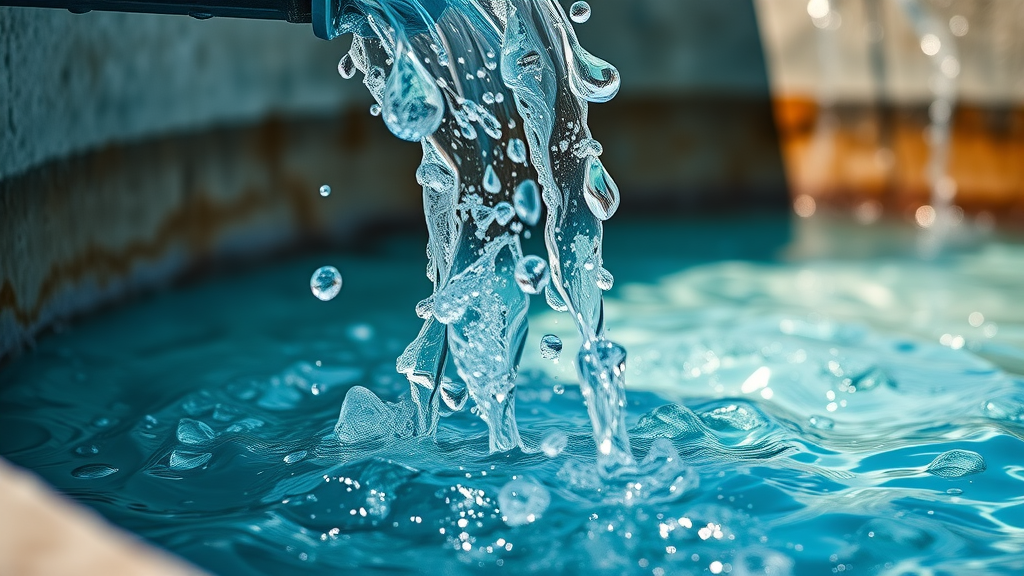
Industrial waste water treatment chino hills facilities utilize multi-stage purification processes to remove harmful pollutants, chemicals, and biological contaminants from the liquid portion of industrial wastewater. Steps such as preliminary screening and grit removal , secondary biological treatments, and advanced tertiary filtration ensure that only safe, treated water re-enters the regional water supply. The result is significantly increased water quality , meeting stringent state and federal standards and protecting both public health and the local ecosystem.

crystal-clear recycled water industrial waste water treatment chino hills

What water recycling methods are most popular in Chino Hills?

The most common water recycling methods in Chino Hills include membrane filtration and reverse osmosis , which remove even microscopic impurities and pathogens, making water safely reusable in industrial applications. Biological treatment systems are also widely adopted, breaking down organic contaminants through eco-friendly microbial action. These technologies collectively enable the production of high-quality recycled water that can be safely used for non-potable industrial processes, irrigation, and landscaping, greatly reducing the overall demand on the municipal water supply.

How do regional water regulations affect treatment requirements?

Chino Hills’s water treatment facilities must comply with strict regulations established by the state water resources control board and its regional counterparts. These rules dictate acceptable levels of specific contaminants, outline routine monitoring procedures, and require the adoption of best-available technology to protect water resources and public health. Failure to comply can lead to costly fines, shut-downs, or tougher permitting, making regulatory alignment a top priority for all regional facilities and industries.

What is the treatment capacity of typical facilities in Chino Hills?

Typical industrial waste water treatment chino hills facilities are engineered to process millions of gallons per day —with some newer plants adaptable for future growth and surges in industrial activity. Treatment is modular, so facilities can quickly scale up or down depending on changes in demand, seasonal variations, or population growth. This capability ensures a continuous, uninterrupted supply of clean recycled water and safe discharge into the regional water system.

How does the city of chino support industrial water management?

The city of chino supports industrial water management through investments in infrastructure modernization, technical assistance programs, and public-private partnerships. They facilitate ongoing upgrades to wastewater treatment plants, compliance education for industrial users, and incentives for water recycling and efficiency technologies. This proactive stance enables the city to meet stringent regulatory benchmarks and supports industries in achieving long-term sustainability and resilience.

Animated Explainer: The Process Behind industrial waste water treatment chino hills

The Future of industrial waste water treatment chino hills: Innovation, Compliance, and Sustainability

  • Emerging sensor and IoT monitoring for real-time water quality reporting

  • Meeting evolving regional water and city of chino policies

  • Enhanced energy recovery and eco-friendly operations

"Choosing advanced industrial waste water treatment chino hills is not just an investment in business, but a commitment to community and environmental stewardship."

The future of industrial waste water treatment chino hills is defined by rapid technological advancement, heightened environmental standards, and growing community expectations. Smart sensors, IoT-driven process controls, and energy-neutral facilities are redefining what’s possible, enabling real-time tracking of water quality and resource consumption. As regulatory demands intensify and natural water resources face mounting challenges, forward-thinking industries in Chino Hills are embracing these innovations to ensure not just compliance but leadership in environmental stewardship.

New partnerships between the city of chino , local businesses, technology startups, and environmental stakeholders are fueling a new era of water innovation. Enhanced energy recovery and green practices—such as integrating solar and wind into facility designs—are already making Chino Hills a model for eco-friendly industrial operations, leveraging every drop and watt for collective community benefit.

Key Considerations Before Selecting a Provider for industrial waste water treatment chino hills

  1. Assess service provider compliance with local and federal water quality standards

  2. Evaluate experience with advanced water recycling technologies

  3. Check capacity for future expansion and scalability needs

  4. Request references from similar industries within Chino Hills

When choosing a industrial waste water treatment chino hills provider, due diligence is key. Ensure the partner you select not only meets all regulatory requirements but is committed to ongoing investment in innovation and sustainable practice. Your decision will have long-term consequences for your business, your community, and the environment—choose wisely for a future-proof water strategy.


eco-friendly innovative water treatment chino hills solar wind

Maximize Water Efficiency and Ensure Compliance with industrial waste water treatment chino hills Today

Modern water challenges demand bold, expert solutions. By partnering with a trusted industrial waste water treatment chino hills provider, you will secure your business’s future, meet regulatory demands, conserve local resources, and actively shape a more sustainable Chino Hills.

Take action now—discover, compare, and invest in the region’s leading water treatment and recycling solutions. Your community, your business, and your environment depend on it.

What You'll Learn

  • The critical impact of industrial wastewater treatment on Chino Hills water quality and sustainability

  • How advanced processes and technologies drive superior water recycling outcomes

  • Key questions and provider criteria to future-proof your industrial water strategy

  • Where and how to get the best return on investment for water management upgrades

Sources

  • California State Water Resources Control Board – https://www.waterboards.ca.gov/

  • City of Chino Hills Official Site – https://www.chinohills.org/

  • EPA Water Research – https://www.epa.gov/water-research

  • Orange County Water District – https://www.ocwd.com/

Industrial wastewater treatment in Chino Hills is crucial for maintaining water quality and supporting sustainable development. The city has implemented several initiatives to address this need.

One significant project is the 1,2,3-Trichloropropane (TCP) Removal Treatment Plant, which aims to reactivate six city-owned wells and reduce reliance on imported water. Scheduled for completion in late 2024, this facility will provide an additional local source of high-quality drinking water. ( chinohills.org )

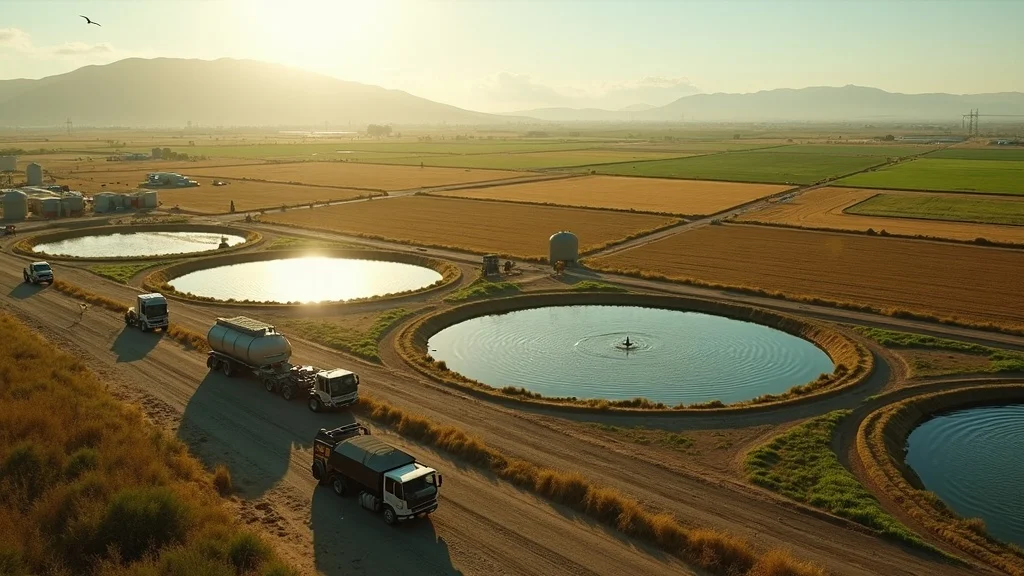
The Inland Empire Utilities Agency (IEUA) operates the Carbon Canyon Water Recycling Facility, treating approximately 7 million gallons of wastewater daily. This facility serves Chino Hills and neighboring areas, producing recycled water that meets California’s Title 22 standards for non-potable uses. ( ieua.org )

The city also utilizes recycled water for irrigating golf courses, school landscapes, parks, and construction sites, reducing dependence on potable water. ( chinohills.org )

Compliance with environmental regulations is essential. Senate Bill 205 requires businesses to provide their Standard Industrial Classification (SIC) Code when applying for or renewing a business license. Businesses with regulated SIC Codes must demonstrate compliance with the National Pollutant Discharge Elimination System (NPDES) Stormwater Industrial General Permit. ( chinohills.org )

These efforts underscore Chino Hills’ commitment to safeguarding water resources and promoting sustainable industrial practices.
Services

0 Comments

Write A Comment

*
*
Related Posts All Posts
10.23.2025

Navigating Regulatory Requirements for Industrial Wastewater: Federal, State, and Local Perspectives

Did you know: Nearly every industrial facility discharging wastewater must comply with complex regulations spanning federal mandates and even more stringent state and local standards. Navigating these industrial wastewater regulations can mean the difference between smooth operations and costly penalties—even shutdowns. Understanding the multi-layered regulatory landscape is critical for plant managers and Environmental Health & Safety (EHS) professionals tasked with safeguarding their facilities from non-compliance risks.In this comprehensive guide, we unravel how the Clean Water Act sets the nationwide baseline, how local agencies tighten compliance thresholds, and the step-by-step process from violation detection to resolution. Backed by expert insights from Steve Manii of CSI Environmental, Inc., this article empowers you to proactively manage your wastewater compliance and stay ahead before regulators take action.Startling Facts About Industrial Wastewater Regulations and ComplianceIndustrial wastewater regulations are stringent and pervasive across the United States, governed fundamentally by the Clean Water Act (CWA). However, what many operators don’t realize is that local jurisdictions like Los Angeles County or Riverside County are authorized to enforce even stricter discharge standards beyond federal minimums. For example, Riverside County is recognized for having tougher compliance criteria than the federal baseline due to unique environmental and population concerns.When a facility receives an industrial wastewater discharge permit, it gives legal permission to release treated wastewater under specified limits for pollutants such as sulfides, total suspended solids (TSS), chemical oxygen demand (COD), biological oxygen demand (BOD), and pH levels. Exceeding these limits can trigger formal enforcement actions from regulators. These actions begin subtly—often a warning letter—yet escalate quickly to fines or shutdowns if unaddressed.Steve Manii of CSI Environmental, Inc., states, “Compliance with municipal and county wastewater standards is not just about avoiding penalties; it’s essential for sustainable operations. Many local agencies intensify scrutiny, making it vital that businesses understand and meet these enhanced standards.” This industry insight emphasizes the growing pressures plant managers and EHS professionals face in managing regulatory demands effectively.Overview of Industrial Wastewater Regulations and the Clean Water ActFederal Baseline: The Clean Water Act and National Pollutant Discharge Elimination System (NPDES)The Clean Water Act (CWA), passed in 1972, remains the cornerstone of the U.S. strategy to protect surface waters by regulating pollutant discharges from point sources. It establishes the framework for the National Pollutant Discharge Elimination System (NPDES), which issues permits setting pollutant limits and monitoring requirements for industrial wastewater dischargers.Under federal law, companies must conduct routine wastewater sampling—often 24-hour composite samples—that government water districts collect and analyze. If monitored levels exceed the permit thresholds for pollutants such as BOD, COD, sulfides, or pH, businesses are flagged for non-compliance. While the CWA sets a baseline, local authorities have the authority to impose more tailored and severe standards to address regional environmental needs.Steve Manii notes, “The federal Clean Water Act created the foundation that ensures water quality stays protected nationwide, but individual states or counties are empowered to go beyond those baseline requirements. This layered regulatory approach keeps environmental protections robust but adds complexity for operators.” This highlights why understanding both federal and local regulations is essential for compliance success.State and Local Enhancements to Industrial Wastewater Discharge PermitsCounties like Los Angeles and Riverside have embraced their right to enforce stricter discharge limits than federal mandates. These local regulations respond to the unique geographic, ecological, and urban pressures each area faces. For instance, the Los Angeles County Sanitation District applies tighter thresholds for sulfides and suspended solids to mitigate local pollution hotspots.Local agencies also issue discharge permits that sometimes include additional monitoring, reporting, and treatment requirements reflecting those enhanced standards. This means facilities must be prepared not only to meet federal NPDES benchmarks but also these additional local permit conditions. The compliance complexity necessitates diligent monitoring and prompt remediation when issues arise.Steve Manii adds, “Our clients often underestimate how localized requirements can vary, which leads to costly violations. We work closely with facility managers to decode permit language and develop compliant operational plans tailored to local standards.” Expert local knowledge is key to navigating these enhanced regulatory landscapes.The Compliance Process: From Notice to ResolutionInitial Sampling and Detection of Non-ComplianceThe compliance process begins with government agencies conducting periodic sampling of industrial effluent. This usually involves a 24-hour composite sample strategically collected by the local water district. The sample is tested against permit-specific thresholds for pollutants such as sulfides, TSS, COD, BOD, and pH.When test results reveal values outside permitted ranges—such as pH dropping below 6 or exceeding 9.1, or excess levels of chemical oxygen demand—it signals non-compliance. The regulatory agency then initiates the enforcement process by notifying the facility, often through a formal written warning citing the exact nature of the violation and requesting an action plan for remediation.According to Steve Manii, “An out-of-compliance result triggers an immediate need for investigation. Sometimes it reflects unusual operations — like deep tank cleaning releasing sulfides — but persistent violations require systematic corrective action, which is where professional consultation can become crucial.” Understanding this initial step helps facilities respond swiftly and avoid escalation.Written Warning and Required Action PlanOnce a non-compliance is detected, the regulatory body sends a detailed warning letter to the responsible party named on the permit. This letter outlines the violations and requires the facility to submit a corrective action plan explaining how they will remedy the issues and prevent recurrence.The plan might include temporary operational changes or plans to install additional treatment equipment. The regulatory agency typically demands a retest after the corrective actions are implemented to confirm compliance restoration. Failure to provide an adequate plan or to correct the violation results in further enforcement.Steve Manii explains, “Electronic documentation from regulators often includes requests for explanation of the root cause. Providing solid, fact-based responses to anomalies can mitigate additional penalties, while recognizing the violation as systemic compels more stringent treatment solutions.” This underscores the importance of transparent communication with regulators.Retesting and Follow-Up EnforcementAfter receiving the action plan, regulatory agencies conduct subsequent sampling to verify whether the issues have been resolved. These monthly composite samples serve as checkpoints, ensuring that violations do not persist.If retesting reveals continuing non-compliance, regulators escalate their enforcement actions. Facilities might receive follow-up letters indicating increased urgency, warning of impending fines, and potential operational shutdowns if issues remain unresolved by the third reported violation. Furthermore, counties such as LA publish lists of non-compliant businesses in public outlets like the LA Times, harming reputations.Steve Manii cautions, “Non-compliance is costly—both financially and reputationally. Delays in addressing treatment inefficiencies can lead to fines, lost business, or even forced plant closures. Early proactive measures save time and money.” This highlights the critical nature of diligent monitoring and rapid response.Common Industrial Wastewater Compliance Issues and SolutionsSulfide Control and Neutralization TechniquesThe sulfide is flammable that is why it poses a significant compliance challenge. Excess sulfides detected during sampling trigger immediate concerns from regulators.One effective solution, as Steve Manii of CSI Environmental, explains, is injecting oxidizing agents such as 12.5% chlorine or hydrogen peroxide into the effluent line before discharge. These chemicals neutralize sulfides, preventing their release into municipal sewage systems. This targeted oxidation approach is cost-effective and has proven results in reducing sulfide levels to permitted limits.CSI Environmental also consults on operation modifications, maintenance schedules, and tank cleaning protocols to minimize sulfide buildup and flushing events that cause spikes during sampling. Addressing sulfides requires both chemical treatment and operational controls to sustain compliance.Reducing Total Suspended Solids (TSS), COD, and BODBeyond sulfides, many industries struggle with reducing Total Suspended Solids (TSS), Chemical Oxygen Demand (COD), and Biological Oxygen Demand (BOD)—key indicators of pollutant load and organic matter. Excess TSS can clog treatment systems, while high COD/BOD depletes oxygen in receiving waters, harming aquatic life.CSI Environmental recommends installing specialized filtration and sedimentation equipment to lower TSS levels significantly—often by 90-95%. Treatment for COD and BOD varies by industrial process; insoluble fractions respond well to chemical treatment, while soluble COD/BOD typically requires biological treatment involving enzymes or microorganisms.Steve Manii notes, “Each facility’s unique wastewater profile dictates the optimal treatment strategy. Our role is to evaluate lab data carefully, compare with discharge permits, and design cost-effective solutions that achieve compliance and can even reduce operational charges based on pollutant loads.” Implementing these solutions directly addresses compliance and operational cost concerns.Roles and Responsibilities in Industrial Wastewater ComplianceWithin industrial facilities, responsibility for managing wastewater compliance typically lies with personnel named on the discharge permit. This usually includes Environmental Health and Safety (EHS) managers or supervisors, maintenance staff, and sometimes plant managers or site directors.The role involves monitoring sampling results, liaising with regulatory agencies, coordinating corrective actions, and overseeing treatment system operations. Because wastewater compliance overlaps with environmental, operational, and maintenance domains, collaborative teamwork is essential.Steve Manii explains, “We often find EHS professionals seeking expert guidance because wastewater treatment falls outside typical safety roles. CSI Environmental serves as a vital liaison, helping facilities interpret regulations and interact with regulatory bodies effectively to maintain compliance.” Clear role definition supports timely responses to compliance issues.How CSI Environmental Supports Businesses in Achieving ComplianceInitial Consultation and Documentation ReviewWhen facing regulatory notices, CSI Environmental starts every engagement with a brief 10-15 minute phone call to understand the client’s compliance issue. This initial step assesses whether and how CSI can help.Prior to on-site visits, clients provide essential documents, including lab reports for the past three to six months, copies of regulatory warning letters, and surcharge statements detailing pollutant charges. Reviewing these materials allows CSI’s experts to prepare a customized compliance strategy tailored to permit limits and operational realities.Steve Manii highlights, “Having access to detailed lab data and regulatory communications enables us to conduct thorough analysis, identify root causes, and propose practical treatment and operational solutions. Our established relationships with regulatory agencies also help us act as an effective third-party liaison for our clients.”Ongoing Support and Cost SavingsBeyond fixing immediate violations, CSI Environmental offers ongoing support to maintain compliance and reduce wastewater treatment costs. By optimizing treatment technologies and operations, many clients realize substantial reductions in pollutant loads, sometimes lowering TSS by up to 95% and COD/BOD by 50-85%, directly translating into lower surcharge fees.CSI’s cost-effective chemical treatments and modern equipment solutions minimize regulatory risks and enhance operational sustainability. The company’s proactive approach helps clients avoid penalties and public disclosure of non-compliance that can damage business reputations.Steve Manii concludes, “Our goal is to transform wastewater compliance from a reactive problem into a managed asset that benefits both environmental stewardship and the client’s bottom line.”What You'll LearnKey federal, state, and local industrial wastewater regulations and discharge limitsThe compliance notification and enforcement processCommon wastewater pollutants and treatment solutionsRoles responsible for compliance within industrial facilitiesHow expert consultation can facilitate regulatory compliance and cost savingsFrequently Asked Questions (FAQs)What is wastewater compliance?Wastewater compliance means meeting all permit requirements for effluent discharge, including limits for pollutants like sulfides, TSS, COD, BOD, and pH, as set by federal, state, and local regulations.What law allowed the EPA to establish wastewater standards?The Clean Water Act (CWA) of 1972 empowered the EPA to create the National Pollutant Discharge Elimination System (NPDES) setting wastewater discharge standards nationwide.What is the definition of industrial wastewater?Industrial wastewater is liquid waste originating from manufacturing or industrial processes, which may contain pollutants requiring treatment before being discharged into municipal sewer systems or water bodies.What are the three types of industrial wastewater treatment?The three types include physical treatment (e.g., sedimentation, filtration), chemical treatment (e.g., oxidation, neutralization), and biological treatment (e.g., microbial degradation of soluble organics).Key TakeawaysIndustrial wastewater regulations are governed by the Clean Water Act with stricter local standards enforced by agencies like LA County Sanitation.Non-compliance initiates a formal process including warnings, corrective action plans, retesting and possible penalties.Effective treatment solutions drastically reduce pollutant loads, helping avoid fines and operational risks.Designated personnel such as EHS managers, plant managers, and maintenance staff hold critical compliance responsibilities.Partnering with experts like Steve Manny of CSI Environmental streamlines compliance and realizes cost savings.Conclusion: Ensuring Compliance with Industrial Wastewater RegulationsTake action early: Monitor closely, respond swiftly to notices, consult experts, and upgrade treatment systems to secure compliance and protect your operations from costly enforcement.Get Your FREE Compliance Assessment TodayDon’t wait for regulators to find problems—reach out now to CSI Environmental, Inc. for your personalized, no-cost wastewater compliance assessment. Visit https://csienvironmentalinc.com/California-Wastewater-Compliance or call (800) 690-2436 to schedule your consultation.Understanding and adhering to industrial wastewater regulations is crucial for maintaining compliance and protecting the environment. To deepen your knowledge, consider exploring the following resources:The U.S. Environmental Protection Agency’s (EPA) page on Industrial Wastewater provides an overview of the National Pollutant Discharge Elimination System (NPDES) permitting program, detailing discharge limits and conditions for various industrial and commercial sources.The EPA’s Industrial Effluent Guidelines offer national standards for wastewater discharges, outlining technology-based requirements for over 50 different categories of industrial and commercial activities.These resources will equip you with a comprehensive understanding of federal regulations and guidelines, enabling you to navigate the complexities of industrial wastewater compliance effectively.

10.21.2025

Strategies and Technologies for Effective Industrial Wastewater Pre-Treatment

Startling Fact: Over 70% of industrial wastewater violations stem from inadequate pre-treatment processes, highlighting the urgent need for effective solutions. Understanding industrial wastewater pre-treatment is crucial for industries aiming to meet discharge standards and protect our water quality. Governed by the National Pretreatment Program, these processes ensure pollutants are properly managed before entering municipal treatment systems, safeguarding the environment and regulatory compliance.Understanding the National Pretreatment Program and Treatment StandardsThe National Pretreatment Program is a federal regulatory framework designed to control pollutants from industrial sources before they enter publicly owned treatment works (POTWs). This program mandates that industries apply rigorous treatment standards to minimize the impact of pollutants on municipal wastewater systems and the environment. Compliance with this program is essential as it sets the legal baseline from which states and municipalities can enforce stricter local limits tailored to regional water quality needs.Federal, state, and local authorities collaborate to establish treatment standards that include numeric limits on contaminants such as fats, oils, and grease (FOG), chemical oxygen demand (COD), biological oxygen demand (BOD), total suspended solids (TSS), and sulfides. These limits are enforced through National Pollutant Discharge Elimination System (NPDES) permits, which the industries must strictly adhere to, or face penalties.Expert Insight: Compliance Challenges and Regulatory ExpectationsSteve Manii of CSI Environmental explains,"The federal mandate under the Clean Water Act sets the baseline, but counties like LA and Riverside can impose stricter treatment standards, making compliance a complex but essential task for industrial users."Common Industrial Wastewater Contaminants and Their Impact on Treatment WorksIndustrial wastewater often contains pollutants such as fats, oils, and grease (FOG), chemical oxygen demand (COD), biological oxygen demand (BOD), total suspended solids (TSS), and sulfides. These contaminants can cause severe disruptions in municipal wastewater treatment plants if not properly managed. For example, excessive TSS can clog filters, sulfides can cause odors and corrosion, while high COD and BOD levels can deplete oxygen needed for microbial treatment processes, reducing efficiency.Non-compliance with discharge limits often results in serious consequences: regulatory fines, enforced operational shutdowns, and negative public exposure through published non-compliance notices. Keeping contaminant levels below permit thresholds is therefore not only legally mandated but essential for operational continuity and community goodwill.Case Study: Addressing Sulfide Compliance IssuesAccording to Steve Manii, "If sulfide levels exceed permit limits due to activities like deep tank cleaning, businesses must provide an action plan and retest to demonstrate resolution, or face escalating enforcement."This underscores why industries must maintain detailed records of operational anomalies and communicate transparently with regulators to justify occasional exceedances, followed by implementing technical solutions to prevent recurrence.Effective Strategies for Industrial Wastewater Pre-TreatmentAn effective industrial wastewater pre-treatment program integrates physical, chemical, and biological methods to reduce contaminants before discharge. Physical treatments include settling tanks and filtration to remove solids, while chemical treatments might involve oxidizers like chlorine or hydrogen peroxide to neutralize sulfides. Biological treatments can address soluble COD and BOD by using enzymatic and microbial processes to break down organic matter.Approved pretreatment technologies such as injecting 12.5% chlorine or hydrogen peroxide into effluent lines can substantially reduce harmful sulfides chemically. Meanwhile, equipment like dissolved air flotation units or clarifiers help reduce TSS, COD, and BOD, ensuring wastewater meets stringent local and federal limits.Implementing a Cost-Effective Pretreatment ProgramSteve Manii of CSI Environmental notes, "We consult with businesses to design tailored, cost-effective solutions that not only ensure compliance but can reduce TSS by up to 95%, significantly lowering surcharge fees."This highlights the financial benefits of investing in a well-designed pretreatment program that can substantially cut down contaminant discharge fees while meeting regulatory requirements effectively.Navigating Compliance: From Receiving Notices to Achieving ResolutionWhen an industrial user receives a compliance notice, it typically follows a multi-step process: initial composite sampling revealing violations, followed by a written warning detailing exceedances and requesting an action plan. Industries must then submit this action plan, implement corrective measures, and undergo retesting to confirm compliance.Key roles in managing these compliance processes include environmental health and safety (EHS) managers, maintenance teams, and plant managers, who must coordinate efforts to respond timely and effectively. Non-compliance after repeated notices can lead to fines, facility shutdowns, and public listing of violations, emphasizing the critical nature of proactive compliance management.Expert Guidance on Compliance ManagementSteve Manii advises, "Early engagement with experts like CSI Environmental can prevent costly penalties. We act as a liaison with regulatory bodies to streamline compliance and provide actionable solutions."Preparing for a Compliance Consultation: Essential Documentation and InformationRecent third-party laboratory reports (covering at least the past 3 to 6 months)Official regulatory notices and written complaints detailing violationsPermit discharge limits outlining acceptable contaminant thresholdsSurcharge statements indicating fees charged for pollutant levelsProviding comprehensive and organized documentation enables experts like CSI Environmental to conduct a thorough assessment and tailor precise recommendations. Leveraging relationships with regulatory agencies, CSI also facilitates smoother communications and expedites resolution pathways for clients.What You'll LearnKey components of an effective industrial wastewater pre-treatment programHow to interpret and respond to compliance notices promptlyTechnologies and strategies to meet and exceed treatment standardsSteps to engage expert consultation for compliance assurance and cost savingsCommon FAQs About Industrial Wastewater Pre-TreatmentWhat is the national pretreatment program?It is a federal initiative under the Clean Water Act that governs how industrial users must pre-treat wastewater before discharging it to public sewer systems.How often are composite samples taken for compliance?ImpleTypically, monthly 24-hour composite samples are collected by local water authorities to monitor compliance.What are typical penalties for non-compliance?Penalties can include fines, increased fees, forced operational shutdowns, and public disclosure of violations.How can businesses reduce TSS and COD effectively?By implementing physical filtration, chemical oxidation, and biological treatments tailored to their wastewater characteristics, businesses can achieve significant reductions.Key TakeawaysIndustrial wastewater pre-treatment is crucial for regulatory compliance and environmental protection.Understanding treatment standards and local limits helps avoid costly violations and operational interruptions.Proactive consultation with experts like Steve Manny of CSI Environmental streamlines compliance efforts.Using approved pretreatment technologies can reduce pollutant discharge and decrease surcharge fees significantly.Conclusion: Ensuring Compliance Through Effective Industrial Wastewater Pre-TreatmentEstablish a robust pretreatment program that aligns with national and local regulations.Respond promptly to compliance notices to prevent fines and operational disruptions.Partner with experienced experts to navigate complex treatment challenges efficiently.Get Your FREE Compliance Assessment TodayContact CSI Environmental for a personalized evaluation of your industrial wastewater pre-treatment needs.Visit https://csienvironmentalinc.com/California-Wastewater-Compliance or call (800) 690-2436 to schedule your consultation.Take the first step towards compliance and cost savings with expert guidance.To enhance your understanding of industrial wastewater pre-treatment, consider exploring the following resources:The article “What Is Industrial Wastewater Pretreatment and How Does it Work?” provides a comprehensive overview of the processes and technologies involved in removing contaminants from wastewater before it enters municipal sewer systems.The Minnesota Pollution Control Agency’s page on “Wastewater Pretreatment” outlines the importance of pretreatment in preventing harmful pollutants from entering public treatment facilities and the environment.These resources offer valuable insights into the strategies and technologies essential for effective industrial wastewater pre-treatment.

10.16.2025

The Complete Industrial Wastewater Compliance Process: From Sampling to Resolution

Startling Statistic: Over 70% of industrial facilities face compliance challenges annually, risking hefty fines, operational shutdowns, and public exposure. Understanding the industrial wastewater compliance process is critical for plant managers and EHS professionals striving to meet stringent local and federal regulations. In this comprehensive guide, we explore every step – from sampling to enforcement – providing practical expert advice to keep your operations compliant and protected.Startling Facts About Industrial Wastewater ComplianceOver 70% of industrial facilities face compliance challenges annually.Non-compliance can lead to hefty fines, operational shutdowns, and public disclosure in local media.Effective wastewater treatment is critical for environmental protection and regulatory adherence.Overview of the Industrial Wastewater Compliance ProcessSteve Manii, of CSI Environmental, explains, "The industrial wastewater compliance process begins with a 24-hour composite sample conducted by your local water district, governed by the Clean Water Act as a federal baseline."The industrial wastewater compliance process starts under the federal Clean Water Act, which establishes baseline standards for wastewater discharge. Local states and municipalities often impose more stringent rules, leading to variations in compliance requirements depending on your location. For example, Los Angeles County enforces tougher thresholds than some neighboring counties.Compliance parameters typically assessed include fats, oils, and grease (FOG), chemical oxygen demand (COD), biological oxygen demand (BOD), total suspended solids (TSS), and prescribed pH ranges. Monitoring these ensures environmental protection and operational legality.Federal Clean Water Act sets baseline standards.States and municipalities can impose stricter regulations.Compliance parameters include FOG, COD, BOD, TSS, and pH levels.Key Compliance Parameters in Wastewater TreatmentFats, Oils, and Grease (FOG): These can obstruct pipelines and require strict limits.Chemical Oxygen Demand (COD): Indicator of organic pollutants which impact oxygen availability.Biological Oxygen Demand (BOD): Measures biodegradable organic matter affecting aquatic life.Total Suspended Solids (TSS): Particles that cause turbidity and interfere with ecosystems.pH Levels: Typically required to be between 6 and 9.10 to prevent corrosive or harmful discharges.Step-by-Step Industrial Wastewater Compliance ProcessSampling: Monthly 24-hour composite or grab samples collected by local water districts to assess discharge quality.Notification: Receipt of written warning if samples indicate out-of-compliance results, detailing violations and required corrective actions.Action Plan: Businesses must submit a remediation plan and conduct retesting to verify compliance restoration.Consultation: Engaging experts like CSI Environmental to recommend cost-effective treatment solutions tailored to specific compliance challenges.Follow-up: Ongoing monitoring with subsequent sample collections ensures sustained compliance.Enforcement: Persistent non-compliance results in escalating penalties including fines, public notices, or forced shutdowns.According to Steve Manii, "If compliance issues are not resolved by the next composite sample, regulatory agencies escalate enforcement, including fines and possible shutdowns."Common Causes of Non-Compliance in Industrial Wastewater SystemsExcessive sulfide discharge during tank cleaning operations: Sulfides often accumulate in tank bottoms and are flushed out during maintenance, causing violations.High levels of TSS, COD, or BOD: Often caused by inefficient pretreatment or process fluctuations.pH imbalances: Discharges with pH outside the acceptable range due to chemical dosing or process irregularities.Failure to implement corrective measures promptly: Ignoring notices or delays in corrective actions increase risk of enforcement.Expert Solutions for Compliance ChallengesSteve Manii of CSI Environmental states, "We offer solutions such as injecting chlorine or hydrogen peroxide to neutralize sulfides before discharge, ensuring compliance with permit limits."For instance, sulfide issues can be tackled by injecting a 12.5% chlorine solution or hydrogen peroxide oxidizers directly into effluent lines before they reach municipal sewers. This neutralizes problematic sulfides effectively and cost-efficiently.Handling elevated TSS, COD, and BOD may involve installing advanced pretreatment equipment like settling tanks, filtration systems, or advanced chemical dosing. Such tailored solutions reduce pollutant concentrations, meeting permit conditions and avoiding penalties.Roles and Responsibilities in Managing Industrial Wastewater ComplianceEnvironmental Health and Safety (EHS) Managers or Supervisors: Typically receive compliance notifications and coordinate initial responses.Maintenance Departments: Often responsible for wastewater treatment operations including chemical dosing and equipment upkeep.Plant Managers or Site Directors: Provide oversight and ensure compliance funding and resources are allocated.Consequences of Non-Compliance and Enforcement ActionsIssuance of escalating warning letters and fines: Initial notices escalate to more serious correspondence with financial penalties if ignored.Potential operational shutdowns: Facilities may be forced to halt operations until compliance is restored, causing financial and reputational harm.Public disclosure: Non-compliance can be published in local media, damaging company image.Increased regulatory scrutiny: Non-compliant businesses face more frequent inspections and data requests.How CSI Environmental Supports Clients Through the Industrial Wastewater Compliance ProcessInitial consultation via phone: Quick 10-15 minute calls to assess compliance issues and information gathering.Reviewing recent lab reports and regulatory notices: Analysis of third-party lab data and warning letters to understand the extent of non-compliance.On-site evaluations and compliance walkthroughs: On-location visits to observe systems and identify problem areas firsthand.Developing tailored action plans: Recommendations for equipment upgrades, chemical treatments, and process changes.Acting as a third-party liaison: Communicating directly with regulatory bodies on your behalf to clarify issues and negotiate solutions.Steve Manii explains, "We often serve as the liaison between businesses and regulatory bodies, helping to clarify issues and develop effective solutions."Essential Documentation for Industrial Wastewater Compliance ConsultationsThird-party lab results from the past 3 to 6 months to track wastewater quality trends.Written notices or warnings from regulatory agencies outlining violations and action deadlines.Permit discharge limits and compliance parameters for comparison against actual data.Surcharge statements detailing monetary charges related to TSS, COD, and BOD from recent billing cycles.Document TypePurposeRecommended TimeframeLab ReportsAssess current wastewater qualityLast 3-6 monthsRegulatory NoticesIdentify compliance violationsMost recentPermit LimitsCompare discharge against standardsCurrent permitSurcharge StatementsEvaluate cost implicationsLast billing cyclePeople Also Ask: Industrial Wastewater Compliance FAQsWhat is wastewater compliance?Wastewater compliance refers to the adherence to legal and regulatory standards governing the discharge quality of wastewater from industrial facilities to protect the environment and public health.What is the process of industrial wastewater?The industrial wastewater process involves collection, sampling, treatment, monitoring, and discharge of wastewater, ensuring contaminants meet required limits as set by environmental regulations.What are the three major safety concerns in the wastewater treatment industry?Key safety concerns include exposure to hazardous chemicals, biological contaminants, and risks related to equipment operation or confined space entry within treatment facilities.What are the 7 steps in wastewater treatment?Typical treatment steps include preliminary screening, primary sedimentation, biological treatment, secondary clarification, disinfection, sludge treatment, and final discharge.Key Takeaways from the Industrial Wastewater Compliance ProcessCompliance is governed by federal, state, and local regulations with varying stringency levels.Timely response to compliance notices is critical to avoid costly penalties and operational disruptions.Expert consultation can provide cost-effective, efficient treatment solutions tailored to your facility.Proper documentation and ongoing monitoring are essential for managing compliance effectively.Non-compliance risks fines, shutdowns, negative publicity, and increased oversight.Conclusion: Ensuring Successful Industrial Wastewater ComplianceAct promptly upon receiving compliance notices, maintain detailed records, and engage environmental experts early to safeguard your facility's operational integrity and reputation.Get Your FREE Compliance Assessment Today | (800) 690-2436To deepen your understanding of the industrial wastewater compliance process, consider exploring the following authoritative resources:The U.S. Environmental Protection Agency’s (EPA) page on Industrial Wastewater offers comprehensive information on discharge limits, permitting frameworks, and effluent guidelines tailored to various industrial sectors.The EPA’s Pretreatment Roles and Responsibilities for Industrial Users outlines the obligations of industrial facilities in adhering to federal, state, and local pretreatment standards, including self-monitoring and reporting requirements.These resources provide valuable insights into regulatory requirements and best practices essential for maintaining compliance in industrial wastewater management.

Terms of Service

Privacy Policy

Core Modal Title

Sorry, no results found

You Might Find These Articles Interesting

T
Please Check Your Email
We Will Be Following Up Shortly
*
*
*