


Are you struggling to keep up with dairy wastewater treatment California regulations? You’re not alone—more than 90% of Central Valley dairies face an uphill battle with water quality compliance
Confronting the Dairy Wastewater Treatment California Challenge: The Startling Reality
“Did you know that over 90% of Central Valley dairies struggle to consistently meet water quality control standards?”
Across the San Joaquin and Central Valley regions, the dairy industry forms the backbone of California’s agricultural economy. Yet with growth comes responsibility. Dairy wastewater treatment California has become a pressing challenge, largely due to tightening water quality control board requirements and an ever-watchful regional water quality community. Site and plant managers must grapple with increased enforcement, rigorous quality control standards, and the urgent need to protect clean drinking water for farming communities and beyond.
This complex reality breeds stress. One missed compliance step and your dairy farm risks fines, public scrutiny, and costly shutdowns. But what really sets California’s dairies apart is the scrutiny from the regional water quality control board, especially as mounting evidence connects unmanaged dairy waste to deteriorating water quality in management zones. With new, technology-driven monitoring programs, keeping waste in check isn’t just recommended—it’s essential.
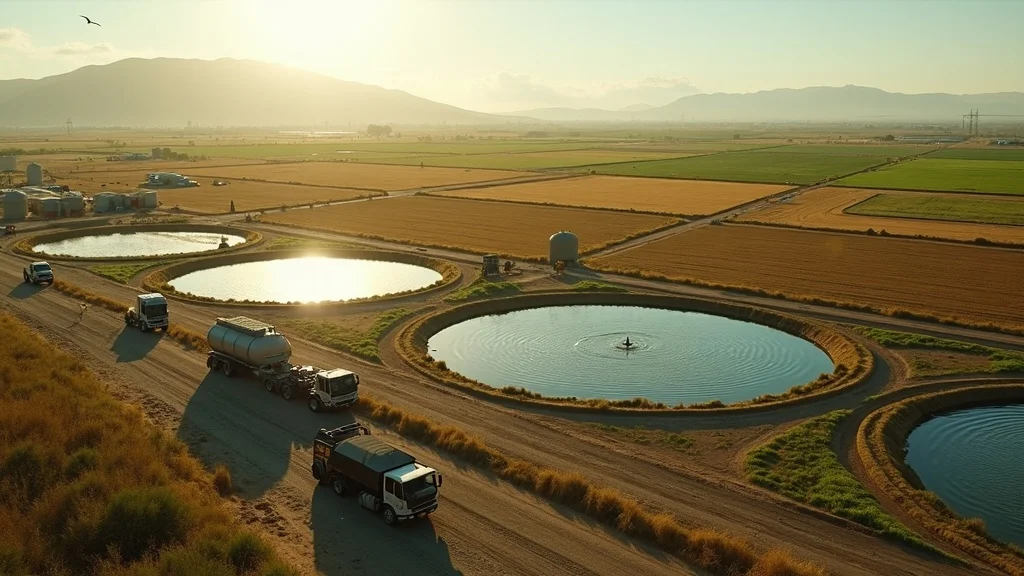
How Dairy Wastewater Treatment in California Impacts Regional Water and Water Quality
Dairy farms produce considerable volumes of wastewater—rich in nutrients but also laden with contaminants like nitrates, phosphates, and organic matter. Without robust wastewater treatment, these pollutants can leach into groundwater and runoff into rivers, threatening the availability of clean drinking water for California's rural families and urban centers alike. The Central Valley is especially sensitive, as its dense cluster of dairies and shallow groundwater aquifers create hot spots for water quality violations.
Moreover, the dairy wastewater treatment California dilemma isn’t just about regulatory headaches; it involves real risks to human health and the environment. Elevated nitrates from untreated dairy waste have been found in local drinking water, which can cause serious illnesses, especially in vulnerable populations. Maintaining top-tier water quality means more than following rules—it ensures long-term viability for California dairy farmers, secures the future of regional agriculture, and upholds community trust in local water sources.
For those looking to implement practical solutions and stay ahead of compliance challenges, exploring specialized environmental services can make a significant difference. Learn more about tailored wastewater treatment strategies and support for California dairies by visiting CSI Environmental Inc, where industry experts provide hands-on guidance for regulatory success.
What You’ll Learn From This Guide
- An overview of dairy wastewater treatment California regulations and compliance.
- Insight into regional water quality control board initiatives.
- Steps required for quality control on dairy farms.
- Best practices for avoiding fines and maintaining clean drinking water.
- A review of effective monitoring programs for California dairy farms.
Understanding Dairy Wastewater Treatment California Regulations and the Control Board
Navigating the regulatory environment surrounding dairy wastewater treatment California can feel like traversing a labyrinth. Site, plant, and EHS managers must comply with a mosaic of regulations from both the federal Environmental Protection Agency (EPA) and the state’s highly active regional water quality control board. These bodies set forth rules for nutrient management, wastewater discharge, and best practices for environmental stewardship, requiring both facility improvements and rigorous documentation.
Failure to meet these standards often triggers costly enforcement actions. The control board, especially in the Central Valley and San Joaquin Valley, has zero tolerance for recurring infractions—levying fines, requiring extensive remediation, and even suspending dairy farm operations. For California dairy farmers, aligning day-to-day operations with complex regulatory mandates is not just a legal necessity but a reputational safeguard that protects their market position and community relationships.

The Role of the Regional Water Quality Control Board in California Dairy Farms
The regional water quality control board plays a pivotal role in shaping what happens at every California dairy facility. These agencies establish local water quality objectives, issue discharge permits, lead compliance audits, and oversee corrective action when facilities fall short. The board’s presence is especially visible in critical water management zones, where even a small lapse in dairy waste management can trigger swift regulatory response.
For maintenance, EHS, and plant managers, proactive engagement with the regional water quality control board translates directly into smoother inspections and fewer surprises. Open communication, early adoption of recommended practices, and well-organized monitoring program records help maintain compliance and foster a constructive relationship with regulators—a must for any Valley dairy or California dairy business hoping to avoid enforcement headaches.
Quality Control Standards: Meeting Water Quality and Drinking Water Requirements
Quality control standards are strictly enforced for all dairy wastewater treatment California operations. These standards are built around key metrics such as nitrate concentrations, nutrient loading, biological oxygen demand (BOD), chemical oxygen demand (COD), and pH stability. Regional water quality boards require consistent records, periodic testing, and third-party verification to ensure that effluent discharges will not jeopardize drinking water safety downstream.
Drinking water regulations, guided by state and federal clean water acts, now demand robust quality assurance programs. These include scheduled water sampling, use of accredited laboratories, and public disclosure of results in high-risk management zones. Falling short jeopardizes not only your dairy’s operating license but also the broader community’s right to clean drinking water—a responsibility that weighs heavily on California dairy representatives and site leaders alike.
Water Quality Control Board and Regional Water Guidelines for Dairy Farmers
Every dairy farm must interpret and comply with a dynamic set of regional and state water quality guidelines. These rules cover everything from manure lagoon standards to protocols for wastewater discharge, nutrient recycling, and pasture irrigation strategies. Critically, monitoring programs are non-negotiable—dairy farms are now expected to install automated sensors, submit real-time water quality logs, and maintain documentation in anticipation of unannounced board inspections.
What does this mean for your Valley dairy or San Joaquin facility? Above all, it demands organizational discipline
Navigating Regional Water Quality Programs: What Site and Plant Managers Must Know
Site and plant managers serve as the first line of defense in upholding water quality standards on California dairy farms. For many, this means implementing comprehensive site assessments, identifying vulnerable discharge points, and launching robust quality assurance programs. Managers must take the initiative in staff training, ensuring every employee understands the ramifications of poor treatment or recordkeeping.
The most successful Valley dairies have embraced digital monitoring programs, leveraging real-time sensors and cloud-based reporting tools. These advances not only simplify compliance but allow for speedy adaptive measures when parameters hit warning thresholds. By staying one step ahead of the regional water quality control board’s expectations, site leaders minimize risk while demonstrating a clear commitment to environmental protection and public health.

Case Study: Valley Dairy Compliance and Central Valley Water Quality Monitoring Programs
Their response? They implemented a round-the-clock digital monitoring program, partnered with local experts to upgrade treatment units, and launched a comprehensive staff retraining effort
This kind of turnaround illustrates the actionable benefits of proactive quality control and monitoring in dairy wastewater treatment California environments. Success hinges on keeping pace with changing regulations, staying ahead of technological advances, and building a lasting partnership with the regional water quality control board.
| Year | New Compliance Directives | Active Enforcement Actions | Notable Trends |
|---|---|---|---|
| 2019 | 4 | 12 | Focus on manure lagoon upgrades & nitrate monitoring |
| 2020 | 6 | 17 | Emphasis on digital monitoring & reporting |
| 2021 | 7 | 19 | Expanded drinking water safety checks |
| 2022 | 8 | 13 | Greater collaboration with dairy representatives |
| 2023 | 9 | 10 | Increased funding for treatment upgrades |
| 2024 | 10 | 7 | Automated monitoring mandates roll out |
Critical Issues in Dairy Wastewater Treatment California Can’t Ignore
Ignoring core challenges in dairy wastewater treatment California has lasting consequences, from jeopardizing clean drinking water to eroding public confidence in agricultural products. Over-application of effluent, poorly lined lagoons, and lagging adoption of quality control technology all conspire to increase regulatory risk. Many regional water quality control board enforcement actions trace back to preventable maintenance lapses and incomplete staff training—issues that can and should be addressed through robust protocols and management buy-in.
Site, plant, and EHS managers face constant pressure to not just follow rules but to actively monitor trends, recalibrate systems, and prioritize investments that yield tangible water quality gains. Dairies that commit to sustained monitoring, transparency, and prompt remediation are better positioned to adapt as environmental standards and public expectations continue to rise throughout California’s agricultural valleys.
Central Valley Challenges: Managing Dairy Waste and Protecting Drinking Water
The Central Valley remains ground zero for both dairy industry growth and complex water quality issues. Dairies must balance nutrient-rich waste recycling with the acute risk of nitrate leaching into groundwater sources that supply homes and schools. The stakes have never been higher—persistent nitrate elevation in local drinking water is a growing concern, and new regional water quality programs now integrate multi-agency oversight, more frequent testing, and direct engagement with valley dairies, residents, and advocacy groups.
For California dairy operators, being proactive about wastewater monitoring, spill contingency planning, and remediation is now a baseline expectation. Smart site planning, investment in lined lagoons, and adherence to best practices for irrigation and nutrient management reduce accidental contamination and preserve the integrity of clean drinking water for community families.

Quality Control Gaps: Real Risks for EHS and Maintenance Managers
Even the most diligent maintenance and EHS professionals can miss red flags without an intentional quality assurance program. Uncalibrated sensors, incomplete documentation, or skipped monitoring intervals turn small lapses into systemic compliance failures, exposing the dairy farm to enforcement and putting drinking water at risk. Integration of digital alerts, automated sampling, and staff retraining all play a role in closing these quality control gaps, supporting continuous improvement across all management zones.
Early investment in monitoring and maintenance pays long-term dividends, reducing the frequency of water board citations and the likelihood of well-publicized water quality incidents. By embracing a culture of transparency and continuous improvement, California dairy farmers can take pride in protecting the region’s land, water, and future generations.
Innovative Solutions for Dairy Wastewater Treatment California Operations
- Top technologies for on-site water treatment
- Proactive monitoring program strategies
- How dairy representatives can leverage automation and digital reporting
The tools of the trade have evolved. Today’s most effective dairy wastewater treatment California operations lean on automated filtration systems, advanced membrane bioreactors, and state-of-the-art nutrient recovery technologies. These advances allow dairy farms to efficiently separate solids, capture valuable byproducts, and consistently meet or exceed water quality and drinking water targets mandated by the control board.
Equally important is the deployment of a real-time monitoring program. Digital dashboards, integrated with cloud storage, empower site managers and dairy representatives to receive instant alerts and address issues before they escalate. Automation removes human error and streamlines quality control, freeing up staff for higher-impact initiatives and maximizing ROI from every technology upgrade. Routine use of digital reporting also demonstrates good faith to both the water board and the broader community—reinforcing the dairy’s commitment to environmental excellence.

Action List: How Site, Plant, and EHS Managers Achieve Dairy Wastewater Treatment California Compliance
- Assess current wastewater treatment infrastructure.
- Engage with the water quality control board for a pre-inspection audit.
- Implement continuous monitoring program protocols.
- Train staff on quality control and reporting.
- Schedule regular system optimization reviews.
“Quality control is not a one-time task—it's an ongoing commitment, especially for California dairy farmers.”
People Also Ask About Dairy Wastewater Treatment California
What are the main compliance standards for dairy wastewater treatment California facilities?
California dairies must comply with both federal EPA wastewater regulations and state-specific mandates enforced by the regional water quality control board, including nitrate reduction, nutrient management, and regular water quality sampling.
How does dairy wastewater treatment California affect local drinking water supplies?
Untreated or poorly treated dairy wastewater can contaminate local groundwater used for drinking water, contributing to elevated nitrate levels and harming community health, particularly in the Central Valley.
Frequently Asked Questions (FAQs) on Dairy Wastewater Treatment California
- What is the role of the control board in regulating dairy farm waste?
- How often should dairy wastewater be tested for water quality?
- What penalties exist for non-compliance in California dairy wastewater treatment?
- Is there funding for upgrading dairy wastewater treatment systems in California?
Key Takeaways for Achieving Dairy Wastewater Treatment California Success
- Persistent regulatory oversight makes quality control essential.
- Central Valley and other regions face unique water quality challenges.
- Proactive monitoring and up-to-date technology simplify compliance.
- Partnering with regional water quality control boards prevents costly violations.
Ready to End Your Dairy Wastewater Treatment California Hassles?
Get Your Complete Waste Water Assessment | (800) 690-2436 | CSI-team@chem-serv.com
Get a complimentary wastewater system assessment that includes: ✅ Analysis of current TSS, COD, BOD, and pH levels ✅ Identification of compliance risks before they become violations ✅ Cost-saving opportunities based on proven results ✅ Clear ROI projections for any recommendation | (626) 608-7603
Conclusion: Proactive Dairy Wastewater Treatment California Management Benefits Everyone

Taking a proactive approach to dairy wastewater treatment California strengthens your farm, protects community health, and safeguards the entire state’s agricultural future.
“Investing in wastewater treatment isn’t just a regulatory necessity, it’s a commitment to a thriving California dairy industry and safer communities.”
If you’re ready to deepen your understanding of environmental compliance and discover how leading-edge solutions can transform your dairy’s sustainability, there’s more to explore. The team at CSI Environmental Inc offers a wealth of expertise on environmental management, regulatory trends, and advanced treatment technologies that go beyond the basics. By tapping into their resources, you can unlock new strategies for operational efficiency and long-term compliance. Take the next step toward a cleaner, more resilient future for your dairy and your community—discover how comprehensive environmental services can elevate your approach today.
Sources
- California Water Boards – https://www.waterboards.ca.gov/centralvalley/water_issues/dairies/
- EPA – https://www.epa.gov/npdes/cafo-implementation-status-california
- California Dairy Research Foundation – https://cdrf.org/home/checkoff-investments/water-quality-projects/
- UC Davis – https://www.ucdavis.edu/climate/news/ucd-experts-tackle-dairy-waste/
- California Water Blog – https://californiawaterblog.com/2022/01/11/the-challenge-of-clean-groundwater-in-the-california-central-valley/
Navigating the complexities of dairy wastewater treatment in California can be challenging. To assist you, here are two authoritative resources that offer valuable insights:
-
The California Northcoast Regional Water Quality Control Board’s Dairy Program provides comprehensive guidelines and regulatory information for dairy waste discharge, including the General Waste Discharge Requirements (GWDR) applicable to various dairy operations. (waterboards.ca.gov)
-
The EPA’s Dairy Products Processing Effluent Guidelines detail federal standards for wastewater discharge in the dairy industry, covering both direct and indirect dischargers, and are essential for understanding compliance requirements. (epa.gov)
If you’re serious about achieving compliance and enhancing your dairy’s environmental stewardship, these resources will provide the necessary regulatory frameworks and best practices.



Write A Comment