


Did you know just one gallon of oil can make a million gallons of water undrinkable? This jaw-dropping statistic from the EPA highlights a hidden problem plaguing wastewater treatment worldwide: FOG—fats, oils, and grease
Startling Facts: The Hidden Dangers of FOG Removal Wastewater Challenges
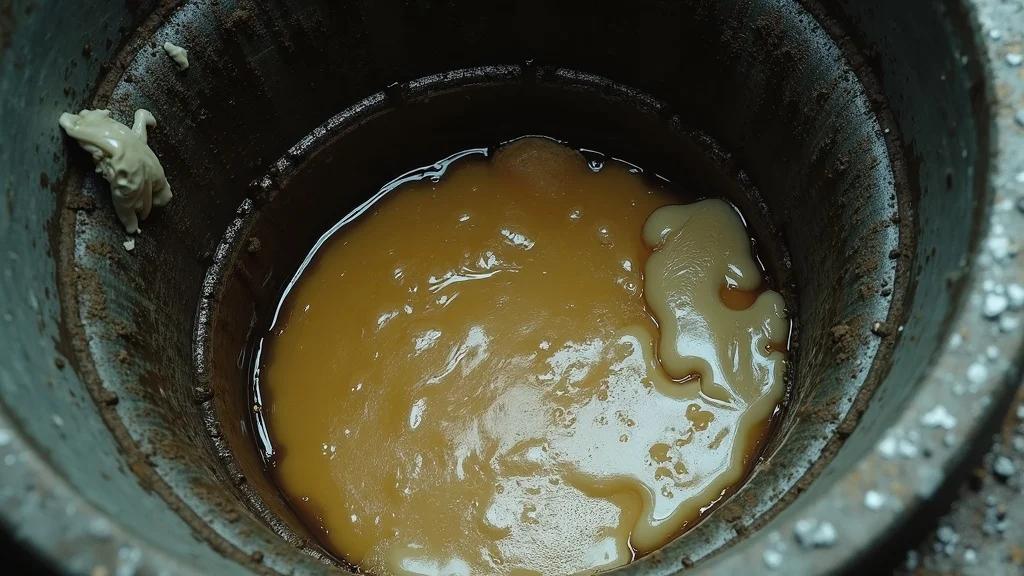
- FOG removal in wastewater treatment is vital for modern wastewater treatment plants, as fatty organic accumulations can quickly overwhelm systems and cause severe blockages.
- Improper fog removal leads to clogs in the collection system, sewer overflows, and costly damage to water treatment processes.
- Recent studies reveal oil and grease buildup is responsible for over 40% of all U.S. sanitary sewer overflows, costing municipalities millions each year and threatening environmental protection efforts.
What You'll Learn in This Guide to FOG Removal Wastewater
- How FOG removal wastewater processes work in today’s treatment plants
- Industry best practices for oil and grease management in wastewater treatment
- The real consequences of poor FOG removal—and how noncompliance impacts both environmental protection and operations
Understanding FOG Removal Wastewater: Oil, Grease, & Fog Buildup
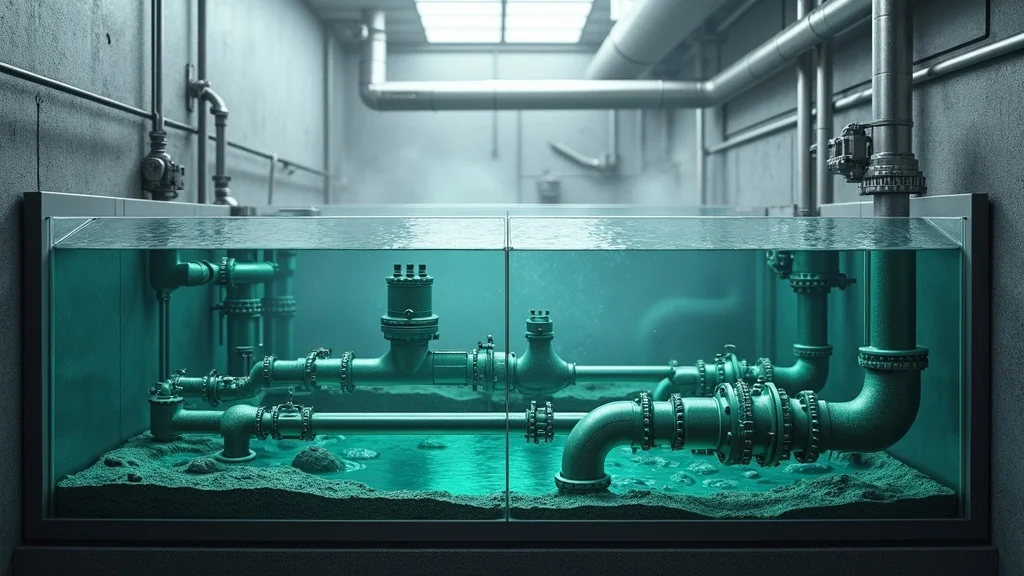
What is FOG in Wastewater Treatment?
- FOG removal wastewater refers to the process of eliminating fats, oils, and grease from wastewater streams before they enter municipal systems or natural water bodies.
- The most common sources of FOG buildup include food service establishments, industrial kitchens, and household drains, all contributing to fog discharge in the wastewater system.
- Without proper fog removal, these oils and grease solidify, restricting flow in pipes, overloading grease interceptors, and jeopardizing the operational integrity of every treatment plant.
For a deeper dive into how environmental service providers can support your facility’s FOG management and compliance needs, explore the solutions and expertise offered by CSI Environmental Inc. Their experience in wastewater treatment can help you address site-specific challenges and optimize your FOG removal strategy.
Why Effective Fog Removal is Essential for Water Treatment and Collection Systems
- Regulators demand strict compliance; untreated FOG can cripple both collection system and wastewater treatment plant function.
- Blockages result in system failures, contaminated water, and equipment downtime, impacting every stage of the water treatment cycle.
- Environmental protection is at stake: one small oversight allows fatty organic material to wreak havoc, endangering aquatic ecosystems and risking serious fines.
“A single gallon of oil can render a million gallons of water undrinkable.” — EPA Water Quality Report
The Science and Process Behind FOG Removal Wastewater Treatment
Biological Treatment: Harnessing Microbes for FOG Removal
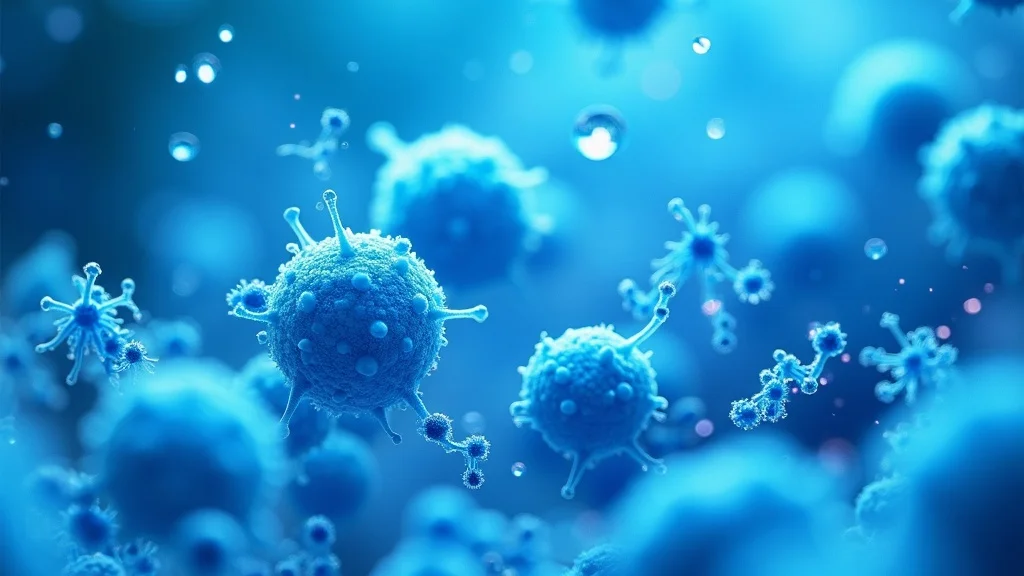
- Biological treatment relies on specialized microbes that digest fatty organic material in wastewater streams. These bacteria break down FOG into harmless byproducts, making this a sustainable and effective treatment method.
- This approach is popular because it supports ongoing water treatment processes with minimal chemical input, but it demands strict environmental controls and ongoing monitoring to ensure the microbes stay active and healthy.
Mechanical and Chemical Methods in FOG Removal Wastewater
- Mechanical skimmers and oil-water separators physically remove FOG from wastewater streams, while chemical additives break up grease and oil into smaller, more manageable components.
- Mechanical methods like separators or grease traps are highly effective for high-flow environments, while chemical options provide a rapid boost—especially during acute fog discharge events. However, finding the right blend and treatment method is crucial to avoid downstream issues.
| Method | Efficiency | Average Cost | Environmental Protection |
|---|---|---|---|
| Biological | Moderate to High (60–90%) | Medium | Excellent, minimal chemical residuals |
| Mechanical | High (up to 95%) | High (equipment, maintenance) | Good, some residual waste |
| Chemical | Fast, spot solution (up to 85%) | Low to Moderate (additive cost) | Variable—risk of downstream chemical contamination |
Common Mistakes in FOG Removal Wastewater Treatment (And How to Avoid Them)
- Underestimating Collection System Maintenance: Many overlook scheduled cleaning of pipes, grease interceptors, and lift stations, leading directly to fog buildup and blockages.
- Ignoring Early Warning Signs: Slow drainage, foul odors, or increasing sewer overflows signal problems with fog removal—but are too often ignored.
- Choosing the Wrong Technology: Each treatment plant is different; selecting inappropriate mechanical, biological treatment, or chemical methods can waste money and jeopardize compliance.
- Lack of Consistent Audits: Failure to regularly audit procedures at the wastewater treatment plant leads to gradual yet severe process failures and noncompliance penalties.
Step-by-Step Guide: Ensuring Reliable FOG Removal in Wastewater Treatment Plants

- Audit existing collection systems for fog buildup. Use internal CCTV inspection and monitor sewer system flow rates for telltale slowdowns.
- Sample and monitor oil and grease concentrations. Establish a routine testing schedule to catch fog buildup early.
- Select appropriate FOG removal methods. Decide between biological, mechanical, or chemical strategies based on flow, load, and compliance needs.
- Implement ongoing training. Keep plant and maintenance managers updated with the latest best practices and compliance regulations.
- Monitor for regulatory compliance. Document all procedures and results to ensure constant alignment with environmental standards.
Watch: Explainer Video – How FOG removal wastewater treatment technology works in practice.
People Also Ask: Addressing Key Questions About FOG Removal Wastewater
How do they remove FOG from wastewater?
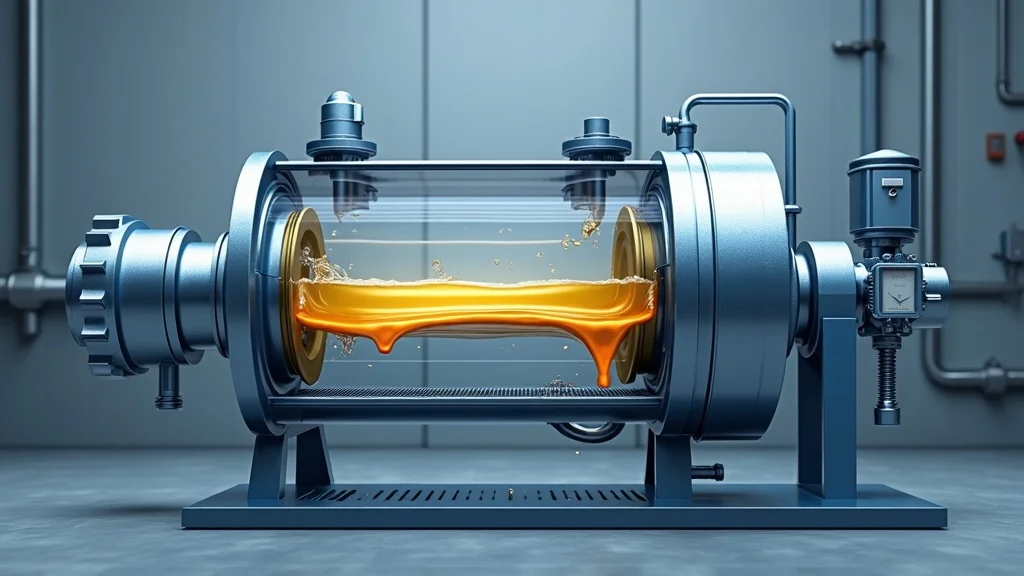
- FOG is removed using a combination of mechanical separation (like skimmers and separators), chemical treatments (including dispersing agents), and biological processes where microbes break down organic material.
- High-flow systems may rely on dissolved air flotation or gravity-based devices to remove FOG, while advanced treatment processes use a blend of all three for maximum results.
What is FOG removal?
- FOG removal is a crucial wastewater treatment procedure designed to eliminate fats, oils, and grease (FOG) from incoming wastewater streams, preventing hazardous buildup in the collection system and ensuring compliance with water treatment plant permits.
How to remove FOG from a drain?
- Prevent FOG buildup by regularly cleaning drains and traps, using enzymatic cleaners, and avoiding pouring oil down the sink. For existing problems, use mechanical rodding and schedule professional grease trap maintenance at least quarterly to prevent collection system issues.
What is FOG wastewater?
- FOG wastewater refers to any wastewater stream containing excessive fats, oils, and grease. Treating this stream is mandatory for treatment plants to avoid system failures and environmental protection violations. Compliance is enforced at local, state, and national levels.
Critical Compliance and Environmental Protection in FOG Removal Wastewater
- Regular compliance assessments help detect small issues before they escalate, protecting the wastewater treatment plant and surrounding environment.

- EHS managers, plant operators, and maintenance teams should keep detailed documentation, conduct periodic audits, and stay current with regulations on fog removal wastewater management to prove due diligence.
“Compliance isn’t just good business – it’s non-negotiable for environmental protection.”
Watch: Interview with regulatory experts on the importance of FOG removal compliance in wastewater treatment.
FAQs on FOG Removal Wastewater Treatment
-
How often should collection systems be inspected for fog buildup?
Inspections should be performed at least quarterly, but high-risk service establishments or heavy-load sites may require monthly checks to prevent unexpected fog buildup and costly system failures. -
Which fog removal methods are most cost-effective for small wastewater treatment plants?
Smaller facilities often benefit from a blend of biological treatment and mechanical grease interceptors, which balance cost, efficiency, and compliance. -
What documentation is needed for FOG removal wastewater regulatory compliance?
Maintain records of all maintenance activities, inspections, sampling results, removal method changes, and staff training programs to ensure a robust compliance trail.
Key Takeaways for Site Managers and Maintenance Teams
- Consistent FOG removal is essential for efficient wastewater treatment and system reliability.
- Proactive management of oil and grease prevents blockages, sewer overflows, and noncompliance penalties.
- Compliance and environmental protection must be at the forefront of every operational decision in fog removal wastewater management.
Ready for Your Compliance Assessment?
- Get Your FREE Compliance Assessment | (800) 690-2436
Don’t risk costly fines or environmental damage—make FOG removal wastewater a top operational priority and schedule your compliance review today.
If you’re looking to expand your understanding of environmental compliance and discover how integrated solutions can elevate your facility’s performance, take the next step by reviewing the comprehensive resources at CSI Environmental Inc. Their expertise spans a wide range of environmental services, offering valuable insights for both immediate operational needs and long-term strategic planning. By exploring their approach, you’ll gain a broader perspective on how proactive environmental management can drive efficiency, sustainability, and regulatory peace of mind for your organization.
Sources:
- EPA – Fats, Oils, and Grease (FOG) Education Materials – https://www.epa.gov/npdes/fats-oils-and-grease-fog-education-materials
- California Water Boards – FOG Factsheet – https://www.waterboards.ca.gov/publications_forms/publications/factsheets/docs/fog.pdf
- CSI Environmental – California Wastewater Compliance – https://csienvironmentalinc.com/California-Wastewater-Compliance
- Water Environment Federation – FOG (Fats, Oils, and Grease) – https://www.wef.org/resources/for-the-public/Water-Words/fog-fats-oils-and-grease/
To enhance your understanding of FOG (Fats, Oils, and Grease) removal in wastewater treatment, consider exploring the following resources:
-
The article “Treating Fat, Oil and Grease in Wastewater” by Enva provides an in-depth look at the challenges FOG presents to wastewater systems and outlines effective treatment solutions, including removal at the source, from drains, and at wastewater treatment plants. (enva.com)
-
The “Fats, Oils, Grease (FOG)” fact sheet from the Connecticut Department of Energy and Environmental Protection offers a comprehensive overview of FOG, its sources, and the importance of proper disposal to prevent environmental issues and potential violations. (portal.ct.gov)
These resources provide valuable insights into the complexities of FOG management and offer practical strategies to enhance your facility’s wastewater treatment processes.



Write A Comment