


Did you know that less than 20% of global wastewater is currently treated and reused? For most facilities, what goes down the drain is a lost opportunity—not only for sustainability but for transforming wastewater from a costly liability into a valuable resource
A Surprising Truth About Circular Economy Wastewater: Introducing the Real Numbers
"Did you know less than 20% of global wastewater is currently treated and reused? The rest is lost water opportunity." – Steve Manii
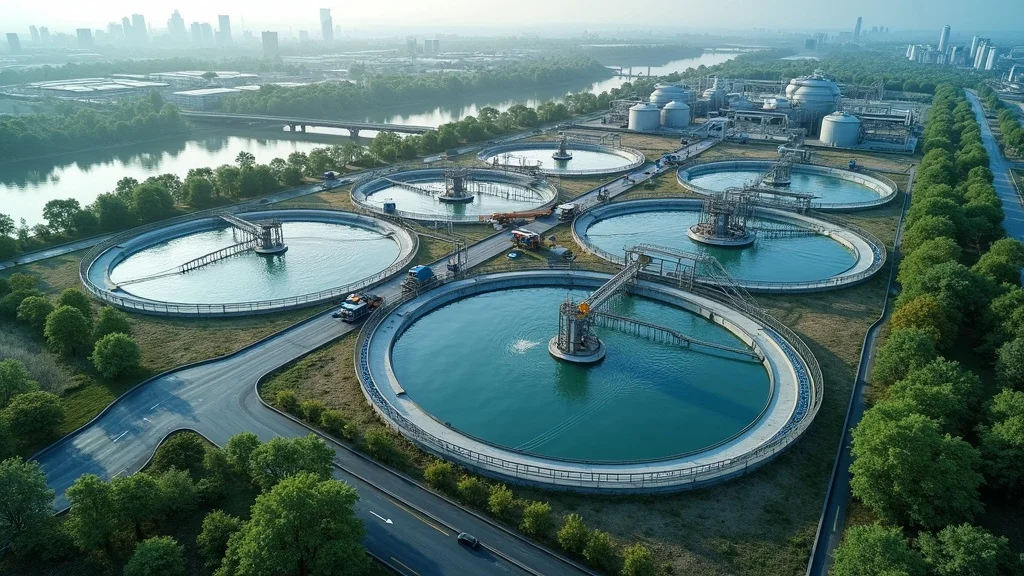
The numbers around circular economy wastewater can be shocking. Today, traditional wastewater management overlooks vast potential for water res and water reuse. While leading-edge treatment plants are adopting sustainable wastewater treatment strategies, most facilities still send the majority of their water resources down the drain. This means millions—sometimes billions—of gallons of water are being wasted, raising operational costs and amplifying environmental impact.
Implementing a circular economy approach to wastewater treatment isn’t just for the eco-conscious; it’s a wise financial decision. Water treatment plants that have shifted to circular models report up to 95% BOD removal and have quadrupled their water reuse rates when compared to old systems. More significantly for plant and EHS managers, investments in sustainable wastewater processes have slashed operational costs and drastically reduced compliance risks. The bottom line: embracing circular economy wastewater is moving from a “nice-to-have” to an operational imperative.
What You’ll Learn About Circular Economy Wastewater and Water Management
- The realities and opportunities hidden in current circular economy wastewater practices
- How wastewater treatment and water management intersect with sustainability
- Expert perspectives on industrial wastewater and municipal waste initiatives
- What plant managers and EHS leaders should consider for compliance and ROI
Defining Circular Economy Wastewater: Beyond Water Treatment and Reuse
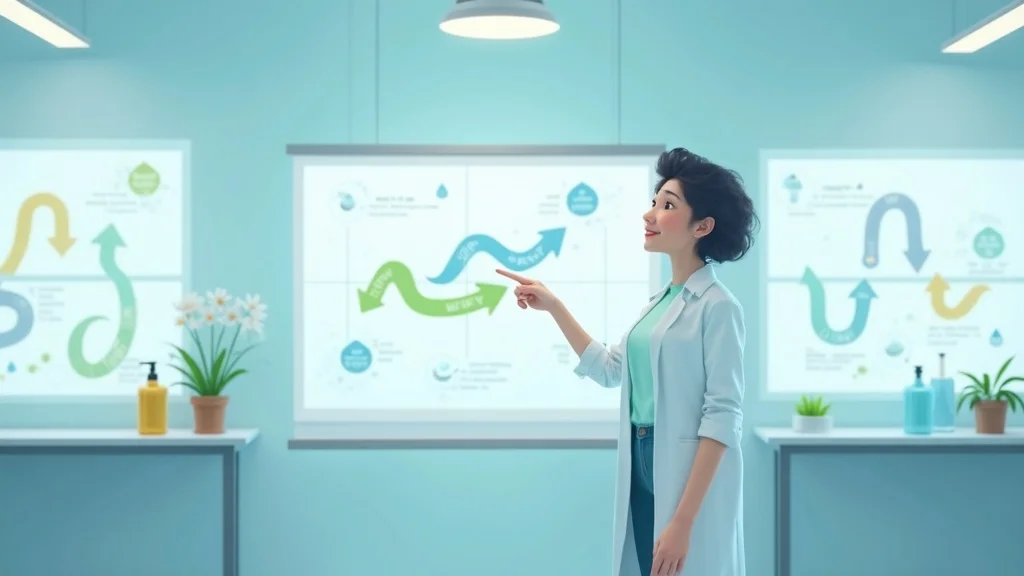
Before we dive deeper, let’s clarify what circular economy wastewater really means. This concept goes beyond simply recycling water or using advanced water treatment technology—it's about reimagining the entire water management lifecycle. In a circular economy, wastewater is seen as a valuable resource—recovered, treated, and reused in a continuous loop, powering operations while protecting water sources and reducing consumption and production impacts.
This approach revolutionizes how both industrial wastewater and municipal wastewater are handled. Traditional linear systems move water from source to end-use then discharge, often neglecting the potential for water reuse and biogas production through greater wastewater treatment plant integration. With circular methods, every drop is optimized, and liquid discharge is minimized, bringing compliance and cost savings to the forefront of water management. Forward-thinking companies like CSI Environmental, guided by leaders like Steve Manii, provide expert support to ensure that every relocation, upgrade, and process change is aligned with both environmental impact goals and the realities of plant operations.
How Circular Economy Wastewater Revolutionizes Wastewater Treatment
At its core, circular economy wastewater transforms outdated treatment processes. Rather than treating water and disposing of it, next-gen wastewater treatment plants continuously cycle water through advanced filtration, nutrient recovery, and energy generation systems. This not only improves water quality and reduces reliance on fresh water resources but also lowers greenhouse gas and gas production associated with energy-intensive linear treatment methods.
For plant managers, the real-world value is tangible: higher operational efficiency, improved compliance with wastewater management regulations, and new revenue streams from recycled water or biogas. Sustainable wastewater treatment is no longer an aspiration—it’s a strategic upgrade that saves money while protecting our collective water resources. Facilities that pursue this route aren’t just ticking the sustainability box; they’re becoming leaders in environmental stewardship and future-proofing their operations.
For organizations seeking practical guidance on implementing these advanced strategies, exploring the expertise and solutions offered by CSI Environmental Inc can provide actionable steps for integrating circular economy principles into existing wastewater treatment operations.
Breaking Down Sustainable Wastewater Treatment in Treatment Plants

Sustainable wastewater treatment in treatment plants is a multi-layered process. It starts with source separation, where different types of wastewater—be it industrial wastewater, municipal waste, or agricultural runoff—are identified and treated with targeted, efficient methods. Advanced sensors and real-time monitoring platforms track water quality through metrics like TSS, COD, BOD, and pH, ensuring compliance and fast adaptation to fluctuating water res demands.
Wastewater treatment plants adopting circular economy wastewater principles utilize membrane bioreactors, nutrient recovery systems, and anaerobic digesters for biogas production. This dramatically cuts greenhouse gas emissions and makes valuable resource recovery economically feasible on large and small scales. By investing in staff training, digital infrastructure, and regular compliance reviews (often with outside consultants like CSI Environmental), treatment plants can shift from cost centers to strategic assets—and become showcases for water management excellence.
Circular Economy Wastewater at the Heart of Water Management
Modern water management requires facilities to go beyond compliance. Circular economy wastewater principles must be embedded in strategic planning, daily operations, and long-term ROI forecasting. The choices made by plant managers and EHS leaders—around technology, process, and partnerships—directly impact both the environmental impact and the financial health of their facilities.
By integrating circular models at every stage—from water sources sourcing to final discharge—organizations can optimize water res, reduce total water consumption, and mitigate climate change risks. This new system isn’t just about eco-friendly branding; it delivers operational resilience, lowers costs, and primes organizations for future regulatory requirements. Wastewater treatment, when managed holistically through circular economy thinking, is the foundation for sustainable, profitable plant management.
Industrial Wastewater and Water Treatment Plant Integration
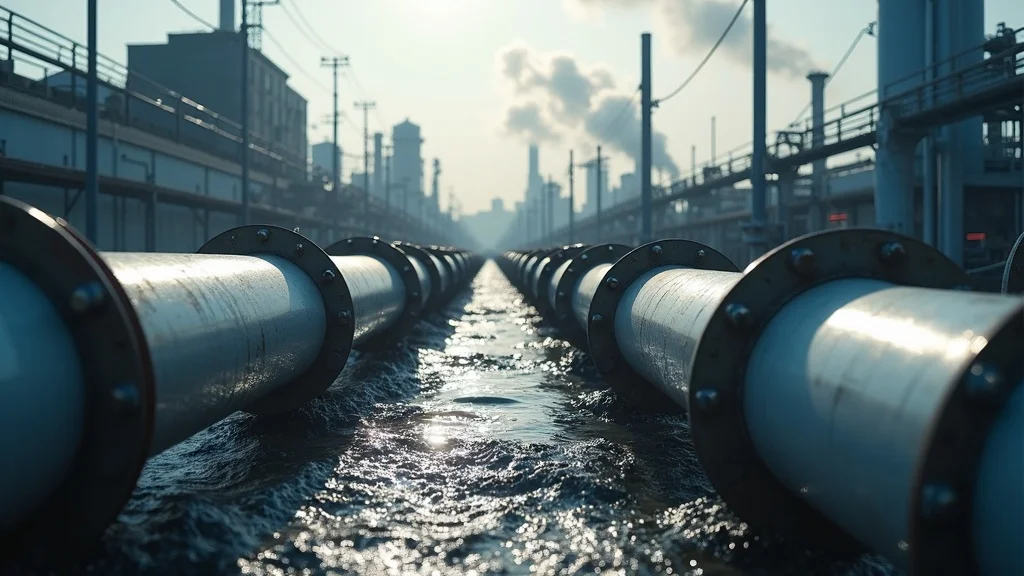
Integrating industrial wastewater streams into centralized water treatment plant operations is a cornerstone of the circular economy model. Historically, industrial sites operated parallel treatment systems or discharged pre-treated water into municipal sewers. Through coordinated integration, these diverse water flows are routed into advanced municipal wastewater systems—maximizing water reuse and reducing the overall footprint of liquid discharge.
The benefits are clear: operational cost reduction, improved compliance assurance, and the ability to recover resources like nutrients and energy within the same infrastructure. This approach increases the efficiency of water management, lessens environmental risks, and enables greater flexibility in responding to shifting production demands. For plant managers and EHS teams, the proof lies in simpler compliance, lower energy bills, and strengthened relationships with regulatory and community stakeholders.
Municipal Wastewater and Circular Economy Principles in Action
Municipal wastewater utilities are leading the way in applying circular economy principles to daily operations. Cities around the world now treat municipal waste not as an endpoint, but as a crucial feedstock for water reuse, green energy, and agricultural applications. Progressive municipalities have introduced smart grid controls, biomonitoring, and recovered water distribution systems—all of which leverage wastewater as a valuable resource to support city sustainability and water resource security.
This has implications beyond city boundaries: advancements in municipal wastewater recycling create scalable blueprints that even smaller industrial and rural operators can adapt. Collaboration between municipal and industrial facilities—backed by comprehensive water management platforms and up-to-date compliance data—unlocks ecosystem-wide efficiencies and supports the broader goals of sustainable development and climate resilience.
Environmental Impact of Circular Economy Wastewater Practices

Adopting circular economy wastewater models has profound benefits on the environment. By drastically reducing water withdrawal from natural resources and increasing treated wastewater quality and reuse, these practices alleviate pressure on local aquifers, rivers, and ecosystems. This leads to restored wetlands, enhanced biodiversity, and healthier communities.
Additionally, circular wastewater treatment slashes greenhouse gas and gas production, lowering the facility’s total carbon and environmental impact. Through investments in biogas recovery, energy-efficient treatment, and nutrient recycling, the environmental payoff is twofold: less pollution leaves the facility, and new sustainable value streams are created. For plant managers, the result is an operation that isn’t simply compliant, but one that actively drives positive environmental change.
Reducing Water Resourcing and the Sustainable Development Mandate
Circular economy wastewater addresses the global mandate for sustainable development by tackling water scarcity and pollution head-on. As demand for clean water intensifies and climate change exacerbates water resource risks, organizations must transition to systems that reduce water consumption, increase reuse, and minimize environmental impact. Advanced treatment plants that employ closed-loop processes not only fulfill their regulatory duties but also contribute to larger societal goals, supporting healthy water sources, resilient infrastructure, and equitable access to safe water.
For executives, compliance officers, and plant managers, aligning with the circular economy means risk reduction—and market differentiation. Increasingly, procurement and investment decisions favor companies with credible water management, sustainability credentials, and a commitment to climate resilience. The pathway forward is clear: adapt or be left behind.
Common Myths About Circular Economy Wastewater Debunked
- Myth: Circular economy wastewater is only for large treatment plants
- Myth: Industrial wastewater cannot be economically reused
- Myth: Wastewater management upgrades ruin a plant’s ROI
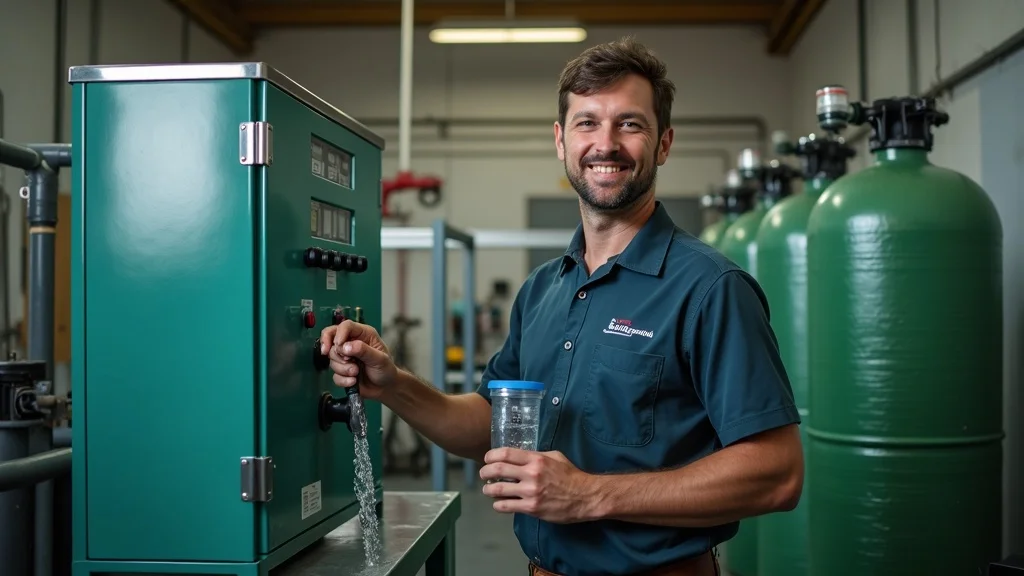
Many organizations dismiss circular economy wastewater solutions, believing they require massive investment, vast space, or only apply to city-scale wastewater treatment plants. In practice, small businesses are already deploying modular treatment units to reuse process water, save on water res, and secure compliance. Contrary to another common belief, industrial wastewater can be efficiently and cost-effectively recycled with the right combination of process design, real-time monitoring, and guidance from firms like CSI Environmental.
Concerns about negative ROI are fast becoming outdated. Recent advances in membrane technology, nutrient recovery, and automated controls enable both small and large sites to turn compliance costs into profit—especially as water and discharge fees rise. With the right expertise, even compact facilities can transform their water management practices for lasting environmental and financial gain.
Case Studies: Innovators in Circular Economy Wastewater
Treatment Plants: Leaders in Wastewater Treatment Plant Overhaul
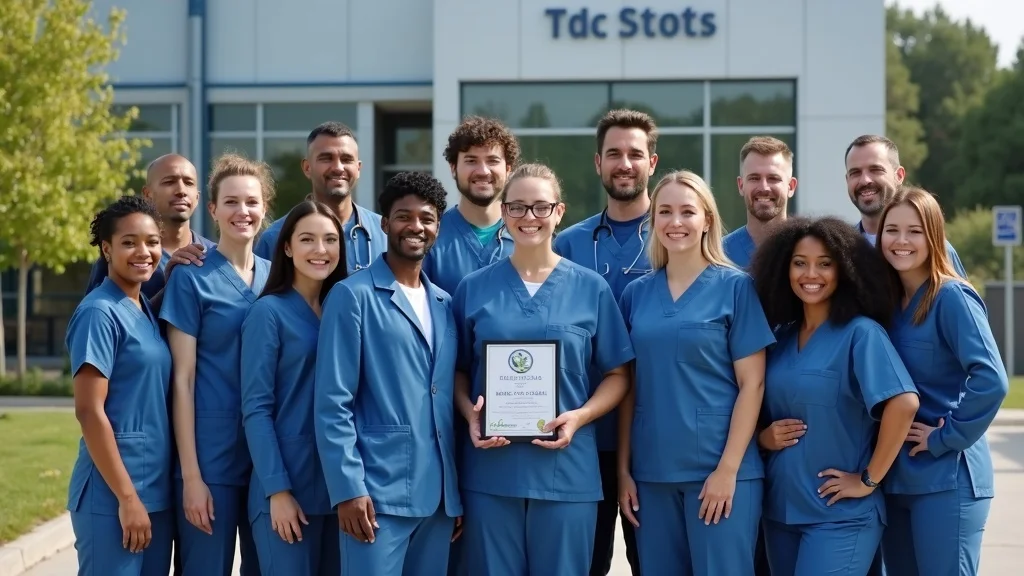
Some of the biggest transformations are happening inside municipal and private wastewater treatment plants. Consider the award-winning upgrades at several US-based facilities, where the implementation of circular economy wastewater principles led to BOD removal rates above 95%, operational cost reductions by over 30%, and nearly 7x increases in water res and reuse. These trailblazing sites integrated automation, nutrient recycling, and biogas production to close the loop and set new standards for compliance, reliability, and environmental impact.
Team culture also matters: at these facilities, cross-departmental collaboration and proactive operator training were essential for adopting new technology and workflows. The result is a workforce invested in continuous improvement—a hallmark of sustainable, future-proof water management.
CSI Environmental and Steve Manii: Transforming Industrial Wastewater
At the forefront of industrial wastewater transformation is CSI Environmental, led by Steve Manii. With decades of experience, CSI Environmental tailors circular economy wastewater solutions for industries ranging from food processors to chemical plants. Their projects focus on maximizing water reuse, optimizing treatment process, and achieving regulatory compliance with minimal disruption.
Steve Manii’s approach is consultative and data-driven—identifying facility-specific opportunities for cost recovery, improved water quality, and emissions reduction. Clients report not only significant operational cost reductions but peace of mind thanks to future-ready compliance strategies and expert support through every implementation phase.
Tables: Comparing Traditional Water Treatment and Circular Economy Wastewater
| Parameter | Traditional Flow | Circular Economy Wastewater Flow |
|---|---|---|
| BOD Removal (%) | 85% | 95% |
| Water Reuse (%) | 5% | 35% |
| Operational Cost Reduction | Low | High |
Watch the educational animation below to see how wastewater journeys through a circular economy system—featuring treatment, reuse, and real-world environmental impact. The cycle reveals the true value of water management done right.
Expert Quote: Why Circular Economy Wastewater is the Unsung Advantage
"Circular economy wastewater systems turn plant liabilities into operational assets and safeguard future water management." – Steve Manii, CSI Environmental
Challenges and Solutions in Wastewater Management for Circular Economy
Addressing Treatment Plant Barriers
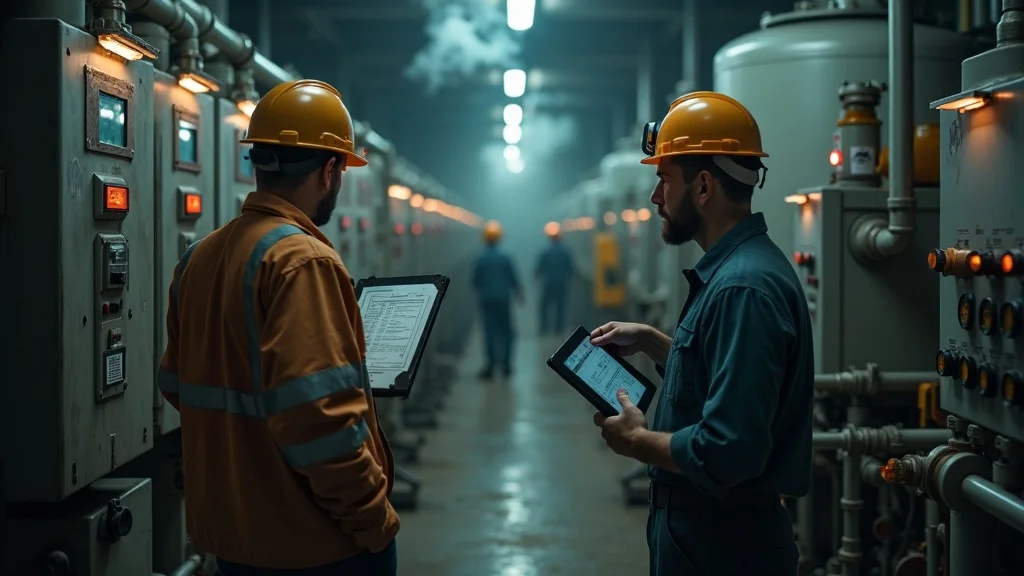
Every treatment plant faces unique barriers on the road to circular economy wastewater adoption. Legacy infrastructure, limited automation, and staff resistance to change can impede progress. Compliance can be particularly challenging for older plants, where gaps in data reporting and control can increase violation risks. Facility layout and local regulations sometimes demand creative engineering solutions as well.
Fortunately, these challenges are surmountable. The key is phased modernization: integrating new monitoring systems, optimizing treatment process, and seeking expert consultation early. Many plants start with pilot projects, building staff familiarity and confidence before going all-in. Engaging CSI Environmental ensures upgrades not only meet current compliance, but anticipate future requirements—minimizing downtime and mitigating risk.
Water Management Strategies for Sustainable Wastewater Treatment
Implementing effective water management strategies starts with comprehensive assessment. Regular analysis of TSS, COD, BOD, and pH reveals compliance gaps and performance trends. Automated dashboards track operational KPIs in real time, giving maintenance and EHS managers the insights they need to optimize plant operations and reduce resource use.
Leading organizations invest in partnerships for knowledge transfer and compliance support. Working with experienced consultants like Steve Manii at CSI Environmental, facilities get customized roadmaps for integrating advanced membrane filtration, anaerobic digestion, and digital controls—each supporting sustainable wastewater treatment and enhanced water res. Ongoing training and technology upgrades ensure long-term success and resilience as environmental and regulatory pressures mount.
List: Best Practices for Sustainable Circular Economy Wastewater Implementation
- Optimize industrial wastewater flows
- Continuously monitor treatment plants for efficiency
- Engage consulting like CSI Environmental for compliance guidance
- Integrate advanced water reuse technologies

Frequently Asked Questions About Circular Economy Wastewater
How does circular economy wastewater support sustainable development?
Circular economy wastewater enables sustainable development by minimizing water consumption, maximizing reuse, and reducing pollution discharge. By keeping water and nutrients in continuous cycles, treatment plants lower their environmental impact and support long-term water security—an essential contributor to community resilience in the face of climate change and natural resource scarcity.
What are the main barriers for wastewater treatment plants?
The main barriers for wastewater treatment plants include aging infrastructure, lack of automation, inconsistent data collection, and limited staff training in new technologies. Financial constraints and regulatory uncertainty can also slow adoption. However, phased upgrades and expert partnerships can help treatment plants overcome these challenges efficiently.
How can my facility improve water res and reduce industrial wastewater?
Facilities can improve water res and reduce industrial wastewater by implementing real-time monitoring systems, optimizing internal water flows, and investing in advanced treatment technologies. Consulting with experienced firms like CSI Environmental helps identify compliance risks, uncover cost-saving opportunities, and craft an ROI-focused roadmap for sustainable upgrades.
Key Takeaways: Circular Economy Wastewater for Plant Managers
- Circular economy wastewater strategies mean significant environmental and financial ROI
- Readiness for compliance reduces downtime and risk for water management
- Expert partners like CSI Environmental and Steve Manii de-risk new system implementation
Discover the clear business case for circular economy wastewater—hear directly from plant managers about the cost, compliance, and sustainability advantages of modern water management.
Conclusion: Leading the Change in Circular Economy Wastewater
Plant managers who lead on circular economy wastewater don’t just protect their operations—they help shape a sustainable future for all. Reach out for a complimentary system assessment and take the next step toward compliance, cost savings, and resilience.
Get a A complimentary wastewater system assessment that includes: ✅ Analysis of current TSS, COD, BOD, and pH levels ✅ Identification of compliance risks before they become violations ✅ Cost-saving opportunities based on proven results ✅ Clear ROI projections for any recommendation | (626) 608-7603
If you’re ready to deepen your understanding of how circular economy principles can transform your facility’s water management, consider exploring the broader expertise and innovative solutions available from CSI Environmental Inc. Their comprehensive approach to environmental consulting and sustainable engineering can help you navigate complex regulatory landscapes, optimize resource recovery, and future-proof your operations. By leveraging industry-leading knowledge and tailored strategies, your organization can move beyond compliance to achieve measurable sustainability and operational excellence. Take the next step toward a resilient, circular future by connecting with experts who are shaping the next era of water and environmental management.
Sources
- UN Water – https://www.unwater.org/water-facts/wastewater
- US EPA – https://www.epa.gov/sustainable-management-wastewater
- WaterWorld – https://www.waterworld.com/wastewater/reuse-recycling/article/14193474/moving-toward-circular-economy-in-wastewater-management
- CSI Environmental – https://www.circwater.com/
To deepen your understanding of circular economy wastewater practices, consider exploring the following resources:
-
“Industrial Symbiosis and the Circular Economy of Water”: This article discusses how industries can collaborate to share resources, such as water and energy, thereby reducing waste and enhancing sustainability. (iwa-network.org)
-
“Building a Circular Economy Option Through Wastewater Treatment and a Resource Recovery Approach”: This paper explores the transformation of wastewater treatment plants into resource recovery facilities, emphasizing the recovery of nutrients and energy from wastewater. (mdpi.com)
These resources provide valuable insights into innovative approaches for integrating circular economy principles into wastewater management, highlighting practical applications and benefits.

Write A Comment