


Startling Fact: Did you know that less than 1% of our planet’s freshwater is easily accessible for use? With global industries pouring billions of gallons down the drain every year, a revolutionary approach like zero liquid discharge wastewater may not just be a breakthrough – it could be an urgent necessity for sustainable water management and regulatory compliance
What You'll Learn About Zero Liquid Discharge Wastewater
- Gain a comprehensive understanding of zero liquid discharge wastewater and its role in advanced water treatment
- Explore the science behind ZLD systems and wastewater treatment methods
- Discover the benefits, challenges, and regulations shaping water management
- Assess whether a ZLD system suits your facility’s wastewater treatment needs
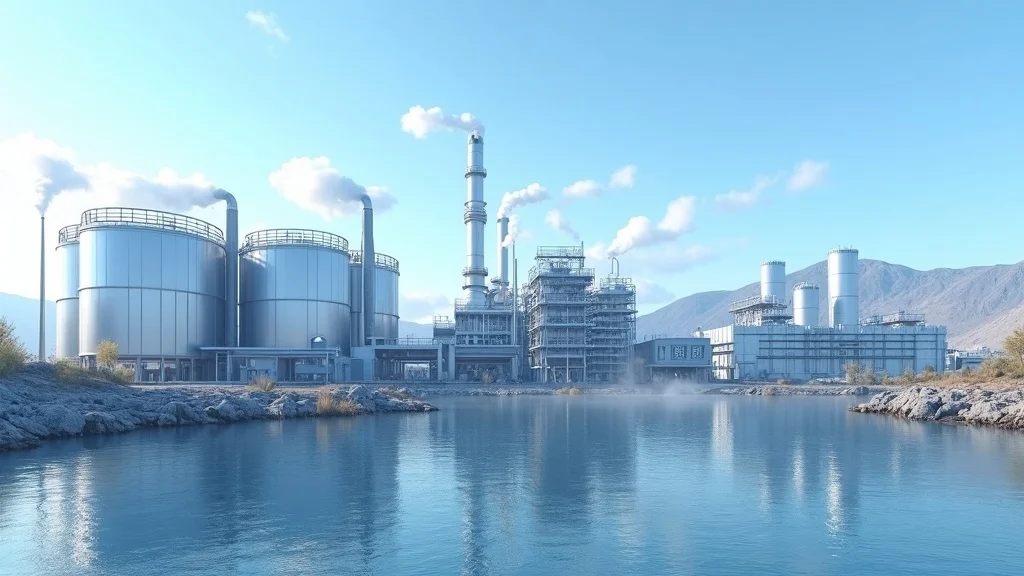
A Surprising Fact: Zero Liquid Discharge Wastewater and Global Water Management
"Did you know that less than 1% of the world’s freshwater is easily accessible, making advanced liquid discharge solutions like zero liquid discharge wastewater more critical than ever?" – Steve Manii, CSI Environmental
Water scarcity isn’t a concern for the future – it’s a challenge industries face right now. As freshwater becomes harder to find, innovative solutions like zero liquid discharge wastewater (ZLD) are shifting the landscape of wastewater treatment and resource management. Businesses are not just seeking to comply with liquid discharge regulations; they are looking for ways to reclaim every drop for reuse, reinforcing the value and urgency of advanced approaches.
Defining Zero Liquid Discharge Wastewater: Moving Beyond Conventional Water Treatment
What Does Zero Liquid Discharge Mean?
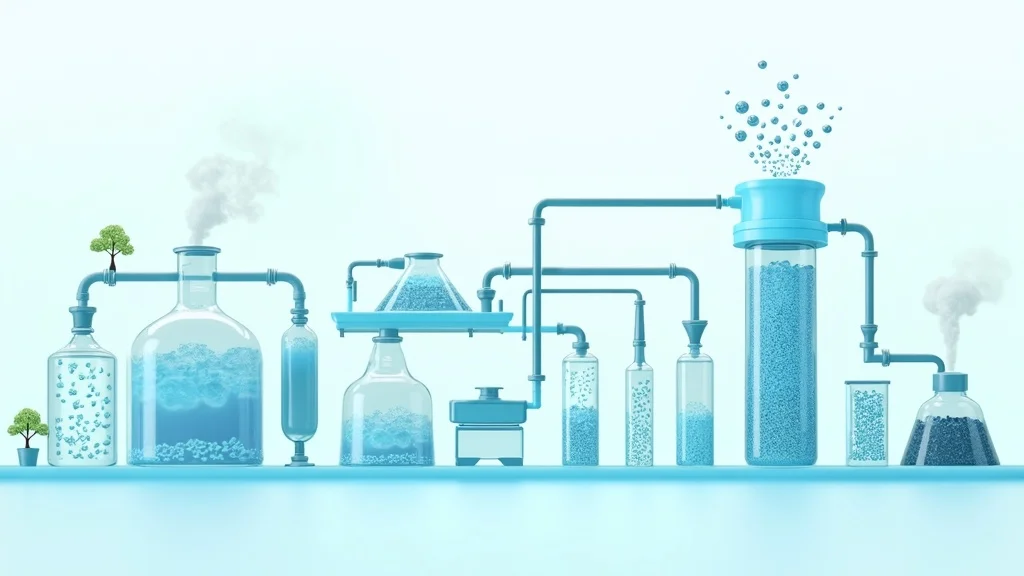
Zero liquid discharge means that a facility’s wastewater treatment system effectively ensures no liquid waste leaves the site. Instead of releasing treated effluent into nearby water bodies, a ZLD system recycles and recovers nearly all process water. Technologies like reverse osmosis, evaporation, and crystallization work together in a ZLD process to concentrate dissolved solids into manageable solid waste, with purified water looped back for reuse. This not only reduces water discharge to zero but also minimizes a site’s environmental footprint while supporting compliance with environmental and water management standards.
In practical terms, achieving ZLD means industries are moving away from typical discharge permits toward solutions where water recovery is maximized, and waste streams are transformed into valuable byproducts. The push for ZLD systems arises from tightening regulations and a mounting need for smarter wastewater management.
For organizations seeking to implement these advanced solutions, understanding the full scope of CSI Environmental’s wastewater treatment services can provide practical insights into system design, integration, and ongoing support for ZLD and other water management strategies.
What Does 0 Discharge Mean?
The phrase “0 discharge” is often used interchangeably with zero liquid discharge. It means absolutely no liquid waste, such as contaminated effluents or industrial brine, is released into the environment. Instead of relying solely on evacuation ponds or partial methods, a ZLD system captures, treats, and recycles every drop from the wastewater stream. Solid waste materials like crystallized salts and sludge are safely managed and disposed of in compliance with stricter guidelines. The result is truly closed-loop water management, indispensable for industries near sensitive ecosystems or in regions facing water stress.
With environmental policies growing more rigorous, “0 discharge” not only reflects a technical achievement but also a new paradigm in sustainable operations, led by industries who must balance operational demands with responsible resource stewardship.
What is Zero Liquid Discharge Guidelines?
Zero liquid discharge guidelines are a set of standards and best practices established by authorities like the EPA and local agencies. These guidelines outline how industries must operate their treatment systems to eliminate all liquid waste release. Standards typically cover monitoring of total dissolved solids, limits for suspended solids, operational procedures for brine concentrators and crystallizers, as well as guidelines for proper solid waste management. Adhering to ZLD guidelines is crucial for maintaining compliance, avoiding penalties, and protecting community water resources.
Additionally, these guidelines offer benchmarks for emerging ZLD technologies, specifying minimum efficiency levels for water recovery rates and solid waste reduction. The focus is on safeguarding groundwater, ensuring reliable wastewater treatment, and promoting the use of advanced technology in line with sustainable water management policies.
How Zero Liquid Discharge Wastewater Systems Work
Core Principles of ZLD Systems in Wastewater Treatment
At the heart of every ZLD system is a multi-stage process that maximizes water recovery while separating out all dissolved and suspended solids. Initial stages such as pre-treatment vigorously remove large particles and organic matter from the wastewater stream. Next, advanced reverse osmosis units and high-efficiency membrane filters concentrate impurities into a dense brine, reclaiming high-quality water fit for industrial reuse.
Final stages of the ZLD process typically involve evaporation units and crystallizers, which further remove water by converting it into steam and separating out solid salts or other residues. Each stage is carefully regulated to control energy consumption, minimize waste, and ensure overall system reliability. In this way, ZLD systems turn a potentially polluting wastewater discharge into recoverable resources and manageable byproducts.
Role of ZLD Technologies in Modern Water Treatment Systems
Modern ZLD technologies have revolutionized how industries approach water treatment. Sophisticated process engineering combines tried-and-true filtration with innovations in brine concentrator design, membrane technology, and automated controls. Advanced ZLD systems now handle a wide range of complex industrial wastes — from heavy metals in mining to dye-laden streams in textiles — all while meeting ever-stricter discharge standards.
Key technologies such as heat exchangers, multi-effect evaporators, and smart sensors work in concert to reduce operational cost and energy consumption. With the growing emphasis on ESG and sustainable operations, the integration of ZLD technologies is quickly becoming the gold standard in wastewater treatment for large-scale industrial water management.

Integration with Reverse Osmosis, Heat Exchangers, and Evaporation
The secret to ZLD’s performance lies in how it brings together multiple treatment processes: reverse osmosis efficiently removes most dissolved ions and organic pollutants, while heat exchangers optimize the system’s energy use by preheating influent water with residual process heat. After membrane filtration, high-strength brine is processed through evaporation and crystallization. These steps convert liquid waste into a concentrated solid form, suitable for landfill or recycling, and a stream of purified water.
This integration of advanced processes makes ZLD systems highly adaptable to a range of waste profiles and operational demands. As new industrial challenges arise — such as increasing contaminants or regulatory limits — modern ZLD designs can scale in sophistication and capacity, ensuring compliance and optimized water recovery.
| Criteria | Standard Wastewater Treatment | Zero Liquid Discharge Wastewater |
|---|---|---|
| Water Discharge | Effluent is released to environment or sewer | No liquid discharge; water is recovered and recycled |
| Solid Waste | Partial solid removal, possible liquid waste remains | All dissolved and suspended solids recovered for disposal/reuse |
| Resource Efficiency | Moderate; water is partially reused | Maximum; nearly all water is recovered and reused |
| Regulatory Compliance | Subject to discharge limits and permits | Meets/exceeds strictest regulatory requirements |
| Operational Complexity | Lower; fewer process steps | Higher; requires advanced control and maintenance |
| Capital and Energy Costs | Lower initial investment, ongoing effluent fees | Higher initial investment, long-term water and cost savings |
CSI Environmental's Approach to Zero Liquid Discharge Wastewater
"Our tailored ZLD solutions offer measurable water recovery and ensure ongoing compliance with stringent discharge regulations." – Steve Manii, CSI Environmental
CSI Environmental stands at the forefront of the ZLD revolution by designing bespoke zero liquid discharge wastewater solutions that fit each client’s unique operational and regulatory needs. Their experts begin every project with a detailed water management assessment, analyzing a facility’s current wastewater treatment design, water chemistry, and compliance status. By leveraging advanced ZLD technology — from high-recovery reverse osmosis to integrated brine crystallization — CSI Environmental delivers sustainable, cost-effective, and regulation-proof systems.
Beyond installation, CSI Environmental provides ongoing system monitoring, staff training, and rapid technical support to maximize lifecycle value and ensure that every drop is recovered, every standard met, and every client protected from costly violations. Their mission: transform wastewater from a liability into a valuable, reusable asset.
Key Components of a Zero Liquid Discharge Wastewater Treatment System
- Pre-Treatment and Solids Removal Processes: These critical first steps remove large debris, oil, and suspended solids from the wastewater stream. Advanced screening and settling systems minimize the load on downstream equipment, increase recovery rates, and extend membrane and evaporator life.
- Reverse Osmosis and Advanced Filtration: High-pressure membranes separate clean water from the majority of dissolved and micro-particulate impurities. This stage is essential for maximizing water recovery and producing a minimal high-strength brine for final processing.
- Evaporation, Crystallizers, and Solid Waste Management: Final water extraction occurs in thermally driven evaporators and crystallizers, turning brine into solid waste, such as crystallized minerals or sludge, which can then be safely disposed or recycled according to environmental standards.
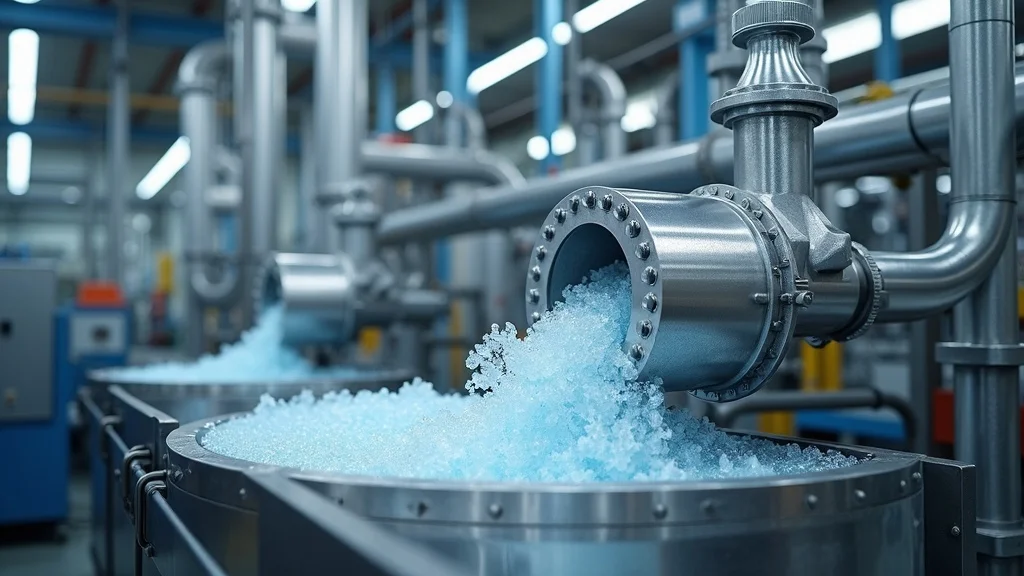
- Water Recovery and Resource Reuse: Purified and reclaimed water is recycled back into the site’s industrial process—reducing dependency on fresh water, shrinking operational costs, and minimizing environmental impact.
The Benefits of Zero Liquid Discharge Wastewater for Industry
- Enhanced water recovery and resource efficiency
- Minimized environmental impact and compliance with water management regulations
- Reduction in overall wastewater treatment costs
- Improved ESG (Environmental, Social, and Governance) outcomes
What Are the Benefits of Zero Liquid Discharge?
By embracing zero liquid discharge wastewater solutions, industries reap a range of crucial benefits. Water recovery rates rise significantly—often exceeding 95%—helping companies secure consistent water supplies while avoiding costly supply disruptions. With stringent liquid discharge limits, ZLD systems support full compliance, reducing the risk of fines, shutdowns, or reputational damage.
Additionally, the conversion of waste brine into manageable solid waste slashes disposal costs and prevents soil or groundwater contamination. ZLD solutions also unlock cost savings through process optimization, lower fees, and reduced dependency on fresh water sources. These outcomes contribute to robust ESG credentials, fostering trust with regulators, customers, and the wider community.
Zero Liquid Discharge Wastewater Guidelines: Compliance, Regulation, and Standards
- EPA and local authority requirements for liquid discharge
- How ZLD systems ensure adherence to evolving wastewater treatment laws
Strict regulatory pressure from agencies like the Environmental Protection Agency (EPA) is accelerating the adoption of zero liquid discharge wastewater systems. Facilities are now expected to meet lower thresholds for total dissolved solids and other water quality markers. ZLD systems not only meet but typically exceed these standards by virtually eliminating any chance for contaminated effluent release.
Additionally, evolving wastewater treatment laws mean compliance today is about future-proofing your operations. Choosing a ZLD approach—especially with partners like CSI Environmental—positions facilities to address new or upcoming regulatory frameworks without disruptive retrofits or upgrades.
Challenges of Zero Liquid Discharge Wastewater Implementation
- Operational complexities in ZLD systems
- Capital investment and long-term ROI
- Managing solid waste and system maintenance
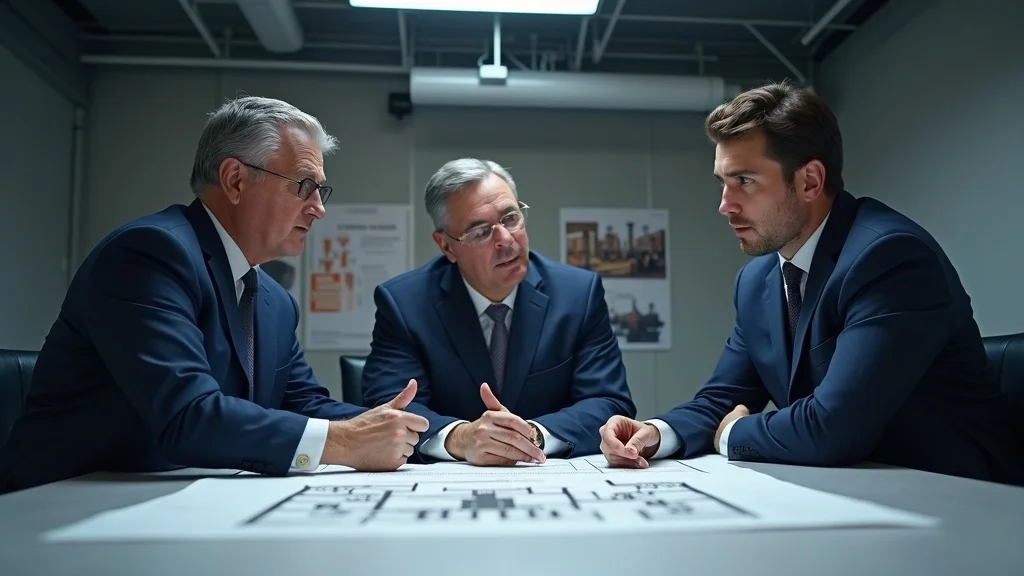
While the case for ZLD is strong, the technology does entail unique challenges. System complexity requires precise engineering, robust automation, and ongoing technical oversight—factors that can present a learning curve for plant operators. Initial capital expenditure for a ZLD system is higher than standard treatment; however, savings from water recovery, compliance, and resource reuse can yield impressive returns over time.
Solid waste management and periodic equipment maintenance are also critical. As high volumes of contaminants are condensed into solids, facilities must develop responsible disposal or recycling strategies. Partnering with experienced ZLD experts such as CSI Environmental is the most effective way to overcome these barriers and maximize system value.
Industry Applications: Where Zero Liquid Discharge Wastewater Excels
- Power generation and refineries
- Textile and chemicals manufacturing
- Mining, metals, and pulp & paper industries
- Municipal water management
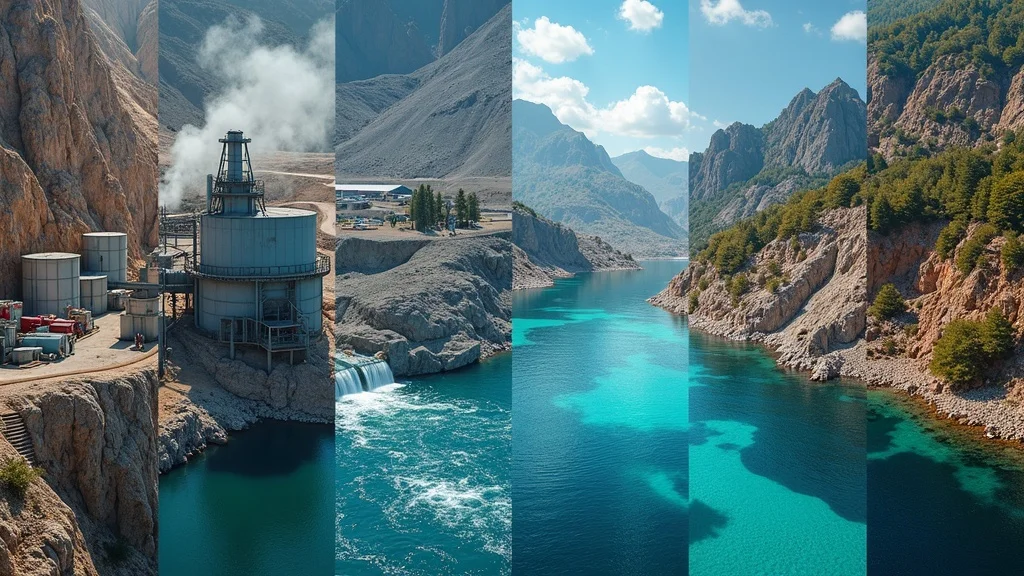
Zero liquid discharge wastewater technology is relied on in sectors where both water scarcity and regulatory pressure are most acute. Power plants and refineries use ZLD to recover water from cooling tower blowdown and boiler feed streams. The textile, chemical, and pulp & paper industries implement ZLD to eliminate complex contaminants and reclaim water for process use. Mining and metal facilities deploy ZLD to protect local water sources and recover valuable minerals.
Municipal water treatment plants are increasingly turning to ZLD as a way to meet new urban growth challenges and recycling goals. The versatility and adaptability of modern ZLD technologies make them applicable to virtually any wastewater-intense sector.
How to Evaluate the ROI of Zero Liquid Discharge Wastewater Systems
- Analyzing water recovery rates
- Forecasting cost savings and operational impacts
To justify investment, facility leaders should weigh direct and indirect savings from water recovery, reduced discharge fees, minimized compliance risks, and fully-optimized operations. Key variables to analyze include system size, process integration, technology selection, and local utility costs. Forward-looking managers partner with ZLD experts to model ROI over a multi-year period, factoring in projected water scarcity and future regulation risk.
A properly sized and engineered ZLD system pays for itself through lower net water use, improved resource efficiency, reduced operational interruptions, and robust environmental standing—all key drivers for long-term profitability.
| ROI Factor | Standard Treatment | Zero Liquid Discharge (ZLD) |
|---|---|---|
| Water Purchase Cost (Yearly) | $500,000+ | $100,000–$200,000 |
| Compliance & Discharge Fees | $50,000–$120,000 | Minimal or none |
| Solid Waste Disposal Cost | Moderate | Slightly higher, solid only (cost offset by reduced water use) |
| ESG/Brand Impact | Neutral, compliance-dependent | Strongly positive, ESG leadership |
| Payback Period | 5–8 years | 2–5 years (with grants/incentives) |
Animated explainer video showing the ZLD wastewater treatment process — visually engaging, transitions from contaminated input to purified water and recovered solids, with labeled stages such as pre-treatment, filtration, evaporation, crystallization, and clean water release, modern branding, smooth animations, uses blues/greens/metallic palette, professional voiceover or captions for accessibility.
Frequently Asked Questions About Zero Liquid Discharge Wastewater
What does zero liquid discharge mean?
Zero liquid discharge is a wastewater treatment strategy that eliminates all liquid effluent leaving a facility. Through a combination of filtration, reverse osmosis, evaporation, and solid waste management, all process water is recovered for reuse and only solids are removed for disposal. This approach supports both environmental protection and resource conservation.
What does 0 discharge mean?
"0 discharge" is another way of describing zero liquid discharge. It means that no liquid waste or effluent leaves the facility. Water is fully recycled and solid residues are handled safely, making the process ideal for industries with strict compliance requirements or where water conservation is vital.
What is zero liquid discharge guidelines?
Zero liquid discharge guidelines are regulatory and industry benchmarks governing the operation of ZLD systems. These may set limits for suspended solids, dissolved solids, chemical concentrations, and outline how water is to be recovered and residual solids disposed. Adhering to these guidelines ensures a facility operates within environmental and health regulations.
What are the benefits of zero liquid discharge?
The benefits of ZLD include maximized water recovery, elimination of liquid waste streams, compliance with tough regulations, reduction of environmental impact, and improved operational savings over time. ZLD also boosts a facility’s ESG score and prepares it for future water management challenges.
Key Takeaways: Transforming Wastewater Treatment with Zero Liquid Discharge
- Zero liquid discharge wastewater provides both environmental and economic benefits
- A ZLD system ensures regulatory compliance and maximizes water recovery
- CSI Environmental delivers customized ZLD solutions with proven results

Ready to Discover the Benefits of Zero Liquid Discharge Wastewater?
Get a complimentary wastewater system assessment that includes: ✅ Analysis of current TSS, COD, BOD, and pH levels ✅ Identification of compliance risks before they become violations ✅ Cost-saving opportunities based on proven results ✅ Clear ROI projections for any recommendation | (626) 608-7603
Conclusion: Zero liquid discharge wastewater is more than a technical solution—it’s the future of sustainable, compliant, and profitable industrial water management. Partnering with innovators like CSI Environmental ensures your plant is ready for tomorrow, today.
If you’re interested in taking your facility’s environmental performance to the next level, exploring the full range of services and expertise offered by CSI Environmental Inc can help you unlock new efficiencies and stay ahead of evolving regulations. Their holistic approach to water, air, and soil solutions empowers organizations to build resilient, future-ready operations. Dive deeper into their capabilities to discover how integrated environmental management can drive both compliance and long-term value for your business.
Sources
- EPA – https://www.epa.gov
- CSI Environmental – https://csienvironmental.com
- Water Online – https://wateronline.com
- WaterWorld – https://www.waterworld.com
- Water Tech Online – https://www.watertechonline.com
For a comprehensive understanding of ZLD, including its technologies and benefits, consider exploring the article “What is Zero Liquid Discharge?” by Wastewater Digest

Write A Comment