


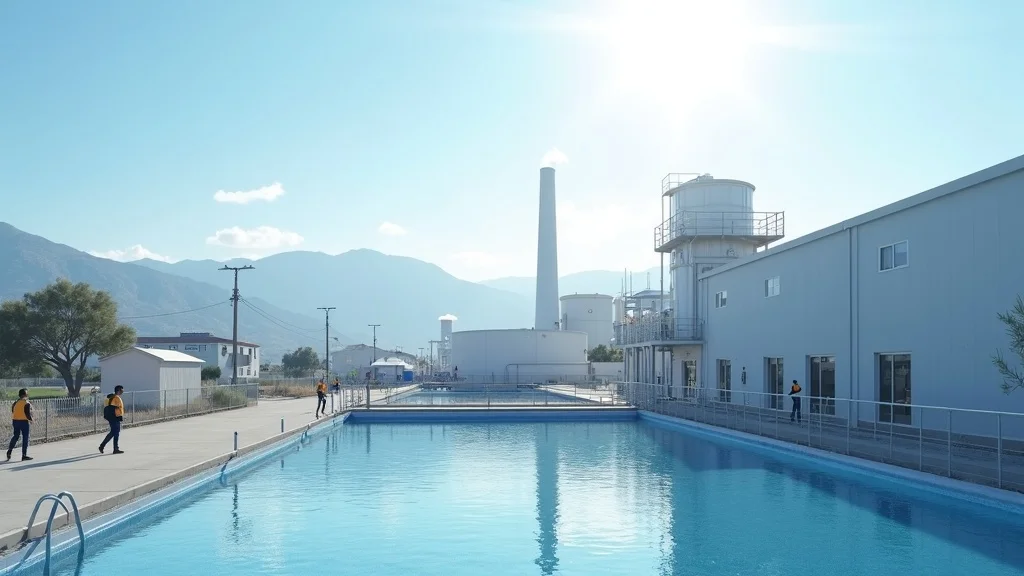
Did you know? Each year, California’s industries pump out enough wastewater to fill hundreds of thousands of Olympic-size pools—but less than 20% gets reused
-
What You'll Learn About Water Reuse Industrial California
- The importance and urgency of water reuse for California industries
- Key technologies: recycled water, reverse osmosis, potable reuse, and direct potable reuse
- Step-by-step of how industrial water projects work
- Major success stories and project outcomes
- How compliance, safety, and regulation are managed
- Expert guidance to maximize savings, compliance, and sustainability, plus a complimentary assessment from CSI Environmental and Steve Manii
A New Era of Water Reuse Industrial California: Why It Matters Now
California sits at a critical crossroads. Increasing droughts, mounting compliance standards, and growing manufacturing demand have transformed how industries manage water. Water reuse industrial California is no longer a future option—it’s a business and environmental necessity. Forward-thinking companies are moving beyond basic conservation, adopting leading-edge water projects that turn municipal wastewater and treated wastewater into valuable assets. Not only do these projects support water supply reliability and resource resilience, but they also drive direct cost savings and enhanced public health protections.
Over the past decade, direct potable reuse, recycled water, and advanced reverse osmosis water treatment plant installations have shifted from pilot programs to mainstream industrial best practices. The state water board and regional agencies now recognize these solutions as critical building blocks for California’s economic and environmental future. The pressure is on for manufacturers: early adoption of industrial water projects can secure competitive supply, circumvent water shortages, and maintain regulatory compliance even as requirements tighten. If your facility has not evaluated its water reuse options, you could be overlooking significant ROI and major risk mitigation advantages.
For organizations seeking to implement or upgrade their water reuse systems, understanding the full compliance landscape is essential. You can find a detailed overview of environmental services and compliance support tailored to California industries by visiting CSI Environmental Inc, which offers practical solutions for water treatment, permitting, and ongoing regulatory management.
Startling Numbers: The Reality of Industrial Water Use and the Rise of Recycled Water in California
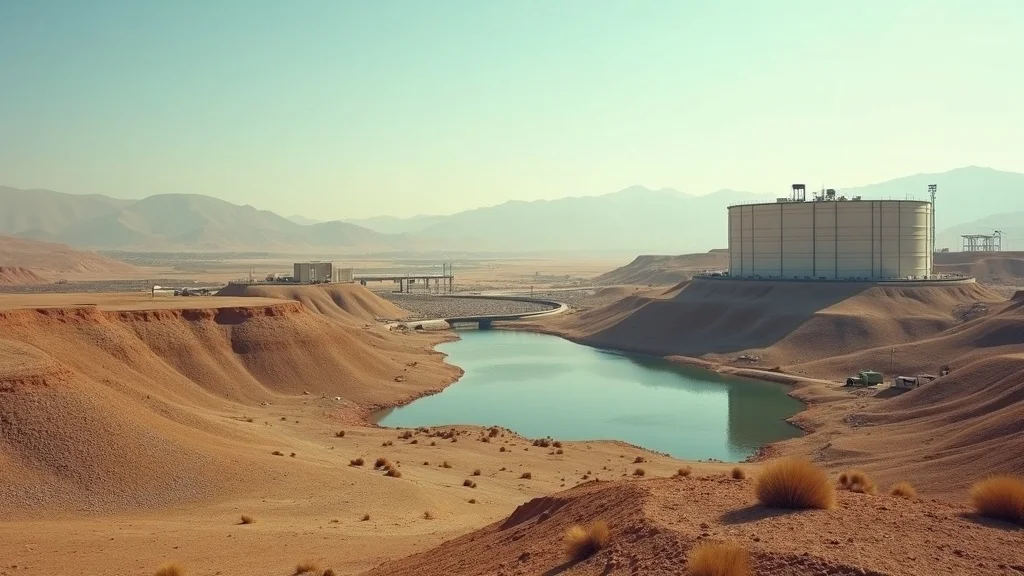
Quote: "With drought cycles intensifying, water reuse isn’t a choice—it’s an industrial imperative." – Steve Manii, CSI Environmental
California industries rank among the state’s top water consumers, with manufacturing, food processing, chemical, and pharmaceutical sectors all requiring substantial volumes daily. According to the state water control board, the average industrial facility discharges thousands of gallons of treated wastewater every day. For decades, this water flowed out as waste—despite ever-tightening water supply and quality restrictions.
Now, with ongoing droughts, advanced water treatment technologies, and greater pressure for regulatory compliance, the recycled water project has become standard practice in leading sectors. In fact, direct potable reuse and recycled water projects have surged, with hundreds now operational statewide, often providing facilities with up to 80% water supply savings. Today’s leading water projects don’t just bolster the bottom line—they future-proof business operations, slash state water resource risks, and align with California’s ambitious environmental and public health goals.
How Does Water Reuse Industrial California Work? Key Processes and Technology
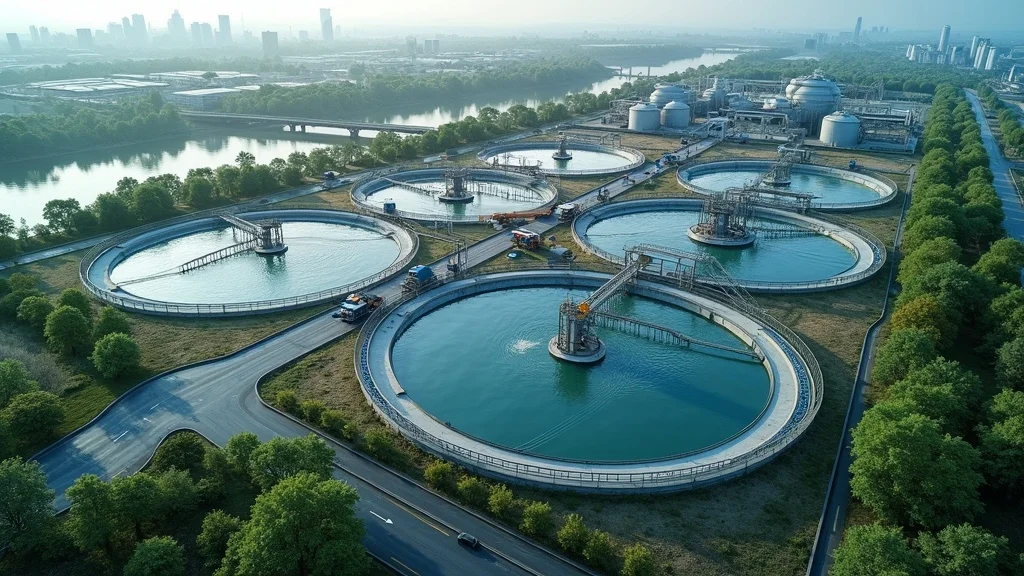
Water reuse industrial California leverages an advanced sequence of treatment and reclamation stages, transforming municipal and onsite industrial wastewater into clean, reliable, and compliant water for reuse. Understanding how these projects work is essential for any facility considering their own water project. The journey typically begins at a treatment plant—either municipal or on-site—where primary pollutants are removed. From here, the water enters a series of high-tech filtration and advanced treatment stages, often culminating in reverse osmosis and disinfection before being piped back for industrial use or sent for groundwater recharge.
These high-efficiency systems deliver more than resource savings. By incorporating real-time monitoring for water quality parameters such as TSS, COD, BOD, and pH, they also assure regulatory compliance, safeguard potable water supplies, and protect public health—three crucial mandates for manufacturers aiming to excel in California’s regulated industrial environment. Industrial water reuse projects don’t just treat water: they build resilience, flexibility, and a competitive advantage.
Water Reuse, Recycled Water, and Potable Reuse: Clarifying the Terminology
Navigating the world of industrial water reuse means understanding its key terms:
- Recycled Water: Treated municipal or industrial wastewater, suitable for non-potable uses like cooling towers, irrigation, and industrial washing—or further refined for potable supply.
- Potable Reuse: Advanced-treated recycled water, meeting standards for safe injection into the drinking water system or for blending with traditional sources before reaching consumers.
- Direct Potable Reuse: Water purified to such advanced levels that it is introduced directly into drinking water supplies without an environmental buffer, using multiple layers of safeguards to protect public health.
- Groundwater Recharge: Purified recycled water is injected back into underground aquifers, where it blends and is later drawn for potable and industrial use—helping replenish depleted water resources.
Step-by-Step Overview of a Typical Water Reuse Industrial California Project
- Treatment Plant Integration: Wastewater is delivered to an on-site or regional treatment plant where solids and primary contaminants are removed.
- Advanced Treatment: Secondary and tertiary filtration—often via ultrafiltration and reverse osmosis—removes minute particles, organics, and trace contaminants.
- Disinfection: Ozone, UV, or chlorine treatments eliminate pathogens and ensure stringent water quality, meeting regional water and public health standards.
- Groundwater Recharge or Direct Potable Reuse: Depending on project goals, water is reintroduced to aquifers or piped back for further industrial or potable reuse.
- Continuous Monitoring and Compliance: Automated systems track key indicators—TSS, COD, BOD, pH—to prevent costly violations and maintain state compliance.
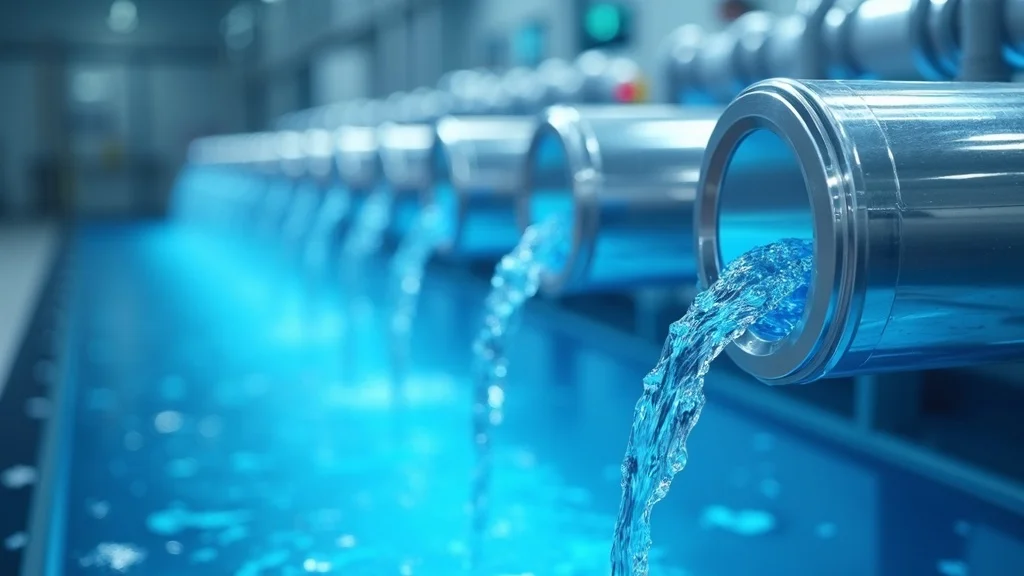
Table: Comparing Water Reuse Industrial California Solutions Across Sectors
| Sector | Water Project Type | Average Savings | Key Compliance Features |
|---|---|---|---|
| Food & Beverage | Recycled Water, Potable Reuse | Up to 75% reduction in state water use Substantial cost savings |
Real-time monitoring of BOD, pH, TSS; strict microbial limits; drought resiliency certification |
| Chemical | Direct Potable Reuse, Reverse Osmosis | Conserve 60–85% water; lower discharge costs | Advanced chemical removal, regular compliance audits |
| Pharmaceutical | Potable Reuse, Groundwater Recharge | 50–80% water recovery; improved process purity | Enhanced trace contaminant tracking; robust state health board inspections |
| Manufacturing | Recycled Water, Reverse Osmosis | 50–70% drop in potable usage; guaranteed industrial supply | Automated compliance alerts, public health reporting, direct potable readiness |
Major Water Reuse Industrial California Projects: Success Stories and Outcomes
Breakthrough Recycled Water Projects and Regional Water Supply Initiatives
California leads the nation in water reuse innovation. Facilities like the Orange County Water District’s Groundwater Replenishment System and the Silicon Valley Advanced Water Purification Center have set global standards for recycled water projects. These initiatives showcase the power and promise of advanced water treatment—recovering tens of millions of gallons daily, providing drought-proof supply to large population centers, and cementing regional water self-reliance. Projects like these prove that with the right technology and compliance support, even the largest manufacturers and municipalities can turn wastewater challenges into growth opportunities.
In the Central Valley and along the LA Basin, new direct potable reuse projects harness reverse osmosis, advanced oxidation, and robust monitoring to deliver safe, high-quality drinking water and industrial feedwater from previously discarded wastewater. California’s public health agencies and water control boards have cited these facilities as model water projects, underscoring that compliance and safety are achievable alongside substantial cost and supply benefits.
Water Recycling and Direct Potable Reuse: Case Studies from Leading Facilities
- Orange County Water District (OCWD): Their Groundwater Replenishment System now recycles up to 130 million gallons per day, supporting regional water independence and industrial needs, with tested safeguards that exceed state and federal drinking water standards.
- Silicon Valley Advanced Water Purification Center: Blending recycled water, potable reuse, and groundwater recharge, this plant enables local industries to maintain operations during water shortages—offering secure, monitored, and cost-stable supply.
Benefits of Water Reuse Industrial California for Manufacturers
- Cost Savings: Major cuts in potable water purchases and sewer discharge fees.
- Regulatory Compliance: Meet or exceed strict state water and public health standards with automated data and reporting tools.
- Risk Reduction: Reliable drought-proof supply and less risk of supply interruptions or compliance violations.
- Enhanced Public Health: Advanced multi-barrier treatment safeguards for employees and local communities.
- Sustainability: Stronger corporate social responsibility profile and lower environmental impact.
- Reliable Drinking Water Supply: For facilities involved in potable reuse, new project types can feed back into municipal drinking water while protecting critical resources.
Public Health and Water Reuse: Addressing Concerns and Ensuring Safety
Public health is at the core of every water reuse industrial California project. Rigorous, multi-layered treatment processes, including advanced reverse osmosis, ensure that every drop meets the highest standards for safety and quality. The state water resources control board and local health agencies have established some of the strictest guidelines in the nation. Automated water quality monitoring for pathogens, pharmaceuticals, and trace contaminants delivers real-time assurance. For manufacturers, these safeguards mean workforce and community confidence—plus a rock-solid regulatory track record.
How Modern Treatment Plants and Advanced Reverse Osmosis Safeguard Drinking Water
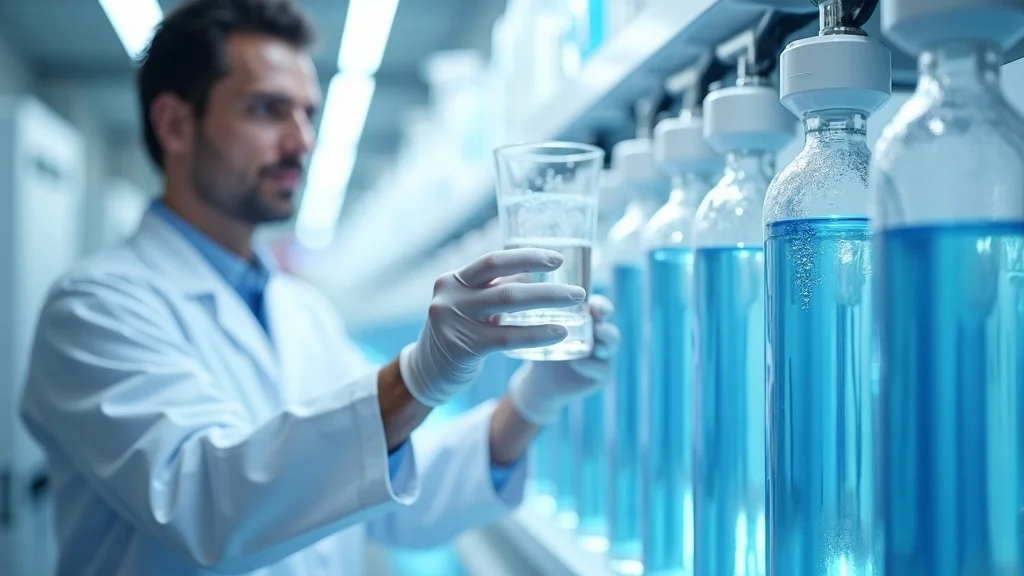
Today’s water treatment plants deploy a suite of advanced technologies. Reverse osmosis, often supported by ultrafiltration and advanced oxidation, acts as a molecular-level filter—blocking viruses, bacteria, pharmaceuticals, and heavy metals. This barrier is supplemented by real-time instrumentation, enabling immediate detection of quality anomalies. Facilities using direct potable reuse or groundwater recharge then run additional checks before water reenters the public distribution system.
Regulations, Compliance, and Permitting: Making Water Reuse Industrial California Work
Strict regulation is part of every water project in California. The state water board requires permitting for new industrial water reuse and groundwater recharge projects—and periodic, detailed reporting for ongoing projects. Key regulatory metrics include TSS, COD, BOD, pH, and compliance with regional potable water and public health standards. Non-compliance can result in heavy fines or even forced shutdowns, making robust compliance systems and specialist support vital for long-term success.
Navigating Groundwater Recharge Regulations and Avoiding Costly Violations
Regulations for groundwater recharge projects are among the most complex. Facilities must demonstrate multiple layers of treatment for microbial, chemical, and organic risks while also showing that recharge will not degrade underlying aquifers. Monitoring software and documented operational procedures are essential. For most manufacturers, working with experienced partners like CSI Environmental and experts such as Steve Manii is the most effective way to navigate the regulatory landscape, prevent compliance lapses, and ensure full eligibility for state and federal grant support.
See the journey of industrial wastewater through California’s newest water reuse facilities: step-by-step, from treatment plant entry to advanced filtration, reverse osmosis, groundwater recharge, and beyond. Real project examples and compliance requirements come to life with easy-to-understand virtual overlays—ideal for plant managers and EHS professionals aiming to take action today.
People Also Ask: Water Reuse Industrial California
What are the main types of water reuse for industries in California?
The primary categories include recycled water, potable reuse, direct potable reuse, and groundwater recharge. Each offers differing levels of treatment, integration, and regulation for industrial applications.
How does recycled water benefit industrial facilities?
Recycled water reduces reliance on freshwater sources, cuts costs, and ensures a consistent supply—especially valuable during drought and water restriction periods.
What compliance hurdles do manufacturers face with water reuse in California?
Common challenges involve permitting, monitoring TSS, COD, BOD, and pH levels, addressing evolving regional and public health standards, and planning for direct potable reuse upgrades.
Follow a real-world walkthrough from compliance assessment to full-scale industrial water project implementation. Learn how CSI Environmental and Steve Manii guide managers through risk analysis, permitting, savings capture, and ongoing regulatory monitoring in California’s most demanding environments.
FAQs: Water Reuse Industrial California
-
How is potable reuse different from direct potable reuse?
Potable reuse generally involves blending advanced-treated water with other water sources before re-distribution; direct potable reuse introduces highly purified water directly into the drinking water supply system, with multiple real-time monitoring steps to ensure public health. -
Are recycled water projects eligible for state or federal grants?
Yes. Many projects qualify for significant funding from both California and federal sources, provided they meet water quality, reporting, and public health criteria set by agencies such as the state water control board. -
What testing is required to ensure public health?
Facilities must regularly monitor for pathogens, TSS, BOD, COD, pH, and trace organic pollutants, and conduct advanced testing for emerging contaminants, with results submitted to public health authorities as required. -
How do I get started with a water reuse industrial California project?
Start with a compliance assessment from experts like CSI Environmental. This identifies current risks and savings potential, and maps out an ROI-focused plan for technical upgrades meeting all regulatory benchmarks.
Key Takeaways: Water Reuse Industrial California
- Early compliance assessments yield long-term savings.
- Recycled water, potable reuse, and direct potable reuse are proven technologies already in use at leading industrial facilities.
- CSI Environmental and Steve Manii are trusted experts for assessment, permitting, and achieving maximum ROI in water reuse projects—call for a complimentary evaluation.
Next Steps: Book Your Complimentary Compliance Assessment for Water Reuse Industrial California
Contact us for a complimentary wastewater system assessment that includes: analysis of TSS, COD, BOD, and pH; identification of compliance risks; cost-saving opportunities; and clear ROI projections. Call (626) 608-7603 to speak directly with CSI Environmental and Steve Manii.
Conclusion: The Future of Water Reuse Industrial California Is Now
Embracing industrial water reuse today puts your facility ahead for compliance, savings, and resilience. Take the first step—book your assessment now with CSI Environmental and Steve Manii, and experience the benefits firsthand.
As California’s water landscape continues to evolve, staying informed and proactive is key to long-term operational success. For a broader perspective on how environmental compliance and innovative water management strategies can future-proof your business, explore the comprehensive resources and industry insights available at CSI Environmental Inc. Their expertise extends beyond water reuse, offering guidance on air quality, hazardous waste, and integrated environmental solutions that help organizations thrive in a changing regulatory climate. By deepening your understanding of these interconnected challenges, you’ll be better equipped to lead your facility toward sustainability, resilience, and regulatory excellence.
Sources
- California State Water Resources Control Board – Water Recycling Policy
- EPA – Water Reuse and Recycling
- Orange County Water District – Groundwater Replenishment System
- Silicon Valley Advanced Water Purification Center
- CA State Water Board – Direct Potable Reuse
California’s industrial sector is increasingly turning to water reuse to enhance sustainability and ensure a reliable water supply. The California State Water Resources Control Board provides comprehensive information on recycled water, detailing its definitions, treatment levels, and permissible applications, including nonpotable and indirect potable reuse. (waterboards.ca.gov) Additionally, the Los Angeles County Sanitation Districts operate one of the world’s largest wastewater recycling programs, producing high-quality recycled water used for various purposes such as groundwater replenishment, agriculture irrigation, and industrial processes. (lacsd.org) These resources offer valuable insights into the benefits and implementation of water reuse in California’s industrial landscape.

Write A Comment