Add Row
Add Element
cropper
update
{COMPANY_NAME}
CSI Environmental Corp
update
Add Element
update

CALL US

(800) 690-2436

Add Element
update

EMAIL US

CSI-team@chem-serv.com

Add Element
update

WORKING HOURS

Monday - Friday  8 AM - 5 PM

Add Element

Add Element
  • Home
  • Categories
    • Tech Advances
    • Regulatory News
    • Sustainability
    • Case Studies
    • Expert Interviews
    • Cost Efficiency
    • Safety Protocols
  • Services
Add Element
  • update
  • update
  • update
  • LinkedIn
    update
  • update
  • update
  • update
December 21.2025
1 Minute Read

Unlock the Power of rendering plant wastewater treatment

Did you know? The average rendering plant can generate up to 10,000 gallons of wastewater each day—one misstep in treatment can mean crippling fines and environmental harm

The Impact of Rendering Plant Wastewater Treatment: Why It Matters

"The average rendering plant can generate up to 10,000 gallons of wastewater per day—one misstep can risk compliance and incur hefty fines." – Steve Manii, CSI Environmental
  • Rendering plants act as critical nodes in the meat processing and food industry, transforming byproducts into usable goods.
  • Challenges such as stick water, high levels of organic matter, and persistent odors complicate treatment and risk regulatory breaches.
  • There is growing regulatory focus on wastewater treatment plant compliance, demanding rigorous monitoring of TSS, COD, BOD, and pH level in effluent streams.
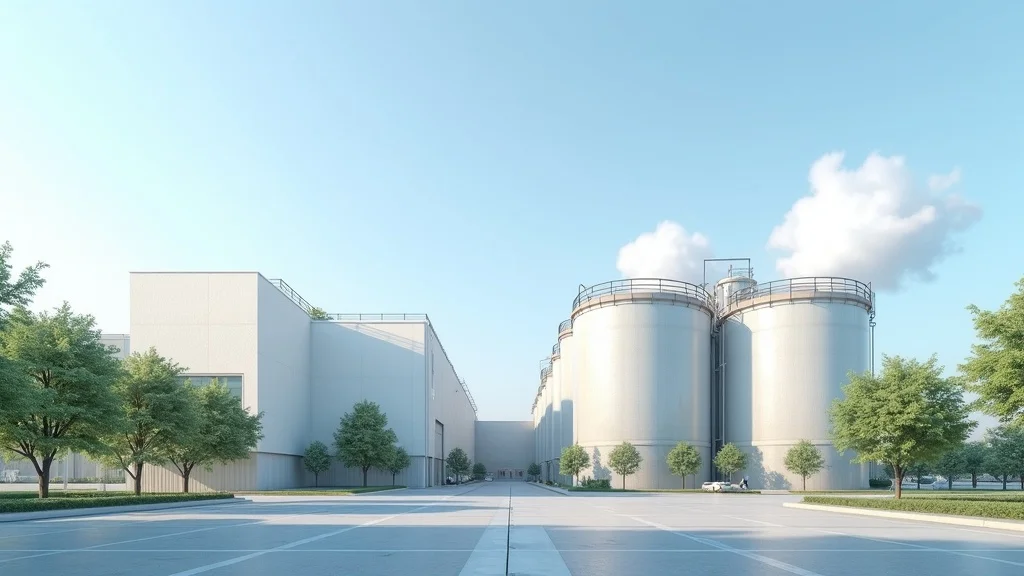
Modern rendering plant exterior with eco-friendly water treatment, vapor rising from tanks, and clean industrial setting

Rendering plant wastewater treatment is not just a technical process—it's a legal, community, and financial imperative. Plants generate high amounts of stick water and other byproducts, which, if untreated, can wreak havoc on local water sources and air quality. Meeting standards for wastewater treatment ensures sustainable operations, protects community relations, and safeguards your bottom line.

What You’ll Learn About Rendering Plant Wastewater Treatment

  • Core concepts behind rendering plant wastewater treatment and plant operation basics
  • Major challenges in treating stick water and advanced odor control practices
  • How to evaluate, optimize, and future-proof your treatment system for compliance and cost savings

Understanding Rendering Plant Operations

What Happens at a Rendering Plant?

Rendering plants are the unsung heroes of the meat processing industry. Every day, these facilities receive raw material left over from the slaughter and meat fabrication process—think meat trimmings, fat, offal, and bones. Through the rendering process, these byproducts are sterilized, broken down, and converted into valuable items such as tallow, protein meal, and feed ingredients.

This high-volume production brings with it a significant water demand. Water is used for cleaning, equipment cooling, and transport within the facility. As a result, rendering plants generate high amounts of wastewater—laden with organic matter, fats, oils, greases, and dissolved solids—requiring robust wastewater treatment plant systems to ensure discharge meets environmental guidelines.
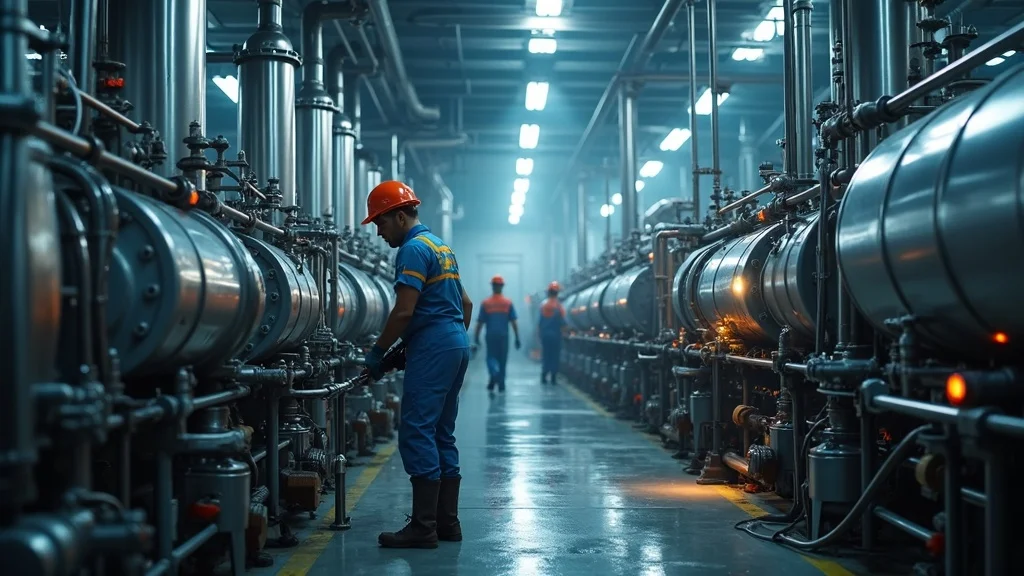
Industrial rendering plant interior with workers in PPE managing wastewater treatment equipment and steam emissions

Rendering plant processes and the role of wastewater

  • Primary inputs: Raw material from slaughterhouses, butcheries, and food processors
  • Water use: Washing, transport, cooling, and cleaning—all contributing to wastewater generation
  • Wastewater: Contains high BOD, COD, TSS, and complex organic compounds—posing treatment challenges

What Is the Meaning of Rendering Plant?

A rendering plant is a specialized facility where animal byproducts are sanitized and processed into value-added products. In the eyes of regulatory agencies, rendering plants are designated as industrial operations demanding strict compliance with local, state, and federal wastewater treatment regulations. Applications include animal feed production, biodiesel, and industrial fats, which means each facility’s wastewater treatment system must be tailored to its unique process streams.

Definitions, applications, and regulatory designations

  • Rendering transforms raw material from abattoirs and food processors into usable fats, oils, and proteins
  • Designated under EPA and local water board standards, requiring continuous monitoring and reporting
  • Facilities are often classified as “significant industrial users” due to the strength and volume of their wastewater

The Challenges of Rendering Plant Wastewater Treatment

Stick Water in Rendering Plants

  • Stick water is the highly concentrated, protein- and fat-rich liquid byproduct separated from solids during rendering. Packed with organic matter and nutrients, it can have extremely high TSS, BOD, COD, and fats/oils contents.
  • Discharging untreated or partially treated stick water is a major compliance concern and a driver of high treatment costs due to its significant environmental risk.

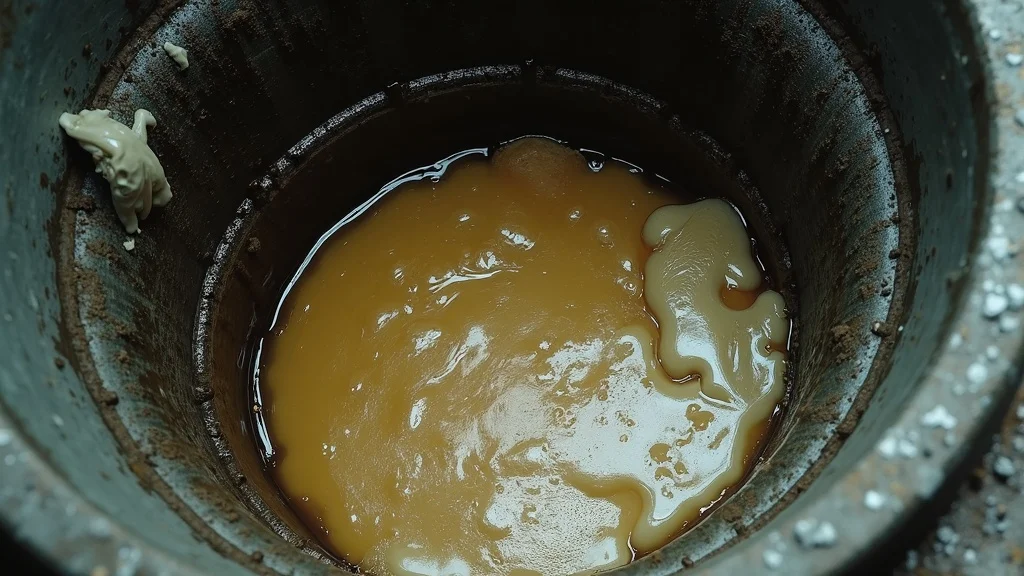
Close-up of stick water wastewater stream bubbling in a treatment tank at a rendering plant

The complexity of treating stick water lies in its variable composition—including emulsified fats, proteins, and suspended solids. These factors challenge traditional treatment methods and demand tailored, multi-stage solutions. Without proper treatment, stick water can overwhelm municipal plants, cause toxic issues in water sources, and lead to offensive odors in the surrounding community.

For plant managers seeking actionable strategies to address these challenges, exploring the specialized solutions and case studies available from CSI Environmental Inc can provide valuable insights into optimizing wastewater treatment processes for rendering facilities.

Odor Control and Its Importance

  • Odor control is a cornerstone of environmental compliance and community relations for rendering plants. Volatile organic compounds (VOCs), ammonia, and hydrogen sulfide are released during both processing and water treatment.
  • Unchecked odors can lead to complaints, scrutiny from regulators, and even forced shutdowns or fines.

Modern odor control solutions deploy chemical scrubbing, biofiltration, and capture technologies. But success rests on identifying both primary and secondary odor sources and integrating abatement directly into the wastewater treatment process for complete compliance—and neighborhood peace of mind.

How Rendering Plants Dispose of Waste Water

Treatment Plant Systems and Technologies

  • Water treatment plant design: Rendering plants require robust, modular systems capable of managing high-strength waste with fluctuating loads.
  • Typical process flow: Primary treatment removes solids and debris, secondary biological treatment (aerobic or anaerobic) breaks down organics, and tertiary treatment polishes effluent for reuse or discharge.
  • Physical (screens, DAF), chemical (coagulation, pH adjustment), and biological (activated sludge, GEM systems) processes work together for a reliable, effective solution.

Disposal Methods and Regulatory Compliance

  • Water can be reused internally, discharged to municipal sewer, or sent for land application—sludge management is a critical component to avoid environmental impact.
  • Regulatory compliance demands continuous monitoring of effluent quality—COD, BOD, pH level, and treatment plant performance.
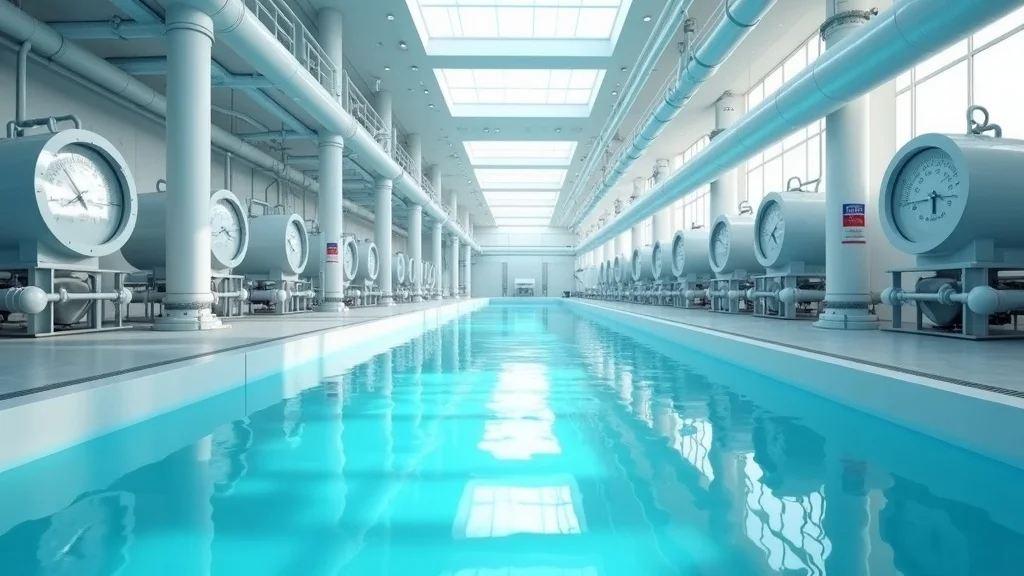
State-of-the-art water treatment plant with filtration units and clear water flow, designed for rendering plants

Effective wastewater treatment controls nutrient loads and keeps total dissolved and suspended solids within permit limits. Key technologies include advanced GEM systems, aerobic digesters, membrane bioreactors, and chemical-physical staged processes, giving plant managers flexibility and peace of mind while maintaining clean water technology standards.

Treating Stick Water: Advanced Wastewater Treatment Solutions

Key Considerations for Effective Stick Water Treatment

  • Treatment challenges: High TSS, COD, BOD, unstable pH, and frequent process changes require adaptive controls and frequent monitoring.
  • CSI Environmental’s technology: Combines advanced physical separation with biological and chemical polishing—customized for each facility’s needs.
"Our approach is science-driven, with custom solutions for each rendering plant’s unique waste stream." – Steve Manii, CSI Environmental

High-tech wastewater analysis lab for rendering plant stick water with lab worker sampling reactor

Effective treatment systems optimize clean water recovery by targeting the toughest components of stick water. CSI Environmental leverages decades of expertise to design multi-step solutions: physical screening to remove bulk solids, GEM system or DAF for fats and oils, followed by aerobic or anaerobic processes tailored to site-specific organic matter loads and regulatory targets. A key to success is continuous water analysis and real-time control, ensuring treatment adapts to process variations—guaranteeing compliance and minimizing risk of costly violations or shutdown.

Odor Control in Rendering Plant Wastewater Treatment

How Do Rendering Plants Handle Odors?

  • Primary sources: Stick water evaporation, raw material storage, and rendering rooms
  • Secondary sources: Biological treatment tanks, sludge handling, and recovered fat processing
  • Best practices: Source capture hoods, biofiltration, chemical scrubbers, and direct integration with wastewater treatment systems for seamless odor control

Treatment of process air and careful odor source mapping ensures that odor control targets the full range of emission points. Plants prioritizing rapid capture and abatement see dramatically fewer complaints, stronger neighborhood ties, and smoother regulatory audits.

CSI Environmental’s Proven Odor Control Systems

CSI Environmental tailors odor abatement solutions specifically for rendering plant operations, combining high-capacity biofilters and chemical scrubbers with advanced process air handling equipment. Their comprehensive systems deliver continuous monitoring, smart alarm triggers, and automated dosing controls, ensuring that high-concentration odors are neutralized before air leaves the facility. The result is a stable, compliant operation and reliable protection of your plant’s reputation.

Rendering Plant Wastewater Treatment: Step-by-Step Guide

  1. Wastewater analysis and characterization: Comprehensive sampling to establish TSS, COD, BOD, and pH level baselines
  2. Primary screening and removal: Removal of gross solids, grit, and fats to protect downstream equipment
  3. Biological and chemical treatment integration: Custom-configured sequencing—using appropriate GEM systems, biological reactors, and polishing stages
  4. Odor control implementation: Seamless integration of chemical and biological odor abatement tailored to key emission hot spots
  5. Compliance verification and ongoing monitoring: Continuous online analysis, reporting, and adaptive control for treatment plant optimization
"A systematic approach to wastewater treatment not only protects the environment but ensures your rendering plant remains compliant—and profitable." – Steve Manii
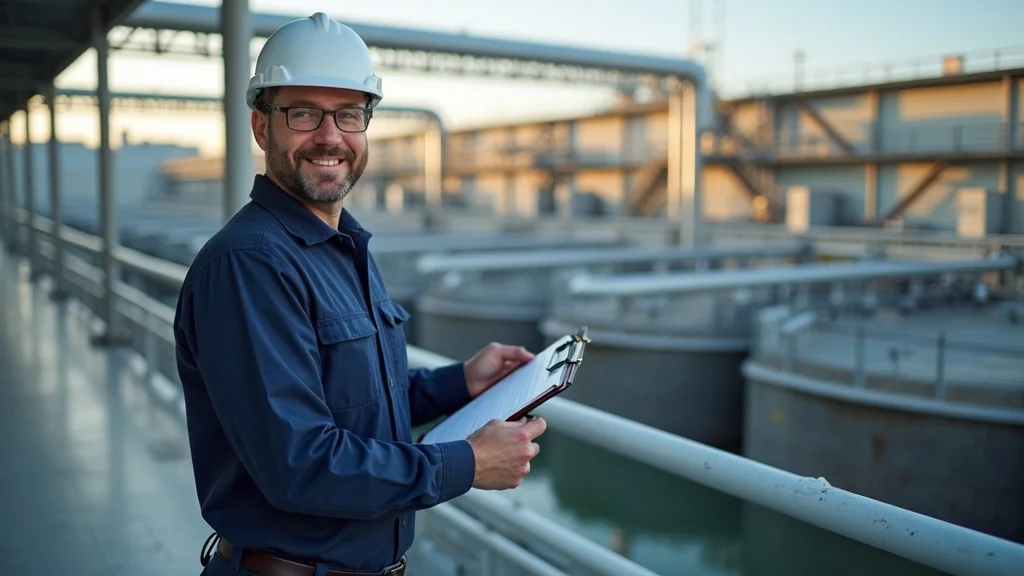
Confident plant manager with clipboard overseeing clean wastewater treatment tanks at a rendering facility

A modern walkthrough of a rendering plant's wastewater treatment system, with clear narration, visuals of equipment, and advanced odor control solutions—all filmed in a bright, clean industrial setting.

Tables: Comparative Analysis of Rendering Plant Wastewater Treatment Technologies

Technology TSS Removal COD/BOD Removal Odor Control Cost Compliance Rating
GEM System Up to 99% High Integrated/Excellent Medium ★★★★★
DAF + Bio 95-98% High-Moderate Optional/Variable Medium-High ★★★★☆
Aerobic Treatment 90-95% Moderate Needs Add-on Medium ★★★☆☆
Membrane Bioreactor 99% Very High Separate System High ★★★★★
Conventional Chemical 80-90% Low-Moderate Minimal Low ★★☆☆☆

List: Top 7 Common Mistakes in Rendering Plant Wastewater Treatment

  • Ignoring stick water treatment complexities—leading to frequent compliance failures
  • Underestimating odor issues—producing community complaints or shutdowns
  • Using outdated treatment system components with insufficient redundancy and automation
  • Poor compliance documentation—risking audits and lost permits
  • Lack of ongoing monitoring—failing to catch spikes or process upsets
  • Inadequate operator training—leading to errors or missed maintenance
  • Not consulting specialized providers like CSI Environmental—missing out on effective solutions and proven ROI

FAQs: Rendering Plant Wastewater Treatment

  • What laws regulate rendering plant wastewater treatment?
    Rendering plants in the US are mainly regulated by the Environmental Protection Agency (EPA) under the Clean Water Act, along with state and local discharge permits. Facilities must maintain records, monitor effluent quality, and demonstrate compliance with BOD, COD, and other key pollutant standards. Violations can result in significant penalties and increased oversight by both federal and local agencies.
  • How often should a treatment plant system be evaluated?
    Plant managers should schedule formal treatment system evaluations at least annually, with additional reviews required after process changes, new equipment installation, or any compliance event. Ongoing monitoring with real-time controls is recommended for high-loading periods or if the plant has a history of effluent variability.
  • What is the most common issue in treating stick water?
    The leading challenge is removing high concentrations of fats, oils, grease, and dissolved proteins, which can quickly overwhelm conventional treatment processes. Lack of automated controls or adaptive system design often results in compliance violations and costly re-treatment or surcharges at downstream facilities.

Key Takeaways on Rendering Plant Wastewater Treatment

  • Rendering plant wastewater treatment is complex—but critical for regulatory compliance and operational sustainability
  • Advanced stick water and odor control solutions can transform your treatment plant’s performance, cut fines, and improve local relations
  • Regular assessments and monitoring of your treatment system help avoid costly mistakes, downtime, or violations

Next Steps: Assess Your Rendering Plant Wastewater Treatment System

"Don't leave compliance—and your plant’s reputation—to chance. CSI Environmental offers complimentary system assessments with actionable insights."

Get a Complimentary Rendering Plant Wastewater Treatment Assessment

  • In-depth analysis of current TSS, COD, BOD, and pH levels
  • Identification of significant compliance risks before fines strike
  • Receive cost-saving strategies and clear ROI projections, tailored to your plant’s unique process
  • Contact CSI Environmental: (626) 608-7603

See how CSI Environmental’s engineers help real rendering plants turn wastewater challenges into compliance advantages in this on-site video tour.

Conclusion

Effective rendering plant wastewater treatment is essential for compliance, profitability, and community trust. Don’t wait—get your system evaluated for free, and stay ahead of costly surprises.

Get a complimentary wastewater system assessment that includes: ✅ Analysis of current TSS, COD, BOD, and pH levels ✅ Identification of compliance risks before they become violations ✅ Cost-saving opportunities based on proven results ✅ Clear ROI projections for any recommendation | (626) 608-7603

As you continue to strengthen your facility’s environmental performance, consider broadening your understanding of industrial wastewater management and compliance strategies. The expertise and resources available at CSI Environmental Inc go beyond rendering plant solutions, offering guidance for a wide range of industries facing complex water treatment and regulatory challenges. By exploring their comprehensive approach, you can uncover advanced techniques and future-ready systems that help your operation stay resilient, sustainable, and ahead of evolving standards.

Sources

  • EPA Meat and Poultry Products Effluent Guidelines – https://www.epa.gov/eg/meat-and-poultry-products-effluent-guidelines
  • Render Magazine – https://www.rendermagazine.com/
  • CSI Environmental – https://www.csi-environmental.com/

Rendering plants play a crucial role in the meat processing industry by converting animal by-products into valuable commodities. However, this process generates significant amounts of wastewater, necessitating effective treatment solutions to meet environmental standards and operational efficiency.

One innovative approach is the use of anaerobic digestion systems, such as Covered Anaerobic Lagoons (CALs), which have been implemented to achieve substantial reductions in organic and nutrient loads. For instance, a rendering plant replaced its conventional treatment system with a CAL and an energy-efficient Sequencing Batch Reactor (SBR), resulting in significant operational cost savings and renewable biogas production. (hydroflux.au)

Additionally, the integration of microbial fuel cells (MFCs) in wastewater treatment has shown promise. MFCs not only facilitate the removal of chemical oxygen demand (COD) but also generate electrical energy, offering a sustainable solution for rendering facilities. (fprf.org)

For plant managers seeking to enhance their wastewater treatment processes, exploring these advanced technologies can lead to improved compliance, cost savings, and environmental sustainability.
Services

0 Comments

Write A Comment

*
*
Related Posts All Posts
12.25.2025

Struggling with sludge management solutions? Here's Help

Did you know? In many industrial facilities, mismanaged sludge accounts for up to 60% of total wastewater treatment and sludge disposal costs each year A Startling Look at Sludge Management Solutions in Modern Wastewater Treatment Sludge management solutions are no longer a back-office afterthought—they’re now central to the efficiency and sustainability of any wastewater treatment plant. Whether you handle municipal and industrial wastewater or manage large-scale industrial wastewater treatment systems, poorly managed sludge disposal leads to environmental risks, regulatory fines, and excessive operational costs. From outdated treatment processes to underperforming treatment solutions, plant managers are facing unprecedented demand to optimize every step of sludge removal and maximize system performance. Leading edge sludge treatment technologies and expert guidance from firms like CSI Environmental—led by veteran consultant Steve Manii—are transforming the industry. These tailored solutions reduce disposal cost, minimize sludge volume, and deliver higher compliance rates, all while prolonging the life of vital infrastructure. If you’re ready to cut costs, achieve environmental goals, and turn troublesome sewage sludge into sustainable savings, this article is your practical, actionable resource. "Did you know that mismanaged sludge accounts for up to 60% of total wastewater treatment and sludge disposal costs in industrial facilities each year?" – Steve Manii, CSI Environmental What You'll Learn About Sludge Management Solutions How sludge management solutions streamline compliance for plant, EHS, and maintenance managers Key parameters and technologies integral to effective water and wastewater treatment The best strategies for reducing sludge disposal costs and optimizing the sludge treatment process How CSI Environmental and Steve Manii deliver measurable improvements in operational efficiency Understanding Sludge Management Solutions in Wastewater Treatment What Are Sludge Management Solutions? Sludge management solutions are comprehensive strategies, technologies, and services designed to handle the byproducts of wastewater treatment plants. Sludge is produced when solid and semi-solid waste residues accumulate during key treatment processes such as aerobic digestion, chemical precipitation, and filtration. These residues—commonly called sewage sludge—require safe, efficient, and compliant removal to prevent regulatory breaches and operational disruptions. The best sludge management approaches leverage a blend of advanced dewatering machinery, automated monitoring, and expert analysis. This ensures sludge removal is not only cost-effective but meets strict TSS (Total Suspended Solids), COD (Chemical Oxygen Demand), BOD (Biochemical Oxygen Demand), and pH requirements. From thickening and dewatering to cost-effective disposal, a holistic solution minimizes sludge volume, lowers greenhouse gas emissions, and ensures a small footprint on site and in the environment. The Role of Sludge Management in Modern Water Treatment Facilities In contemporary water treatment systems, sludge management is pivotal to operational excellence and environmental stewardship. Traditionally viewed as a necessary cost center, today's sludge management solutions increasingly support business objectives by unlocking savings and ensuring compliance. Plant and EHS managers are tasked with meeting evolving disposal regulations while maintaining a high dry solids content, minimizing energy use, and reducing the need for landfill disposal. Some of the latest sludge treatment technologies integrate with facility-wide automation and analytics, enabling real-time monitoring of key parameters. This approach not only optimizes the treatment plant performance but also secures a sustainable future by minimizing sludge volume and supporting safe reuse or energy recovery (such as via anaerobic digestion). The result: less risk, lower sludge disposal costs, and greater overall treatment efficiency. For facilities seeking to implement practical improvements, exploring the full range of services and case studies offered by CSI Environmental Inc can provide valuable insights into proven sludge management strategies and real-world results. Key Challenges in Sludge Disposal and Sludge Treatment High sludge disposal costs Strict environmental regulations (TSS, COD, BOD, pH) Aging infrastructure and outdated sludge treatment processes Safety and compliance concerns for plant managers Managing sludge at a modern wastewater treatment plant means overcoming hurdles that impact both your bottom line and regulatory standing. Sludge disposal costs have skyrocketed as landfill fees rise, “zero discharge” mandates emerge, and resource conservation targets become more stringent. Many treatment plants are still operating with legacy systems ill-equipped for today’s higher volumes or environmental standards, heightening risks of compliance violations or accidental releases. Tightening discharge regulations—especially affecting TSS, COD, and BOD—demand continuous process optimization and advanced data reporting. For plant managers, every stage of the sludge treatment process, from thickening to final removal, can involve hidden pitfalls: increasing greenhouse gas output, costly breakdowns, or missed disposal pickups. The challenge isn’t just technological—it’s organizational. Ensuring every stakeholder from EHS to maintenance is aligned on compliance, safety, and performance metrics is key to unlocking long-term results. How Sludge Management Solutions Enhance the Sludge Treatment Process Innovative Sludge Treatment Process Technologies Modern sludge management solutions deploy cutting-edge technologies to transform how sludge is treated and disposed of. Examples include high-efficiency dewatering systems, membrane filtration, thermal drying, and anaerobic or aerobic digestion units. These technologies dramatically reduce sludge volume, achieve a higher high dry solids output, and lower disposal cost by enabling repurposing of biosolids as fuel, soil conditioner, or in some regions, safe landfill. Automation and real-time data analytics now let facilities actively monitor every part of the treatment process. If a spike in COD or pH is detected, corrective actions can be triggered instantly—maintaining compliance and avoiding costly penalties. Solutions like these also help combat greenhouse gas emissions by ensuring optimized aeration, digestion, and minimal transport requirements. The result is streamlined, sustainable operations that help both your budget and the environment. Optimizing Wastewater Treatment with Advanced Treatment Solutions At the heart of effective wastewater treatment is the integration of advanced treatment solutions capable of adapting to daily plant fluctuations. Sophisticated sensors, remote-controlled valves, and predictive maintenance help you avoid unplanned shutdowns and keep critical systems running smoothly. Facilities that partner with solutions experts like Steve Manii at CSI Environmental benefit from custom-architected treatment systems matched to unique plant needs—whether for municipal and industrial wastewater, heavy industrial waste, or high-strength influents. These tailored systems enhance effluent quality, extend system longevity, and optimize operational throughput—meaning fewer backups, lower disposal cost, and increased resource recovery potential. By analyzing influent data and adjusting the entire sludge treatment process for the highest efficiency, advanced solutions deliver a fast return on investment and sustained regulatory peace of mind. Comparison of Sludge Management Solutions: Key Features, Disposal Costs, and ROI Type of Solution Key Features Disposal Cost Impact ROI (Timeframe) Basic Dewatering Manual operation, limited automation Moderate; high labor costs Low (<2 years) Automated Thickening/Dewatering Units Real-time monitoring, remote controls Significant reduction in haulage/disposal High (1–2 years) Membrane Filtration Very high solids capture, low emissions Low; minimal residuals High (<1 year) Full-Service Partnership (e.g., CSI Environmental) Customization, ongoing optimization, expert analysis Lowest; optimize every stage Very High (Immediate–1 year) Benefits of Partnering with CSI Environmental for Sludge Management Proven reduction in sludge disposal costs Expert analysis by Steve Manii Customized water treatment solutions Tangible improvement in compliance and system longevity Choosing CSI Environmental means more than just equipment upgrades—it’s expert guidance and partnership every step of the way. Steve Manii and his team deliver in-depth audits of your current sludge treatment process and water treatment system, then apply tailored optimization strategies that drive compliance, reduce disposal cost, and maximize operational uptime. From the first assessment through ongoing monitoring, you benefit from transparent reporting and continuous improvement. Plant managers report a measurable drop in sludge volume and a notable improvement in system robustness, with fewer unscheduled outages and stronger alignment across maintenance and EHS teams. For every dollar invested in modern sludge management solutions, the payback is clear: compliance, cost reduction, and future-ready performance. When selecting a solutions provider, insist on evidence-backed benefits, industry-leading support, and customization to fit your precise treatment plant needs. Customer Reviews of Sludge Management Solutions by CSI Environmental "With CSI Environmental and Steve Manii, our plant saw a 30% reduction in annual treatment costs and zero compliance violations last year." – EHS Manager, Manufacturing Facility The proof is in the results: CSI Environmental consistently delivers operational savings and improved compliance for facilities of all sizes. Clients say that the combination of expert analysis, customized solutions, and rigorous follow-through delivers outsized value—far beyond traditional technology vendors. Each project, regardless of complexity, receives white-glove attention and data-driven benchmarking against industry standards. With service reports verifying a reduction in greenhouse gas output and more efficient use of equipment, companies also find environmental performance is easier to document for regulatory or ESG reporting. This builds stakeholder confidence, protects your facility’s reputation, and supports sustainable innovation well into the future. Frequently Asked Questions about Sludge Management Solutions How do sludge management solutions affect overall wastewater treatment efficiency? Effective sludge management solutions directly impact overall plant performance by optimizing solids capture, streamlining the sludge treatment process, and reducing the time and resources required for removal. Advanced automation detects and corrects anomalies in real time, ensuring maximum uptime and consistent compliance. For facility managers, this translates to improved water quality, fewer unscheduled maintenance events, and a healthier wastewater treatment system. What are the most effective treatment solutions for reducing sludge disposal costs? The most effective solutions combine advanced dewatering (like centrifuges or belt presses), real-time performance analytics, and expert-driven process optimization. Full-service partnerships such as those from CSI Environmental leverage both state-of-the-art equipment and seasoned consulting by Steve Manii, enabling plants to customize processes based on daily data, reduce sludge volume, and minimize disposal transportation and landfill fees. What compliance risks are mitigated with modern sludge management systems? Modern sludge management systems are designed to maintain strict alignment with both local and federal environmental guidelines—especially concerning TSS, COD, BOD, and pH. By integrating automated monitoring and rapid reporting, plants can prevent accidental releases, avoid expensive fines, and demonstrate proactive compliance at every audit. This robust approach also helps protect water resources and supports community health mandates. People Also Ask about Sludge Management Solutions What is sludge management in wastewater treatment? Sludge management in wastewater treatment refers to the specialized processes and technologies that collect, treat, stabilize, and dispose of sludge—a byproduct of the water purification process. It includes thickening, dewatering, digestion, drying, and final disposal or repurposing, ensuring that sludge removal is compliant, cost-effective, and environmentally responsible. How does sludge management impact water treatment process sustainability? Increasingly, the sustainability of a water treatment process hinges on sound sludge management. Tight process control, energy recovery, and volume minimization reduce environmental burdens like landfill space consumption and greenhouse gas emissions. Plants investing in innovative solutions contribute to a circular economy, recover valuable resources, and support corporate environmental goals. What factors determine sludge disposal cost? Key factors include the total sludge volume produced, the dryness (solids content) after dewatering, transportation distance to disposal sites, and regulatory fees for landfill or repurposing. Upgraded treatment systems that maximize solids removal and minimize water content yield the greatest cost reduction and faster return on investment. Key Takeaways for Plant Managers Considering Sludge Management Solutions Sludge management solutions directly influence compliance, operating cost, and environmental performance Up-to-date treatment process technology and expert consultation produce rapid ROI Choosing CSI Environmental and Steve Manii offers measurable, sustainable results Request a Complimentary Sludge Management Solutions Assessment Get a complimentary wastewater system assessment that includes: ✅ Analysis of current TSS, COD, BOD, and pH levels ✅ Identification of compliance risks before they become violations ✅ Cost-saving opportunities based on proven results ✅ Clear ROI projections for any recommendation | (626) 608-7603 Ready to take control of your sludge management challenges? Partner with CSI Environmental and Steve Manii today for a risk-free, personalized assessment—no obligation, only results! Conclusion Effective sludge management solutions unlock savings, compliance, and sustainability at every treatment plant. For rapid, measurable impact, request your CSI Environmental assessment now. If you’re interested in elevating your facility’s environmental performance and operational resilience, there’s even more to discover. By exploring the broader expertise and innovative approaches detailed on the CSI Environmental Inc website, you’ll gain access to advanced strategies that go beyond sludge management—encompassing holistic water treatment, compliance solutions, and sustainable best practices. Take the next step to future-proof your operations and unlock new efficiencies by learning from industry leaders who are shaping the future of environmental management. Your journey toward smarter, more sustainable wastewater solutions starts with a single click. Sources EPA – Biosolids and Sludge Management Water Environment Federation: Facts on Wastewater Treatment Pollution Control Association: Sludge Management Best Practices CSI Environmental – Sludge Management Solutions To further enhance your understanding of sludge management solutions, consider exploring the following resources: “Sludge Management Solutions - Enerzea”: This resource provides insights into advanced drying and pelletizing systems that transform sludge into manageable, lower-volume forms, aiding in cost reduction and environmental compliance. (enerzea.com) “Wastewater Sludge Management & Dewatering Systems | CDE”: This page discusses technologies focused on reducing sludge weight and volume, thereby minimizing disposal and transport costs. (cdegroup.com) These resources offer practical strategies and technologies to optimize sludge management, reduce costs, and ensure compliance with environmental regulations.

12.20.2025

Fix Your meat processing wastewater systems Issues Fast

Did you know that over 90% of meat processing plants are at risk of expensive wastewater violations within the next three years? If you’re not taking proactive steps, your plant could face steep fines, operational shutdowns, and long-term reputational damage Shocking Realities: The State of Meat Processing Wastewater Systems Today Meat processing plants are under growing scrutiny from environmental agencies as wastewater treatment systems struggle to keep up with regulatory demands. Failing to update or properly maintain your meat processing wastewater systems can lead not only to violations but to costly production slowdowns or plant closures. Facilities dealing with high levels of total suspended solids, fats, oils, grease, and organic loading (high BOD and COD) are at the mercy of increasingly strict discharge regulations. This means every plant manager and EHS leader must establish a reliable, updated treatment plan—or put their business at serious risk. Modern wastewater treatment systems face unique challenges. Unlike municipal or general industrial wastewater, processing waste from meat plants contains a complex blend of solids, proteins, and fats that standard systems can’t easily handle. As environmental rules tighten, plants that ignore these differences or fail to invest in tailored solutions find themselves facing steeper fines and heightened oversight. Fortunately, addressing these issues upfront transforms compliance from a liability to a competitive advantage. "Over 90% of meat processing plants will face costly wastewater violations in the next three years without proactive intervention." – Steve Manii, CSI Environmental What You'll Learn About Meat Processing Wastewater Systems How meat processing wastewater systems affect your plant’s compliance and costs Common pitfalls that risk regulatory fines and shutdowns Best-in-class wastewater treatment system options specific to meat processors Actionable steps to upgrade meat processing plant wastewater management for efficiency and safety Understanding Meat Processing Wastewater Systems: Key Components and Compliance Challenges What Makes Meat Processing Wastewater Systems Unique? Unlike other industrial facilities, meat processing plants generate processing wastewater loaded with proteins, fats, and suspended solids. This makes their wastewater stream highly variable and often more challenging than typical municipal or light industrial streams. What sets these systems apart is the complexity of the contaminants: not only must the treatment system remove total suspended solids and fats, but it must also break down organic matter (measured as BOD and COD), which requires robust treatment technologies. Plants processing red meat or poultry typically encounter higher levels of oils and grease, leading to more frequent system fouling and increased operational hassle. What’s more, the fluctuating flow and waste loads—caused by peak production or cleaning cycles—demand resilient wastewater treatment systems that can quickly adjust to surges. For meat processors, system downtime or compliance lapses can mean production shutdowns, loss of product, and huge regulatory fines, making effective processing wastewater management mission-critical. To further understand how advanced treatment technologies can be tailored to your facility’s unique needs, explore the solutions and expertise offered by CSI Environmental Inc, which specializes in optimizing industrial wastewater systems for compliance and efficiency. Core Regulations Impacting Meat Processing Wastewater Systems Federal, state, and local rules play a central role in how meat processing facilities must treat and discharge their processing wastewater. The U.S. EPA strictly regulates BOD, COD, TSS (total suspended solids), pH, and fats, oils, and grease (FOG) under effluent guidelines for meat and poultry processing. Many local authorities add even tougher restrictions—significantly increasing compliance pressure. For instance, failing to meet discharge limits on BOD, COD, or TSS can lead to hefty penalties. Plus, violations can trigger mandatory plant upgrades and persistent on-site inspections. As a result, staying up to date on all the latest requirements and proactively adapting your wastewater treatment system is no longer optional—it’s essential for continued plant operations. Common Compliance Risks for Meat Processing Waste Facilities The result? Unexpected system failures, non-compliance, and surprise penalties Beyond fines, these risks often manifest as permit violations, strained relationships with regulators, and escalating maintenance costs. Automated data logging and regular system assessments can help identify and fix these issues before they snowball into major liabilities. How Wastewater Treatment Works in Meat Processing Facilities Overview of Water Treatment and Wastewater Treatment Systems The heart of meat processing wastewater systems is a robust wastewater treatment system that can handle both high-strength and variable loads. The modern facility typically deploys a multi-stage process: initial screening for large debris, dissolved air flotation (DAF) for fats, oils, and grease (FOG), biological treatment for organic contaminants, and final polishing for regulations compliance. Each stage is optimized for removing specific threats—like total suspended solids and high oxygen demand. This layered approach is critical in meeting both throughput and discharge targets. The right treatment system helps protect downstream processes, reduces maintenance, and lowers operating costs. But, because processing waste can vary by shift, it’s vital that systems are sized and maintained to handle worst-case loads. Emerging technologies now let meat processors automate real-time monitoring, flagging compliance issues before they become expensive crises. Stages: From Processing Waste to Effluent Screening and removal of total suspended solids Dissolved air flotation (DAF) for fats, oils, and grease Biological treatment for high biochemical oxygen demand (BOD) and chemical oxygen demand (COD) Final polishing for discharge compliance Let’s take a closer look at these stages. After initial screening, DAF systems inject microbubbles—capturing FOG and suspended solids so they can be skimmed away. The next stage is often biological treatment, where microbes break down organic matter, reducing oxygen demand to meet permitting thresholds. The final polishing step uses filtration or chemical addition to hit stringent discharge parameters. Each of these steps is critical: if even one underperforms, your plant risks fines. Comparison of Common Meat Processing Wastewater Treatment Systems System Type Target Contaminants Strengths Common Limitations Screening & Sedimentation Large debris, solids Low cost, easy maintenance Does not address dissolved contaminants (BOD, FOG) Dissolved Air Flotation (DAF) FOG, suspended solids Highly effective for meat processors, reduces loading on biological stage Requires chemical additives; sensitive to pH and flow dynamics Biological Treatment (MBR/Activated Sludge) BOD, COD Excellent for organics removal, adaptable to variable loads Higher operational complexity; may require expert oversight Filtration & Polishing Fine particulates, residual BOD/COD Ensures compliance; final safeguard before discharge Maintenance intensive; can clog if upstream failures occur The Cost of Non-Compliance with Meat Processing Wastewater Systems Fines, Shutdowns, and Long-Term Damage Falling behind on wastewater treatment system compliance isn’t just risky—it’s expensive. Many meat processing plants learn the hard way that one overlooked violation can trigger daily penalties, forced operational halts, costly capital upgrades, and scrutiny from customers and regulators. Over time, a single untreated compliance issue can inflict damage far exceeding the cost of modernizing your processing wastewater system. For plant managers and EHS leaders, the risks of inaction accumulate quickly. Reputational harm, strained supply chains, and tighter credit from insurers follow frequent violations. Progressive meat processors are therefore investing in real-time automated monitoring, frequent system assessments, and partnership with compliance specialists like CSI Environmental to limit these risks for good. "A single violation can cost processors more than an entire year’s worth of proactive upgrades." – Steve Manii, CSI Environmental Critical Issues Facing Meat Processing Wastewater Systems High Total Suspended Solids (TSS) One of the most persistent challenges in meat processing wastewater systems is managing high total suspended solids. Meat trimming, washing, and cleaning operations all add large amounts of organic and inorganic particulates to the wastewater stream. When solids are not efficiently removed during the initial screens or dissolved air flotation stage, they burden downstream biological treatment, cause plugging, and raise discharge violations. If these solids bypass your system, regulators may quickly move to issue fines. Routine monitoring and improved mechanical screening or upgrading DAF units are the best ways to tackle this risk. In modern facilities, removing even an extra 20% of total suspended solids can mean the difference between compliance and shutdown. Excessive BOD and COD High biochemical oxygen demand (BOD) and chemical oxygen demand (COD) signal to regulators that a plant is discharging excessive organic material—depleting oxygen in natural waters and harming aquatic life. Meat processors must have robust biological treatment and post-DAF polishing to bring these numbers down. When BOD or COD spikes, it often points to overwhelmed microbes, poor system tuning, or improper pre-treatment. Upgrading to advanced treatment systems and using automated monitoring helps detect and correct these spikes in real time. A plant that reacts quickly to high BOD/COD events can avert violations and costly emergency cleanups. Grease, Fats, and Protein Build-up Grease, fats, and proteins are byproducts of nearly every step in meat processing. If not promptly removed, they accumulate in pipes, tanks, and bio-reactors, causing foul odors, equipment failures, and permit violations. Dissolved air flotation systems are the industry gold standard for extracting these materials, but they must be properly sized, chemically tuned, and regularly maintained. Investing in the right DAF technology and routine maintenance not only prevents plant upsets—it also reduces secondary risks like biological upset, higher oxygen demand in effluent, and increased operational cost. Equipment Reliability in Processing Wastewater The best-designed wastewater treatment system won't deliver results if pumps, sensors, or key process steps fail. As meat processing workflows accelerate and shift patterns vary, even minor equipment problems can cause regulatory breaches. Preventative maintenance, critical spare parts inventory, and real-time alarms for underperforming components help avoid the kind of cascading system failure that leads to both fines and production stoppage. Solutions now exist for automating checks, logging performance data, and enabling predictive maintenance that supports uninterrupted compliance. Innovative Solutions for Modern Meat Processing Wastewater Systems Advances in Dissolved Air Flotation (DAF) and Air Flotation Systems Today’s dissolved air flotation systems are engineered with greater efficiency, lower chemical use, and maximum uptime for meat processors. Enhanced bubble generation, adjustable flow paths, and AI-driven dosing hold the key to removing higher percentages of fat, oil, and suspended solids—even during challenging production peaks. By continuously monitoring influent properties and adjusting operations, modern DAF installations reduce both chemical expenses and regulatory worry. These improvements often pay for themselves rapidly by decreasing sludge hauling, reducing maintenance on downstream biological treatment equipment, and keeping plants consistently in compliance. New Biological Treatment Processes for Processing Wastewater Membrane bioreactors (MBR) and advanced sequencing batch reactors (SBR) are emerging as frontrunners in the meat processing wastewater systems world. Unlike conventional activated sludge, these systems treat high-strength, variable streams with greater resilience and require less operator intervention. Cutting-edge biological units introduce specific microbes tailored to degrade proteins and fats—slashing BOD and COD before the final discharge step. By deploying these new biological solutions, meat processing plants benefit from tighter control over effluent quality and increased capacity to absorb production spikes without risking fines. Automated Monitoring to Prevent Compliance Gaps Real-time sensor networks now give meat processors and plant managers instant feedback on oxygen demand, total suspended solids, and crucial pH and flow data. Automated systems log performance, alert operators to risks, and generate compliance-ready reports with minimal human input. By flagging anomalies fast, you shift from reactive to proactive management—reducing operational cost and improving peace of mind. CSI Environmental specializes in integrating these smart tools to deliver compliance and cost savings as a unified package. Case Study: How CSI Environmental Solved Critical Issues for Leading Meat Processing Plants The result? 98% reduction in effluent violations, 25% drop in chemical costs, and full discharge compliance for every quarter reported since This type of targeted expertise, paired with modern technology, is why industry leaders now trust CSI Environmental for end-to-end wastewater solutions. Step-by-Step Improvement Plan for Meat Processing Wastewater Systems Audit your current meat processing wastewater treatment system Identify main sources of processing waste and high-strength load Implement or upgrade dissolved air flotation and biological treatment Monitor total suspended solids and BOD/COD using automated systems Partner with a trusted expert like CSI Environmental for ongoing optimization Following these prioritized steps can quickly move your operation from hardship to best-in-class efficiency and lasting regulatory compliance. People Also Ask About Meat Processing Wastewater Systems What are the main challenges in treating meat processing wastewater? Answer: Meat processors face challenges such as high organic loading, fats/oils/grease management, solids removal, stringent discharge limits on COD/BOD/TSS, and equipment fouling in their wastewater treatment systems. Why is dissolved air flotation used in meat processing wastewater systems? Answer: Dissolved air flotation is highly effective in removing suspended solids, fats, oils, and greases from processing waste streams, making it a pivotal treatment stage for meat processing facilities to meet wastewater compliance. How can meat processing plants reduce wastewater treatment costs? Answer: Plants can reduce costs by optimizing their treatment systems for efficiency, recovering and reusing water, automating monitoring, and working with compliance-focused partners such as CSI Environmental to identify cost-saving opportunities. Which regulations govern meat processing wastewater systems? Answer: Facilities must comply with federal EPA effluent guidelines as well as local and state water treatment regulations, focusing on BOD, COD, TSS, FOG, and pH limits in their processing wastewater. Essential Best Practices for Maintaining Meat Processing Wastewater Systems Routine inspections and preventative maintenance Automated data logging for oxygen demand, pH, and solids Training staff on updated compliance protocols Establishing emergency protocols for accidental discharges Applying these best practices ensures long-term uptime and regulatory compliance in any meat processing plant. Enhance Your Plant’s Compliance with a Professional Wastewater Assessment "Regular system assessments are the single most effective way to reduce regulatory risk and maintenance costs." – Steve Manii, CSI Environmental Engage in scheduled professional assessments to catch inefficiencies, uncover compliance blind spots, and implement the latest solutions—before your regulator does. Meat Processing Wastewater Systems: Frequently Asked Questions What is the ideal wastewater treatment system for meat processing plants? Answer: An integrated system combining screening, dissolved air flotation, biological treatment, and advanced filtration is best for most meat processors. How often should wastewater treatment performance be monitored? Answer: Daily or continuous monitoring is recommended to detect issues like increased total suspended solids or oxygen demand early. How can CSI Environmental help optimize wastewater systems? Answer: CSI Environmental provides comprehensive assessments, expert consultation, and proven solutions led by Steve Manii to optimize compliance and cost efficiency in meat processing plant wastewater systems. Key Takeaways for Plant Managers on Meat Processing Wastewater Systems Non-compliance in waste treatment can lead to fines and reputational harm Modern processing wastewater systems involve DAF and biological steps Proactive system assessment detects risks and yields major cost-savings Next Steps: Schedule Your Complimentary Wastewater System Assessment "Don’t wait for a costly violation—get the clarity and peace of mind you need for your plant. Schedule a complimentary assessment with CSI Environmental today." Get a complimentary wastewater system assessment that includes: ✅ Analysis of current TSS, COD, BOD, and pH levels ✅ Identification of compliance risks before they become violations ✅ Cost-saving opportunities based on proven results ✅ Clear ROI projections for any recommendation (626) 608-7603 Get a A complimentary wastewater system assessment that includes: ✅ Analysis of current TSS, COD, BOD, and pH levels ✅ Identification of compliance risks before they become violations ✅ Cost-saving opportunities based on proven results ✅ Clear ROI projections for any recommendation | (626) 608-7603 Conclusion: Move Your Meat Processing Plant from Compliance Risk to Peace of Mind Proactively optimizing your meat processing wastewater systems is the surest path to safeguarding plant profitability, compliance, and long-term reputation. Take action and partner with trusted experts to stay ahead of tomorrow’s challenges today. If you’re ready to take your facility’s environmental performance to the next level, consider exploring the full range of industrial and environmental solutions available from CSI Environmental Inc. Their expertise extends beyond wastewater, offering comprehensive strategies for air, water, and soil compliance that can future-proof your operations. By leveraging integrated environmental management, you can unlock new efficiencies, reduce risk across your entire plant, and position your business as a leader in sustainable processing. Discover how a holistic approach to compliance and innovation can transform your plant’s bottom line and reputation for years to come. Sources EPA: Meat and Poultry Products Effluent Guidelines – https://www.epa.gov/eg/meat-and-poultry-products-effluent-guidelines WaterWorld: Treating Wastewater in the Meat Processing Industry – https://www.waterworld.com/wastewater/industrial/article/16202454/treating-wastewater-in-the-meat-processing-industry CSI Environmental – https://www.csienvironmental.com To enhance your understanding of meat processing wastewater systems and their management, consider exploring the following resources: “Managing Nutrients in Meat Industry Wastewater”: This article delves into advanced technologies for removing and recovering nitrogen and phosphorus from meat processing wastewater, addressing environmental concerns associated with nutrient discharge. (fluencecorp.com) “Meat Processing Wastewater”: This case study highlights the implementation of BioGill® bioreactors in a meat processing facility, showcasing significant odor reduction and over 85% COD reduction, leading to compliance with local water regulations. (biogill.com) These resources provide valuable insights into effective wastewater treatment strategies and technologies tailored for the meat processing industry.

10.23.2025

Navigating Regulatory Requirements for Industrial Wastewater: Federal, State, and Local Perspectives

Did you know: Nearly every industrial facility discharging wastewater must comply with complex regulations spanning federal mandates and even more stringent state and local standards. Navigating these industrial wastewater regulations can mean the difference between smooth operations and costly penalties—even shutdowns. Understanding the multi-layered regulatory landscape is critical for plant managers and Environmental Health & Safety (EHS) professionals tasked with safeguarding their facilities from non-compliance risks.In this comprehensive guide, we unravel how the Clean Water Act sets the nationwide baseline, how local agencies tighten compliance thresholds, and the step-by-step process from violation detection to resolution. Backed by expert insights from Steve Manii of CSI Environmental, Inc., this article empowers you to proactively manage your wastewater compliance and stay ahead before regulators take action.Startling Facts About Industrial Wastewater Regulations and ComplianceIndustrial wastewater regulations are stringent and pervasive across the United States, governed fundamentally by the Clean Water Act (CWA). However, what many operators don’t realize is that local jurisdictions like Los Angeles County or Riverside County are authorized to enforce even stricter discharge standards beyond federal minimums. For example, Riverside County is recognized for having tougher compliance criteria than the federal baseline due to unique environmental and population concerns.When a facility receives an industrial wastewater discharge permit, it gives legal permission to release treated wastewater under specified limits for pollutants such as sulfides, total suspended solids (TSS), chemical oxygen demand (COD), biological oxygen demand (BOD), and pH levels. Exceeding these limits can trigger formal enforcement actions from regulators. These actions begin subtly—often a warning letter—yet escalate quickly to fines or shutdowns if unaddressed.Steve Manii of CSI Environmental, Inc., states, “Compliance with municipal and county wastewater standards is not just about avoiding penalties; it’s essential for sustainable operations. Many local agencies intensify scrutiny, making it vital that businesses understand and meet these enhanced standards.” This industry insight emphasizes the growing pressures plant managers and EHS professionals face in managing regulatory demands effectively.Overview of Industrial Wastewater Regulations and the Clean Water ActFederal Baseline: The Clean Water Act and National Pollutant Discharge Elimination System (NPDES)The Clean Water Act (CWA), passed in 1972, remains the cornerstone of the U.S. strategy to protect surface waters by regulating pollutant discharges from point sources. It establishes the framework for the National Pollutant Discharge Elimination System (NPDES), which issues permits setting pollutant limits and monitoring requirements for industrial wastewater dischargers.Under federal law, companies must conduct routine wastewater sampling—often 24-hour composite samples—that government water districts collect and analyze. If monitored levels exceed the permit thresholds for pollutants such as BOD, COD, sulfides, or pH, businesses are flagged for non-compliance. While the CWA sets a baseline, local authorities have the authority to impose more tailored and severe standards to address regional environmental needs.Steve Manii notes, “The federal Clean Water Act created the foundation that ensures water quality stays protected nationwide, but individual states or counties are empowered to go beyond those baseline requirements. This layered regulatory approach keeps environmental protections robust but adds complexity for operators.” This highlights why understanding both federal and local regulations is essential for compliance success.State and Local Enhancements to Industrial Wastewater Discharge PermitsCounties like Los Angeles and Riverside have embraced their right to enforce stricter discharge limits than federal mandates. These local regulations respond to the unique geographic, ecological, and urban pressures each area faces. For instance, the Los Angeles County Sanitation District applies tighter thresholds for sulfides and suspended solids to mitigate local pollution hotspots.Local agencies also issue discharge permits that sometimes include additional monitoring, reporting, and treatment requirements reflecting those enhanced standards. This means facilities must be prepared not only to meet federal NPDES benchmarks but also these additional local permit conditions. The compliance complexity necessitates diligent monitoring and prompt remediation when issues arise.Steve Manii adds, “Our clients often underestimate how localized requirements can vary, which leads to costly violations. We work closely with facility managers to decode permit language and develop compliant operational plans tailored to local standards.” Expert local knowledge is key to navigating these enhanced regulatory landscapes.The Compliance Process: From Notice to ResolutionInitial Sampling and Detection of Non-ComplianceThe compliance process begins with government agencies conducting periodic sampling of industrial effluent. This usually involves a 24-hour composite sample strategically collected by the local water district. The sample is tested against permit-specific thresholds for pollutants such as sulfides, TSS, COD, BOD, and pH.When test results reveal values outside permitted ranges—such as pH dropping below 6 or exceeding 9.1, or excess levels of chemical oxygen demand—it signals non-compliance. The regulatory agency then initiates the enforcement process by notifying the facility, often through a formal written warning citing the exact nature of the violation and requesting an action plan for remediation.According to Steve Manii, “An out-of-compliance result triggers an immediate need for investigation. Sometimes it reflects unusual operations — like deep tank cleaning releasing sulfides — but persistent violations require systematic corrective action, which is where professional consultation can become crucial.” Understanding this initial step helps facilities respond swiftly and avoid escalation.Written Warning and Required Action PlanOnce a non-compliance is detected, the regulatory body sends a detailed warning letter to the responsible party named on the permit. This letter outlines the violations and requires the facility to submit a corrective action plan explaining how they will remedy the issues and prevent recurrence.The plan might include temporary operational changes or plans to install additional treatment equipment. The regulatory agency typically demands a retest after the corrective actions are implemented to confirm compliance restoration. Failure to provide an adequate plan or to correct the violation results in further enforcement.Steve Manii explains, “Electronic documentation from regulators often includes requests for explanation of the root cause. Providing solid, fact-based responses to anomalies can mitigate additional penalties, while recognizing the violation as systemic compels more stringent treatment solutions.” This underscores the importance of transparent communication with regulators.Retesting and Follow-Up EnforcementAfter receiving the action plan, regulatory agencies conduct subsequent sampling to verify whether the issues have been resolved. These monthly composite samples serve as checkpoints, ensuring that violations do not persist.If retesting reveals continuing non-compliance, regulators escalate their enforcement actions. Facilities might receive follow-up letters indicating increased urgency, warning of impending fines, and potential operational shutdowns if issues remain unresolved by the third reported violation. Furthermore, counties such as LA publish lists of non-compliant businesses in public outlets like the LA Times, harming reputations.Steve Manii cautions, “Non-compliance is costly—both financially and reputationally. Delays in addressing treatment inefficiencies can lead to fines, lost business, or even forced plant closures. Early proactive measures save time and money.” This highlights the critical nature of diligent monitoring and rapid response.Common Industrial Wastewater Compliance Issues and SolutionsSulfide Control and Neutralization TechniquesThe sulfide is flammable that is why it poses a significant compliance challenge. Excess sulfides detected during sampling trigger immediate concerns from regulators.One effective solution, as Steve Manii of CSI Environmental, explains, is injecting oxidizing agents such as 12.5% chlorine or hydrogen peroxide into the effluent line before discharge. These chemicals neutralize sulfides, preventing their release into municipal sewage systems. This targeted oxidation approach is cost-effective and has proven results in reducing sulfide levels to permitted limits.CSI Environmental also consults on operation modifications, maintenance schedules, and tank cleaning protocols to minimize sulfide buildup and flushing events that cause spikes during sampling. Addressing sulfides requires both chemical treatment and operational controls to sustain compliance.Reducing Total Suspended Solids (TSS), COD, and BODBeyond sulfides, many industries struggle with reducing Total Suspended Solids (TSS), Chemical Oxygen Demand (COD), and Biological Oxygen Demand (BOD)—key indicators of pollutant load and organic matter. Excess TSS can clog treatment systems, while high COD/BOD depletes oxygen in receiving waters, harming aquatic life.CSI Environmental recommends installing specialized filtration and sedimentation equipment to lower TSS levels significantly—often by 90-95%. Treatment for COD and BOD varies by industrial process; insoluble fractions respond well to chemical treatment, while soluble COD/BOD typically requires biological treatment involving enzymes or microorganisms.Steve Manii notes, “Each facility’s unique wastewater profile dictates the optimal treatment strategy. Our role is to evaluate lab data carefully, compare with discharge permits, and design cost-effective solutions that achieve compliance and can even reduce operational charges based on pollutant loads.” Implementing these solutions directly addresses compliance and operational cost concerns.Roles and Responsibilities in Industrial Wastewater ComplianceWithin industrial facilities, responsibility for managing wastewater compliance typically lies with personnel named on the discharge permit. This usually includes Environmental Health and Safety (EHS) managers or supervisors, maintenance staff, and sometimes plant managers or site directors.The role involves monitoring sampling results, liaising with regulatory agencies, coordinating corrective actions, and overseeing treatment system operations. Because wastewater compliance overlaps with environmental, operational, and maintenance domains, collaborative teamwork is essential.Steve Manii explains, “We often find EHS professionals seeking expert guidance because wastewater treatment falls outside typical safety roles. CSI Environmental serves as a vital liaison, helping facilities interpret regulations and interact with regulatory bodies effectively to maintain compliance.” Clear role definition supports timely responses to compliance issues.How CSI Environmental Supports Businesses in Achieving ComplianceInitial Consultation and Documentation ReviewWhen facing regulatory notices, CSI Environmental starts every engagement with a brief 10-15 minute phone call to understand the client’s compliance issue. This initial step assesses whether and how CSI can help.Prior to on-site visits, clients provide essential documents, including lab reports for the past three to six months, copies of regulatory warning letters, and surcharge statements detailing pollutant charges. Reviewing these materials allows CSI’s experts to prepare a customized compliance strategy tailored to permit limits and operational realities.Steve Manii highlights, “Having access to detailed lab data and regulatory communications enables us to conduct thorough analysis, identify root causes, and propose practical treatment and operational solutions. Our established relationships with regulatory agencies also help us act as an effective third-party liaison for our clients.”Ongoing Support and Cost SavingsBeyond fixing immediate violations, CSI Environmental offers ongoing support to maintain compliance and reduce wastewater treatment costs. By optimizing treatment technologies and operations, many clients realize substantial reductions in pollutant loads, sometimes lowering TSS by up to 95% and COD/BOD by 50-85%, directly translating into lower surcharge fees.CSI’s cost-effective chemical treatments and modern equipment solutions minimize regulatory risks and enhance operational sustainability. The company’s proactive approach helps clients avoid penalties and public disclosure of non-compliance that can damage business reputations.Steve Manii concludes, “Our goal is to transform wastewater compliance from a reactive problem into a managed asset that benefits both environmental stewardship and the client’s bottom line.”What You'll LearnKey federal, state, and local industrial wastewater regulations and discharge limitsThe compliance notification and enforcement processCommon wastewater pollutants and treatment solutionsRoles responsible for compliance within industrial facilitiesHow expert consultation can facilitate regulatory compliance and cost savingsFrequently Asked Questions (FAQs)What is wastewater compliance?Wastewater compliance means meeting all permit requirements for effluent discharge, including limits for pollutants like sulfides, TSS, COD, BOD, and pH, as set by federal, state, and local regulations.What law allowed the EPA to establish wastewater standards?The Clean Water Act (CWA) of 1972 empowered the EPA to create the National Pollutant Discharge Elimination System (NPDES) setting wastewater discharge standards nationwide.What is the definition of industrial wastewater?Industrial wastewater is liquid waste originating from manufacturing or industrial processes, which may contain pollutants requiring treatment before being discharged into municipal sewer systems or water bodies.What are the three types of industrial wastewater treatment?The three types include physical treatment (e.g., sedimentation, filtration), chemical treatment (e.g., oxidation, neutralization), and biological treatment (e.g., microbial degradation of soluble organics).Key TakeawaysIndustrial wastewater regulations are governed by the Clean Water Act with stricter local standards enforced by agencies like LA County Sanitation.Non-compliance initiates a formal process including warnings, corrective action plans, retesting and possible penalties.Effective treatment solutions drastically reduce pollutant loads, helping avoid fines and operational risks.Designated personnel such as EHS managers, plant managers, and maintenance staff hold critical compliance responsibilities.Partnering with experts like Steve Manny of CSI Environmental streamlines compliance and realizes cost savings.Conclusion: Ensuring Compliance with Industrial Wastewater RegulationsTake action early: Monitor closely, respond swiftly to notices, consult experts, and upgrade treatment systems to secure compliance and protect your operations from costly enforcement.Get Your FREE Compliance Assessment TodayDon’t wait for regulators to find problems—reach out now to CSI Environmental, Inc. for your personalized, no-cost wastewater compliance assessment. Visit https://csienvironmentalinc.com/California-Wastewater-Compliance or call (800) 690-2436 to schedule your consultation.Understanding and adhering to industrial wastewater regulations is crucial for maintaining compliance and protecting the environment. To deepen your knowledge, consider exploring the following resources:The U.S. Environmental Protection Agency’s (EPA) page on Industrial Wastewater provides an overview of the National Pollutant Discharge Elimination System (NPDES) permitting program, detailing discharge limits and conditions for various industrial and commercial sources.The EPA’s Industrial Effluent Guidelines offer national standards for wastewater discharges, outlining technology-based requirements for over 50 different categories of industrial and commercial activities.These resources will equip you with a comprehensive understanding of federal regulations and guidelines, enabling you to navigate the complexities of industrial wastewater compliance effectively.

Terms of Service

Privacy Policy

Core Modal Title

Sorry, no results found

You Might Find These Articles Interesting

T
Please Check Your Email
We Will Be Following Up Shortly
*
*
*