


Did you know? In many industrial facilities, mismanaged sludge accounts for up to 60% of total wastewater treatment and sludge disposal costs each year
A Startling Look at Sludge Management Solutions in Modern Wastewater Treatment
Sludge management solutions are no longer a back-office afterthought—they’re now central to the efficiency and sustainability of any wastewater treatment plant. Whether you handle municipal and industrial wastewater or manage large-scale industrial wastewater treatment systems, poorly managed sludge disposal leads to environmental risks, regulatory fines, and excessive operational costs. From outdated treatment processes to underperforming treatment solutions, plant managers are facing unprecedented demand to optimize every step of sludge removal and maximize system performance.
Leading edge sludge treatment technologies and expert guidance from firms like CSI Environmental—led by veteran consultant Steve Manii—are transforming the industry. These tailored solutions reduce disposal cost, minimize sludge volume, and deliver higher compliance rates, all while prolonging the life of vital infrastructure. If you’re ready to cut costs, achieve environmental goals, and turn troublesome sewage sludge into sustainable savings, this article is your practical, actionable resource.
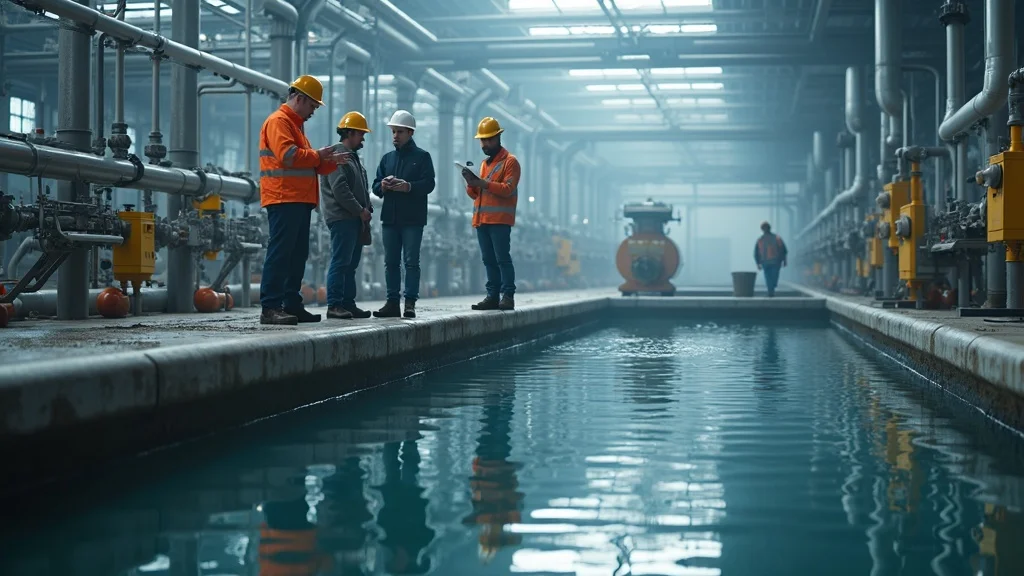
"Did you know that mismanaged sludge accounts for up to 60% of total wastewater treatment and sludge disposal costs in industrial facilities each year?" – Steve Manii, CSI Environmental
What You'll Learn About Sludge Management Solutions
- How sludge management solutions streamline compliance for plant, EHS, and maintenance managers
- Key parameters and technologies integral to effective water and wastewater treatment
- The best strategies for reducing sludge disposal costs and optimizing the sludge treatment process
- How CSI Environmental and Steve Manii deliver measurable improvements in operational efficiency
Understanding Sludge Management Solutions in Wastewater Treatment
What Are Sludge Management Solutions?
Sludge management solutions are comprehensive strategies, technologies, and services designed to handle the byproducts of wastewater treatment plants. Sludge is produced when solid and semi-solid waste residues accumulate during key treatment processes such as aerobic digestion, chemical precipitation, and filtration. These residues—commonly called sewage sludge—require safe, efficient, and compliant removal to prevent regulatory breaches and operational disruptions.
The best sludge management approaches leverage a blend of advanced dewatering machinery, automated monitoring, and expert analysis. This ensures sludge removal is not only cost-effective but meets strict TSS (Total Suspended Solids), COD (Chemical Oxygen Demand), BOD (Biochemical Oxygen Demand), and pH requirements. From thickening and dewatering to cost-effective disposal, a holistic solution minimizes sludge volume, lowers greenhouse gas emissions, and ensures a small footprint on site and in the environment.

The Role of Sludge Management in Modern Water Treatment Facilities
In contemporary water treatment systems, sludge management is pivotal to operational excellence and environmental stewardship. Traditionally viewed as a necessary cost center, today's sludge management solutions increasingly support business objectives by unlocking savings and ensuring compliance. Plant and EHS managers are tasked with meeting evolving disposal regulations while maintaining a high dry solids content, minimizing energy use, and reducing the need for landfill disposal.
Some of the latest sludge treatment technologies integrate with facility-wide automation and analytics, enabling real-time monitoring of key parameters. This approach not only optimizes the treatment plant performance but also secures a sustainable future by minimizing sludge volume and supporting safe reuse or energy recovery (such as via anaerobic digestion). The result: less risk, lower sludge disposal costs, and greater overall treatment efficiency.
For facilities seeking to implement practical improvements, exploring the full range of services and case studies offered by CSI Environmental Inc can provide valuable insights into proven sludge management strategies and real-world results.
Key Challenges in Sludge Disposal and Sludge Treatment
- High sludge disposal costs
- Strict environmental regulations (TSS, COD, BOD, pH)
- Aging infrastructure and outdated sludge treatment processes
- Safety and compliance concerns for plant managers
Managing sludge at a modern wastewater treatment plant means overcoming hurdles that impact both your bottom line and regulatory standing. Sludge disposal costs have skyrocketed as landfill fees rise, “zero discharge” mandates emerge, and resource conservation targets become more stringent. Many treatment plants are still operating with legacy systems ill-equipped for today’s higher volumes or environmental standards, heightening risks of compliance violations or accidental releases.
Tightening discharge regulations—especially affecting TSS, COD, and BOD—demand continuous process optimization and advanced data reporting. For plant managers, every stage of the sludge treatment process, from thickening to final removal, can involve hidden pitfalls: increasing greenhouse gas output, costly breakdowns, or missed disposal pickups. The challenge isn’t just technological—it’s organizational. Ensuring every stakeholder from EHS to maintenance is aligned on compliance, safety, and performance metrics is key to unlocking long-term results.
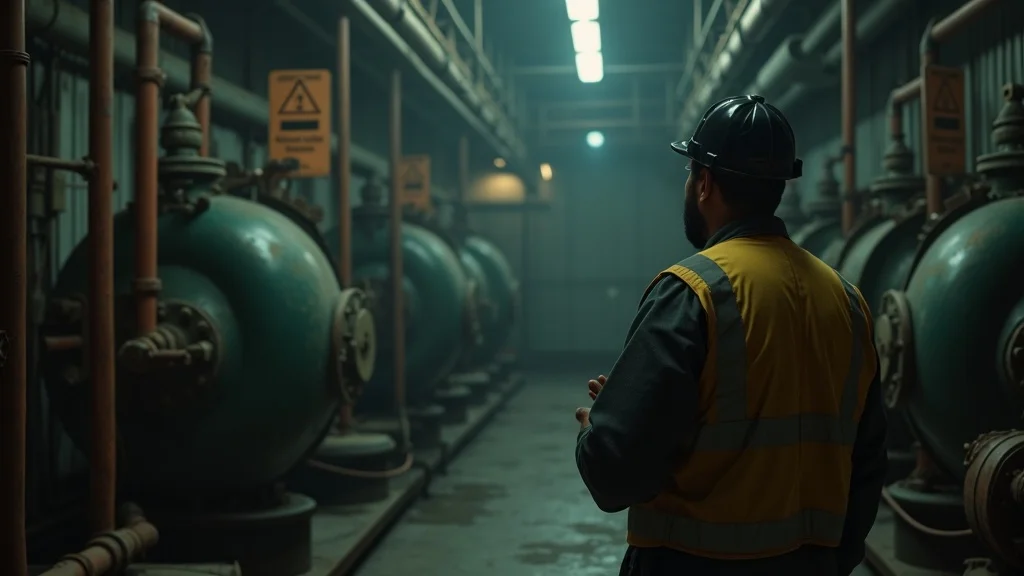
How Sludge Management Solutions Enhance the Sludge Treatment Process
Innovative Sludge Treatment Process Technologies
Modern sludge management solutions deploy cutting-edge technologies to transform how sludge is treated and disposed of. Examples include high-efficiency dewatering systems, membrane filtration, thermal drying, and anaerobic or aerobic digestion units. These technologies dramatically reduce sludge volume, achieve a higher high dry solids output, and lower disposal cost by enabling repurposing of biosolids as fuel, soil conditioner, or in some regions, safe landfill.
Automation and real-time data analytics now let facilities actively monitor every part of the treatment process. If a spike in COD or pH is detected, corrective actions can be triggered instantly—maintaining compliance and avoiding costly penalties. Solutions like these also help combat greenhouse gas emissions by ensuring optimized aeration, digestion, and minimal transport requirements. The result is streamlined, sustainable operations that help both your budget and the environment.
Optimizing Wastewater Treatment with Advanced Treatment Solutions
At the heart of effective wastewater treatment is the integration of advanced treatment solutions capable of adapting to daily plant fluctuations. Sophisticated sensors, remote-controlled valves, and predictive maintenance help you avoid unplanned shutdowns and keep critical systems running smoothly. Facilities that partner with solutions experts like Steve Manii at CSI Environmental benefit from custom-architected treatment systems matched to unique plant needs—whether for municipal and industrial wastewater, heavy industrial waste, or high-strength influents.
These tailored systems enhance effluent quality, extend system longevity, and optimize operational throughput—meaning fewer backups, lower disposal cost, and increased resource recovery potential. By analyzing influent data and adjusting the entire sludge treatment process for the highest efficiency, advanced solutions deliver a fast return on investment and sustained regulatory peace of mind.
| Type of Solution | Key Features | Disposal Cost Impact | ROI (Timeframe) |
|---|---|---|---|
| Basic Dewatering | Manual operation, limited automation | Moderate; high labor costs | Low (<2 years) |
| Automated Thickening/Dewatering Units | Real-time monitoring, remote controls | Significant reduction in haulage/disposal | High (1–2 years) |
| Membrane Filtration | Very high solids capture, low emissions | Low; minimal residuals | High (<1 year) |
| Full-Service Partnership (e.g., CSI Environmental) | Customization, ongoing optimization, expert analysis | Lowest; optimize every stage | Very High (Immediate–1 year) |

Benefits of Partnering with CSI Environmental for Sludge Management
- Proven reduction in sludge disposal costs
- Expert analysis by Steve Manii
- Customized water treatment solutions
- Tangible improvement in compliance and system longevity
Choosing CSI Environmental means more than just equipment upgrades—it’s expert guidance and partnership every step of the way. Steve Manii and his team deliver in-depth audits of your current sludge treatment process and water treatment system, then apply tailored optimization strategies that drive compliance, reduce disposal cost, and maximize operational uptime. From the first assessment through ongoing monitoring, you benefit from transparent reporting and continuous improvement.
Plant managers report a measurable drop in sludge volume and a notable improvement in system robustness, with fewer unscheduled outages and stronger alignment across maintenance and EHS teams. For every dollar invested in modern sludge management solutions, the payback is clear: compliance, cost reduction, and future-ready performance. When selecting a solutions provider, insist on evidence-backed benefits, industry-leading support, and customization to fit your precise treatment plant needs.

Customer Reviews of Sludge Management Solutions by CSI Environmental
"With CSI Environmental and Steve Manii, our plant saw a 30% reduction in annual treatment costs and zero compliance violations last year." – EHS Manager, Manufacturing Facility
The proof is in the results: CSI Environmental consistently delivers operational savings and improved compliance for facilities of all sizes. Clients say that the combination of expert analysis, customized solutions, and rigorous follow-through delivers outsized value—far beyond traditional technology vendors. Each project, regardless of complexity, receives white-glove attention and data-driven benchmarking against industry standards.
With service reports verifying a reduction in greenhouse gas output and more efficient use of equipment, companies also find environmental performance is easier to document for regulatory or ESG reporting. This builds stakeholder confidence, protects your facility’s reputation, and supports sustainable innovation well into the future.
Frequently Asked Questions about Sludge Management Solutions
How do sludge management solutions affect overall wastewater treatment efficiency?
Effective sludge management solutions directly impact overall plant performance by optimizing solids capture, streamlining the sludge treatment process, and reducing the time and resources required for removal. Advanced automation detects and corrects anomalies in real time, ensuring maximum uptime and consistent compliance. For facility managers, this translates to improved water quality, fewer unscheduled maintenance events, and a healthier wastewater treatment system.
What are the most effective treatment solutions for reducing sludge disposal costs?
The most effective solutions combine advanced dewatering (like centrifuges or belt presses), real-time performance analytics, and expert-driven process optimization. Full-service partnerships such as those from CSI Environmental leverage both state-of-the-art equipment and seasoned consulting by Steve Manii, enabling plants to customize processes based on daily data, reduce sludge volume, and minimize disposal transportation and landfill fees.
What compliance risks are mitigated with modern sludge management systems?
Modern sludge management systems are designed to maintain strict alignment with both local and federal environmental guidelines—especially concerning TSS, COD, BOD, and pH. By integrating automated monitoring and rapid reporting, plants can prevent accidental releases, avoid expensive fines, and demonstrate proactive compliance at every audit. This robust approach also helps protect water resources and supports community health mandates.
People Also Ask about Sludge Management Solutions
What is sludge management in wastewater treatment?
Sludge management in wastewater treatment refers to the specialized processes and technologies that collect, treat, stabilize, and dispose of sludge—a byproduct of the water purification process. It includes thickening, dewatering, digestion, drying, and final disposal or repurposing, ensuring that sludge removal is compliant, cost-effective, and environmentally responsible.
How does sludge management impact water treatment process sustainability?
Increasingly, the sustainability of a water treatment process hinges on sound sludge management. Tight process control, energy recovery, and volume minimization reduce environmental burdens like landfill space consumption and greenhouse gas emissions. Plants investing in innovative solutions contribute to a circular economy, recover valuable resources, and support corporate environmental goals.
What factors determine sludge disposal cost?
Key factors include the total sludge volume produced, the dryness (solids content) after dewatering, transportation distance to disposal sites, and regulatory fees for landfill or repurposing. Upgraded treatment systems that maximize solids removal and minimize water content yield the greatest cost reduction and faster return on investment.
Key Takeaways for Plant Managers Considering Sludge Management Solutions
- Sludge management solutions directly influence compliance, operating cost, and environmental performance
- Up-to-date treatment process technology and expert consultation produce rapid ROI
- Choosing CSI Environmental and Steve Manii offers measurable, sustainable results
Request a Complimentary Sludge Management Solutions Assessment
Get a complimentary wastewater system assessment that includes: ✅ Analysis of current TSS, COD, BOD, and pH levels ✅ Identification of compliance risks before they become violations ✅ Cost-saving opportunities based on proven results ✅ Clear ROI projections for any recommendation | (626) 608-7603
Ready to take control of your sludge management challenges? Partner with CSI Environmental and Steve Manii today for a risk-free, personalized assessment—no obligation, only results!
Conclusion
Effective sludge management solutions unlock savings, compliance, and sustainability at every treatment plant. For rapid, measurable impact, request your CSI Environmental assessment now.
If you’re interested in elevating your facility’s environmental performance and operational resilience, there’s even more to discover. By exploring the broader expertise and innovative approaches detailed on the CSI Environmental Inc website, you’ll gain access to advanced strategies that go beyond sludge management—encompassing holistic water treatment, compliance solutions, and sustainable best practices. Take the next step to future-proof your operations and unlock new efficiencies by learning from industry leaders who are shaping the future of environmental management. Your journey toward smarter, more sustainable wastewater solutions starts with a single click.
Sources
- EPA – Biosolids and Sludge Management
- Water Environment Federation: Facts on Wastewater Treatment
- Pollution Control Association: Sludge Management Best Practices
- CSI Environmental – Sludge Management Solutions
To further enhance your understanding of sludge management solutions, consider exploring the following resources:
-
“Sludge Management Solutions - Enerzea”: This resource provides insights into advanced drying and pelletizing systems that transform sludge into manageable, lower-volume forms, aiding in cost reduction and environmental compliance. (enerzea.com)
-
“Wastewater Sludge Management & Dewatering Systems | CDE”: This page discusses technologies focused on reducing sludge weight and volume, thereby minimizing disposal and transport costs. (cdegroup.com)
These resources offer practical strategies and technologies to optimize sludge management, reduce costs, and ensure compliance with environmental regulations.

Write A Comment