Add Row
Add Element
cropper
update
{COMPANY_NAME}
CSI Environmental Corp
update
Add Element
update

CALL US

(800) 690-2436

Add Element
update

EMAIL US

CSI-team@chem-serv.com

Add Element
update

WORKING HOURS

Monday - Friday  8 AM - 5 PM

Add Element

Add Element
  • Home
  • Categories
    • Tech Advances
    • Regulatory News
    • Sustainability
    • Case Studies
    • Expert Interviews
    • Cost Efficiency
    • Safety Protocols
  • Services
Add Element
  • update
  • update
  • update
  • LinkedIn
    update
  • update
  • update
  • update
October 23.2025
1 Minute Read

Navigating Regulatory Requirements for Industrial Wastewater: Federal, State, and Local Perspectives

Did you know: Nearly every industrial facility discharging wastewater must comply with complex regulations spanning federal mandates and even more stringent state and local standards. Navigating these industrial wastewater regulations can mean the difference between smooth operations and costly penalties—even shutdowns. Understanding the multi-layered regulatory landscape is critical for plant managers and Environmental Health & Safety (EHS) professionals tasked with safeguarding their facilities from non-compliance risks.

In this comprehensive guide, we unravel how the Clean Water Act sets the nationwide baseline, how local agencies tighten compliance thresholds, and the step-by-step process from violation detection to resolution. Backed by expert insights from Steve Manii of CSI Environmental, Inc., this article empowers you to proactively manage your wastewater compliance and stay ahead before regulators take action.

Startling Facts About Industrial Wastewater Regulations and Compliance

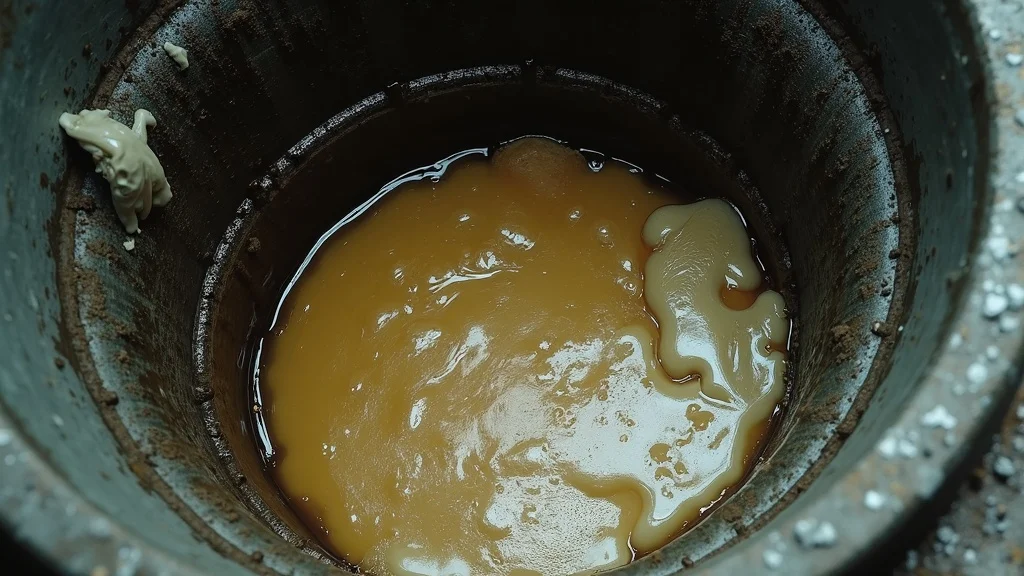
Industrial wastewater regulations compliance laboratory technician analyzing water samples

Industrial wastewater regulations are stringent and pervasive across the United States, governed fundamentally by the Clean Water Act (CWA). However, what many operators don’t realize is that local jurisdictions like Los Angeles County or Riverside County are authorized to enforce even stricter discharge standards beyond federal minimums. For example, Riverside County is recognized for having tougher compliance criteria than the federal baseline due to unique environmental and population concerns.

When a facility receives an industrial wastewater discharge permit, it gives legal permission to release treated wastewater under specified limits for pollutants such as sulfides, total suspended solids (TSS), chemical oxygen demand (COD), biological oxygen demand (BOD), and pH levels. Exceeding these limits can trigger formal enforcement actions from regulators. These actions begin subtly—often a warning letter—yet escalate quickly to fines or shutdowns if unaddressed.

Steve Manii of CSI Environmental, Inc., states, “Compliance with municipal and county wastewater standards is not just about avoiding penalties; it’s essential for sustainable operations. Many local agencies intensify scrutiny, making it vital that businesses understand and meet these enhanced standards.” This industry insight emphasizes the growing pressures plant managers and EHS professionals face in managing regulatory demands effectively.

Overview of Industrial Wastewater Regulations and the Clean Water Act

Federal Baseline: The Clean Water Act and National Pollutant Discharge Elimination System (NPDES)

The Clean Water Act (CWA), passed in 1972, remains the cornerstone of the U.S. strategy to protect surface waters by regulating pollutant discharges from point sources. It establishes the framework for the National Pollutant Discharge Elimination System (NPDES), which issues permits setting pollutant limits and monitoring requirements for industrial wastewater dischargers.

Under federal law, companies must conduct routine wastewater sampling—often 24-hour composite samples—that government water districts collect and analyze. If monitored levels exceed the permit thresholds for pollutants such as BOD, COD, sulfides, or pH, businesses are flagged for non-compliance. While the CWA sets a baseline, local authorities have the authority to impose more tailored and severe standards to address regional environmental needs.

Steve Manii notes, “The federal Clean Water Act created the foundation that ensures water quality stays protected nationwide, but individual states or counties are empowered to go beyond those baseline requirements. This layered regulatory approach keeps environmental protections robust but adds complexity for operators.” This highlights why understanding both federal and local regulations is essential for compliance success.

State and Local Enhancements to Industrial Wastewater Discharge Permits

Counties like Los Angeles and Riverside have embraced their right to enforce stricter discharge limits than federal mandates. These local regulations respond to the unique geographic, ecological, and urban pressures each area faces. For instance, the Los Angeles County Sanitation District applies tighter thresholds for sulfides and suspended solids to mitigate local pollution hotspots.

Local agencies also issue discharge permits that sometimes include additional monitoring, reporting, and treatment requirements reflecting those enhanced standards. This means facilities must be prepared not only to meet federal NPDES benchmarks but also these additional local permit conditions. The compliance complexity necessitates diligent monitoring and prompt remediation when issues arise.

Steve Manii adds, “Our clients often underestimate how localized requirements can vary, which leads to costly violations. We work closely with facility managers to decode permit language and develop compliant operational plans tailored to local standards.” Expert local knowledge is key to navigating these enhanced regulatory landscapes.

The Compliance Process: From Notice to Resolution

Initial Sampling and Detection of Non-Compliance

Environmental inspector conducting compliance check at industrial wastewater facility

The compliance process begins with government agencies conducting periodic sampling of industrial effluent. This usually involves a 24-hour composite sample strategically collected by the local water district. The sample is tested against permit-specific thresholds for pollutants such as sulfides, TSS, COD, BOD, and pH.

When test results reveal values outside permitted ranges—such as pH dropping below 6 or exceeding 9.1, or excess levels of chemical oxygen demand—it signals non-compliance. The regulatory agency then initiates the enforcement process by notifying the facility, often through a formal written warning citing the exact nature of the violation and requesting an action plan for remediation.

According to Steve Manii, “An out-of-compliance result triggers an immediate need for investigation. Sometimes it reflects unusual operations — like deep tank cleaning releasing sulfides — but persistent violations require systematic corrective action, which is where professional consultation can become crucial.” Understanding this initial step helps facilities respond swiftly and avoid escalation.

Written Warning and Required Action Plan

Once a non-compliance is detected, the regulatory body sends a detailed warning letter to the responsible party named on the permit. This letter outlines the violations and requires the facility to submit a corrective action plan explaining how they will remedy the issues and prevent recurrence.

The plan might include temporary operational changes or plans to install additional treatment equipment. The regulatory agency typically demands a retest after the corrective actions are implemented to confirm compliance restoration. Failure to provide an adequate plan or to correct the violation results in further enforcement.

Steve Manii explains, “Electronic documentation from regulators often includes requests for explanation of the root cause. Providing solid, fact-based responses to anomalies can mitigate additional penalties, while recognizing the violation as systemic compels more stringent treatment solutions.” This underscores the importance of transparent communication with regulators.

Retesting and Follow-Up Enforcement
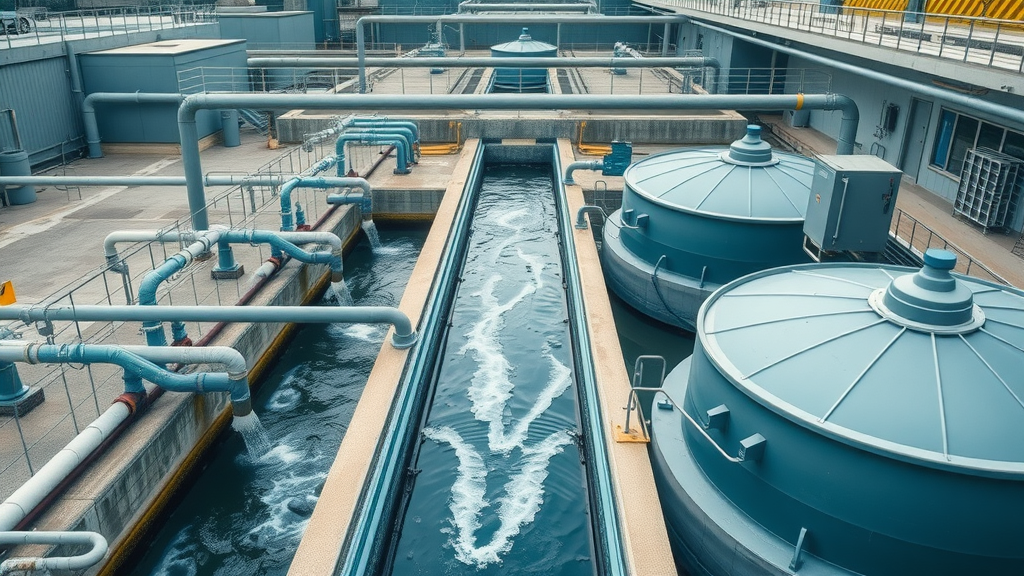
Modern industrial wastewater treatment plant monitoring compliance from above

After receiving the action plan, regulatory agencies conduct subsequent sampling to verify whether the issues have been resolved. These monthly composite samples serve as checkpoints, ensuring that violations do not persist.

If retesting reveals continuing non-compliance, regulators escalate their enforcement actions. Facilities might receive follow-up letters indicating increased urgency, warning of impending fines, and potential operational shutdowns if issues remain unresolved by the third reported violation. Furthermore, counties such as LA publish lists of non-compliant businesses in public outlets like the LA Times, harming reputations.

Steve Manii cautions, “Non-compliance is costly—both financially and reputationally. Delays in addressing treatment inefficiencies can lead to fines, lost business, or even forced plant closures. Early proactive measures save time and money.” This highlights the critical nature of diligent monitoring and rapid response.

Common Industrial Wastewater Compliance Issues and Solutions

Sulfide Control and Neutralization Techniques

The sulfide is flammable that is why it poses a significant compliance challenge. Excess sulfides detected during sampling trigger immediate concerns from regulators.

One effective solution, as Steve Manii of CSI Environmental, explains, is injecting oxidizing agents such as 12.5% chlorine or hydrogen peroxide into the effluent line before discharge. These chemicals neutralize sulfides, preventing their release into municipal sewage systems. This targeted oxidation approach is cost-effective and has proven results in reducing sulfide levels to permitted limits.

CSI Environmental also consults on operation modifications, maintenance schedules, and tank cleaning protocols to minimize sulfide buildup and flushing events that cause spikes during sampling. Addressing sulfides requires both chemical treatment and operational controls to sustain compliance.

Reducing Total Suspended Solids (TSS), COD, and BOD
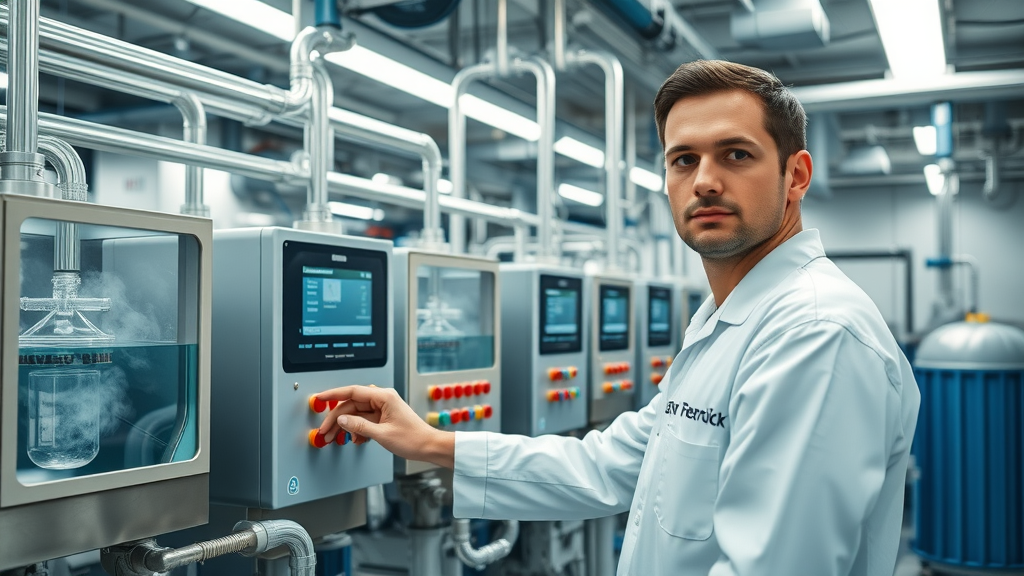
Advanced wastewater treatment equipment controlling TSS, COD, and BOD in industrial wastewater regulations compliance

Beyond sulfides, many industries struggle with reducing Total Suspended Solids (TSS), Chemical Oxygen Demand (COD), and Biological Oxygen Demand (BOD)—key indicators of pollutant load and organic matter. Excess TSS can clog treatment systems, while high COD/BOD depletes oxygen in receiving waters, harming aquatic life.

CSI Environmental recommends installing specialized filtration and sedimentation equipment to lower TSS levels significantly—often by 90-95%. Treatment for COD and BOD varies by industrial process; insoluble fractions respond well to chemical treatment, while soluble COD/BOD typically requires biological treatment involving enzymes or microorganisms.

Steve Manii notes, “Each facility’s unique wastewater profile dictates the optimal treatment strategy. Our role is to evaluate lab data carefully, compare with discharge permits, and design cost-effective solutions that achieve compliance and can even reduce operational charges based on pollutant loads.” Implementing these solutions directly addresses compliance and operational cost concerns.

Roles and Responsibilities in Industrial Wastewater Compliance

Environmental health and safety manager collaborating with industrial staff on wastewater compliance

Within industrial facilities, responsibility for managing wastewater compliance typically lies with personnel named on the discharge permit. This usually includes Environmental Health and Safety (EHS) managers or supervisors, maintenance staff, and sometimes plant managers or site directors.

The role involves monitoring sampling results, liaising with regulatory agencies, coordinating corrective actions, and overseeing treatment system operations. Because wastewater compliance overlaps with environmental, operational, and maintenance domains, collaborative teamwork is essential.

Steve Manii explains, “We often find EHS professionals seeking expert guidance because wastewater treatment falls outside typical safety roles. CSI Environmental serves as a vital liaison, helping facilities interpret regulations and interact with regulatory bodies effectively to maintain compliance.” Clear role definition supports timely responses to compliance issues.

How CSI Environmental Supports Businesses in Achieving Compliance

Initial Consultation and Documentation Review

When facing regulatory notices, CSI Environmental starts every engagement with a brief 10-15 minute phone call to understand the client’s compliance issue. This initial step assesses whether and how CSI can help.

Prior to on-site visits, clients provide essential documents, including lab reports for the past three to six months, copies of regulatory warning letters, and surcharge statements detailing pollutant charges. Reviewing these materials allows CSI’s experts to prepare a customized compliance strategy tailored to permit limits and operational realities.

Steve Manii highlights, “Having access to detailed lab data and regulatory communications enables us to conduct thorough analysis, identify root causes, and propose practical treatment and operational solutions. Our established relationships with regulatory agencies also help us act as an effective third-party liaison for our clients.”

Ongoing Support and Cost Savings

Beyond fixing immediate violations, CSI Environmental offers ongoing support to maintain compliance and reduce wastewater treatment costs. By optimizing treatment technologies and operations, many clients realize substantial reductions in pollutant loads, sometimes lowering TSS by up to 95% and COD/BOD by 50-85%, directly translating into lower surcharge fees.

CSI’s cost-effective chemical treatments and modern equipment solutions minimize regulatory risks and enhance operational sustainability. The company’s proactive approach helps clients avoid penalties and public disclosure of non-compliance that can damage business reputations.

Steve Manii concludes, “Our goal is to transform wastewater compliance from a reactive problem into a managed asset that benefits both environmental stewardship and the client’s bottom line.”

What You'll Learn

  • Key federal, state, and local industrial wastewater regulations and discharge limits

  • The compliance notification and enforcement process

  • Common wastewater pollutants and treatment solutions

  • Roles responsible for compliance within industrial facilities

  • How expert consultation can facilitate regulatory compliance and cost savings

Frequently Asked Questions (FAQs)

  • What is wastewater compliance?
    Wastewater compliance means meeting all permit requirements for effluent discharge, including limits for pollutants like sulfides, TSS, COD, BOD, and pH, as set by federal, state, and local regulations.

  • What law allowed the EPA to establish wastewater standards?
    The Clean Water Act (CWA) of 1972 empowered the EPA to create the National Pollutant Discharge Elimination System (NPDES) setting wastewater discharge standards nationwide.

  • What is the definition of industrial wastewater?
    Industrial wastewater is liquid waste originating from manufacturing or industrial processes, which may contain pollutants requiring treatment before being discharged into municipal sewer systems or water bodies.

  • What are the three types of industrial wastewater treatment?
    The three types include physical treatment (e.g., sedimentation, filtration), chemical treatment (e.g., oxidation, neutralization), and biological treatment (e.g., microbial degradation of soluble organics).

Key Takeaways

  • Industrial wastewater regulations are governed by the Clean Water Act with stricter local standards enforced by agencies like LA County Sanitation.

  • Non-compliance initiates a formal process including warnings, corrective action plans, retesting and possible penalties.

  • Effective treatment solutions drastically reduce pollutant loads, helping avoid fines and operational risks.

  • Designated personnel such as EHS managers, plant managers, and maintenance staff hold critical compliance responsibilities.

  • Partnering with experts like Steve Manny of CSI Environmental streamlines compliance and realizes cost savings.

Conclusion: Ensuring Compliance with Industrial Wastewater Regulations

Take action early: Monitor closely, respond swiftly to notices, consult experts, and upgrade treatment systems to secure compliance and protect your operations from costly enforcement.

Get Your FREE Compliance Assessment Today

Don’t wait for regulators to find problems—reach out now to CSI Environmental, Inc. for your personalized, no-cost wastewater compliance assessment. Visit https://csienvironmentalinc.com/California-Wastewater-Compliance or call (800) 690-2436 to schedule your consultation.

Understanding and adhering to industrial wastewater regulations is crucial for maintaining compliance and protecting the environment. To deepen your knowledge, consider exploring the following resources:

  • The U.S. Environmental Protection Agency’s (EPA) page on Industrial Wastewater provides an overview of the National Pollutant Discharge Elimination System (NPDES) permitting program, detailing discharge limits and conditions for various industrial and commercial sources.

  • The EPA’s Industrial Effluent Guidelines offer national standards for wastewater discharges, outlining technology-based requirements for over 50 different categories of industrial and commercial activities.

These resources will equip you with a comprehensive understanding of federal regulations and guidelines, enabling you to navigate the complexities of industrial wastewater compliance effectively.
Services

4 Comments

Write A Comment

*
*

XRKJFbZmfcyXDknSoKsJLx

11.30.2025

AzgRaSWDXHFMXeRzEjvmsIOy AzgRaSWDXHFMXeRzEjvmsIOy

XRKJFbZmfcyXDknSoKsJLx

11.30.2025

nzpGGdTjBZFtMFyTgOuhOLk nzpGGdTjBZFtMFyTgOuhOLk

XmPYkIticOIGqBaD

11.26.2025

rsrJcYPNrkhVyHBqVL rsrJcYPNrkhVyHBqVL

cKsEFkCrvIYrqAjWLqefM

11.06.2025

kkVdSBBSiCqWQHpxP kkVdSBBSiCqWQHpxP

Related Posts All Posts
01.09.2026

Don't Make This Mistake in FOG Removal Wastewater Treatment!

Did you know just one gallon of oil can make a million gallons of water undrinkable? This jaw-dropping statistic from the EPA highlights a hidden problem plaguing wastewater treatment worldwide: FOG—fats, oils, and grease Startling Facts: The Hidden Dangers of FOG Removal Wastewater Challenges FOG removal in wastewater treatment is vital for modern wastewater treatment plants, as fatty organic accumulations can quickly overwhelm systems and cause severe blockages. Improper fog removal leads to clogs in the collection system, sewer overflows, and costly damage to water treatment processes. Recent studies reveal oil and grease buildup is responsible for over 40% of all U.S. sanitary sewer overflows, costing municipalities millions each year and threatening environmental protection efforts. What You'll Learn in This Guide to FOG Removal Wastewater How FOG removal wastewater processes work in today’s treatment plants Industry best practices for oil and grease management in wastewater treatment The real consequences of poor FOG removal—and how noncompliance impacts both environmental protection and operations Understanding FOG Removal Wastewater: Oil, Grease, & Fog Buildup What is FOG in Wastewater Treatment? FOG removal wastewater refers to the process of eliminating fats, oils, and grease from wastewater streams before they enter municipal systems or natural water bodies. The most common sources of FOG buildup include food service establishments, industrial kitchens, and household drains, all contributing to fog discharge in the wastewater system. Without proper fog removal, these oils and grease solidify, restricting flow in pipes, overloading grease interceptors, and jeopardizing the operational integrity of every treatment plant. For a deeper dive into how environmental service providers can support your facility’s FOG management and compliance needs, explore the solutions and expertise offered by CSI Environmental Inc. Their experience in wastewater treatment can help you address site-specific challenges and optimize your FOG removal strategy. Why Effective Fog Removal is Essential for Water Treatment and Collection Systems Regulators demand strict compliance; untreated FOG can cripple both collection system and wastewater treatment plant function. Blockages result in system failures, contaminated water, and equipment downtime, impacting every stage of the water treatment cycle. Environmental protection is at stake: one small oversight allows fatty organic material to wreak havoc, endangering aquatic ecosystems and risking serious fines. “A single gallon of oil can render a million gallons of water undrinkable.” — EPA Water Quality Report The Science and Process Behind FOG Removal Wastewater Treatment Biological Treatment: Harnessing Microbes for FOG Removal Biological treatment relies on specialized microbes that digest fatty organic material in wastewater streams. These bacteria break down FOG into harmless byproducts, making this a sustainable and effective treatment method. This approach is popular because it supports ongoing water treatment processes with minimal chemical input, but it demands strict environmental controls and ongoing monitoring to ensure the microbes stay active and healthy. Mechanical and Chemical Methods in FOG Removal Wastewater Mechanical skimmers and oil-water separators physically remove FOG from wastewater streams, while chemical additives break up grease and oil into smaller, more manageable components. Mechanical methods like separators or grease traps are highly effective for high-flow environments, while chemical options provide a rapid boost—especially during acute fog discharge events. However, finding the right blend and treatment method is crucial to avoid downstream issues. Method Efficiency Average Cost Environmental Protection Biological Moderate to High (60–90%) Medium Excellent, minimal chemical residuals Mechanical High (up to 95%) High (equipment, maintenance) Good, some residual waste Chemical Fast, spot solution (up to 85%) Low to Moderate (additive cost) Variable—risk of downstream chemical contamination Common Mistakes in FOG Removal Wastewater Treatment (And How to Avoid Them) Underestimating Collection System Maintenance: Many overlook scheduled cleaning of pipes, grease interceptors, and lift stations, leading directly to fog buildup and blockages. Ignoring Early Warning Signs: Slow drainage, foul odors, or increasing sewer overflows signal problems with fog removal—but are too often ignored. Choosing the Wrong Technology: Each treatment plant is different; selecting inappropriate mechanical, biological treatment, or chemical methods can waste money and jeopardize compliance. Lack of Consistent Audits: Failure to regularly audit procedures at the wastewater treatment plant leads to gradual yet severe process failures and noncompliance penalties. Step-by-Step Guide: Ensuring Reliable FOG Removal in Wastewater Treatment Plants Audit existing collection systems for fog buildup. Use internal CCTV inspection and monitor sewer system flow rates for telltale slowdowns. Sample and monitor oil and grease concentrations. Establish a routine testing schedule to catch fog buildup early. Select appropriate FOG removal methods. Decide between biological, mechanical, or chemical strategies based on flow, load, and compliance needs. Implement ongoing training. Keep plant and maintenance managers updated with the latest best practices and compliance regulations. Monitor for regulatory compliance. Document all procedures and results to ensure constant alignment with environmental standards. Watch: Explainer Video – How FOG removal wastewater treatment technology works in practice. People Also Ask: Addressing Key Questions About FOG Removal Wastewater How do they remove FOG from wastewater? FOG is removed using a combination of mechanical separation (like skimmers and separators), chemical treatments (including dispersing agents), and biological processes where microbes break down organic material. High-flow systems may rely on dissolved air flotation or gravity-based devices to remove FOG, while advanced treatment processes use a blend of all three for maximum results. What is FOG removal? FOG removal is a crucial wastewater treatment procedure designed to eliminate fats, oils, and grease (FOG) from incoming wastewater streams, preventing hazardous buildup in the collection system and ensuring compliance with water treatment plant permits. How to remove FOG from a drain? Prevent FOG buildup by regularly cleaning drains and traps, using enzymatic cleaners, and avoiding pouring oil down the sink. For existing problems, use mechanical rodding and schedule professional grease trap maintenance at least quarterly to prevent collection system issues. What is FOG wastewater? FOG wastewater refers to any wastewater stream containing excessive fats, oils, and grease. Treating this stream is mandatory for treatment plants to avoid system failures and environmental protection violations. Compliance is enforced at local, state, and national levels. Critical Compliance and Environmental Protection in FOG Removal Wastewater Regular compliance assessments help detect small issues before they escalate, protecting the wastewater treatment plant and surrounding environment. EHS managers, plant operators, and maintenance teams should keep detailed documentation, conduct periodic audits, and stay current with regulations on fog removal wastewater management to prove due diligence. “Compliance isn’t just good business – it’s non-negotiable for environmental protection.” Watch: Interview with regulatory experts on the importance of FOG removal compliance in wastewater treatment. FAQs on FOG Removal Wastewater Treatment How often should collection systems be inspected for fog buildup? Inspections should be performed at least quarterly, but high-risk service establishments or heavy-load sites may require monthly checks to prevent unexpected fog buildup and costly system failures. Which fog removal methods are most cost-effective for small wastewater treatment plants? Smaller facilities often benefit from a blend of biological treatment and mechanical grease interceptors, which balance cost, efficiency, and compliance. What documentation is needed for FOG removal wastewater regulatory compliance? Maintain records of all maintenance activities, inspections, sampling results, removal method changes, and staff training programs to ensure a robust compliance trail. Key Takeaways for Site Managers and Maintenance Teams Consistent FOG removal is essential for efficient wastewater treatment and system reliability. Proactive management of oil and grease prevents blockages, sewer overflows, and noncompliance penalties. Compliance and environmental protection must be at the forefront of every operational decision in fog removal wastewater management. Ready for Your Compliance Assessment? Get Your FREE Compliance Assessment | (800) 690-2436 Don’t risk costly fines or environmental damage—make FOG removal wastewater a top operational priority and schedule your compliance review today. If you’re looking to expand your understanding of environmental compliance and discover how integrated solutions can elevate your facility’s performance, take the next step by reviewing the comprehensive resources at CSI Environmental Inc. Their expertise spans a wide range of environmental services, offering valuable insights for both immediate operational needs and long-term strategic planning. By exploring their approach, you’ll gain a broader perspective on how proactive environmental management can drive efficiency, sustainability, and regulatory peace of mind for your organization. Sources: EPA – Fats, Oils, and Grease (FOG) Education Materials – https://www.epa.gov/npdes/fats-oils-and-grease-fog-education-materials California Water Boards – FOG Factsheet – https://www.waterboards.ca.gov/publications_forms/publications/factsheets/docs/fog.pdf CSI Environmental – California Wastewater Compliance – https://csienvironmentalinc.com/California-Wastewater-Compliance Water Environment Federation – FOG (Fats, Oils, and Grease) – https://www.wef.org/resources/for-the-public/Water-Words/fog-fats-oils-and-grease/ To enhance your understanding of FOG (Fats, Oils, and Grease) removal in wastewater treatment, consider exploring the following resources: The article “Treating Fat, Oil and Grease in Wastewater” by Enva provides an in-depth look at the challenges FOG presents to wastewater systems and outlines effective treatment solutions, including removal at the source, from drains, and at wastewater treatment plants. (enva.com) The “Fats, Oils, Grease (FOG)” fact sheet from the Connecticut Department of Energy and Environmental Protection offers a comprehensive overview of FOG, its sources, and the importance of proper disposal to prevent environmental issues and potential violations. (portal.ct.gov) These resources provide valuable insights into the complexities of FOG management and offer practical strategies to enhance your facility’s wastewater treatment processes.

01.08.2026

Fix Your pH Balancing Industrial Wastewater Issues Now

5 in pH levels can lead to hefty fines and even process shutdowns? For plant, site, and EHS managers, the stakes are high when it comes to ph balancing industrial wastewater Why pH Balancing Industrial Wastewater Is Non-Negotiable "A deviation of even 0.5 in pH levels can result in significant regulatory fines and process shutdowns." Environmental Compliance: Exceed permitted pH ranges and you could face regulatory scrutiny or shutdowns. Operational Efficiency: Fluctuating pH levels can harm equipment, slow down processes, and spike maintenance costs. Public Health Impact: Inadequate pH balancing may release toxic contaminants or heavy metals, affecting local water sources. Professional industrial team examining blueprints beside advanced wastewater treatment tanks for optimal ph control. Regulatory compliance is more than a checkbox—it's a safeguard against lower ph that could corrode infrastructure or disrupt microbial processes critical for wastewater treatment. Keeping pH within optimal ranges drives operational reliability and protects both your facility and the environment. Also, addressing ph balancing industrial wastewater issues proactively means maintaining safer workflows, reducing unforeseen downtime, and building trust with local authorities and stakeholders. What You'll Learn About pH Balancing in Industrial Wastewater How pH balancing industrial wastewater systems work Understanding optimal pH for wastewater treatment Step-by-step pH adjustment instructions Best practices for pH control and neutralization systems How pH levels affect compliance and performance By the end of this guide, you'll know how to assess, adjust, and maintain the pH in your industrial wastewater treatment system, ensuring you're meeting all regulatory compliance requirements and protecting your bottom line. For a deeper dive into the technologies and best practices that drive effective pH control, you may find it helpful to explore the comprehensive solutions and industry insights available from CSI Environmental Inc. Their expertise in advanced wastewater treatment can provide additional tactical guidance for optimizing your facility’s pH management systems. The Science Behind pH Balancing Industrial Wastewater Understanding pH Levels in Industrial Wastewater Laboratory technician calibrating a digital pH meter to ensure accurate ph control in industrial wastewater. The pH scale ranges from 0 to 14, with 7 being neutral pH. Most industrial wastewater streams are either acidic (low pH) or alkaline (high pH) due to the chemicals, heavy metals, and compounds used in industrial processes. Precise ph monitoring using a ph sensor is crucial to identify the specific pH and make adjustments. Consistent out-of-range pH can facilitate the precipitation of heavy metals or cause contaminants to remain dissolved, threatening systems and violated discharge permits. Site and EHS managers must understand their facility’s unique ph range based on incoming waste streams, flow rate, and required effluent standards. Each treatment system should be designed to stabilize pH within strict tolerances. Mishandling even small pH changes can impact downstream treatment tanks, trigger corrosion, or kill the microorganisms vital to biological treatment processes. Recognizing these risks underscores why proactive ph control is essential at every stage of industrial wastewater treatment. The Chemistry of pH Adjustment and pH Neutralization pH adjustment involves adding acids to lower pH or bases to raise it, aiming for a neutral pH—typically between 6 and 9 for regulatory discharge. Facilities frequently use sulfuric acid, hydrochloric acid, sodium hydroxide, or lime depending on their initial contaminant load and ph levels. Chemical dosing is a precise science: excessive acidification or neutralization can disrupt the entire water treatment process or create secondary hazardous byproducts. The process requires carefully calibrated ph neutralization systems, often working with real-time ph sensors and advanced ph control feedback loops. Whether your system is designed for a continuous process or batch treatment, understanding dosing rates and chemical compatibility is vital to keeping your wastewater discharge within target ph ranges. Water Treatment and Wastewater Treatment: Key Differences Water Treatment vs. Industrial Wastewater Treatment Systems Split-screen view: potable water treatment vs. industrial wastewater neutralization plant. Key differences in process and goals. Water treatment systems focus on making water safe for human use, removing pathogens and impurities, while industrial wastewater treatment systems are engineered to manage effluents loaded with chemicals, heavy metals, and wide ph ranges. The former aims for purity; the latter, for safe discharge within defined regulatory parameters. In wastewater treatment systems, managers must oversee rigorous ph adjustment and neutralization to prevent environmental damage and meet compliance. Unlike potable water treatment, which emphasizes broad purification, industrial wastewater treatment customizes every treatment tank for the contaminants in question. Parameters such as flow rate, chemical compatibility, and the type of neutralizing agent are more critical and require continuous monitoring. This key difference means that managers must be especially vigilant with their ph neutralization systems to avoid both regulatory penalties and increased operational expenses. How Optimal pH Is Managed in Treatment Systems Achieving optimal pH in treatment systems requires automated monitoring and responsive dosing controls. Modern ph neutralization system setups include real-time sensors, advanced controllers, and integration with facility-wide management software to trigger immediate adjustments. The goal is to maintain the specific ph for effective contaminant removal and compliance. Plant and facility managers should recognize that ph control directly impacts not just safe discharge but other treatment stages—such as precipitation of heavy metals and biological digestion. Maintaining optimal ph reduces risks of downtime, equipment degradation, and the downstream impact on public health. Why Proper pH Adjustment Methods Matter Meeting Compliance Standards: Accurate ph adjustment is critical for regulatory compliance and to avoid costly penalties. Preventing Equipment Corrosion: Incorrect ph levels can rapidly corrode expensive equipment, leading to costly replacements or repairs. Enhancing Biological Treatment Processes: Microorganisms responsible for breaking down industrial waste only thrive within certain pH ranges. Out-of-range conditions can bring processing to a halt. Failure in any of these can ripple through your entire wastewater treatment system. Using advanced ph control technology and adhering to industry best practices will extend equipment lifespan, optimize biological processes, and enhance overall facility safety. Treatment Process for pH Balancing Industrial Wastewater Continuous Process and Batch Process Explained Continuous process systems treat industrial wastewater as it flows, making real-time pH adjustments. This method ensures that all incoming waste achieves proper ph balancing before discharge. Automated controls, ph sensors, and chemical dosing pumps maintain consistent levels, ideal for high-volume or variable-flow facilities. In batch processes, wastewater is collected in large treatment tanks and treated as a single lot. This offers managers tighter control over each batch's ph range before release. Batch processing is best for facilities with intermittent flows or where stringent final effluent standards require close adjustment before release. Using Neutralization Systems for Effective pH Control Cutaway of a pH neutralization system in action: chemical dosing, treatment tanks, and control panels working seamlessly. Neutralization systems typically include acid/base dosing pumps, inline ph sensors, robust treatment tanks, and fail-safes to prevent operator error. Advanced models incorporate feedback loops from downstream discharge monitors, instantly adjusting chemical flow in response to real-time ph monitoring data. For site and maintenance managers, investing in a high-quality system ensures safe and efficient ph neutralization, less downtime, and fewer compliance headaches. Integration with larger facility treatment system architecture is key. Managers should ensure their ph neutralization systems align with upstream and downstream processes, achieving a holistic and reliable water treatment process. Selecting the Right pH Neutralization System System Sizing Factors: Account for total flow rate, peak loads, contaminant profile, and required ph range. Chemical Types: Choose the right acids, bases, or engineered neutralization agents based on the profile of your industrial waste. Integration: Ensure smooth alignment with your existing wastewater treatment system and digital controls for advanced ph monitoring. Comparison of Leading pH Neutralization Systems Parameter Manual Neutralization Automated Neutralization Monitoring Frequency Low High Precision Variable Consistent Compliance Moderate High Automated systems offer the advantage of real-time adjustments and data logging, crucial for handling variable waste streams and staying ahead of regulatory reporting requirements. Manual approaches may be sufficient for small, low-risk operations but increase the risk of errors and compliance failures as complexity rises. Implementing Advanced pH Control in Wastewater Treatment Automated pH Neutralization and Control Technologies Technician in a modern digital control room, monitoring real-time pH data for optimal wastewater treatment. Modern ph control technologies combine digital controllers, real-time sensors, automated chemical dosing, and remote alert systems. These improvements deliver better predictive control and faster reactions to pH variability in industrial waste streams. Deploying advanced automation reduces reliance on manual checks and helps maintain precise ph balancing industrial wastewater—essential for regulatory compliance and process continuity. Integrating automated systems into your treatment process means fewer surprises, seamless compliance tracking, and less operational risk. Data from these ph neutralization systems can be archived for audits and used to continually refine process strategies, further lowering operational costs. Monitoring and Recording pH Levels for Compliance Accurate ph monitoring and recordkeeping are not only smart operational strategies—they’re regulatory necessities. Digital monitoring platforms automatically log every reading, chemical injection, and alarm event. These detailed records satisfy reporting requirements, facilitate quick audits, and shield organizations from regulatory action in the event of unexpected pH excursions. Plant managers and EHS professionals should establish protocols for routine data review and confirm calibration schedules for all ph sensors. Regular audits and proactive system checks will ensure optimal ph is consistently maintained across your wastewater treatment system. Case Study: Achieving Optimal pH in an Industrial Wastewater Facility Initial challenges with lower pH levels: Excessive acidity triggered corrosion concerns and near-miss compliance violations. Step-by-step treatment process improvement: The facility installed an automated ph neutralization system with digital feedback controls and trained the team on regular calibration and monitoring procedures. Results and compliance outcomes: 99% reduction in compliance incidents, improved effluent quality, and a dramatic drop in equipment maintenance costs. For any site manager confronting unpredictable ph levels in effluent discharge, this case highlights how modernizing ph adjustment and neutralization systems can transform operational stability and compliance assurance. Key Benefits of Proper pH Balancing Industrial Wastewater Reducing Environmental Impact: Balanced pH ensures safe release of effluent and protects aquatic life downstream. Lowering Operational Risks and Costs: Eliminate corrosion, extend equipment life, and reduce emergency interventions with stable ph control. Meeting Stringent Standards: Stay ahead of evolving water treatment regulations and enhance industry reputation. Clear treated water flowing downstream from an industrial site, demonstrating effective pH balancing and environmental stewardship. Proactive ph adjustment not only safeguards your facility from penalties and shutdowns but, as shown, contributes powerfully to sustainable environmental performance. Common pH Balancing Industrial Wastewater Mistakes to Avoid Improper use of neutralization systems, such as incorrect chemical dosing or calibration neglect. Inaccurate ph control and measurement, leading to inconsistent effluent quality and unexpected compliance failures. Overlooking ongoing compliance monitoring and system audits, resulting in missed excursions and costly regulatory penalties. Avoid these pitfalls by integrating routine checks, precise calibration, and staff training as core elements of your wastewater treatment SOPs. FAQs on pH Balancing Industrial Wastewater What is optimal pH in industrial wastewater? The optimal pH for most industrial wastewater discharge is between 6.0 and 9.0, though this may vary by local regulations and specific effluent materials. The right range minimizes environmental harm and ensures regulatory compliance. How often should pH levels be checked? pH levels should be checked continuously with automated sensors for real-time control. At a minimum, manual spot checks should occur every shift, with monthly calibration of all ph sensors. Can pH neutralization system be retrofitted to older treatment systems? Yes. Modern ph neutralization systems are designed with retrofit options and can integrate easily with existing water treatment systems for improved control and automation. People Also Ask: pH Balancing Industrial Wastewater What is the best way to adjust pH in industrial wastewater? The best approach involves continuous monitoring, automated dosing, and regular system checks to ensure compliance. Advanced facilities combine real-time ph sensors with programmable logic controllers to manage acidic or alkaline adjustments. Automated chemical dosing and diligent recordkeeping capture all changes, guaranteeing reliable ph balancing industrial wastewater with minimal manual intervention. How do pH levels impact wastewater treatment system efficiency? Direct impact on chemical reactions: Out-of-range ph levels can inhibit or alter treatment reactions, risking incomplete contaminant removal. Affects microbial activity: Most treatment microorganisms require a defined ph range to thrive and perform optimally. Influences discharge quality and regulatory compliance: Stable pH is critical for environmental safety and passing compliance audits. Monitoring and controlling pH improves wastewater treatment performance, guaranteeing more predictable outcomes and lower operational risk. Why is neutralization system maintenance important in pH control? Prevents system failure by ensuring all equipment, including ph sensors and dosing pumps, operates as designed. Ensures consistent pH adjustment, preventing fluctuations and regulatory out-of-compliance events. Avoids costly downtime and fines, keeping operations smooth and management protected from regulatory scrutiny. Scheduled maintenance and annual system reviews are mission-critical safety nets for all managers overseeing ph balancing industrial wastewater processes. Tables: Key pH Neutralization System Features and Comparison Key pH Neutralization System Features Parameter Manual Neutralization Automated Neutralization Monitoring Frequency Low High Precision Variable Consistent Compliance Moderate High This video showcases a walkthrough of state-of-the-art treatment systems, from pH balancing tanks to automated chemical dosing and final discharge inspections. Watch our maintenance guide to see step-by-step best practices, including calibration, routine checks, and data audit preparation for compliance. Key Takeaways on pH Balancing Industrial Wastewater Get expert guidance on pH balancing for your industrial wastewater facility. Adopting proper ph control can prevent costly mistakes and safeguard operations. Regular assessment and monitoring equal ongoing regulatory compliance and operational success. Conclusion: Make pH Balancing Industrial Wastewater Compliance Simple Proper ph balancing industrial wastewater not only ensures compliance but protects your operation, infrastructure, and local environment. Early action and expert support make resolving pH issues straightforward. If you’re ready to take your facility’s environmental performance to the next level, consider exploring the broader range of environmental management strategies and compliance solutions offered by CSI Environmental Inc. Their expertise extends beyond pH balancing, providing holistic approaches to industrial wastewater, air quality, and site remediation challenges. By leveraging advanced technologies and integrated services, you can future-proof your operations and stay ahead of evolving regulatory demands. Discover how a comprehensive environmental partner can help you achieve operational excellence and long-term sustainability. Ready to Resolve Your pH Balancing Industrial Wastewater Issues? Schedule Your FREE Compliance Assessment (800) 690-2436 https://csienvironmentalinc.com/ Sources EPA – https://www.epa.gov/industrial-wastewater Water Online – https://www.wateronline.com/doc/pH-control-in-industrial-wastewater-treatment-0001 Treatment Plant Operator – https://www.tpomag.com/online_exclusives/2021/11/best-practices-for-pH-control-in-industrial-wastewater-treatment Hach – https://www.hach.com/applications/industrial-wastewater/nitrate-and-pH-control CSI Environmental – https://csienvironmentalinc.com/ Maintaining proper pH levels in industrial wastewater is crucial for regulatory compliance, equipment longevity, and environmental protection. To enhance your understanding and management of pH balancing, consider the following resources: “Wastewater pH Compliance”: This resource provides insights into achieving pH discharge compliance through effective wastewater treatment technologies. (alarcorp.com) “Industrial Wastewater Treatment Plants Self-Monitoring Manual”: This manual offers comprehensive guidelines on self-monitoring practices for industrial wastewater treatment, including pH adjustment techniques. (kh.aquaenergyexpo.com) By exploring these resources, you can gain valuable insights into effective pH balancing strategies, ensuring your facility operates efficiently and remains compliant with environmental regulations.

01.06.2026

Struggling with TSS COD BOD Reduction? Here's What Works

struggle to consistently meet regulatory limits for BOD, COD, and TSS, risking hefty fines and operational shutdowns? If your facility is grappling with these challenges, you’re not alone—and there are proven methods for transforming compliance headaches into operational wins A Startling Look: Why TSS COD BOD Reduction Is Crucial for Wastewater Compliance For every site manager, plant supervisor, or EHS specialist, failing to contain BOD, COD, and TSS levels is more than a paperwork hassle—it’s a financial and reputational risk. Regulatory agencies enforce strict discharge limits on biochemical oxygen demand (BOD), chemical oxygen demand (COD), and total suspended solids (TSS) because high concentrations can devastate aquatic environments and public health. Noncompliance can lead to costly penalties or even force plants offline until remedial actions are taken. Achieving tss cod bod reduction isn’t just about ticking boxes for regulators; it ensures operational efficiency, extends equipment life, and builds community trust. Today, water treatment plants must proactively monitor bod levels, optimize the treatment process, and implement adaptive solutions to stay ahead of rising influent variability and changing regulations. Immediate, practical steps—rooted in science and real-world experience—offer the most sustainable path toward wastewater compliance and environmental stewardship. What You'll Learn: Master TSS COD BOD Reduction in Wastewater Processes Industry-standard techniques for tss cod bod reduction How to assess and optimize wastewater treatment systems The science behind tss removal and BOD in wastewater Key equipment and best practices for regulatory compliance Red flags and troubleshooting in real-world water treatment scenarios Understanding TSS, COD, BOD in Wastewater: Definitions and Impacts Finding the right strategy starts with a clear grasp of the parameters in play. BOD in wastewater reflects how much oxygen bacteria will consume breaking down organic matter. TSS removal targets visible particles suspended throughout the water, while COD includes both organic and some inorganic contaminants that draw on oxygen resources. Each has distinct regulatory limits and operational implications, with high bod, high cod, and excess suspended solids often signaling deeper process inefficiencies or upstream issues. Poor control of these factors directly affects oxygen demand across receiving waters, leading to depleted fish stocks, toxic buildups, and even plant crises like bulking, plugging, or permit violations. A robust monitoring and control approach ensures you’re not just avoiding fines but creating cleaner, more sustainable water for everyone downstream. What Is BOD in Wastewater and Why Is It Monitored? Biochemical oxygen demand (BOD) measures how much dissolved oxygen is consumed by microorganisms while decomposing organic matter over a specific period (usually five days, BOD5). Plants monitor bod in wastewater to gauge the pollution load and the efficiency of biological treatment stages. High bod levels indicate excess organic pollution, which can smother aquatic life if not sufficiently treated. Accurate BOD testing guides both equipment sizing and regulatory reporting, ensuring timely action to reduce bod and achieve long-term compliance. TSS Removal and Its Role in Wastewater Treatment Total suspended solids (TSS) refer to all particulate matter—organics and inorganics—that remain suspended in water after primary physical treatment. Successful tss removal prevents downstream clogging, supports biological process health, and satisfies permit obligations. Effective TSS control relies on mechanical screens, sedimentation, and sometimes enhanced treatments such as coagulation, all of which require routine maintenance and process adjustment as influent conditions change. Chemical Oxygen Demand (COD) and Biochemical Oxygen Demand (BOD): Key Differences While both COD and BOD are proxies for the polluting potential of wastewater, they measure different things: BOD focuses on biodegradable organic matter, while chemical oxygen demand (COD) measures all substances that can be chemically oxidized. COD tests are faster, detecting both biodegradable and non-biodegradable pollutants. Comparing BOD and COD helps identify the fraction of organic content amenable to biological treatment, guiding process design for optimal cod reduction and sustainable effluent quality. Comparison Table: TSS, COD, and BOD - Definitions, Measurement Methods, Regulatory Limits Parameter Definition Measurement Method Common Regulatory Limits BOD (Biochemical Oxygen Demand) Amount of oxygen needed by bacteria to break down organic matter in water BOD5 Test—Incubation for 5 days <30 mg/L (typical municipal outfall) COD (Chemical Oxygen Demand) Total oxygen required to oxidize all organic (and some inorganic) matter chemically Potassium dichromate digestion, spectrophotometry <125 mg/L (typical municipal outfall) TSS (Total Suspended Solids) All particles suspended (not dissolved) in water Gravimetric analysis after filtration <30 mg/L (typical municipal outfall) Sources and Challenges of High BOD, COD, and TSS Levels Many industrial and municipal treatment plants face persistent high bod, cod, and tss levels due to variable influent composition or seasonal upsets. Common sources include food processors, dairies, slaughterhouses, pulp and paper mills, and stormwater run-off—each of which may introduce large amounts of organic matter or suspended solids into the treatment plant. Uncontrolled pollutant loads can overwhelm biological and chemical processes, cause high oxygen demand, and lead to regulatory consequences such as permit violations, fines, or mandatory facility upgrades. Frequent review and re-optimization of the wastewater treatment plan are required to address these risks. Common sources of high BOD in wastewater Industrial contributors to elevated TSS and COD Regulatory consequences of high bod levels and suspended solids How to Reduce BOD and TSS in Wastewater: A Step-by-Step Approach "Effective tss cod bod reduction begins with a detailed process assessment—every plant has unique variables. – Industry Wastewater Specialist" Reducing BOD and TSS effectively starts with a holistic understanding of your plant’s influent, process bottlenecks, and compliance targets. The first step is rigorous monitoring—collecting representative water samples, measuring bod level, tss, and cod, and analyzing historical data for trends. Next, you should review existing treatment processes: primary screening and sedimentation for basic removal, followed by chemical and biological systems tailored to influent characteristics. Adjusting parameters such as chemical dose, sludge age, and oxygen supply can often lower bod and improve effluent quality—without large capital costs. Ongoing staff training and equipment maintenance are critical for consistent, robust results in your wastewater treatment plant. For a deeper dive into how these process adjustments and monitoring strategies can be tailored to your facility, explore the comprehensive solutions and technical expertise available at CSI Environmental Inc. Their resources can help you address specific challenges in TSS, COD, and BOD reduction with proven, real-world approaches. Primary Methods: Physical, Chemical, and Biological Treatments Primary treatment: Screening and sedimentation Physical separation for total suspended solids Chemical precipitation to reduce COD Biological processes for BOD and COD removal The primary treatment stage removes coarse debris and dense solids via mechanical screening and sedimentation, which can eliminate a significant portion of total suspended solids. Follow-up physical methods like dissolved air flotation or sand filtration provide further tss removal, especially for fine particulates. Chemical oxygen demand is reduced using coagulants and flocculants that bind soluble and colloidal material, allowing for more efficient separation. Finally, biological reactors such as activated sludge or fixed film reactor systems target remaining organic matter, lowering bod and cod through microbial activity. The Activated Sludge Process for TSS COD BOD Reduction The activated sludge process is the backbone of most modern wastewater treatment plants, providing powerful removal of bod in wastewater and tss. Air is pumped into aeration tanks, stimulating microbial populations to consume organic pollutants. The process relies on careful control of sludge age (the residence time for biological solids), oxygen level, and loading rate (inflow volume and pollutant strength). Optimized operation results in stable effluent, high removal rates, and lower sludge disposal costs. Problems such as bulking, foaming, or poor settleability can often be traced to changes in influent composition, process imbalances, or insufficient oxygen supply. Regular performance review and prompt adjustment are crucial to keep your system at peak efficiency and compliance. Role of EQ Tank and Pre-Treatment in Controlling BOD, COD, and TSS Equalization (EQ) tanks serve as hydraulic buffers, evening out fluctuating flow rates and pollutant loads before biological or chemical treatment. By dampening peaks in high bod, tss, and cod, EQ tanks enable more stable operation and optimum performance of downstream processes. Pre-treatment—such as grit removal or pH correction—further protects equipment and increases process reliability. Plants with advanced EQ and pre-treatment routinely achieve better cod reduction and tss removal, even in industries with highly variable influent. Optimizing Activated Sludge and Sludge Processes for Lower BOD and COD Levels Optimization means getting more from your existing assets. This involves continuous review of sludge process control (especially sludge age and return rates), enhanced aeration strategies, and fine-tuning the loading rate to match system capacity. Real-time monitoring technology can help identify small changes in bod levels and cod that, if left unchecked, may lead to compliance issues. A proactive approach—combining routine sampling, automated feedback loops, and regular process audits—ensures persistent lower bod and cost-effective operation for years to come. Key Process Parameters: How Sludge Age, Oxygen Supply, and Loading Impact Results Fine control of critical process parameters—such as sludge age, dissolved oxygen supply, and organic loading rate—allows for real-time adaptation to changing influent. Sludge age determines which microbes dominate the ecosystem, affecting both removal efficiency and sludge characteristics. Sufficient oxygen is absolutely vital; too little and biological performance crashes, too much and you waste energy. Effective loading management keeps reactors from overloading or starving, ensuring reliable treatment and minimal downtime. Troubleshooting: Common Problems in TSS, COD, and BOD Reduction Even the best-designed plant faces upsets: sudden bod or cod spikes, bulking sludge, or equipment failure. Common red flags include rising effluent solids, oxygen depletion, and foaming. Most causes relate to influent variability, insufficient pre-treatment, or operator error. Rapid identification and targeted action—such as chemical adjustments, equipment calibration, or process rebalancing—are vital for quickly restoring compliance. Continuous operator training, preventative maintenance, and real-time monitoring tools have become industry best practices for minimizing downtime and maintaining robust reduction across all parameters in the wastewater treatment process. Technology Highlights: Advanced Water Treatment Solutions for TSS COD BOD Reduction Emerging technologies continue to push the boundaries of tss cod bod reduction, offering new solutions for stubborn pollutants or tight compliance deadlines. These include advanced filtration, membrane systems, and fully integrated wastewater treatment plants that combine multiple unit processes for maximum efficiency. Investing in these technologies can offer fast payback through improved effluent quality, energy savings, and long-term operational resilience. Membrane Filtration and Total Suspended Solids Removal High-tech membrane filtration systems—such as ultrafiltration (UF) and membrane bioreactors (MBR)—are increasingly popular in modern treatment plants. These systems achieve tss removal down to the sub-micron scale, supporting biological reactors with minimal maintainance downtime. They’re especially valuable for facilities dealing with high-strength influent or needing to reliably meet the most stringent discharge permits. Integrated controls and automated cleaning cycles make these a best-in-class solution for consistent effluent quality. Integrated Wastewater Treatment Plants: Case Studies Integrated treatment plants combine technologies—typically EQ, primary clarification, advanced sludge processes, and tertiary filtration—to achieve superior, reliable tss cod bod reduction. Real-world case studies show that targeted retrofitting or process adjustments can often lower bod and cod by up to 20% without major capital investment. Continuous process monitoring, staff training, and rapid troubleshooting lead to sustained compliance and major cost savings. "Our compliance assessment routinely uncovers opportunities to lower BOD and COD by 20% or more without major capital investment." Short explainer video demonstrating the top 5 most effective treatment methods for TSS, COD, and BOD reduction in industrial wastewater, with visual transitions from raw influent to clean effluent, including animated infographics and real plant footage. People Also Ask: How to Reduce BOD and TSS in Wastewater? Practical Steps for Reducing BOD and TSS in Wastewater Treatment To effectively reduce BOD and TSS in wastewater, start by optimizing physical removal methods (screening and sedimentation), which take out large solids. Follow up with robust biological and chemical steps—such as the activated sludge process or advanced filtration—to target dissolved and colloidal material causing high bod in wastewater. Always monitor eq tank performance, review all maintenance logs, and train staff regularly. Record changes in effluent via frequent water sample testing, and use findings to continually tweak the treatment plan for better results. People Also Ask: What is the Relationship Between TSS and BOD? Understanding Links Between Suspended Solids and Biochemical Oxygen Demand There’s a strong, direct relationship between tss and bod in wastewater. Suspended solids often include organic debris that directly increases biochemical oxygen demand because bacteria break down both dissolved and suspended organics, consuming oxygen. Effective tss removal at the outset lowers the overall bod burden on biological reactors, simplifies process control, and minimizes the risk of regulatory exceedances. Routine monitoring and integrated process management tie these parameters together for maximum system reliability. People Also Ask: Does TSS Affect COD? How Total Suspended Solids Impact Chemical Oxygen Demand Suspended solids often harbor both biodegradable and non-biodegradable substances that contribute to the overall chemical oxygen demand (COD). High tss can result in elevated cod readings, especially if industrial influent introduces stubborn contaminants or recalcitrant organics. Improving tss removal early in the treatment process ensures more accurate cod monitoring and easier permit compliance across all stages. People Also Ask: Is BOD Part of TSS? Clarifying the Distinction: BOD vs. TSS in Wastewater Analysis BOD and TSS are closely linked but represent different aspects of wastewater pollution. TSS encompasses both organic and inorganic particles that remain suspended after basic separation, while bod in wastewater reflects only the oxygen-consuming potential of biodegradable organic content. Some BOD is always tied up in suspended (as well as dissolved) matter; hence, comprehensive monitoring and targeted treatment ensure compliance across both fronts. Lists: Best Practices and Maintenance Tips for Ongoing TSS COD BOD Reduction Regular monitoring of bod level, tss, and cod Scheduled maintenance of treatment equipment Staff training on wastewater treatment procedures Implementation of process control systems Documentation and review of compliance records FAQs: TSS COD BOD Reduction and Water Treatment What is the normal range for BOD in wastewater? Most municipal wastewater plants target BOD levels below 30 mg/L for treated effluent, although stricter permits may require even lower concentrations. Consistent BOD monitoring and process adjustment are essential to meet evolving regulatory requirements. How frequently should TSS and COD be monitored? Daily monitoring of TSS and COD is standard for large plants, while smaller facilities may check these parameters several times per week. Increased frequency is recommended during process changes, seasonal shifts, or when troubleshooting high effluent concentrations. What are quick wins for lowering COD in tight timeframes? Implementing chemical precipitation and optimizing existing coagulation processes offer rapid reductions in COD. Batching high-strength waste or increasing return rates in the sludge process can deliver quick compliance improvements. Which technologies are best for high-strength influent? Membrane bioreactors (MBR), moving bed biofilm reactors (MBBR), and advanced oxidation processes excel at handling high-strength wastewater with persistent bod and tss loads. These technologies boost removal efficiency while maintaining robust plant performance. Key Takeaways: Achieving Effective TSS COD BOD Reduction Comprehensive tss cod bod reduction protects your facility from violations A multi-step process is key to successful wastewater treatment Regular assessments enable ongoing compliance and optimization Conclusion: Next Steps Toward Reliable TSS COD BOD Reduction at Your Plant Consistent, compliant tss cod bod reduction requires a holistic approach—state-of-the-art technology, skilled operation, and continuous improvement. Start with a detailed assessment and unlock better results for your plant and community. Get Our Free Evaluation - CALL US (626)-332-2500 - EMAIL US info@csi-environmental.net Get Your Wastewater & Sewage Treatment Plants – Contact us today for a compliance assessment! If you’re ready to take your facility’s performance to the next level, consider exploring the full range of environmental engineering and compliance services offered by CSI Environmental Inc. Their expertise spans not only advanced wastewater treatment but also integrated solutions for air, soil, and water quality challenges. By partnering with a team that understands both the technical and regulatory landscape, you can future-proof your operations and achieve sustainable compliance. Discover how a strategic approach to environmental management can unlock new efficiencies and long-term value for your organization. Sources EPA – Wastewater Discharge Permits WaterOnline – BOD, COD and Toxicity: Parameters Key to Treatment Environmental Science.org – Wastewater Treatment Water Treatment Plants – What is TSS, COD, BOD in Wastewater? ResearchGate – Technical Summary of Activated Sludge Process To enhance your understanding of effective wastewater treatment strategies, consider exploring the following resources: “10 Tips for Reducing BOD and TSS in Water Treatment Systems”: This article provides practical advice on optimizing wastewater treatment processes, including the use of mechanical screens, equalization tanks, and pH control to effectively reduce BOD and TSS levels. (hohwatertechnology.com) “BOD and TSS Removal”: This resource discusses various treatment technologies, such as biological systems, membranes, and tertiary processes, that can achieve significant reductions in BOD and TSS, ensuring compliance with stringent effluent requirements. (aqua-aerobic.com) By delving into these materials, you’ll gain valuable insights into optimizing your wastewater treatment operations for improved compliance and efficiency.

Terms of Service

Privacy Policy

Core Modal Title

Sorry, no results found

You Might Find These Articles Interesting

T
Please Check Your Email
We Will Be Following Up Shortly
*
*
*