Add Row
Add Element
cropper
update
{COMPANY_NAME}
CSI Environmental Corp
update
Add Element
update

CALL US

(800) 690-2436

Add Element
update

EMAIL US

CSI-team@chem-serv.com

Add Element
update

WORKING HOURS

Monday - Friday  8 AM - 5 PM

Add Element

Add Element
  • Home
  • Categories
    • Tech Advances
    • Regulatory News
    • Sustainability
    • Case Studies
    • Expert Interviews
    • Cost Efficiency
    • Safety Protocols
  • Services
Add Element
  • update
  • update
  • update
  • LinkedIn
    update
  • update
  • update
  • update
August 07.2025
11 Minutes Read

Master pH balancing—through equalization and neutralization Now!

Did you know that over 80% of untreated industrial wastewater can disrupt entire aquatic ecosystems simply by failing to maintain the right pH level? Such a high number highlights the urgent need for pH balancing—through equalization and neutralization in every modern water and wastewater treatment facility. If you’re managing a treatment plant , overseeing industrial wastewater , or striving for environmental compliance, this guide will reveal the step-by-step science and actionable best practices behind successful pH adjustment . Stick with us for transformative insights that can boost your facility’s efficiency and sustainability—right now.

  • Startling Fact: Over 80% of untreated industrial wastewater can disrupt aquatic ecosystems due to improper pH levels—highlighting the crucial need for pH balancing—through equalization and neutralization.

  • Key Takeaways: This guide provides a comprehensive path to mastering pH balancing—through equalization and neutralization in wastewater treatment, water treatment, and industrial wastewater management, enabling compliance and efficiency.

  • What You Will Learn:

    • The science behind pH adjustment

    • Step-by-step equalization and neutralization processes

    • Critical role in wastewater treatment plant efficiency

    • Best practices for industrial wastewater pH control

    • Regulatory and operational insights


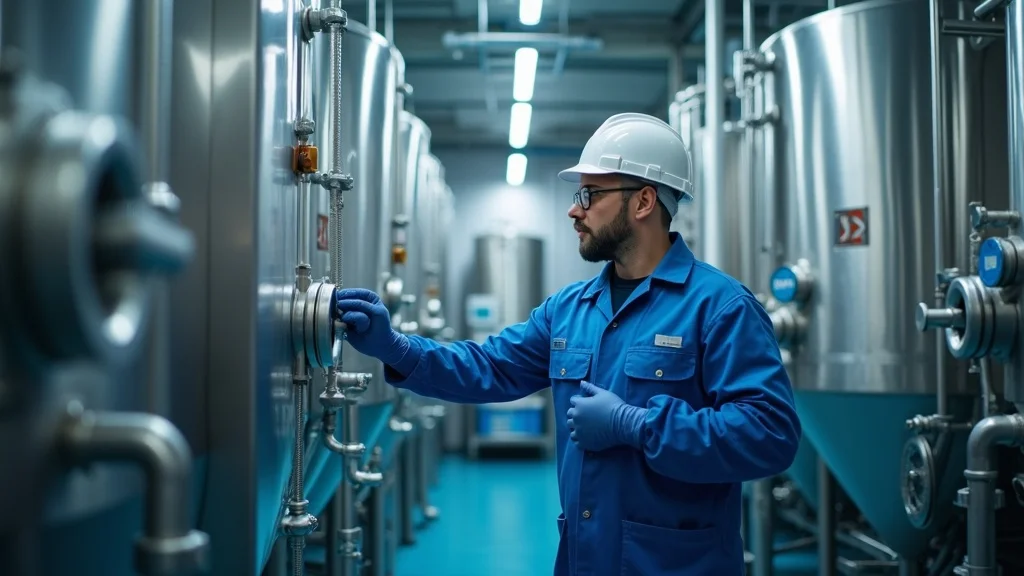
Clean modern industrial wastewater treatment facility, engineers monitoring ph balancing—through equalization and neutralization equipment

Understanding pH Balancing—Through Equalization and Neutralization in Modern Water and Wastewater Treatment

In the world of water treatment and wastewater treatment , mastering pH balancing—through equalization and neutralization remains one of the most critical challenges. With improper pH adjustment causing everything from equipment damage to legal penalties, treatment facilities are required to manage pH levels with precision. Industrial wastewater streams, in particular, present wide fluctuations in pH levels due to varying inputs, which can threaten both biological and chemical treatment steps.

The consequences of neglecting this pivotal step go far beyond regulatory compliance. Imbalances in pH level will directly impact treatment processes , lower operational efficiency, and, most notably, poison aquatic environments upon discharge. This drives the urgent demand for robust equalization and neutralization processes in every treatment plant—ensuring that incoming flow is not just balanced but neutralized consistently and safely. Whether for municipal environmental research or advanced industrial setups, understanding these methods is essential for sustainable solutions.

The Fundamentals of pH Balancing—Through Equalization and Neutralization: Defining Key Terms

To excel in ph balancing—through equalization and neutralization , you need to grasp the basics of the neutralization process and flow equalization . But what exactly do these concepts mean in the context of water and wastewater treatment ? At its core, pH is a measurement of hydrogen ion concentration—a fundamental parameter influencing all treatment plants and their operational success.

  • What is pH? pH measures how acidic or basic a solution is on a scale from 0 to 14, with values below 7 being acidic and values above 7 alkaline.

  • What is equalization and why is it vital? Equalization involves mixing incoming water streams to create a uniform flow, reducing spikes in concentration that can disrupt downstream chemical treatment processes and damage equipment.

  • Why is pH adjustment critical in industrial wastewater? Many industrial wastewater processes discharge highly variable streams—without rapid pH control, you risk exceeding environmental protection agency discharge limits and causing equipment corrosion or scaling.

"Proper pH equalization and neutralization are not just best practices—they are regulatory necessities for sustainable wastewater treatment."

Comparison Table of Common pH Neutralizing Agents

Neutralizing Agent

Type (Acid/Base)

Effectiveness

Common Applications

Sulfuric Acid

Acid

High (fast-reacting, strong acid)

Neutralizing alkaline (basic) waste streams in water treatment

Hydrochloric Acid

Acid

High (effective, low residue)

pH adjustment in industrial wastewater with high pH

Sodium Hydroxide (Caustic Soda)

Base

High (strong base, easy dosing)

Neutralizing acidic wastewater, treatment plants

Calcium Hydroxide (Lime)

Base

Moderate (precipitates solids)

Sludge treatment, municipal environmental research

Carbon Dioxide

Acid (when dissolved)

Moderate (gentle adjustment)

Drinking water and softener regenerations

Why pH Balancing—Through Equalization and Neutralization Is Essential in Wastewater Treatment

Protecting Treatment Plant Integrity and Community Health

Ensuring effective pH balancing—through equalization and neutralization is non-negotiable for safeguarding treatment plant equipment and public safety. When pH adjustment is not done properly, pipes, tanks, and sensitive equipment can corrode or accumulate scale, leading to high maintenance costs and operational downtime. For wastewater treatment plant managers, these issues can jeopardize compliance with environmental protection agency (EPA) regulations and increase the likelihood of process failures.

Even more critically, reliable pH level management means that treated effluent meets regulatory standards before being returned to the environment. This protects not only plant infrastructure but also the health of your community—avoiding waterborne diseases, toxic chemical releases, and negative headlines. Compliance with discharge standards is both a legal requirement and an ethical responsibility for every water treatment operator.

  • Preventing corrosion and scaling in water and wastewater systems

  • Ensuring compliance in wastewater treatment plant operations

Environmental Impact of Unbalanced pH in Industrial Wastewater

Improper pH balancing—through equalization and neutralization can create ripple effects throughout entire ecosystems. Discharging water with unregulated pH levels will cause stress or mortality among aquatic life, disrupt plant photosynthesis, and even accelerate the leaching of toxic metals like lead or mercury from sediments—a concern highlighted in environmental research laboratory findings worldwide.

Unbalanced pH doesn’t only harm aquatic life; it also risks contaminating surface and groundwater supplies. These forms of pollution are difficult—and expensive—to reverse. For facilities focused on water reuse, recycling, or direct discharge, failing to invest in robust pH balancing—through equalization and neutralization means missing critical water quality targets, with far-reaching legal and reputational repercussions.

  • Effects on aquatic ecosystems

  • Risks for surface and groundwater contamination

  • Impact on water reuse and discharge standards


Vibrant aquatic ecosystem experiencing ph stress due to industrial wastewater neutralization process

How Equalization Enhances pH Balancing—Through Equalization and Neutralization

What Is Flow Equalization in Water and Wastewater Treatment?

Flow equalization is a cornerstone of effective pH balancing—through equalization and neutralization . In practice, it involves collecting and mixing incoming water or wastewater to create a consistent flow with even pH levels and concentrations of pollutants, eliminating peaks and valleys that could disrupt treatment processes . This helps stabilize the downstream neutralization process and prevents sudden shocks to biological or chemical units.

By implementing flow equalization , operators gain tighter control over process parameters, reduce chemical usage, and create safer operating conditions. It is especially critical in industrial wastewater applications, where the characteristics of influent can change rapidly. Flow equalization keeps the treatment plant within its operational sweet spot, protecting sensitive equipment and ensuring that compliance is achievable day in and day out.

  • Even distribution of pH load

  • Reducing fluctuations for more stable pH adjustment

Systems and Technologies Used in Equalization Tanks

Modern equalization tanks utilize specialized mixing systems to provide uniformity. These may include sophisticated pumps, aerators, or mechanical mixers tailored for industrial wastewater or water treatment applications. Careful design and placement of mixers guarantee that the entire tank contents remain homogenous, ensuring that subsequent chemical treatment is both effective and efficient.

Alongside mechanical systems, advanced monitoring and control technologies are indispensable. Digital sensors, programmable logic controllers, and real-time data logging allow operators to detect pH level changes instantly and automatically adjust mixing or chemical dosing. The integration of such smart systems amplifies both safety and regulatory compliance for wastewater treatment plant operators everywhere.

  • Mixing systems for industrial wastewater

  • Monitoring and control for water treatment and wastewater treatment plant processes

  1. Step 1: Evaluate your influent for flow rates and pH variation using continuous monitoring equipment.

  2. Step 2: Design or retrofit your equalization tank with proper mixing systems to prevent dead zones and ensure homogeneity.

  3. Step 3: Program digital controllers to trigger mixing or dosing actions based on real-time sensor feedback.

  4. Step 4: Calibrate sensors regularly for accurate response, especially when influent streams shift in composition.

  5. Step 5: Document all operational data for ongoing optimization and compliance auditing.
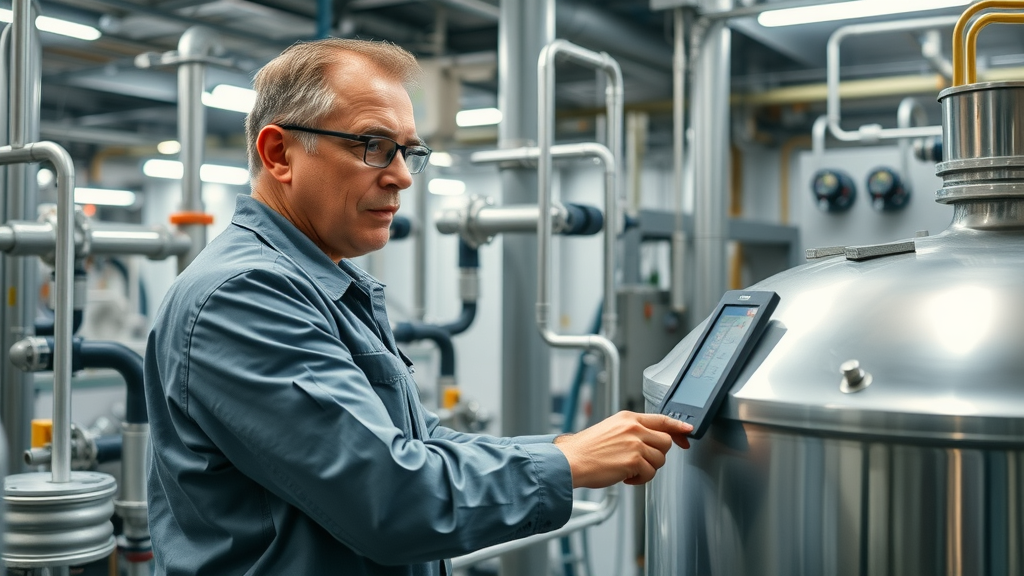

Advanced equalization tank system used for ph balancing—through equalization and neutralization in water and wastewater treatment

Neutralization Techniques in pH Balancing—Through Equalization and Neutralization

Chemical pH Adjustment Methods

The most widely used method for pH balancing—through equalization and neutralization is the addition of acidic or alkaline substances. Acid addition, such as sulfuric or hydrochloric acid, effectively lowers the pH in alkaline wastewater streams. For acidic streams, bases like sodium hydroxide or lime are introduced, raising the pH back to neutral. Facility operators must consider the chemical compatibility with downstream processes and byproduct management, such as sludge or gas formation.

Adjustment strategies are tailored to facility goals, influent profiles, and economic factors. For instance, lime addition can help precipitate heavy metals via chemical precipitation , while caustic soda enables precise pH corrections in treatment plants managing electronics or plating waste. The success of any pH adjustment routine depends on continuous feedback from sensors and regular equipment maintenance , helping to sustain consistent operations throughout physicochemical treatment processes .

  • Acid addition for alkaline wastewater

  • Caustic/alkali dosing for acidic streams

Automating pH Neutralization in Water and Wastewater Treatment

Automation is transforming water treatment and wastewater treatment plant operations by enabling real-time, accurate pH balancing—through equalization and neutralization . Integrated sensors monitor pH levels continuously, delivering data to control panels that automatically adjust dosing rates. This not only ensures compliance but also reduces chemical overuse, lowers labor costs, and minimizes operator errors.

True optimization is achieved when sensor feedback drives active control loops—keeping effluents safely within regulatory ranges without constant manual intervention. Advanced systems may also correlate pH control data with other metrics, such as flow, turbidity, or conductivity, to catch trends before they become problems. Today’s best-in-class treatment facilities rely on automation to drive both efficiency and environmental stewardship.

  • Sensor integration in treatment plant operations

  • Real-time feedback for precise pH control

  1. Calibrate all sensors weekly; recheck after any process adjustments.

  2. Validate dosing pumps and chemical storage levels each shift.

  3. Set up alarm thresholds for out-of-range pH events and assign clear corrective actions.

  4. Train staff in both manual override and troubleshooting protocols for automation systems.

  5. Maintain documentation for regulatory reporting and process optimization.

Case Studies: Successful pH Balancing—Through Equalization and Neutralization in Wastewater Treatment Plant Operations

  • An industrial wastewater facility achieved full EPA compliance after installing automated equalization and neutralization —eliminating repeated violations and reducing risk of fines.

  • A treatment plant successfully cut chemical costs by 35% and boosted discharge quality by optimizing sensor integration with advanced pH adjustment controls.

"Our plant saw immediate improvements in discharge quality and cost reduction after optimizing equalization and neutralization." – Wastewater Engineer

Real-World Outcome Table: Savings and Efficiency Gains from Advanced pH Balancing Techniques

Facility

Before Optimization

After Implementation

Annual Savings (USD)

Compliance Record

Plating Manufacturer

Frequent permit violations, high scaling

Stable pH, consistent discharge

$56,000

Zero violations

Food Processing Plant

Manual dosing, erratic pH

Automated no-hands control

$42,000

Full EPA compliance

Municipal Treatment Plant

Inefficient mixing, chemical waste

Advanced equalization, 24/7 monitoring

$87,000

Exceeds discharge standards


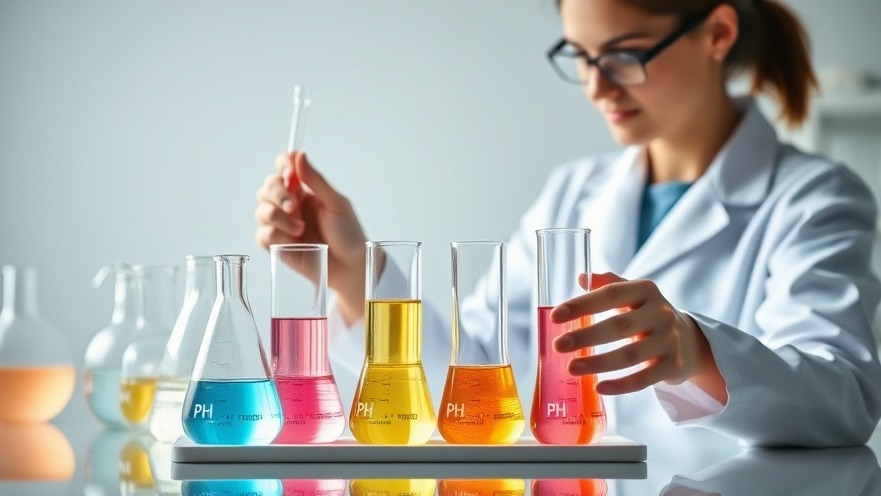
Scientist measuring pH levels in a serene laboratory with colorful solutions.

How to Monitor and Optimize Your pH Balancing—Through Equalization and Neutralization Process

Key Metrics for pH Balance in Water and Wastewater

Monitoring is at the heart of reliable pH balancing—through equalization and neutralization . Continuous pH logging provides trend data for early detection of anomalies, ensuring adjustments are made before problems escalate. Facilities should track not only pH but also flow, temperature, and chemical dosing rates for a complete picture of the treatment process .

Regulatory bodies mandate rigorous documentation of discharge parameters, and failure to comply can result in penalties or shutdowns. Regular equipment maintenance , such as sensor calibration and pump servicing, ensures long-term system performance. By integrating all these metrics, operators can safeguard consistent neutralization processes while minimizing cost and environmental impact.

  • Continuous pH logging

  • Regulatory discharge parameters

  • Equipment maintenance for sustained pH control

Common Pitfalls and Troubleshooting in Industrial Wastewater pH Adjustment

Despite strong protocols, pH balancing—through equalization and neutralization can falter due to common operational pitfalls. Inconsistent chemical feed rates, sensor drift, or response delays may cause out-of-spec effluent and regulatory noncompliance. These issues are especially pronounced when influent characteristics shift unexpectedly—such as after storms, production surges, or maintenance interruptions in industrial wastewater .

To troubleshoot these challenges, facilities should employ layered safeguards: automatic backup pumps, parallel sensors, and staff training in manual testing techniques. Proactive teams will routinely audit historical data for anomalies, swiftly adjusting process settings as needed. Embracing tech-enabled solutions ensures chemical, biological, and physical reactions work in harmony for adaptable, compliant outcomes.

  • Inconsistent chemical feed

  • Sensor calibration errors

  • Response delays

  • List: Proactive Solutions to Ensure Ongoing Compliance in Water and Wastewater Treatment

    • Schedule routine calibration and maintenance for all instrumentation

    • Install redundant sensors and controller alarms

    • Review and update Standard Operating Procedures after every near-miss or process deviation

    • Continually train staff in both automated and manual pH correction techniques


Smart control room for ph balancing—through equalization and neutralization in wastewater treatment

Expert Insights: pH Balancing—Through Equalization and Neutralization for Industrial Wastewater and Water Treatment

"Implementing automated pH adjustment not only ensures compliance but protects valuable infrastructure." – Water Treatment Plant Supervisor

  • Advanced technologies for smart pH balancing—through equalization and neutralization

  • Regulatory updates affecting water and wastewater treatment

  • Industry trends: Predictive analytics, IoT sensor integration, and more


Innovative engineer with IoT sensors for advanced ph balancing—through equalization and neutralization in industrial wastewater

See how flow equalization and automated neutralization work together in real-world wastewater treatment plant settings, optimizing every step of the treatment process for compliance and sustainability.

Take a behind-the-scenes look at state-of-the-art pH adjustment systems, sensor arrays, and digital controllers that keep your facility’s water and wastewater within target pH levels at all times.

People Also Ask: What is the process of equalization and neutralization?

  • Answer: Equalization involves mixing influent to create a balanced wastewater stream; neutralization uses acids/bases to achieve target pH, ensuring effective pH balancing—through equalization and neutralization throughout water and wastewater treatment systems.

People Also Ask: What is the pH neutralization process?

  • Answer: pH neutralization refers to adjusting acidic or alkaline wastewater to a neutral state, typically through precise dosing of neutralizing chemicals, which is a foundational step in effective pH balancing—through equalization and neutralization.

People Also Ask: How to neutralize pH in wastewater?

  • Answer: Neutralizing pH in wastewater is achieved by introducing acidic or alkaline substances, often using automated dosing, within equalization tanks, ensuring compliance and safety in water and wastewater treatment.

People Also Ask: What is neutralization in wastewater treatment?

  • Answer: In wastewater treatment, neutralization is the process of balancing pH to acceptable levels before discharge or further treatment, essential to protecting infrastructure and meeting regulatory requirements.

FAQs: Mastering pH Balancing—Through Equalization and Neutralization

  • What are common challenges in pH adjustment for industrial wastewater?
    Common challenges include fluctuating influent pH, inconsistent chemical feed rates, sensor calibration errors, and delays in response time, all of which can disrupt treatment efficiency and compliance.

  • How do regulatory standards affect pH balancing—through equalization and neutralization processes?
    Regulatory agencies, like the EPA, set strict pH discharge limits. Treatment plants must implement accurate monitoring, documentation, and real-time correction systems to meet these standards and avoid violations.

  • Can equalization reduce chemical costs in water treatment plants?
    Yes, by evening out flow and pH fluctuations, equalization enables facilities to use fewer chemicals more efficiently, preventing waste and reducing long-term operating expenses.

  • What innovations exist for continuous pH monitoring in treatment plant environments?
    Innovations include IoT-enabled sensors, automated dosing panels, advanced data analytics platforms, and remote-control interfaces, all designed to ensure reliable, real-time pH balancing in complex environments.

Best Practices Recap: Achieving Excellence in pH Balancing—Through Equalization and Neutralization

  • Standardize monitoring routines

  • Optimize chemical dosing

  • Adopt advanced automation

  • Invest in ongoing staff training

Ready to Enhance Your pH Balancing—Through Equalization and Neutralization?

  • CALL US (800) 690-2436 EMAIL US CSI-team@chem-serv.com to speak directly with water and wastewater treatment experts about customized pH balancing solutions for your facility.

Take immediate steps—invest in smart monitoring, robust automation, and continuous improvement to perfect your ph balancing—through equalization and neutralization today.

Sources:

  • EPA – Industrial Wastewater Discharges

  • California Water Boards - NPDES Wastewater Programs

  • ScienceDirect – Neutralization Process Overview

  • Water Environment Federation – Wastewater Treatment & Water Quality

  • Hach – pH Neutralization Education

  • ACS Publications – Chemical Treatment Methods for pH Control

To deepen your understanding of pH balancing through equalization and neutralization in wastewater treatment, consider exploring the following resources:

  • “Neutralization Mixing for pH Control” : This article discusses the process of adjusting or maintaining desired pH levels in wastewater through neutralization, involving the introduction of chemicals to achieve a neutral pH of 7.0. ( dynamixinc.com )

  • “From Chaos to Consistency: The Role of Equalization in Industrial Wastewater” : This piece highlights the importance of equalization in managing pH levels and chemical swings in industrial wastewater, emphasizing how equalization can help reduce chemical costs by allowing wastewater to self-neutralize. ( entecheng.com )

These resources provide practical insights into implementing effective pH control strategies in wastewater treatment facilities.
Services

0 Comments

Write A Comment

*
*
Related Posts All Posts
10.23.2025

Navigating Regulatory Requirements for Industrial Wastewater: Federal, State, and Local Perspectives

Did you know: Nearly every industrial facility discharging wastewater must comply with complex regulations spanning federal mandates and even more stringent state and local standards. Navigating these industrial wastewater regulations can mean the difference between smooth operations and costly penalties—even shutdowns. Understanding the multi-layered regulatory landscape is critical for plant managers and Environmental Health & Safety (EHS) professionals tasked with safeguarding their facilities from non-compliance risks.In this comprehensive guide, we unravel how the Clean Water Act sets the nationwide baseline, how local agencies tighten compliance thresholds, and the step-by-step process from violation detection to resolution. Backed by expert insights from Steve Manii of CSI Environmental, Inc., this article empowers you to proactively manage your wastewater compliance and stay ahead before regulators take action.Startling Facts About Industrial Wastewater Regulations and ComplianceIndustrial wastewater regulations are stringent and pervasive across the United States, governed fundamentally by the Clean Water Act (CWA). However, what many operators don’t realize is that local jurisdictions like Los Angeles County or Riverside County are authorized to enforce even stricter discharge standards beyond federal minimums. For example, Riverside County is recognized for having tougher compliance criteria than the federal baseline due to unique environmental and population concerns.When a facility receives an industrial wastewater discharge permit, it gives legal permission to release treated wastewater under specified limits for pollutants such as sulfides, total suspended solids (TSS), chemical oxygen demand (COD), biological oxygen demand (BOD), and pH levels. Exceeding these limits can trigger formal enforcement actions from regulators. These actions begin subtly—often a warning letter—yet escalate quickly to fines or shutdowns if unaddressed.Steve Manii of CSI Environmental, Inc., states, “Compliance with municipal and county wastewater standards is not just about avoiding penalties; it’s essential for sustainable operations. Many local agencies intensify scrutiny, making it vital that businesses understand and meet these enhanced standards.” This industry insight emphasizes the growing pressures plant managers and EHS professionals face in managing regulatory demands effectively.Overview of Industrial Wastewater Regulations and the Clean Water ActFederal Baseline: The Clean Water Act and National Pollutant Discharge Elimination System (NPDES)The Clean Water Act (CWA), passed in 1972, remains the cornerstone of the U.S. strategy to protect surface waters by regulating pollutant discharges from point sources. It establishes the framework for the National Pollutant Discharge Elimination System (NPDES), which issues permits setting pollutant limits and monitoring requirements for industrial wastewater dischargers.Under federal law, companies must conduct routine wastewater sampling—often 24-hour composite samples—that government water districts collect and analyze. If monitored levels exceed the permit thresholds for pollutants such as BOD, COD, sulfides, or pH, businesses are flagged for non-compliance. While the CWA sets a baseline, local authorities have the authority to impose more tailored and severe standards to address regional environmental needs.Steve Manii notes, “The federal Clean Water Act created the foundation that ensures water quality stays protected nationwide, but individual states or counties are empowered to go beyond those baseline requirements. This layered regulatory approach keeps environmental protections robust but adds complexity for operators.” This highlights why understanding both federal and local regulations is essential for compliance success.State and Local Enhancements to Industrial Wastewater Discharge PermitsCounties like Los Angeles and Riverside have embraced their right to enforce stricter discharge limits than federal mandates. These local regulations respond to the unique geographic, ecological, and urban pressures each area faces. For instance, the Los Angeles County Sanitation District applies tighter thresholds for sulfides and suspended solids to mitigate local pollution hotspots.Local agencies also issue discharge permits that sometimes include additional monitoring, reporting, and treatment requirements reflecting those enhanced standards. This means facilities must be prepared not only to meet federal NPDES benchmarks but also these additional local permit conditions. The compliance complexity necessitates diligent monitoring and prompt remediation when issues arise.Steve Manii adds, “Our clients often underestimate how localized requirements can vary, which leads to costly violations. We work closely with facility managers to decode permit language and develop compliant operational plans tailored to local standards.” Expert local knowledge is key to navigating these enhanced regulatory landscapes.The Compliance Process: From Notice to ResolutionInitial Sampling and Detection of Non-ComplianceThe compliance process begins with government agencies conducting periodic sampling of industrial effluent. This usually involves a 24-hour composite sample strategically collected by the local water district. The sample is tested against permit-specific thresholds for pollutants such as sulfides, TSS, COD, BOD, and pH.When test results reveal values outside permitted ranges—such as pH dropping below 6 or exceeding 9.1, or excess levels of chemical oxygen demand—it signals non-compliance. The regulatory agency then initiates the enforcement process by notifying the facility, often through a formal written warning citing the exact nature of the violation and requesting an action plan for remediation.According to Steve Manii, “An out-of-compliance result triggers an immediate need for investigation. Sometimes it reflects unusual operations — like deep tank cleaning releasing sulfides — but persistent violations require systematic corrective action, which is where professional consultation can become crucial.” Understanding this initial step helps facilities respond swiftly and avoid escalation.Written Warning and Required Action PlanOnce a non-compliance is detected, the regulatory body sends a detailed warning letter to the responsible party named on the permit. This letter outlines the violations and requires the facility to submit a corrective action plan explaining how they will remedy the issues and prevent recurrence.The plan might include temporary operational changes or plans to install additional treatment equipment. The regulatory agency typically demands a retest after the corrective actions are implemented to confirm compliance restoration. Failure to provide an adequate plan or to correct the violation results in further enforcement.Steve Manii explains, “Electronic documentation from regulators often includes requests for explanation of the root cause. Providing solid, fact-based responses to anomalies can mitigate additional penalties, while recognizing the violation as systemic compels more stringent treatment solutions.” This underscores the importance of transparent communication with regulators.Retesting and Follow-Up EnforcementAfter receiving the action plan, regulatory agencies conduct subsequent sampling to verify whether the issues have been resolved. These monthly composite samples serve as checkpoints, ensuring that violations do not persist.If retesting reveals continuing non-compliance, regulators escalate their enforcement actions. Facilities might receive follow-up letters indicating increased urgency, warning of impending fines, and potential operational shutdowns if issues remain unresolved by the third reported violation. Furthermore, counties such as LA publish lists of non-compliant businesses in public outlets like the LA Times, harming reputations.Steve Manii cautions, “Non-compliance is costly—both financially and reputationally. Delays in addressing treatment inefficiencies can lead to fines, lost business, or even forced plant closures. Early proactive measures save time and money.” This highlights the critical nature of diligent monitoring and rapid response.Common Industrial Wastewater Compliance Issues and SolutionsSulfide Control and Neutralization TechniquesThe sulfide is flammable that is why it poses a significant compliance challenge. Excess sulfides detected during sampling trigger immediate concerns from regulators.One effective solution, as Steve Manii of CSI Environmental, explains, is injecting oxidizing agents such as 12.5% chlorine or hydrogen peroxide into the effluent line before discharge. These chemicals neutralize sulfides, preventing their release into municipal sewage systems. This targeted oxidation approach is cost-effective and has proven results in reducing sulfide levels to permitted limits.CSI Environmental also consults on operation modifications, maintenance schedules, and tank cleaning protocols to minimize sulfide buildup and flushing events that cause spikes during sampling. Addressing sulfides requires both chemical treatment and operational controls to sustain compliance.Reducing Total Suspended Solids (TSS), COD, and BODBeyond sulfides, many industries struggle with reducing Total Suspended Solids (TSS), Chemical Oxygen Demand (COD), and Biological Oxygen Demand (BOD)—key indicators of pollutant load and organic matter. Excess TSS can clog treatment systems, while high COD/BOD depletes oxygen in receiving waters, harming aquatic life.CSI Environmental recommends installing specialized filtration and sedimentation equipment to lower TSS levels significantly—often by 90-95%. Treatment for COD and BOD varies by industrial process; insoluble fractions respond well to chemical treatment, while soluble COD/BOD typically requires biological treatment involving enzymes or microorganisms.Steve Manii notes, “Each facility’s unique wastewater profile dictates the optimal treatment strategy. Our role is to evaluate lab data carefully, compare with discharge permits, and design cost-effective solutions that achieve compliance and can even reduce operational charges based on pollutant loads.” Implementing these solutions directly addresses compliance and operational cost concerns.Roles and Responsibilities in Industrial Wastewater ComplianceWithin industrial facilities, responsibility for managing wastewater compliance typically lies with personnel named on the discharge permit. This usually includes Environmental Health and Safety (EHS) managers or supervisors, maintenance staff, and sometimes plant managers or site directors.The role involves monitoring sampling results, liaising with regulatory agencies, coordinating corrective actions, and overseeing treatment system operations. Because wastewater compliance overlaps with environmental, operational, and maintenance domains, collaborative teamwork is essential.Steve Manii explains, “We often find EHS professionals seeking expert guidance because wastewater treatment falls outside typical safety roles. CSI Environmental serves as a vital liaison, helping facilities interpret regulations and interact with regulatory bodies effectively to maintain compliance.” Clear role definition supports timely responses to compliance issues.How CSI Environmental Supports Businesses in Achieving ComplianceInitial Consultation and Documentation ReviewWhen facing regulatory notices, CSI Environmental starts every engagement with a brief 10-15 minute phone call to understand the client’s compliance issue. This initial step assesses whether and how CSI can help.Prior to on-site visits, clients provide essential documents, including lab reports for the past three to six months, copies of regulatory warning letters, and surcharge statements detailing pollutant charges. Reviewing these materials allows CSI’s experts to prepare a customized compliance strategy tailored to permit limits and operational realities.Steve Manii highlights, “Having access to detailed lab data and regulatory communications enables us to conduct thorough analysis, identify root causes, and propose practical treatment and operational solutions. Our established relationships with regulatory agencies also help us act as an effective third-party liaison for our clients.”Ongoing Support and Cost SavingsBeyond fixing immediate violations, CSI Environmental offers ongoing support to maintain compliance and reduce wastewater treatment costs. By optimizing treatment technologies and operations, many clients realize substantial reductions in pollutant loads, sometimes lowering TSS by up to 95% and COD/BOD by 50-85%, directly translating into lower surcharge fees.CSI’s cost-effective chemical treatments and modern equipment solutions minimize regulatory risks and enhance operational sustainability. The company’s proactive approach helps clients avoid penalties and public disclosure of non-compliance that can damage business reputations.Steve Manii concludes, “Our goal is to transform wastewater compliance from a reactive problem into a managed asset that benefits both environmental stewardship and the client’s bottom line.”What You'll LearnKey federal, state, and local industrial wastewater regulations and discharge limitsThe compliance notification and enforcement processCommon wastewater pollutants and treatment solutionsRoles responsible for compliance within industrial facilitiesHow expert consultation can facilitate regulatory compliance and cost savingsFrequently Asked Questions (FAQs)What is wastewater compliance?Wastewater compliance means meeting all permit requirements for effluent discharge, including limits for pollutants like sulfides, TSS, COD, BOD, and pH, as set by federal, state, and local regulations.What law allowed the EPA to establish wastewater standards?The Clean Water Act (CWA) of 1972 empowered the EPA to create the National Pollutant Discharge Elimination System (NPDES) setting wastewater discharge standards nationwide.What is the definition of industrial wastewater?Industrial wastewater is liquid waste originating from manufacturing or industrial processes, which may contain pollutants requiring treatment before being discharged into municipal sewer systems or water bodies.What are the three types of industrial wastewater treatment?The three types include physical treatment (e.g., sedimentation, filtration), chemical treatment (e.g., oxidation, neutralization), and biological treatment (e.g., microbial degradation of soluble organics).Key TakeawaysIndustrial wastewater regulations are governed by the Clean Water Act with stricter local standards enforced by agencies like LA County Sanitation.Non-compliance initiates a formal process including warnings, corrective action plans, retesting and possible penalties.Effective treatment solutions drastically reduce pollutant loads, helping avoid fines and operational risks.Designated personnel such as EHS managers, plant managers, and maintenance staff hold critical compliance responsibilities.Partnering with experts like Steve Manny of CSI Environmental streamlines compliance and realizes cost savings.Conclusion: Ensuring Compliance with Industrial Wastewater RegulationsTake action early: Monitor closely, respond swiftly to notices, consult experts, and upgrade treatment systems to secure compliance and protect your operations from costly enforcement.Get Your FREE Compliance Assessment TodayDon’t wait for regulators to find problems—reach out now to CSI Environmental, Inc. for your personalized, no-cost wastewater compliance assessment. Visit https://csienvironmentalinc.com/California-Wastewater-Compliance or call (800) 690-2436 to schedule your consultation.Understanding and adhering to industrial wastewater regulations is crucial for maintaining compliance and protecting the environment. To deepen your knowledge, consider exploring the following resources:The U.S. Environmental Protection Agency’s (EPA) page on Industrial Wastewater provides an overview of the National Pollutant Discharge Elimination System (NPDES) permitting program, detailing discharge limits and conditions for various industrial and commercial sources.The EPA’s Industrial Effluent Guidelines offer national standards for wastewater discharges, outlining technology-based requirements for over 50 different categories of industrial and commercial activities.These resources will equip you with a comprehensive understanding of federal regulations and guidelines, enabling you to navigate the complexities of industrial wastewater compliance effectively.

10.21.2025

Strategies and Technologies for Effective Industrial Wastewater Pre-Treatment

Startling Fact: Over 70% of industrial wastewater violations stem from inadequate pre-treatment processes, highlighting the urgent need for effective solutions. Understanding industrial wastewater pre-treatment is crucial for industries aiming to meet discharge standards and protect our water quality. Governed by the National Pretreatment Program, these processes ensure pollutants are properly managed before entering municipal treatment systems, safeguarding the environment and regulatory compliance.Understanding the National Pretreatment Program and Treatment StandardsThe National Pretreatment Program is a federal regulatory framework designed to control pollutants from industrial sources before they enter publicly owned treatment works (POTWs). This program mandates that industries apply rigorous treatment standards to minimize the impact of pollutants on municipal wastewater systems and the environment. Compliance with this program is essential as it sets the legal baseline from which states and municipalities can enforce stricter local limits tailored to regional water quality needs.Federal, state, and local authorities collaborate to establish treatment standards that include numeric limits on contaminants such as fats, oils, and grease (FOG), chemical oxygen demand (COD), biological oxygen demand (BOD), total suspended solids (TSS), and sulfides. These limits are enforced through National Pollutant Discharge Elimination System (NPDES) permits, which the industries must strictly adhere to, or face penalties.Expert Insight: Compliance Challenges and Regulatory ExpectationsSteve Manii of CSI Environmental explains,"The federal mandate under the Clean Water Act sets the baseline, but counties like LA and Riverside can impose stricter treatment standards, making compliance a complex but essential task for industrial users."Common Industrial Wastewater Contaminants and Their Impact on Treatment WorksIndustrial wastewater often contains pollutants such as fats, oils, and grease (FOG), chemical oxygen demand (COD), biological oxygen demand (BOD), total suspended solids (TSS), and sulfides. These contaminants can cause severe disruptions in municipal wastewater treatment plants if not properly managed. For example, excessive TSS can clog filters, sulfides can cause odors and corrosion, while high COD and BOD levels can deplete oxygen needed for microbial treatment processes, reducing efficiency.Non-compliance with discharge limits often results in serious consequences: regulatory fines, enforced operational shutdowns, and negative public exposure through published non-compliance notices. Keeping contaminant levels below permit thresholds is therefore not only legally mandated but essential for operational continuity and community goodwill.Case Study: Addressing Sulfide Compliance IssuesAccording to Steve Manii, "If sulfide levels exceed permit limits due to activities like deep tank cleaning, businesses must provide an action plan and retest to demonstrate resolution, or face escalating enforcement."This underscores why industries must maintain detailed records of operational anomalies and communicate transparently with regulators to justify occasional exceedances, followed by implementing technical solutions to prevent recurrence.Effective Strategies for Industrial Wastewater Pre-TreatmentAn effective industrial wastewater pre-treatment program integrates physical, chemical, and biological methods to reduce contaminants before discharge. Physical treatments include settling tanks and filtration to remove solids, while chemical treatments might involve oxidizers like chlorine or hydrogen peroxide to neutralize sulfides. Biological treatments can address soluble COD and BOD by using enzymatic and microbial processes to break down organic matter.Approved pretreatment technologies such as injecting 12.5% chlorine or hydrogen peroxide into effluent lines can substantially reduce harmful sulfides chemically. Meanwhile, equipment like dissolved air flotation units or clarifiers help reduce TSS, COD, and BOD, ensuring wastewater meets stringent local and federal limits.Implementing a Cost-Effective Pretreatment ProgramSteve Manii of CSI Environmental notes, "We consult with businesses to design tailored, cost-effective solutions that not only ensure compliance but can reduce TSS by up to 95%, significantly lowering surcharge fees."This highlights the financial benefits of investing in a well-designed pretreatment program that can substantially cut down contaminant discharge fees while meeting regulatory requirements effectively.Navigating Compliance: From Receiving Notices to Achieving ResolutionWhen an industrial user receives a compliance notice, it typically follows a multi-step process: initial composite sampling revealing violations, followed by a written warning detailing exceedances and requesting an action plan. Industries must then submit this action plan, implement corrective measures, and undergo retesting to confirm compliance.Key roles in managing these compliance processes include environmental health and safety (EHS) managers, maintenance teams, and plant managers, who must coordinate efforts to respond timely and effectively. Non-compliance after repeated notices can lead to fines, facility shutdowns, and public listing of violations, emphasizing the critical nature of proactive compliance management.Expert Guidance on Compliance ManagementSteve Manii advises, "Early engagement with experts like CSI Environmental can prevent costly penalties. We act as a liaison with regulatory bodies to streamline compliance and provide actionable solutions."Preparing for a Compliance Consultation: Essential Documentation and InformationRecent third-party laboratory reports (covering at least the past 3 to 6 months)Official regulatory notices and written complaints detailing violationsPermit discharge limits outlining acceptable contaminant thresholdsSurcharge statements indicating fees charged for pollutant levelsProviding comprehensive and organized documentation enables experts like CSI Environmental to conduct a thorough assessment and tailor precise recommendations. Leveraging relationships with regulatory agencies, CSI also facilitates smoother communications and expedites resolution pathways for clients.What You'll LearnKey components of an effective industrial wastewater pre-treatment programHow to interpret and respond to compliance notices promptlyTechnologies and strategies to meet and exceed treatment standardsSteps to engage expert consultation for compliance assurance and cost savingsCommon FAQs About Industrial Wastewater Pre-TreatmentWhat is the national pretreatment program?It is a federal initiative under the Clean Water Act that governs how industrial users must pre-treat wastewater before discharging it to public sewer systems.How often are composite samples taken for compliance?ImpleTypically, monthly 24-hour composite samples are collected by local water authorities to monitor compliance.What are typical penalties for non-compliance?Penalties can include fines, increased fees, forced operational shutdowns, and public disclosure of violations.How can businesses reduce TSS and COD effectively?By implementing physical filtration, chemical oxidation, and biological treatments tailored to their wastewater characteristics, businesses can achieve significant reductions.Key TakeawaysIndustrial wastewater pre-treatment is crucial for regulatory compliance and environmental protection.Understanding treatment standards and local limits helps avoid costly violations and operational interruptions.Proactive consultation with experts like Steve Manny of CSI Environmental streamlines compliance efforts.Using approved pretreatment technologies can reduce pollutant discharge and decrease surcharge fees significantly.Conclusion: Ensuring Compliance Through Effective Industrial Wastewater Pre-TreatmentEstablish a robust pretreatment program that aligns with national and local regulations.Respond promptly to compliance notices to prevent fines and operational disruptions.Partner with experienced experts to navigate complex treatment challenges efficiently.Get Your FREE Compliance Assessment TodayContact CSI Environmental for a personalized evaluation of your industrial wastewater pre-treatment needs.Visit https://csienvironmentalinc.com/California-Wastewater-Compliance or call (800) 690-2436 to schedule your consultation.Take the first step towards compliance and cost savings with expert guidance.To enhance your understanding of industrial wastewater pre-treatment, consider exploring the following resources:The article “What Is Industrial Wastewater Pretreatment and How Does it Work?” provides a comprehensive overview of the processes and technologies involved in removing contaminants from wastewater before it enters municipal sewer systems.The Minnesota Pollution Control Agency’s page on “Wastewater Pretreatment” outlines the importance of pretreatment in preventing harmful pollutants from entering public treatment facilities and the environment.These resources offer valuable insights into the strategies and technologies essential for effective industrial wastewater pre-treatment.

10.16.2025

The Complete Industrial Wastewater Compliance Process: From Sampling to Resolution

Startling Statistic: Over 70% of industrial facilities face compliance challenges annually, risking hefty fines, operational shutdowns, and public exposure. Understanding the industrial wastewater compliance process is critical for plant managers and EHS professionals striving to meet stringent local and federal regulations. In this comprehensive guide, we explore every step – from sampling to enforcement – providing practical expert advice to keep your operations compliant and protected.Startling Facts About Industrial Wastewater ComplianceOver 70% of industrial facilities face compliance challenges annually.Non-compliance can lead to hefty fines, operational shutdowns, and public disclosure in local media.Effective wastewater treatment is critical for environmental protection and regulatory adherence.Overview of the Industrial Wastewater Compliance ProcessSteve Manii, of CSI Environmental, explains, "The industrial wastewater compliance process begins with a 24-hour composite sample conducted by your local water district, governed by the Clean Water Act as a federal baseline."The industrial wastewater compliance process starts under the federal Clean Water Act, which establishes baseline standards for wastewater discharge. Local states and municipalities often impose more stringent rules, leading to variations in compliance requirements depending on your location. For example, Los Angeles County enforces tougher thresholds than some neighboring counties.Compliance parameters typically assessed include fats, oils, and grease (FOG), chemical oxygen demand (COD), biological oxygen demand (BOD), total suspended solids (TSS), and prescribed pH ranges. Monitoring these ensures environmental protection and operational legality.Federal Clean Water Act sets baseline standards.States and municipalities can impose stricter regulations.Compliance parameters include FOG, COD, BOD, TSS, and pH levels.Key Compliance Parameters in Wastewater TreatmentFats, Oils, and Grease (FOG): These can obstruct pipelines and require strict limits.Chemical Oxygen Demand (COD): Indicator of organic pollutants which impact oxygen availability.Biological Oxygen Demand (BOD): Measures biodegradable organic matter affecting aquatic life.Total Suspended Solids (TSS): Particles that cause turbidity and interfere with ecosystems.pH Levels: Typically required to be between 6 and 9.10 to prevent corrosive or harmful discharges.Step-by-Step Industrial Wastewater Compliance ProcessSampling: Monthly 24-hour composite or grab samples collected by local water districts to assess discharge quality.Notification: Receipt of written warning if samples indicate out-of-compliance results, detailing violations and required corrective actions.Action Plan: Businesses must submit a remediation plan and conduct retesting to verify compliance restoration.Consultation: Engaging experts like CSI Environmental to recommend cost-effective treatment solutions tailored to specific compliance challenges.Follow-up: Ongoing monitoring with subsequent sample collections ensures sustained compliance.Enforcement: Persistent non-compliance results in escalating penalties including fines, public notices, or forced shutdowns.According to Steve Manii, "If compliance issues are not resolved by the next composite sample, regulatory agencies escalate enforcement, including fines and possible shutdowns."Common Causes of Non-Compliance in Industrial Wastewater SystemsExcessive sulfide discharge during tank cleaning operations: Sulfides often accumulate in tank bottoms and are flushed out during maintenance, causing violations.High levels of TSS, COD, or BOD: Often caused by inefficient pretreatment or process fluctuations.pH imbalances: Discharges with pH outside the acceptable range due to chemical dosing or process irregularities.Failure to implement corrective measures promptly: Ignoring notices or delays in corrective actions increase risk of enforcement.Expert Solutions for Compliance ChallengesSteve Manii of CSI Environmental states, "We offer solutions such as injecting chlorine or hydrogen peroxide to neutralize sulfides before discharge, ensuring compliance with permit limits."For instance, sulfide issues can be tackled by injecting a 12.5% chlorine solution or hydrogen peroxide oxidizers directly into effluent lines before they reach municipal sewers. This neutralizes problematic sulfides effectively and cost-efficiently.Handling elevated TSS, COD, and BOD may involve installing advanced pretreatment equipment like settling tanks, filtration systems, or advanced chemical dosing. Such tailored solutions reduce pollutant concentrations, meeting permit conditions and avoiding penalties.Roles and Responsibilities in Managing Industrial Wastewater ComplianceEnvironmental Health and Safety (EHS) Managers or Supervisors: Typically receive compliance notifications and coordinate initial responses.Maintenance Departments: Often responsible for wastewater treatment operations including chemical dosing and equipment upkeep.Plant Managers or Site Directors: Provide oversight and ensure compliance funding and resources are allocated.Consequences of Non-Compliance and Enforcement ActionsIssuance of escalating warning letters and fines: Initial notices escalate to more serious correspondence with financial penalties if ignored.Potential operational shutdowns: Facilities may be forced to halt operations until compliance is restored, causing financial and reputational harm.Public disclosure: Non-compliance can be published in local media, damaging company image.Increased regulatory scrutiny: Non-compliant businesses face more frequent inspections and data requests.How CSI Environmental Supports Clients Through the Industrial Wastewater Compliance ProcessInitial consultation via phone: Quick 10-15 minute calls to assess compliance issues and information gathering.Reviewing recent lab reports and regulatory notices: Analysis of third-party lab data and warning letters to understand the extent of non-compliance.On-site evaluations and compliance walkthroughs: On-location visits to observe systems and identify problem areas firsthand.Developing tailored action plans: Recommendations for equipment upgrades, chemical treatments, and process changes.Acting as a third-party liaison: Communicating directly with regulatory bodies on your behalf to clarify issues and negotiate solutions.Steve Manii explains, "We often serve as the liaison between businesses and regulatory bodies, helping to clarify issues and develop effective solutions."Essential Documentation for Industrial Wastewater Compliance ConsultationsThird-party lab results from the past 3 to 6 months to track wastewater quality trends.Written notices or warnings from regulatory agencies outlining violations and action deadlines.Permit discharge limits and compliance parameters for comparison against actual data.Surcharge statements detailing monetary charges related to TSS, COD, and BOD from recent billing cycles.Document TypePurposeRecommended TimeframeLab ReportsAssess current wastewater qualityLast 3-6 monthsRegulatory NoticesIdentify compliance violationsMost recentPermit LimitsCompare discharge against standardsCurrent permitSurcharge StatementsEvaluate cost implicationsLast billing cyclePeople Also Ask: Industrial Wastewater Compliance FAQsWhat is wastewater compliance?Wastewater compliance refers to the adherence to legal and regulatory standards governing the discharge quality of wastewater from industrial facilities to protect the environment and public health.What is the process of industrial wastewater?The industrial wastewater process involves collection, sampling, treatment, monitoring, and discharge of wastewater, ensuring contaminants meet required limits as set by environmental regulations.What are the three major safety concerns in the wastewater treatment industry?Key safety concerns include exposure to hazardous chemicals, biological contaminants, and risks related to equipment operation or confined space entry within treatment facilities.What are the 7 steps in wastewater treatment?Typical treatment steps include preliminary screening, primary sedimentation, biological treatment, secondary clarification, disinfection, sludge treatment, and final discharge.Key Takeaways from the Industrial Wastewater Compliance ProcessCompliance is governed by federal, state, and local regulations with varying stringency levels.Timely response to compliance notices is critical to avoid costly penalties and operational disruptions.Expert consultation can provide cost-effective, efficient treatment solutions tailored to your facility.Proper documentation and ongoing monitoring are essential for managing compliance effectively.Non-compliance risks fines, shutdowns, negative publicity, and increased oversight.Conclusion: Ensuring Successful Industrial Wastewater ComplianceAct promptly upon receiving compliance notices, maintain detailed records, and engage environmental experts early to safeguard your facility's operational integrity and reputation.Get Your FREE Compliance Assessment Today | (800) 690-2436To deepen your understanding of the industrial wastewater compliance process, consider exploring the following authoritative resources:The U.S. Environmental Protection Agency’s (EPA) page on Industrial Wastewater offers comprehensive information on discharge limits, permitting frameworks, and effluent guidelines tailored to various industrial sectors.The EPA’s Pretreatment Roles and Responsibilities for Industrial Users outlines the obligations of industrial facilities in adhering to federal, state, and local pretreatment standards, including self-monitoring and reporting requirements.These resources provide valuable insights into regulatory requirements and best practices essential for maintaining compliance in industrial wastewater management.

Terms of Service

Privacy Policy

Core Modal Title

Sorry, no results found

You Might Find These Articles Interesting

T
Please Check Your Email
We Will Be Following Up Shortly
*
*
*