


Is your business paying more than it should for industrial wastewater treatment in California? Many site, plant, and EHS managers struggle to keep costs under control without risking violations or damaging their compliance profile
The High Cost of Industrial Wastewater Treatment California: A Revealing Statistic
- Explore an eye-opening figure about industrial wastewater treatment California costs and what it means for businesses.
“California accounts for nearly 30% of the nation’s industrial wastewater charges due to stringent compliance regulations and complex treatment requirements.”

Industrial wastewater treatment California is far more than a line item in your operating budget—it’s often a major cost center, with complex factors driving expenses above the national average. The state’s tough regulations, focused on upholding the Clean Water Act and safeguarding vital water resources, mean that even small lapses can result in costly fines or mandatory upgrades. Most affected are manufacturers, food processors, and tech firms that discharge significant volumes of industrial waste, much of which must go through advanced treatment before entering the sanitary sewer system or receiving waters.
A key driver behind these costs is California’s advanced regulatory framework. With about 30% of the nation’s total industrial wastewater charges landing on Golden State businesses, a typical facility may face not just high permit fees, but also recurring chemical, energy, and labor costs to maintain their wastewater treatment plant. Add in the risk of sanitary sewer overflow violations and the need for ongoing compliance monitoring, and it’s clear: understanding where your expenses come from is essential to managing them smartly.
For facilities looking to optimize their compliance strategies and reduce operational costs, exploring specialized environmental consulting services can be invaluable. Partnering with experts in industrial wastewater management can help you identify hidden inefficiencies, implement best practices, and stay ahead of evolving California regulations.
What You'll Learn About Industrial Wastewater Treatment California
- Essential components of industrial wastewater treatment California compliance
- Best practices for cost efficiency and pollution prevention
- Key technologies and regulatory requirements you must know
Understanding Industrial Wastewater and Wastewater Discharge Regulations in California
Defining Industrial Waste and Industrial Wastewater
When we talk about industrial waste, we mean any type of waste generated as a consequence of industrial activities—think manufacturing, chemical processing, or electronics production. Meanwhile, industrial wastewater refers specifically to water that’s been contaminated by these industrial processes and is discharged, either directly into the environment or into a municipal or publicly owned treatment works (POTW). These wastes can include hazardous chemicals, suspended solids, heavy metals, and organic contaminants, all of which have the potential to impact water quality if not properly managed.
The treatment of industrial wastewater in California is not just about meeting internal site objectives. It’s about aligning with local, state, and federal legal mandates: from the Clean Water Act to the state’s own robust environmental laws. Industrial discharge—whether it’s being sent to a sanitary sewer or released into receiving waters—must be closely monitored, pretreated if necessary, and reported in accordance with strict guidelines to protect public health and the ecosystem.
Overview of Wastewater Discharge and Treatment Requirements
- California wastewater treatment regulations
- How pollution prevention influences industrial discharge limits
Wastewater discharge from industrial sources must meet specific state and federal standards, making regulatory awareness essential for site managers.

California’s approach to wastewater discharge is particularly rigorous. Every facility is required to obtain the right permits, which outline the specific limits on contaminants like biological oxygen demand (BOD), chemical oxygen demand (COD), total suspended solids (TSS), and pH. These discharge requirements help ensure that publicly owned treatment plants aren’t overwhelmed and that sanitary sewer systems function effectively. Site managers must not only be knowledgeable about these discharge thresholds, but also keep thorough records to demonstrate compliance in the event of an audit.
In many cases, failing to adhere to discharge permits can trigger significant regulatory penalties and may necessitate permanent upgrades to your treatment plant or technologies. For this reason, understanding the nuances of California’s regulatory landscape is crucial for anyone responsible for industrial wastewater. Awareness doesn’t just prevent fines—it opens the door to operational savings and better pollution prevention outcomes through smarter practices.
California's Pretreatment Program: Ensuring Compliance for Industrial Wastewater Treatment
Overview of Pretreatment Program Requirements and Their Impact
California mandates that businesses discharging into the sanitary sewer system participate in pretreatment programs designed to remove or reduce harmful pollutants before wastewater reaches municipal treatment plants. These pretreatment requirements directly support the broader goals of the Clean Water Act and play a vital role in pollution prevention. For most industrial sites, this means installing or upgrading on-site pretreatment systems, conducting regular monitoring, and submitting evidence of compliance to regulatory authorities.
The pretreatment program you choose can have a profound impact on both costs and compliance. Effective pretreatment not only protects the operation of downstream publicly owned treatment works but can also help reduce the potential for sewer overflows and subsequent violations. By intercepting pollutants early, your facility minimizes wear and tear on expensive infrastructure, reduces chemical and energy consumption at the treatment plant, and avoids many of the expenses that come from reactive maintenance.
How Pretreatment Reduces Costs and Supports Pollution Prevention
- Key steps to implement a successful pretreatment program for industrial waste
“Pretreatment is your first line of defense against costly violations.”
Implementing a robust pretreatment program provides a direct path to cost savings and environmental stewardship. First, assess your facility’s unique waste stream by analyzing parameters such as TSS, COD, BOD, and specific hazardous constituents. Next, tailor your pretreatment solution to those findings, integrating relevant physical, chemical, or biological treatment steps. For site and plant managers, investing in high-quality monitoring equipment and operator training ensures ongoing compliance and fast response to process changes.
Finally, document all procedures and results. Regulatory authorities in California expect detailed records that prove pollution is being prevented at the source—before it damages the environment or triggers harsh fines. The more preventive your approach, the less risk of expensive emergency measures and the greater potential for operational efficiency and pollution prevention incentives.
Sanitary Sewer and Treatment Plant Integration in Industrial Wastewater Treatment California
Role of the Sanitary Sewer in Wastewater Treatment
The sanitary sewer system acts as the vital link between industrial facilities and the wastewater treatment plant. In California, these systems must handle high volumes of industrial discharge without leading to sanitary sewer overflow incidents. Any failure in this network—whether from excessive industrial waste or non-compliance—can overwhelm downstream publicly owned treatment works and result in serious pollution control problems for the entire community.
Efficient integration means more than just physical connectivity; it demands close coordination between facility managers, municipal authorities, and regulatory bodies. Preventing blockages, maintaining capacity, and monitoring the system’s integrity ensures that both your site and the wider network remain within permit limits. This vigilance supports public health and the environment while mitigating risk and cost for your operation.
Treatment Plant Functions: What Site Managers Need to Know
- Challenges of managing industrial discharge to public treatment plants
- Importance of preventing sanitary sewer overflow incidents

Site managers must understand more than just their own processes; they need a working knowledge of the local wastewater treatment plant and the limits it can handle. Industrial waste that lacks proper pretreatment can compromise plant performance, leading to increased operational costs, sudden shutdowns, and even environmental violations. Coordination with treatment plant operators ensures early identification of load changes and enables proactive pollution control strategies to maintain compliance and efficiency.
Sanitary sewer overflow, a major issue in California, often occurs when industrial waste outpaces sewer system capacity or when untreated pollutants cause clogs and breakdowns. Predicting and preventing these events requires accurate flow and contaminant monitoring—along with rapid action when the data suggest a potential risk. Facilities that can seamlessly integrate their discharge with municipal treatment plants place themselves in the strongest position for regulatory compliance and cost containment.
Industrial Wastewater Treatment Technologies: Choosing the Right Solution
Overview of Advanced Treatment Technologies in California
- Leading-edge options for industrial wastewater treatment California
- Comparing cost, effectiveness, and sustainability
“Selecting the right treatment technology often determines your long-term operational costs and environmental impact.”
California is home to some of the world’s most advanced wastewater treatment technologies, enabling businesses to exceed regulatory benchmarks for water quality while managing costs and resource consumption. Common approaches include membrane bioreactors (MBR), dissolved air flotation (DAF), sequencing batch reactors (SBR), ultrafiltration, and advanced oxidation. Newer innovations, such as reverse osmosis desalination and zero liquid discharge (ZLD) systems, are gaining traction—especially in water-scarce regions seeking maximum water reuse and pollution prevention.
Choosing among these technologies requires looking beyond initial capital costs. Factors like footprint, chemical usage, energy needs, sludge handling, and long-term maintenance influence the true operational expense. The right solution depends on your site’s discharge profile, permit requirements, and future sustainability goals. Working closely with technology providers and consulting engineering experts helps ensure your investments yield not only compliance, but measurable returns in operational efficiency, reduced violations, and enhanced environmental performance.
Managing Industrial Discharge: Reducing Costs through Pollution Prevention
Pollution Prevention Strategies for Industrial Wastewater Treatment
- Cost-saving tips for lowering industrial waste volume
- Implementing water reuse and recycling techniques
‘Pollution prevention pays off—not only for the environment but for your bottom line.’
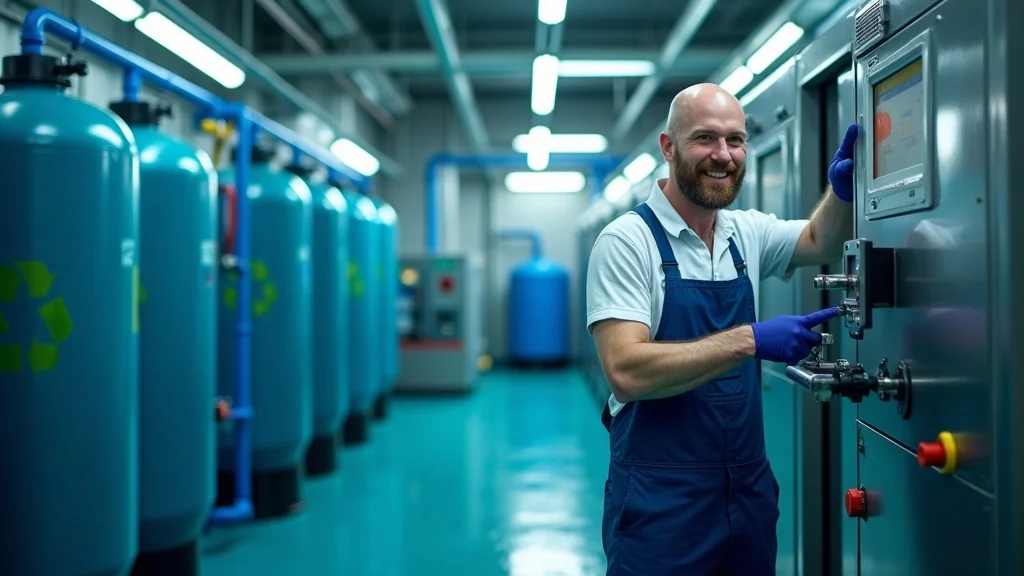
Pollution prevention is central to cutting costs in industrial wastewater treatment California. The most successful facilities reduce waste at the process level, minimizing high-strength discharges and conserving water by redesigning production steps, switching to cleaner raw materials, or implementing high-efficiency cleaning processes. Source reduction drives down the contaminant load entering your pretreatment or treatment plant, letting you cut chemical usage, lower energy bills, and decrease sludge disposal costs.
Water reuse and recycling technologies offer direct savings and new sustainability credentials. Installing on-site water reclamation or closed-loop treatment systems transforms would-be waste into a reusable resource for cooling, cleaning, or even process water make-up. By integrating these approaches into regular plant operations, California facilities can break the cycle of escalating costs and regulatory anxiety—demonstrating a commitment to environmental stewardship alongside smart business sense.
Common Cost Drivers in Industrial Wastewater Treatment California
- Regulatory compliance and permit fees
- Chemical and operational costs at treatment plants
- Consequences of sanitary sewer overflow and violations
| Cost Driver | Description | Typical Annual Cost Range |
|---|---|---|
| Permit Fees | State and local discharge permit costs for compliance | $5,000 - $50,000+ |
| Chemicals | Coagulants, disinfectants, pH adjustment chemicals used in treatment | $10,000 - $250,000+ |
| Energy | Pumps, blowers, and process equipment operational costs | $15,000 - $300,000+ |
| Labor | Staff for plant monitoring, operation, and compliance tasks | $50,000 - $400,000+ |
| Fines & Violations | Regulatory penalties for non-compliance or sewer overflow events | $10,000 - $1,000,000+ |
Each of these cost drivers reflects a multifaceted reality in California’s industrial wastewater treatment system: expenses are tied not just to how much you treat, but how well you manage risk and maintain compliance. Routine cost reviews and proactive investments in pollution prevention, pretreatment, and plant upgrades can dramatically shift the financial outlook for site and EHS managers.
Evaluating Wastewater Treatment Plant Performance and Efficiency
KPIs for Industrial Wastewater Treatment California
- Key performance indicators for site and plant managers
“Continuous monitoring can reveal hidden inefficiencies and cost leaks in your system.”
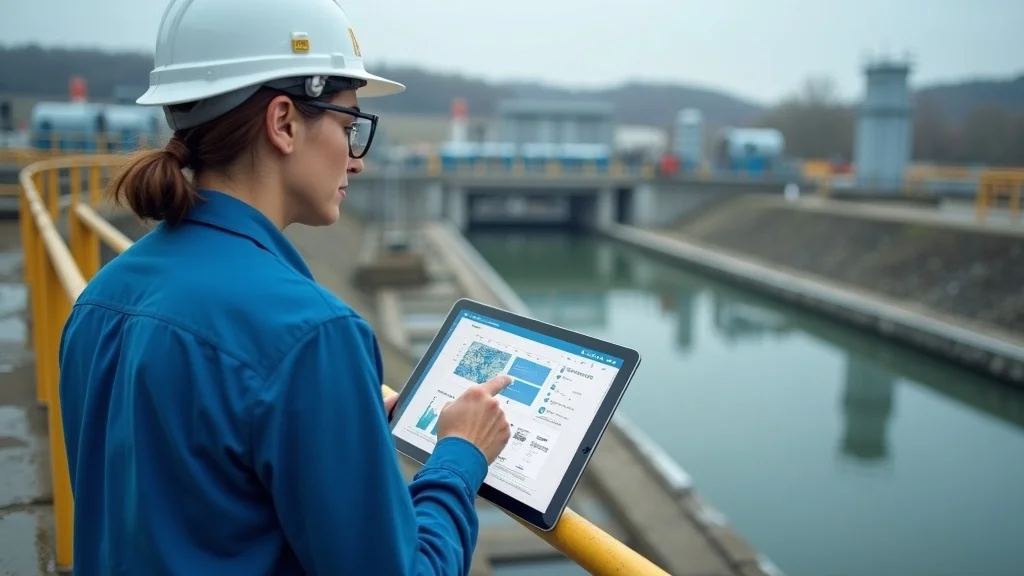
To stay competitive and compliant, California site and plant managers must track performance using industry-leading KPIs. Focus on measurements like influent contaminant loads, removal efficiencies (for TSS, BOD, and COD), energy and chemical consumption per million gallons treated, frequency of permit exceptions, and average cost per 1,000 gallons processed. Automation and digital dashboards now make real-time KPI tracking accessible, empowering managers to catch process deviations before they inflate costs or break compliance.
Beyond basic metrics, advanced facilities benchmark performance against leading peers in their industry and region, uncovering hidden savings opportunities and setting the bar for continuous improvement. The ultimate goal is to run a wastewater treatment operation that not only meets discharge permit requirements, but also delivers predictably low costs, reliable performance, and a robust compliance record year after year.
Case Study: Lowering Industrial Wastewater Treatment California Costs Through Innovation
- Real-world example illustrating successful cost reduction
- Steps taken and measurable outcomes
A major California food processor was facing annual industrial wastewater treatment costs exceeding $1 million due to strict discharge limits, high chemical usage, and ongoing violations linked to outdated treatment technologies. After a comprehensive plant assessment, site managers opted to upgrade their system with a modular membrane bioreactor (MBR) paired with a new water recycling loop. The integrated approach cut BOD and solids loads by over 85%, slashed chemical use, and reduced annual sludge disposal by 40%.
Measurable outcomes included a 30% reduction in energy expenses, zero permit violations for two consecutive years, and annualized operational savings approaching $350,000. Importantly, process automation and KPI dashboards gave the team visibility and agility to prevent problems before they arose—proving the transformative value of a compliance assessment and strategic investment in advanced treatment technologies.
People Also Ask About Industrial Wastewater Treatment California
What is required for industrial wastewater treatment in California?
- Facilities must adhere to strict discharge permits, implement approved pretreatment programs, document wastewater treatment methods, and monitor effluent for compliance. Regular reporting and internal audits are essential to satisfy state and federal regulations under the Clean Water Act and California Water Code.
How much does industrial wastewater treatment cost in California?
- Costs vary based on treatment technology, discharge volume, chemical usage, and regulatory compliance requirements. Facilities may spend anywhere from tens of thousands to several million dollars annually, depending on permit complexity, operational scale, and the need for advanced pollution control systems.
What are the primary pollution prevention strategies in industrial wastewater treatment California?
- Pollution prevention includes source reduction at the process level, upgrading or optimizing pretreatment programs, process modification, recycling or reusing water on-site, and switching to less toxic raw materials or safer alternatives. Proactive implementation leads to both environmental and financial benefits.
What is a pretreatment program and why is it needed?
- Pretreatment programs are necessary to remove harmful pollutants from industrial wastewater before discharge. They protect treatment plant operations, prevent sewer system damage, comply with regulatory standards, and safeguard environmental and human health.
Video Description: Dynamic footage of an advanced industrial wastewater treatment facility in California, highlighting modern filtration systems, process automation, efficient water recycling, and cost-saving innovations.
Checklist: Compliance and Cost-Saving Steps for Industrial Wastewater Treatment California
- Review and document all wastewater discharge permits
- Audit current pretreatment program compliance
- Invest in monitoring equipment for KPIs
- Conduct regular cost reviews of treatment plant operations

FAQ: Key Concerns for Industrial Wastewater Treatment California
-
How often should treatment plant efficiency be audited?
Most experts recommend quarterly or annual audits, depending on your system’s complexity and regulatory requirements. Regular reviews help catch inefficiencies and compliance gaps early, protecting your bottom line. -
What are the penalties for non-compliance?
Non-compliance with California’s industrial wastewater regulations can result in significant fines (ranging from $10,000 to over $1 million), permit suspensions, or even mandatory capital upgrades. Early detection and proactive management are key to avoiding costly setbacks. -
Who is responsible for implementing pollution prevention plans?
Primary responsibility falls on the site manager, environmental health and safety (EHS) managers, and maintenance managers. Effective teams also involve plant operators and compliance consultants to monitor, maintain, and continuously improve pollution prevention strategies.
Key Takeaways from Industrial Wastewater Treatment California
- Stay proactive with compliance to control costs
- Leverage new treatment technologies for efficiency
- Pollution prevention is key to operational savings
Conclusion: Is Industrial Wastewater Treatment California Costing More Than It Should?
- Industrial wastewater treatment California is expensive because of strict compliance standards, high operational costs, and significant penalties for violations. The best strategy combines robust pretreatment, advanced monitoring, pollution prevention, and regular compliance assessments to reduce costs while maintaining water quality and regulatory safety.
If you’re ready to take your facility’s environmental performance to the next level, consider exploring the full range of solutions and industry insights available from leading experts. By leveraging the experience and resources at CSI Environmental Inc, you can access advanced strategies for compliance, cost reduction, and sustainable growth tailored to California’s unique regulatory landscape. Whether you’re seeking innovative technologies, comprehensive assessments, or ongoing support, partnering with a trusted advisor can help you stay ahead of evolving requirements and maximize your operational efficiency. Discover how a holistic approach to industrial wastewater management can transform your bottom line and reinforce your commitment to environmental stewardship.
Looking for a Reverse Osmosis Desalination solution? Call Us (800) 690-2436
Get a complimentary wastewater system assessment that includes:
✅ Analysis of current TSS, COD, BOD, and pH levels
✅ Identification of compliance risks before they become violations
✅ Cost-saving opportunities based on proven results
✅ Clear ROI projections for any recommendation
Call (626) 608-7603
Sources
- California State Water Resources Control Board – Industrial Wastewater Guidance
- EPA – Industrial Wastewater Treatment Technology Fact Sheets
- EPA – Clean Water Act Section 404
- CalRecycle – Industrial Wastewater
- NACWA – National Association of Clean Water Agencies
To gain a deeper understanding of industrial wastewater treatment in California, consider exploring the following resources:
-
The Industrial Wastewater Treatment Technology Database (IWTT), provided by the U.S. Environmental Protection Agency, offers comprehensive data on established and emerging treatment technologies, assisting facilities in identifying effective solutions for specific pollutants. (epa.gov)
-
The Industrial Stormwater Program by the California State Water Resources Control Board outlines regulations for industrial stormwater discharges, ensuring compliance with state and federal standards to protect water quality. (waterboards.ca.gov)
These resources provide valuable insights into regulatory requirements and technological advancements, aiding in the development of cost-effective and compliant wastewater management strategies.


Write A Comment