Add Row
Add Element
cropper
update
{COMPANY_NAME}
CSI Environmental Corp
update
Add Element
update

CALL US

(800) 690-2436

Add Element
update

EMAIL US

CSI-team@chem-serv.com

Add Element
update

WORKING HOURS

Monday - Friday  8 AM - 5 PM

Add Element

Add Element
  • Home
  • Categories
    • Tech Advances
    • Regulatory News
    • Sustainability
    • Case Studies
    • Expert Interviews
    • Cost Efficiency
    • Safety Protocols
  • Services
Add Element
  • update
  • update
  • update
  • LinkedIn
    update
  • update
  • update
  • update
January 09.2026
1 Minute Read

Discover Wastewater Compliance Solutions That Save You Money

Did you realize that non-compliance with wastewater regulations can cost facilities millions in fines and lost productivity each year? For facility managers and site leaders, overlooking wastewater compliance isn’t just a regulatory headache—it’s a direct risk to your facility’s bottom line

Unlocking Savings: Why Wastewater Compliance Solutions Matter for Every Facility

"Did you know that non-compliance with wastewater regulations can cost facilities millions in fines and lost productivity each year?"

For plant managers and EHS leaders, wastewater compliance solutions are more than a regulatory requirement—they’re a pathway to long-term cost savings and operational resilience. Failing to meet established compliance standards like the Clean Water Act or local effluent guidelines does more than tarnish a facility’s environmental record; it results in direct financial penalty and indirect losses due to halted operations and remediation expenses. Modern wastewater treatment solutions integrate seamlessly with existing water management systems, offering features like automated monitoring, sophisticated reporting, and real-time response to compliance issues. These systems dramatically cut administrative overhead, reduce the frequency of accidental pollutant discharge, and optimize water treatment plant efficiency.

Investing in wastewater compliance also safeguards public health and strengthens a facility’s reputation. As environmental regulations tighten and enforcement rises, proactive compliance management has become a competitive advantage rather than a box-ticking exercise. Companies deploying advanced water compliance solutions typically see measurable savings in energy, labor, and equipment maintenance costs—while also avoiding the increased scrutiny and cost of non-compliant wastewater discharge. For decision makers in industrial, municipal, or mixed-use facilities, embracing these solutions is no longer optional—it’s essential for sustained operational efficiency and regulatory peace of mind.
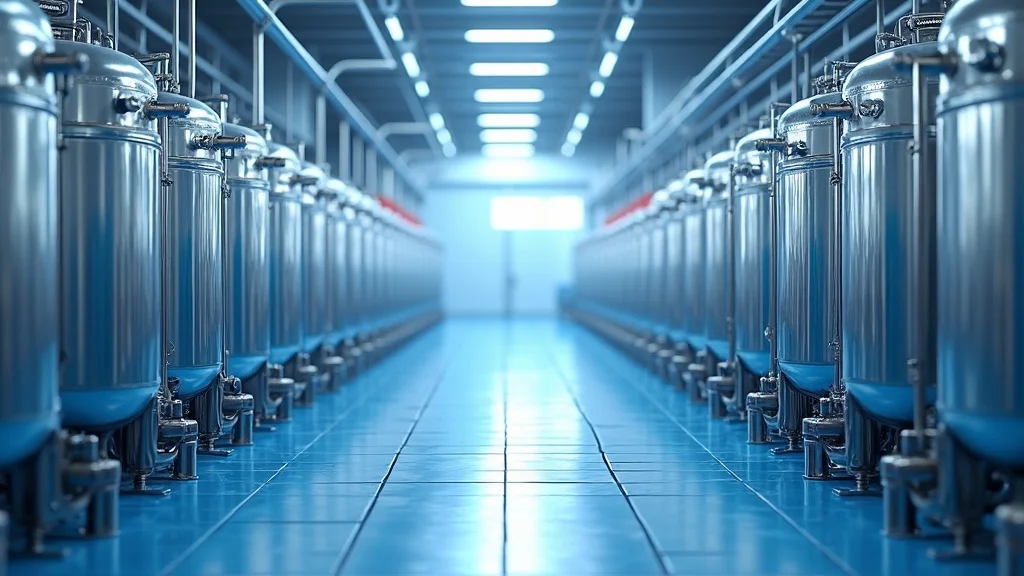
Modern industrial water treatment facility with stainless steel tanks, clean water treatment system, and advanced wastewater compliance solutions in a bright, well-lit plant

What You’ll Learn About Wastewater Compliance Solutions

  • How wastewater compliance solutions integrate with existing water treatment systems
  • Key differences between municipal and industrial wastewater strategies
  • How treatment solutions reduce operational costs for facilities and ensure water compliance
  • The latest innovations in wastewater management and wastewater treatment solution design
  • Steps to achieving water quality standards while boosting your bottom line

Understanding Wastewater Compliance Solutions: Features and Benefits

Key Features of Effective Wastewater Compliance Solutions

  • Automated monitoring for water quality and compliance
  • Customizable wastewater management and treatment plans
  • Documentation tools for regulatory reporting
  • Integration with treatment plants and water management systems

Digital dashboard for automated water quality monitoring in an advanced water treatment facility, illustrating wastewater compliance solution features

Effective wastewater compliance solutions provide a comprehensive management system that supports every aspect of facility operation, from monitoring effluent discharge to ensuring full regulatory compliance. Automated water quality monitoring collects real-time data from treatment plants, alerting operators to potential compliance breaches before they escalate. This real-time monitoring forms the backbone of modern water management systems and ensures that treatment solutions can rapidly adapt to changing inflow conditions or tighter effluent guidelines. Customizable treatment plans then allow for seamless integration with both industrial and municipal water systems, making them scalable for diverse facility needs.

For organizations seeking to further enhance their compliance strategy, exploring specialized environmental consulting services can provide tailored solutions and expert guidance. Learn more about how CSI Environmental Inc supports facilities in achieving and maintaining regulatory standards with their comprehensive environmental services at CSI Environmental Inc.

The inclusion of robust documentation tools for regulatory reporting dramatically reduces administrative burden. These platforms streamline required reports for compliance standards—such as those under the Clean Water Act—making audits less stressful and less prone to error. Integration with existing plant equipment is another core benefit: smart control panels, sensor networks, and data platforms can be installed with minimal disruption, reducing rollout times and ensuring that operational efficiency increases from day one. As environmental regulations evolve, these features position facilities to remain well ahead of the curve, reducing future capital outlay on compliance retrofits.

Financial and Operational Benefits of Wastewater Compliance Solutions

  • Reduced compliance costs and legal risk
  • Optimized performance in wastewater treatment plants
  • Increased equipment longevity and operational efficiency

Deploying state-of-the-art wastewater compliance solutions results in immediate and ongoing cost reductions for facilities of all sizes. First, reduced risk of non-compliance means lower legal exposure and fewer financial penalties from regulatory agencies. This savings is compounded when systems are designed to minimize energy consumption, cut unnecessary chemical usage, and optimize maintenance scheduling across treatment plants.

On the operational front, highly integrated water management systems help facilities process industrial wastewater and municipal wastewater more efficiently. Real-time performance insights allow maintenance teams to anticipate and address equipment wear, extending the lifespan of expensive assets within the water treatment process. In many case studies, facilities adopting advanced wastewater management solutions have reported up to 25–30% reductions in annual compliance and operational costs, transforming compliance from a liability into a profit-driving function.

How Wastewater Compliance Solutions Support Water Treatment and Industrial Wastewater Management

  • Improving water compliance standards across sectors
  • Streamlining industrial wastewater and municipal wastewater processes
  • Aligning with treatment solution requirements and regulatory mandates
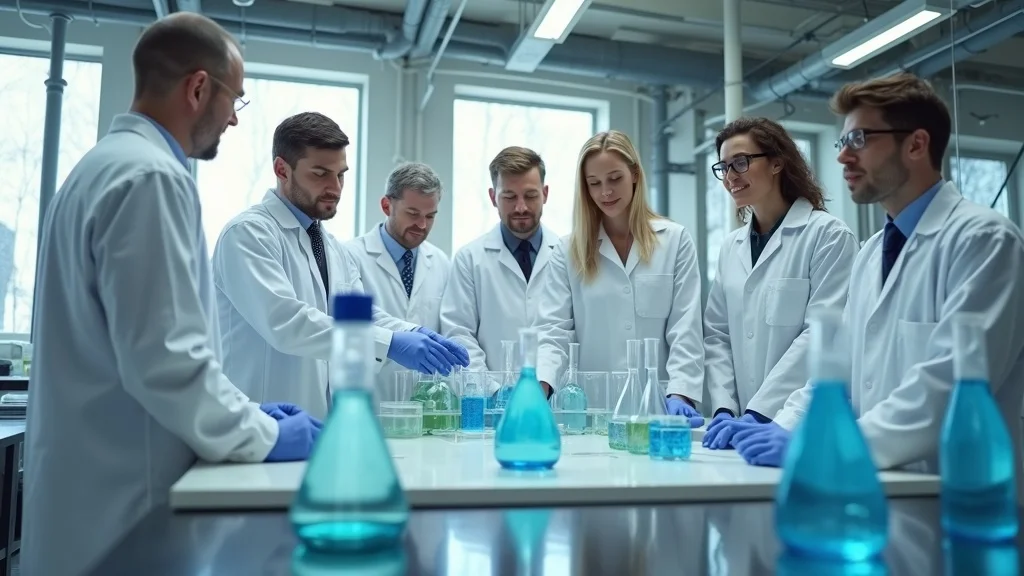
Engineers and technicians analyzing water samples for industrial wastewater compliance and water treatment in a high-tech facility

Wastewater compliance solutions bridge the gap between regulatory demands and practical facility operation. By standardizing water compliance reporting and automating key elements of the treatment process, these platforms empower both municipal and industrial facility managers to achieve and maintain clean water standards. Automated pollutant and discharge tracking supports compliance with effluent guidelines for a range of processes—from electroplating and food processing to municipal sewage treatment—ensuring that facilities meet or exceed public health and environmental requirements.

For industrial users, the ability to adapt quickly to new water quality limits is crucial—especially where water discharge carries heightened risk to nearby communities or sensitive environments. Compliance solutions that synchronize with treatment plants and water management infrastructure can automatically adjust chemical dosing and filtration rates to meet updated benchmarks, keeping facilities on the right side of the law without disrupting operations. Municipal systems also benefit, gaining tools to handle varying flow volumes, unexpected influent contamination, or emerging public health challenges. Whether your facility is governed by the Clean Water Act or local standards, robust wastewater compliance solutions solidify your role as a responsible and resource-efficient operator while unlocking additional cost control opportunities.

Watch: A short explainer showing an overview of automated water quality monitoring, integrated dashboards, and advanced treatment technologies in a modern facility. Animated infographics and real plant footage enhance visual clarity.

Comparing Top Wastewater Compliance Solutions for Water Management

Solution Name Core Functions Industries Served Cost Savings Integration Level
AquaGuard Compliance Pro Automated Monitoring; Documentation Industrial/ municipal Up to 30% Full
TreatRight 360 Custom Treatment Plans Industrial Up to 25% Medium
ClearWater Sync Regulatory Alerts; Water System Integration Municipal Up to 20% High

Each of these leading solutions addresses specific industry requirements—whether you manage industrial wastewater, municipal wastewater, or a mixed-use facility. Solutions offering full integration deliver the greatest cost savings and adaptability, while modular systems like TreatRight 360 excel for facilities with unique operational needs.

Key Considerations for Selecting the Right Wastewater Compliance Solution

Assessing Facility Needs: Water Quality, Treatment Plant Capabilities, and Water Management

  • Current state of wastewater treatment and water system compliance
  • Industrial wastewater vs. municipal wastewater challenges
  • Evaluating integration with existing wastewater management infrastructures
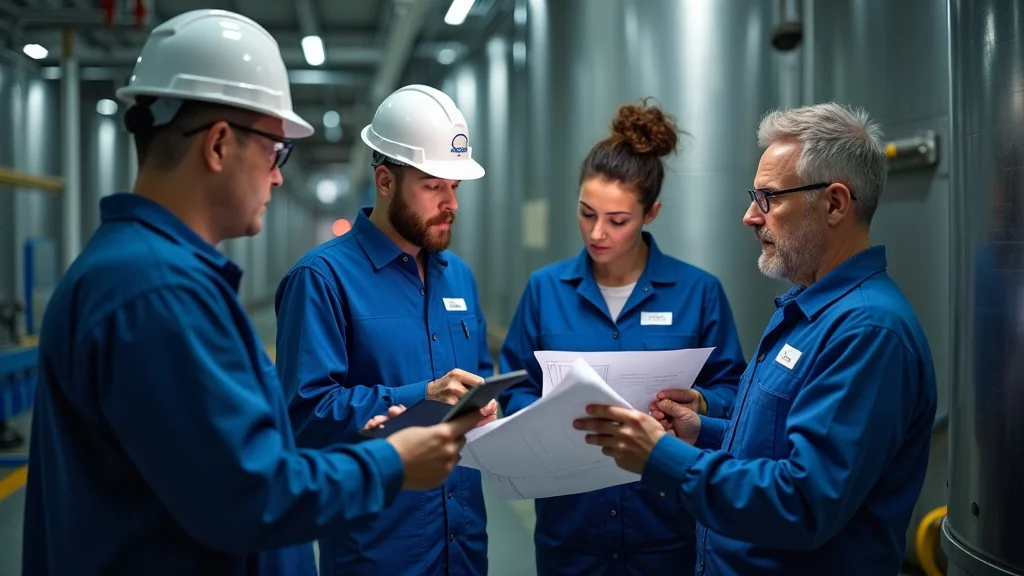
Facility managers in a water treatment plant reviewing integration of wastewater compliance solutions for optimal water quality and treatment planning

Are compliance standards currently being met consistently? Does your facility process more industrial or municipal wastewater? Are current water management tools supporting easy integration and scalable performance? Answers to these questions will determine the right mix of features, from real-time monitoring to cloud-based dashboards tailored for large multisite operations or compact single-site plants

Industry leaders recommend establishing a cross-functional decision-making group—drawing on plant managers, compliance officers, and IT experts—to ensure all water treatment, reporting, and operational considerations are addressed. The most successful wastewater compliance solutions are those that can adapt as facility needs change, whether due to regulatory adjustments, expansion, or new effluent guidelines. Factor in the ease of adding future modules or integrating with emerging technologies for continuous improvement and long-term resilience.

Watch: A practical buyer’s guide video providing step-by-step insights into assessing, selecting, and deploying the right wastewater compliance solution for your facility.

People Also Ask: Wastewater Compliance Solutions FAQ

What are the four types of wastewater treatment?
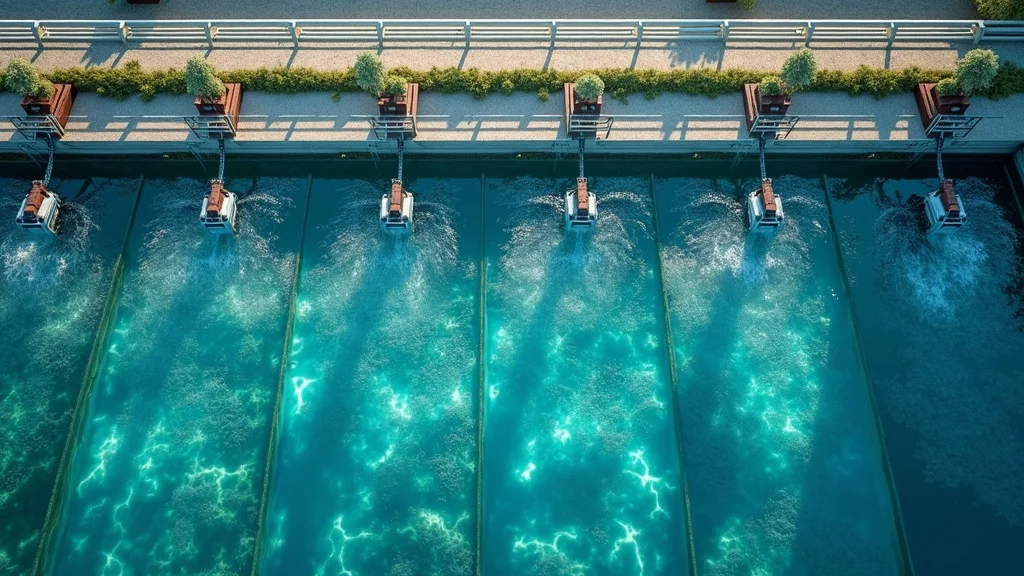
Four sequential stages of wastewater treatment tanks demonstrating primary, secondary, tertiary, and advanced treatment for clean water compliance

Wastewater treatment typically involves four main stages: preliminary, primary, secondary, and tertiary treatment. The preliminary stage removes large solids and debris via screening. Primary treatment allows for sedimentation of suspended solids. Secondary treatment uses biological processes to break down organic contaminants. Finally, tertiary (or advanced) treatment further purifies the water, often using filtration, disinfection, or specialized nutrient removal processes to achieve strict compliance standards. Each stage is crucial for both industrial and municipal wastewater systems, supporting public health and environmental objectives.

What are wastewater treatment solutions?

Wastewater treatment solutions encompass a range of technologies, management systems, and strategies designed to remove pollutants from wastewater and achieve water compliance. This includes physical, chemical, and biological processes for treating water, automated compliance monitoring tools, documentation software, and integration platforms that connect facility assets with regulatory reporting systems. Choosing the right wastewater treatment solution depends on your facility’s water system size, the type of contaminants present, local regulations, and your operational goals.

What are the 7 steps in wastewater treatment?

The typical seven steps in a comprehensive wastewater treatment process are: Screening, Grit Removal, Primary Settling, Aeration (Secondary Treatment), Secondary Clarification, Disinfection, and Effluent Discharge or Advanced Treatment. Each step is engineered to progressively remove contaminants, reduce solids, and ensure that treated water meets regulatory requirements before discharge or reuse. The best wastewater compliance solutions automate monitoring and documentation along every step, ensuring water quality is rigorously maintained.

How can we control wastewater?

Effective control of wastewater requires a combination of preventive strategies and real-time management. Facilities can reduce contaminant loads by optimizing industrial processes, regularly maintaining equipment, and implementing pre-treatment before wastewater enters treatment plants. Advanced compliance solutions provide continuous monitoring, generate pollutant alerts, and automate regulatory reports—allowing operators to resolve issues proactively, avoid non-compliant discharges, and stay aligned with evolving public health guidelines.

Lists: Common Features of High-Performing Wastewater Compliance Solutions

  • Cloud-based compliance dashboards
  • Real-time pollutant alerts
  • Integrated wastewater discharge tracking
  • Automated regulatory report generation
  • Modular design for scaling

Cloud-based wastewater compliance dashboard showing real-time pollutant tracking and smart water management tools for treatment facilities

Key Takeaways: Maximizing Value with the Right Wastewater Compliance Solutions

  • High-quality wastewater compliance solutions lower operational and regulatory risks
  • Tailored wastewater treatment solutions boost plant efficiency
  • Efficient water treatment and compliance systems drive consistent cost savings

Expert Advice: Quotes from Industry Leaders on Wastewater Compliance Solutions

"Adopting comprehensive wastewater compliance solutions is the single most impactful step a facility manager can take toward environmental stewardship and cost control."

Conclusion: Take the Next Step Toward Seamless Wastewater Compliance

Modern wastewater compliance solutions protect your facility, optimize operations, and unlock major cost savings—positioning you as a leader in water compliance management.

FAQs on Wastewater Compliance Solutions

  • How do wastewater compliance solutions reduce facility costs?
    By automating monitoring and reporting, these systems increase operational efficiency, reduce manual labor, minimize the risk of fines, and extend equipment life—resulting in significant ongoing savings.
  • Do wastewater treatment solution upgrades disrupt plant operations?
    Leading solutions are designed for minimal disruption, with modular installations and phased rollouts. Most facilities experience short commissioning windows followed by improved performance.
  • What certifications should wastewater compliance solutions have?
    Solutions should meet ISO 14001, EPA guidelines, or local authority standards, and offer secure data handling for testing and compliance documentation.
  • How often should compliance assessments be conducted?
    Industry best practices recommend quarterly assessments, with reviews after major upgrades or regulatory changes to ensure continued water compliance and operational safety.

Get Your Wastewater & Sewage Treatment Plants — Free Compliance Review Available

Looking for a Reverse Osmosis Desalination solution? Call Us (800) 690-2436 for a complimentary water compliance assessment and discover how we can drive cost savings for your plant today

Sources

  • EPA National Pollutant Discharge Elimination System – https://www.epa.gov/npdes/national-pollutant-discharge-elimination-system-npdes
  • EPA Effluent Guidelines – https://www.epa.gov/eg
  • Water Online – https://www.wateronline.com/
  • Maximizing Wastewater Treatment Plant ROI Through Automation – https://www.watertreatmentonline.com/doc/maximizing-wastewater-treatment-plant-roi-through-automation-0001

For those looking to deepen their understanding of environmental compliance and discover broader strategies for sustainable facility management, the CSI Environmental Inc website offers a wealth of resources and expert insights. Explore their comprehensive solutions to stay ahead of regulatory changes and drive long-term value for your organization.

To enhance your understanding of wastewater compliance solutions and their cost-saving benefits, consider exploring the following resources:

  • The U.S. Environmental Protection Agency’s (EPA) Compliance Advisors for Sustainable Water Systems Program offers no-cost technical assistance to small drinking water and wastewater systems, helping them achieve and maintain compliance with the Clean Water Act and Safe Drinking Water Act. This program provides tailored support, including troubleshooting, developing compliance strategies, and increasing technical capacity of operators. (epa.gov)

  • WaterTrax Water & Wastewater Compliance Software by Aquatic Informatics is a cloud-based platform that enables agencies and utilities to monitor and manage their water and wastewater compliance data efficiently. It offers features like automated alerts, sampling schedule reminders, and lab data transfers, reducing manual errors and ensuring timely compliance. (aquaticinformatics.com)

By leveraging these resources, you can implement effective wastewater compliance solutions that not only ensure regulatory adherence but also drive operational efficiency and cost savings.

Cost Efficiency

0 Comments

Write A Comment

*
*
Related Posts All Posts
01.03.2026

Is Industrial Wastewater Treatment California Costing You More?

Is your business paying more than it should for industrial wastewater treatment in California? Many site, plant, and EHS managers struggle to keep costs under control without risking violations or damaging their compliance profile The High Cost of Industrial Wastewater Treatment California: A Revealing Statistic Explore an eye-opening figure about industrial wastewater treatment California costs and what it means for businesses. “California accounts for nearly 30% of the nation’s industrial wastewater charges due to stringent compliance regulations and complex treatment requirements.” Industrial wastewater treatment California is far more than a line item in your operating budget—it’s often a major cost center, with complex factors driving expenses above the national average. The state’s tough regulations, focused on upholding the Clean Water Act and safeguarding vital water resources, mean that even small lapses can result in costly fines or mandatory upgrades. Most affected are manufacturers, food processors, and tech firms that discharge significant volumes of industrial waste, much of which must go through advanced treatment before entering the sanitary sewer system or receiving waters. A key driver behind these costs is California’s advanced regulatory framework. With about 30% of the nation’s total industrial wastewater charges landing on Golden State businesses, a typical facility may face not just high permit fees, but also recurring chemical, energy, and labor costs to maintain their wastewater treatment plant. Add in the risk of sanitary sewer overflow violations and the need for ongoing compliance monitoring, and it’s clear: understanding where your expenses come from is essential to managing them smartly. For facilities looking to optimize their compliance strategies and reduce operational costs, exploring specialized environmental consulting services can be invaluable. Partnering with experts in industrial wastewater management can help you identify hidden inefficiencies, implement best practices, and stay ahead of evolving California regulations. What You'll Learn About Industrial Wastewater Treatment California Essential components of industrial wastewater treatment California compliance Best practices for cost efficiency and pollution prevention Key technologies and regulatory requirements you must know Understanding Industrial Wastewater and Wastewater Discharge Regulations in California Defining Industrial Waste and Industrial Wastewater When we talk about industrial waste, we mean any type of waste generated as a consequence of industrial activities—think manufacturing, chemical processing, or electronics production. Meanwhile, industrial wastewater refers specifically to water that’s been contaminated by these industrial processes and is discharged, either directly into the environment or into a municipal or publicly owned treatment works (POTW). These wastes can include hazardous chemicals, suspended solids, heavy metals, and organic contaminants, all of which have the potential to impact water quality if not properly managed. The treatment of industrial wastewater in California is not just about meeting internal site objectives. It’s about aligning with local, state, and federal legal mandates: from the Clean Water Act to the state’s own robust environmental laws. Industrial discharge—whether it’s being sent to a sanitary sewer or released into receiving waters—must be closely monitored, pretreated if necessary, and reported in accordance with strict guidelines to protect public health and the ecosystem. Overview of Wastewater Discharge and Treatment Requirements California wastewater treatment regulations How pollution prevention influences industrial discharge limits Wastewater discharge from industrial sources must meet specific state and federal standards, making regulatory awareness essential for site managers. California’s approach to wastewater discharge is particularly rigorous. Every facility is required to obtain the right permits, which outline the specific limits on contaminants like biological oxygen demand (BOD), chemical oxygen demand (COD), total suspended solids (TSS), and pH. These discharge requirements help ensure that publicly owned treatment plants aren’t overwhelmed and that sanitary sewer systems function effectively. Site managers must not only be knowledgeable about these discharge thresholds, but also keep thorough records to demonstrate compliance in the event of an audit. In many cases, failing to adhere to discharge permits can trigger significant regulatory penalties and may necessitate permanent upgrades to your treatment plant or technologies. For this reason, understanding the nuances of California’s regulatory landscape is crucial for anyone responsible for industrial wastewater. Awareness doesn’t just prevent fines—it opens the door to operational savings and better pollution prevention outcomes through smarter practices. California's Pretreatment Program: Ensuring Compliance for Industrial Wastewater Treatment Overview of Pretreatment Program Requirements and Their Impact California mandates that businesses discharging into the sanitary sewer system participate in pretreatment programs designed to remove or reduce harmful pollutants before wastewater reaches municipal treatment plants. These pretreatment requirements directly support the broader goals of the Clean Water Act and play a vital role in pollution prevention. For most industrial sites, this means installing or upgrading on-site pretreatment systems, conducting regular monitoring, and submitting evidence of compliance to regulatory authorities. The pretreatment program you choose can have a profound impact on both costs and compliance. Effective pretreatment not only protects the operation of downstream publicly owned treatment works but can also help reduce the potential for sewer overflows and subsequent violations. By intercepting pollutants early, your facility minimizes wear and tear on expensive infrastructure, reduces chemical and energy consumption at the treatment plant, and avoids many of the expenses that come from reactive maintenance. How Pretreatment Reduces Costs and Supports Pollution Prevention Key steps to implement a successful pretreatment program for industrial waste “Pretreatment is your first line of defense against costly violations.” Implementing a robust pretreatment program provides a direct path to cost savings and environmental stewardship. First, assess your facility’s unique waste stream by analyzing parameters such as TSS, COD, BOD, and specific hazardous constituents. Next, tailor your pretreatment solution to those findings, integrating relevant physical, chemical, or biological treatment steps. For site and plant managers, investing in high-quality monitoring equipment and operator training ensures ongoing compliance and fast response to process changes. Finally, document all procedures and results. Regulatory authorities in California expect detailed records that prove pollution is being prevented at the source—before it damages the environment or triggers harsh fines. The more preventive your approach, the less risk of expensive emergency measures and the greater potential for operational efficiency and pollution prevention incentives. Sanitary Sewer and Treatment Plant Integration in Industrial Wastewater Treatment California Role of the Sanitary Sewer in Wastewater Treatment The sanitary sewer system acts as the vital link between industrial facilities and the wastewater treatment plant. In California, these systems must handle high volumes of industrial discharge without leading to sanitary sewer overflow incidents. Any failure in this network—whether from excessive industrial waste or non-compliance—can overwhelm downstream publicly owned treatment works and result in serious pollution control problems for the entire community. Efficient integration means more than just physical connectivity; it demands close coordination between facility managers, municipal authorities, and regulatory bodies. Preventing blockages, maintaining capacity, and monitoring the system’s integrity ensures that both your site and the wider network remain within permit limits. This vigilance supports public health and the environment while mitigating risk and cost for your operation. Treatment Plant Functions: What Site Managers Need to Know Challenges of managing industrial discharge to public treatment plants Importance of preventing sanitary sewer overflow incidents Site managers must understand more than just their own processes; they need a working knowledge of the local wastewater treatment plant and the limits it can handle. Industrial waste that lacks proper pretreatment can compromise plant performance, leading to increased operational costs, sudden shutdowns, and even environmental violations. Coordination with treatment plant operators ensures early identification of load changes and enables proactive pollution control strategies to maintain compliance and efficiency. Sanitary sewer overflow, a major issue in California, often occurs when industrial waste outpaces sewer system capacity or when untreated pollutants cause clogs and breakdowns. Predicting and preventing these events requires accurate flow and contaminant monitoring—along with rapid action when the data suggest a potential risk. Facilities that can seamlessly integrate their discharge with municipal treatment plants place themselves in the strongest position for regulatory compliance and cost containment. Industrial Wastewater Treatment Technologies: Choosing the Right Solution Overview of Advanced Treatment Technologies in California Leading-edge options for industrial wastewater treatment California Comparing cost, effectiveness, and sustainability “Selecting the right treatment technology often determines your long-term operational costs and environmental impact.” California is home to some of the world’s most advanced wastewater treatment technologies, enabling businesses to exceed regulatory benchmarks for water quality while managing costs and resource consumption. Common approaches include membrane bioreactors (MBR), dissolved air flotation (DAF), sequencing batch reactors (SBR), ultrafiltration, and advanced oxidation. Newer innovations, such as reverse osmosis desalination and zero liquid discharge (ZLD) systems, are gaining traction—especially in water-scarce regions seeking maximum water reuse and pollution prevention. Choosing among these technologies requires looking beyond initial capital costs. Factors like footprint, chemical usage, energy needs, sludge handling, and long-term maintenance influence the true operational expense. The right solution depends on your site’s discharge profile, permit requirements, and future sustainability goals. Working closely with technology providers and consulting engineering experts helps ensure your investments yield not only compliance, but measurable returns in operational efficiency, reduced violations, and enhanced environmental performance. Managing Industrial Discharge: Reducing Costs through Pollution Prevention Pollution Prevention Strategies for Industrial Wastewater Treatment Cost-saving tips for lowering industrial waste volume Implementing water reuse and recycling techniques ‘Pollution prevention pays off—not only for the environment but for your bottom line.’ Pollution prevention is central to cutting costs in industrial wastewater treatment California. The most successful facilities reduce waste at the process level, minimizing high-strength discharges and conserving water by redesigning production steps, switching to cleaner raw materials, or implementing high-efficiency cleaning processes. Source reduction drives down the contaminant load entering your pretreatment or treatment plant, letting you cut chemical usage, lower energy bills, and decrease sludge disposal costs. Water reuse and recycling technologies offer direct savings and new sustainability credentials. Installing on-site water reclamation or closed-loop treatment systems transforms would-be waste into a reusable resource for cooling, cleaning, or even process water make-up. By integrating these approaches into regular plant operations, California facilities can break the cycle of escalating costs and regulatory anxiety—demonstrating a commitment to environmental stewardship alongside smart business sense. Common Cost Drivers in Industrial Wastewater Treatment California Regulatory compliance and permit fees Chemical and operational costs at treatment plants Consequences of sanitary sewer overflow and violations Comparison of Common Industrial Wastewater Treatment Costs in California Cost Driver Description Typical Annual Cost Range Permit Fees State and local discharge permit costs for compliance $5,000 - $50,000+ Chemicals Coagulants, disinfectants, pH adjustment chemicals used in treatment $10,000 - $250,000+ Energy Pumps, blowers, and process equipment operational costs $15,000 - $300,000+ Labor Staff for plant monitoring, operation, and compliance tasks $50,000 - $400,000+ Fines & Violations Regulatory penalties for non-compliance or sewer overflow events $10,000 - $1,000,000+ Each of these cost drivers reflects a multifaceted reality in California’s industrial wastewater treatment system: expenses are tied not just to how much you treat, but how well you manage risk and maintain compliance. Routine cost reviews and proactive investments in pollution prevention, pretreatment, and plant upgrades can dramatically shift the financial outlook for site and EHS managers. Evaluating Wastewater Treatment Plant Performance and Efficiency KPIs for Industrial Wastewater Treatment California Key performance indicators for site and plant managers “Continuous monitoring can reveal hidden inefficiencies and cost leaks in your system.” To stay competitive and compliant, California site and plant managers must track performance using industry-leading KPIs. Focus on measurements like influent contaminant loads, removal efficiencies (for TSS, BOD, and COD), energy and chemical consumption per million gallons treated, frequency of permit exceptions, and average cost per 1,000 gallons processed. Automation and digital dashboards now make real-time KPI tracking accessible, empowering managers to catch process deviations before they inflate costs or break compliance. Beyond basic metrics, advanced facilities benchmark performance against leading peers in their industry and region, uncovering hidden savings opportunities and setting the bar for continuous improvement. The ultimate goal is to run a wastewater treatment operation that not only meets discharge permit requirements, but also delivers predictably low costs, reliable performance, and a robust compliance record year after year. Case Study: Lowering Industrial Wastewater Treatment California Costs Through Innovation Real-world example illustrating successful cost reduction Steps taken and measurable outcomes A major California food processor was facing annual industrial wastewater treatment costs exceeding $1 million due to strict discharge limits, high chemical usage, and ongoing violations linked to outdated treatment technologies. After a comprehensive plant assessment, site managers opted to upgrade their system with a modular membrane bioreactor (MBR) paired with a new water recycling loop. The integrated approach cut BOD and solids loads by over 85%, slashed chemical use, and reduced annual sludge disposal by 40%. Measurable outcomes included a 30% reduction in energy expenses, zero permit violations for two consecutive years, and annualized operational savings approaching $350,000. Importantly, process automation and KPI dashboards gave the team visibility and agility to prevent problems before they arose—proving the transformative value of a compliance assessment and strategic investment in advanced treatment technologies. People Also Ask About Industrial Wastewater Treatment California What is required for industrial wastewater treatment in California? Facilities must adhere to strict discharge permits, implement approved pretreatment programs, document wastewater treatment methods, and monitor effluent for compliance. Regular reporting and internal audits are essential to satisfy state and federal regulations under the Clean Water Act and California Water Code. How much does industrial wastewater treatment cost in California? Costs vary based on treatment technology, discharge volume, chemical usage, and regulatory compliance requirements. Facilities may spend anywhere from tens of thousands to several million dollars annually, depending on permit complexity, operational scale, and the need for advanced pollution control systems. What are the primary pollution prevention strategies in industrial wastewater treatment California? Pollution prevention includes source reduction at the process level, upgrading or optimizing pretreatment programs, process modification, recycling or reusing water on-site, and switching to less toxic raw materials or safer alternatives. Proactive implementation leads to both environmental and financial benefits. What is a pretreatment program and why is it needed? Pretreatment programs are necessary to remove harmful pollutants from industrial wastewater before discharge. They protect treatment plant operations, prevent sewer system damage, comply with regulatory standards, and safeguard environmental and human health. Video Description: Dynamic footage of an advanced industrial wastewater treatment facility in California, highlighting modern filtration systems, process automation, efficient water recycling, and cost-saving innovations. Checklist: Compliance and Cost-Saving Steps for Industrial Wastewater Treatment California Review and document all wastewater discharge permits Audit current pretreatment program compliance Invest in monitoring equipment for KPIs Conduct regular cost reviews of treatment plant operations FAQ: Key Concerns for Industrial Wastewater Treatment California How often should treatment plant efficiency be audited? Most experts recommend quarterly or annual audits, depending on your system’s complexity and regulatory requirements. Regular reviews help catch inefficiencies and compliance gaps early, protecting your bottom line. What are the penalties for non-compliance? Non-compliance with California’s industrial wastewater regulations can result in significant fines (ranging from $10,000 to over $1 million), permit suspensions, or even mandatory capital upgrades. Early detection and proactive management are key to avoiding costly setbacks. Who is responsible for implementing pollution prevention plans? Primary responsibility falls on the site manager, environmental health and safety (EHS) managers, and maintenance managers. Effective teams also involve plant operators and compliance consultants to monitor, maintain, and continuously improve pollution prevention strategies. Key Takeaways from Industrial Wastewater Treatment California Stay proactive with compliance to control costs Leverage new treatment technologies for efficiency Pollution prevention is key to operational savings Conclusion: Is Industrial Wastewater Treatment California Costing More Than It Should? Industrial wastewater treatment California is expensive because of strict compliance standards, high operational costs, and significant penalties for violations. The best strategy combines robust pretreatment, advanced monitoring, pollution prevention, and regular compliance assessments to reduce costs while maintaining water quality and regulatory safety. If you’re ready to take your facility’s environmental performance to the next level, consider exploring the full range of solutions and industry insights available from leading experts. By leveraging the experience and resources at CSI Environmental Inc, you can access advanced strategies for compliance, cost reduction, and sustainable growth tailored to California’s unique regulatory landscape. Whether you’re seeking innovative technologies, comprehensive assessments, or ongoing support, partnering with a trusted advisor can help you stay ahead of evolving requirements and maximize your operational efficiency. Discover how a holistic approach to industrial wastewater management can transform your bottom line and reinforce your commitment to environmental stewardship. Looking for a Reverse Osmosis Desalination solution? Call Us (800) 690-2436 Get a complimentary wastewater system assessment that includes: ✅ Analysis of current TSS, COD, BOD, and pH levels ✅ Identification of compliance risks before they become violations ✅ Cost-saving opportunities based on proven results ✅ Clear ROI projections for any recommendation Call (626) 608-7603 Sources California State Water Resources Control Board – Industrial Wastewater Guidance EPA – Industrial Wastewater Treatment Technology Fact Sheets EPA – Clean Water Act Section 404 CalRecycle – Industrial Wastewater NACWA – National Association of Clean Water Agencies To gain a deeper understanding of industrial wastewater treatment in California, consider exploring the following resources: The Industrial Wastewater Treatment Technology Database (IWTT), provided by the U.S. Environmental Protection Agency, offers comprehensive data on established and emerging treatment technologies, assisting facilities in identifying effective solutions for specific pollutants. (epa.gov) The Industrial Stormwater Program by the California State Water Resources Control Board outlines regulations for industrial stormwater discharges, ensuring compliance with state and federal standards to protect water quality. (waterboards.ca.gov) These resources provide valuable insights into regulatory requirements and technological advancements, aiding in the development of cost-effective and compliant wastewater management strategies.

10.15.2025

Unlock the Magic of Water Filtration Systems—Pure Water Awaits

Did you know that more than 60 million Americans are exposed to unsafe tap water each year? Hidden contaminants, some invisible to the naked eye, may compromise the quality and safety of your drinking water. But here's the good news: advanced water filtration systems can turn your ordinary water supply into pure, crystal-clear refreshment for you and your family. This guide pulls back the filter on everything you need to know—so you can make a confident choice for healthier living.Transform Your Water Quality with Advanced Water Filtration SystemsSafe, delicious water is more than a luxury—it’s a necessity! Investing in a high-quality water filtration system can revolutionize the way your home consumes water, improving everything from taste and odor to your family’s overall health. Whether you struggle with odd tasting water, frequent plumbing issues from heavy metals, or simply want peace of mind knowing your water is free of harmful contaminants, modern water filter systems are engineered to provide tailored solutions to your unique needs. By understanding your water’s makeup and choosing the right filter system, you’ll unlock better hydration, healthier cooking, and protection for your appliances. Learn how these systems deliver results, maximize efficiency, and fit seamlessly into any home—empowering you to take control of your water quality today.What You’ll Learn About Water Filtration SystemsUnderstand core features of water filtration systemsDiscover the best types of water filters, including reverse osmosis system and whole house water filtersGain insight into filtration system benefits, risks, and customer reviewsSee pricing for water filtration systems and how to choose the right option for your needsUnderstanding Water Filtration Systems: Essential OverviewWater filtration systems play a vital role in protecting your home water from hidden threats that lurk in household tap water. These systems use innovative technology—like advanced filter cartridges, carbon, and reverse osmosis—to remove an array of impurities, including heavy metals, chlorine, and sediment. No matter your source (city water, well, or something in between), investing in a filtration system ensures every drop is crisp and contaminant-free. From whole house water filter units safeguarding every faucet to under-sink models perfect for direct drinking water, understanding system types and their capabilities is key. Learn how each option works as we break down the core benefits and compare top-performing filters side-by-side in this comprehensive buyer’s guide.Key Benefits of a Modern Water Filter SystemElimination of heavy metals and contaminantsImproved taste and odorHealthier tap water for household use"Healthy water is foundational to a healthy home." – Expert from the Water Quality AssociationTypes of Water Filtration Systems: From Reverse Osmosis to Carbon FiltersSeveral water filter system styles exist, each targeting unique issues present in your specific water supply. The most common are the whole house water filter, which filters all house water as it enters, and point-of-use systems such as under-sink or countertop filters designed for drinking and cooking water. Within these categories, technologies like reverse osmosis, activated carbon, and specialty filter cartridges offer various pros and cons. Choosing between them depends on your water’s quality, usage habits, and your home’s plumbing compatibility. By comparing key specs—like removal of heavy metals, ease of filter replacement, and maintenance needs—you’ll be able to choose the system that aligns with your lifestyle and ensures clean, worry-free water on demand.Reverse Osmosis System: How Does It Work?A reverse osmosis system (RO) is one of the most powerful options for home water filtration. This filter system channels water through a semipermeable membrane, removing dissolved salts, heavy metals, bacteria, and many other impurities that typical water filters miss. The process separates pure water molecules from contaminants—even down to the size of a single ion—leaving you with exceptionally clean reverse osmosis water. Household RO systems are often installed beneath the kitchen sink or as a whole house system. With regular maintenance and timely filter replacement, a reverse osmosis filtration system delivers consistent, high-quality drinking water while protecting your family from harmful contaminants commonly found in tap water.See It in Action: Watch a short animation showing the reverse osmosis process in water filtration systems.Whole House Water Filter vs. Point-of-Use Water Filtration SystemWhen considering a new water filter system, it’s crucial to decide between a whole house water filter—which purifies water at the main entry point for your entire home—and a point-of-use filter that targets drinking or cooking taps. Whole house systems deliver filtered, contaminant-free water to every faucet and appliance, safeguarding health across the board and protecting plumbing from scale and sediment. In contrast, point-of-use systems are more targeted, often simpler to install, and highly effective for ensuring that the water you consume is pure, even if broader plumbing is less of a concern. Your selection depends on your goals, existing plumbing, and budget. The comparison table below provides a quick side-by-side look at the features, costs, and maintenance involved.Comparison Table: Whole House vs. Point-of-Use Water Filtration SystemsFeatureWhole House Water FilterPoint-of-Use Water Filtration SystemCoverageEntire home (all taps and appliances)Single location (e.g., kitchen sink, refrigerator)InstallationMore complex; professional recommendedSimple DIY; under sink or countertop mountMaintenanceAnnual/semi-annual filter replacementQuarterly or bi-annual (depends on filter type)BenefitsProtects all plumbing, great for families, reduced scalingAffordable, easy to monitor, focused purificationUpfront Cost$$$ - $$$$$ - $$Activated Carbon and Other Filter SystemsActivated carbon water filter systems use highly porous carbon media to adsorb impurities—like chlorine, pesticides, and common taste/odor contaminants—from your water supply. These filters are popular in both point-of-use and whole house applications, famed for enhancing taste and mitigating harmful chemicals. Other filter systems include ceramic, UV, and mixed media filters that can target bacteria, sediment, or even soften hard water. It's important to note that filter cartridges must be replaced at regular intervals (from every 3 to 12 months) to maintain peak efficiency. Smart monitoring features and easy-access cartridges now make it easier than ever to monitor filter changes, ensuring safe and clean water flows year-round.Water filter system types using activated carbonFiltration system advantages for tap waterWater filter cartridge replacement intervalsDo Water Filtration Systems Really Make a Difference?Absolutely! Numerous studies and consumer reviews confirm that modern water filtration systems provide tangible improvements in both water quality and taste. Upgraded filtration not only removes heavy metals, chemical contaminants, and sediments but can also vastly improve the safety of city water and well water alike. Many homeowners report better tasting water, reduced appliance maintenance due to fewer mineral deposits, and peace of mind from knowing family members are protected against common waterborne risks. In real-world tests, advanced filters routinely outperform basic pitcher or faucet attachments—delivering a profound difference with every glass. Watch our interview below to see how industry experts explain these benefits firsthand.Expert Opinion: Professional interview clip with a water filtration expert discussing the tangible improvements after system installation.How to Select the Best Water Filtration System for Your HomeFactors: water quality test, water filter system compatibility, filter systems longevityChoosing between whole house and under-sink filtration systems"Selecting the right filtration system ensures your family's access to consistently clean water." – Water systems engineerChoosing the best water filtration system starts with a simple water quality test—a quick (often free) analysis that highlights contaminants present in your supply. From there, match your results to the filter system that’s certified to remove those specific risks. Consider your home’s plumbing and decide whether a whole house or point-of-use system is optimal. Compatibility, easy cartridge changes, and proven filter longevity are essential for a worry-free experience. Prioritize filters with robust warranties and certifications from reputable agencies. And don’t forget: read user reviews to understand real-world performance in households just like yours!Installation and Maintenance: Keeping Your Water Filter System Running SmoothlyRecommended maintenance intervals for water filtersTroubleshooting common issues in water filtration systemsTips for maximizing filtration system efficiencyProper installation and routine maintenance are the keys to long-term satisfaction with any water filter system. Most filters require replacement every 6 to 12 months, but more complex reverse osmosis systems may have multiple stages, each with its own schedule. Always follow the manufacturer's guidelines for your specific filter system—and don’t hesitate to set calendar reminders for maintenance. If you notice a drop in water pressure, unusual tastes, or a lingering odor, inspect the filters immediately, as these are common signs they need to be changed. Keep extra filter cartridges on hand, and routinely sanitize lines and housings. For best results, invest in a system with clear maintenance instructions and customer support resources.How Much Do Water Filtration Systems Cost?Pricing for water filtration systems varies widely based on type, capacity, and features. Expect to pay anywhere from under $100 for basic faucet-mounted units up to $5,000 or more for a professionally installed whole house water filter. Ongoing maintenance (filter replacements, annual checks) should also be considered in your long-term budget. Use the comparison table below to see the typical costs for each type of system.Price Comparison Table: Water Filtration System TypesSystem TypeUpfront CostAnnual MaintenanceFaucet/Countertop filter$30 – $150$30 – $80Under-Sink system$120 – $600$50 – $200Whole House filter system$700 – $5,000$100 – $500Reverse Osmosis system$200 – $2,500$100 – $400Water Filtration System Reviews and RecommendationsMost trusted brands for water filtersHighest rated reverse osmosis systemsBest budget-friendly water filtration optionsConsumer reviews highlight several leading brands in the field of water filtration systems. For trusted whole house filters, brands like Aquasana and APEC consistently receive high marks for reliability and effectiveness. Meanwhile, iSpring and Home Master are renowned for their reverse osmosis systems, balancing ease of installation with advanced purification features. Budget-oriented shoppers frequently praise PUR and Brita for their accessible under-sink or faucet-mounted models. Across the board, the most reliable products are praised for ease of maintenance, certified contaminant removal, and responsive customer service. Always cross-check specifications and user feedback to find the filter system that best fits your needs and ensures safe, refreshing water for every household member.Top Features to Look for in Water Filtration SystemsFiltration system capacity and efficiencyCertification and safety standards for water filtersCustomizable settings on house water filter systemsSmart monitoring for filter systemsWhen searching for the ideal water filtration system, keep these top features in mind: Look for high capacity filters that can meet your household’s daily water consumption without frequent changes; check that systems are certified by the NSF or WQA for proven contaminant removal; consider units with customizable settings that can adapt to seasonal changes or upgrades in water quality. Smart monitoring features, like filter change alerts and real-time water quality tracking, add convenience and peace of mind. These features, along with industry certifications and robust warranties, enhance long-term satisfaction and make your investment in clean water pay off for years to come.People Also Ask: Frequently Searched Questions About Water Filtration SystemsWhat is the average price of a whole house water filtration system?The average price of a professionally installed whole house water filtration system ranges from $1,000 to $4,000, depending on the brand, capacity, and features selected. This does not include recurring maintenance, which may run $100 to $500 annually. Prices fluctuate with additional options like integrated water softeners, advanced filtration layers, or smart monitoring systems. While upfront costs can be significant, many homeowners find the investment worthwhile for household-wide contaminant removal and peace of mind regarding their daily house water supply.How much does Costco home water filtration system cost?Costco offers a range of home water filtration systems typically priced from $300 to $1,800. Options include reputable brands and bundles that often feature longer filter cartridge life and professional installation. Pricing will vary by model and features—including whether it’s an under-sink, whole house, or specialty reverse osmosis system. Always compare product inclusions and available warranties before purchase to ensure it meets your home’s unique water needs.Do I really need a whole house water filtration system?If your local tap water contains multiple contaminants, visible sediment, or if you want to protect your entire home’s plumbing (including showers, laundry, and kitchen), a whole house water filtration system is a valuable investment. It’s especially important for homes using well water, households with increased health sensitivities, or regions with poor municipal water quality. That said, if your main focus is on drinking and cooking water and your plumbing is in good condition, a point-of-use system may suffice for your needs.What is the downside of reverse osmosis?While reverse osmosis systems provide advanced contaminant removal, they come with a few drawbacks. RO systems can waste several gallons of water for each gallon filtered, may strip tap water of beneficial minerals, and require relatively frequent multi-stage filter changes. Installation is often more complex than simple cartridge filters. If you choose an RO system, select newer models with water efficiency features and consider remineralization cartridges to add back healthy minerals for the best-tasting water.Key Takeaways: Water Filtration Systems at a GlanceWater filtration systems provide essential protection against waterborne contaminantsReverse osmosis systems offer advanced purification but require consideration for water usage and maintenanceWhole house water filters protect your plumbing and home appliancesEvaluating water filter system reviews and ongoing costs is key in your decision-making processFAQs: Water Filtration SystemsWhat contaminants do water filtration systems remove? Most modern systems remove sediment, chlorine, heavy metals, bacteria, pesticides, and in advanced options, pharmaceuticals and microplastics.How often should I replace my water filter cartridge? Replacement intervals range from every 3 to 12 months, depending on filter type, brand, and water usage. Always follow the manufacturer’s recommendations.Are water filtration systems worth it for city water? Yes! Even city water can contain trace contaminants, lingering chlorine, or taste and odor issues—making filtration systems a wise investment for health and flavor.How do reverse osmosis systems differ from basic filter systems? RO systems force water through a membrane for extremely fine filtration, removing more dissolved solids than most basic carbon or ceramic filters.Can water filtration improve taste and odor? Absolutely. Carbon and multi-stage filters are especially effective at removing chlorine, sulfur, and other substances that cause off-flavors or smells.Conclusion: Make the Clear Choice with Water Filtration SystemsInvesting in the right water filtration system transforms every drop in your home—making superior health and peace of mind part of your daily routine.Ready to Experience the Difference? Get Your Water Filtration SystemsTake charge of your water quality today—explore top-rated water filtration systems and discover the lasting benefits of pure, clean water for your home!

Terms of Service

Privacy Policy

Core Modal Title

Sorry, no results found

You Might Find These Articles Interesting

T
Please Check Your Email
We Will Be Following Up Shortly
*
*
*