


Did you know? The average industrial facility can reduce annual water and wastewater surcharge bills by 20-40% with effective compliance—but many lose out simply from a few overlooked practices
Startling Trends in Surcharge Reduction Wastewater: Why Compliance Matters
Over the past decade, industries have witnessed a steady increase in municipal wastewater surcharges—costs that directly impact the bottom line. For any facility connected to a publicly owned treatment works, failings in surcharge reduction wastewater protocols can result in exponential additional costs. Notably, small process changes create big savings or drive costs up; compliance isn’t just a checkbox—it’s a continuous commitment. In the food and beverage or processing plant sectors, where water discharge volumes are naturally high, untreated organic and suspended solids can push a location above permitted discharge limits, triggering expensive pay-per-load surcharges from the municipal treatment plant.
Facilities strive to stay compliant, but even dedicated teams sometimes overlook evolving local regulations or maintenance best practices. As standards and cost models update, surcharges on biological oxygen demand (BOD), total suspended solids (TSS), and other contaminants rise. Left unchecked, these line-item fees add up, quietly eroding profits and making cost predictability a challenge. Investing now in a strong surcharge reduction wastewater plan protects your organization both financially and reputationally.
“Many facilities don’t realize that even minor oversights in surcharge reduction wastewater protocols can lead to exponential cost increases.”
The True Cost of Non-Compliance in Surcharge Reduction Wastewater
Non-compliance with wastewater regulations and ineffective surcharge reduction wastewater management isn’t just about the risk of regulatory action. It's about compounding treatment costs, reputation risks with publicly owned treatment utilities, and possible operational interruptions. Organizations that miss regular monitoring of wastewater parameters, such as biological oxygen demand and total suspended solids, often pay higher treatment cost penalties and may even be required to upgrade their entire wastewater treatment system at significant capital expense.
Ignoring surcharge reduction opportunities can also hurt relationships with local municipalities and may bring stricter scrutiny from compliance agencies. The best-managed facilities conduct frequent reviews, address evolving standards in water treatment, and train staff to recognize when treatment systems or system maintenance protocols are out of tolerance. Taking these steps not only reduces waste and wastewater surcharge bills today but also safeguards against large, unexpected costs in the future.
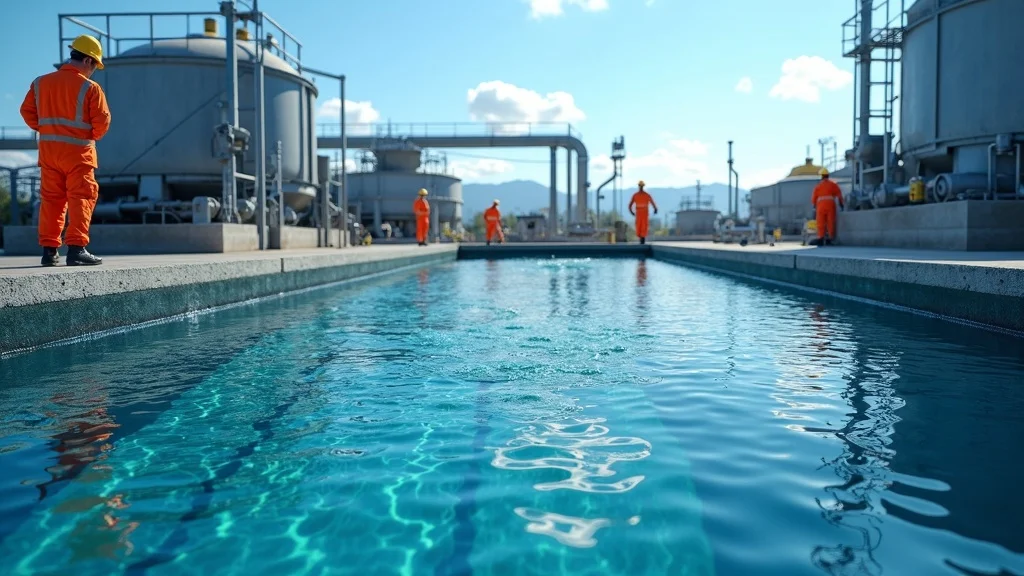
What You'll Learn About Surcharge Reduction Wastewater
- How surcharge reduction wastewater practices minimize operational costs
- The importance of wastewater treatment and effective treatment systems
- Key parameters like biological oxygen demand and oxygen demand
- Best practices to reduce waste and reduce wastewater fees
Understanding Surcharge Reduction Wastewater in the Food and Beverage Sector
The food and beverage industry faces unique challenges regarding proper wastewater treatment and surcharge management. Production processes often generate high volume waste streams rich in organic matter—raising BOD and TSS. These overwhelming loads quickly drive up treated discharge costs if not properly managed. Due to the complex blending of solids and liquids, food plants must prioritize robust wastewater management to avoid costly surcharges or operational stalls.
By upgrading existing wastewater treatment systems, monitoring key compliance metrics, and committing to best practices in waste minimization, food and beverage facilities can significantly reduce fees. Effective optimization not only supports environmental stewardship but also acts as a safeguard against surprise treatment plant penalties.
For facilities seeking actionable steps to optimize their wastewater processes, exploring targeted solutions such as those outlined in CSI Environmental Inc’s wastewater treatment strategies can provide practical guidance on system upgrades and compliance improvements.
How Food and Beverage Businesses Are Impacted by Surcharge Reduction Wastewater
Food and beverage producers operate in a landscape where regulatory compliance and cost efficiency are equally critical. Their reliance on water-intensive processes results in a continuous flow of byproduct-rich water, which rapidly accumulates BOD and suspended solids. When compliance slips, municipal treatment systems charge accordingly—sometimes on a sliding scale: the higher the BOD and TSS, the higher the per-unit surcharge. This can result in tens of thousands in additional costs yearly. In contrast, plants that keep their treatment facilities operating efficiently see greater predictability and lower overall bills.
Surcharge reduction isn't only about equipment—it's also about culture: ongoing staff training, setting up systematic monitoring routines, and rapid response protocols for process deviations. Training staff to understand the importance of each monitoring step in the wastewater treatment system ensures quicker detection of anomalies and a stronger compliance record.
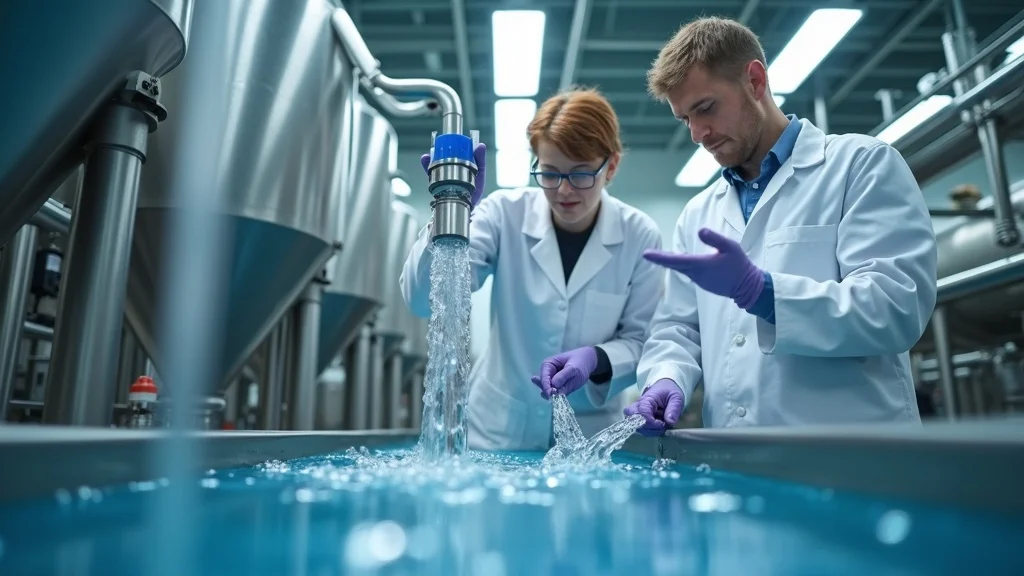
Essential Wastewater Treatment System Factors for Surcharge Reduction Wastewater
As facilities aim to reduce waste, several essential factors stand out in surcharge reduction wastewater strategies. First, investing in the right treatment system is non-negotiable. Whether using aerobic or anaerobic digesters, dissolved air flotation, or membrane bioreactor technologies, the goal remains the same: minimize organic load and suspended material prior to municipal discharge. Consistent system calibration keeps performance repeatable, ensuring BOD and total suspended solids are always within target ranges.
Moreover, ongoing asset maintenance—including regular inspection of pumps, screens, aeration, and filtration units—directly correlates to reduced treatment costs over time. Implementing digital water management is also gaining traction, allowing for real-time monitoring and dynamic process control. By prioritizing these system factors, food and beverage companies position themselves to minimize financial risk and avoid operational bottlenecks linked to compliance lapses.
Critical Elements of Wastewater Treatment and Surcharge Reduction Wastewater
An effective surcharge reduction wastewater plan depends on knowing exactly which parameters affect your facility’s fees—and how to control them. The most influential factors are biological oxygen demand (BOD), chemical oxygen demand (COD), and total suspended solids (TSS). Keeping these metrics within regulatory limits drives down both direct municipal surcharges and secondary costs like maintenance, equipment wear, and additional energy use. Proper documentation and digital tracking are essential for ongoing compliance and cost audits.
Site and plant managers should also stay abreast of evolving local regulations and adjust disinfectant or treatment additives accordingly. Partnering with water treatment experts to conduct quarterly or semiannual system reviews can reveal unanticipated inefficiencies—and, when addressed, unlock meaningful reduction in total waste and high volume treatment expenses.
| Parameter | Typical Source | Impact on Fees | Mitigation Strategies |
|---|---|---|---|
| Biological Oxygen Demand (BOD) | Organic-rich wastewater from food processing, cleaning | Directly increases surcharge fees; out-of-limit BOD triggers penalties | Optimize wastewater treatment systems, enforce source reduction, regular monitoring |
| Total Suspended Solids (TSS) | Food scraps, sediment, production residue | Higher TSS = higher treatment costs and sludge surcharges | Improved pre-screening, frequent filter cleaning, upstream waste minimization |
| Chemical Oxygen Demand (COD) | Cleaning chemicals, byproducts, fats & greases | Elevated COD increases overall surcharge and possible regulatory action | Substitute eco-friendly chemicals, maintain optimal pH, introduce advanced oxidation steps |
Top Causes of Elevated Surcharges in Wastewater Treatment
- High biological oxygen demand levels
- Improperly maintained treatment systems
- Excessive food and beverage byproducts
- Inadequate water treatment strategies
Each of these factors feeds directly into increased costs at the municipal treatment plant. Regularly evaluating these trends and system weaknesses can make a decisive difference in annual expenditure.

Wastewater Management Best Practices for Surcharge Reduction
Achieving sustained surcharge reduction wastewater success is all about best practices—actions that yield measurable, repeatable outcomes. Begin with a holistic approach: include system audits, water quality sampling, robust record-keeping, and continuous staff education. Smart wastewater management minimizes both direct surcharges and hidden operational risks, such as downtime or compliance enforcement.
Routine Assessment of Wastewater Treatment Systems
Routine assessments are non-negotiable for preventing surcharge spikes. Site managers should develop inspection schedules based on the manufacturer’s wastewater treatment system recommendations and local discharge limit requirements. Monitoring for early signs of malfunction—like odor changes, slower flow rates, or uneven filtration—can prevent full-scale breakdowns and the expensive treatment works interruptions that follow.
Digital monitoring solutions are now commonplace, providing real-time alerts when parameters like BOD, TSS, and pH levels drift near compliance thresholds. These systems drastically improve proactive maintenance while reducing paperwork and guesswork. Scheduling annual or semi-annual third-party compliance reviews adds an external layer of accountability, often catching inefficiencies internal teams may overlook.

Optimizing Food and Beverage Processing to Reduce Waste
Optimization requires collaboration between operations and maintenance crews. Reducing in-plant waste generation—such as slashing unnecessary rinse cycles or better segregating high-solids waste—can markedly lower downstream BOD and suspended solids. For food and beverage plants, switching to minimal water cleaning methods and enforcing intentional process shutdown and startup routines curbs the volume and concentration of total waste, stabilizing overall discharge.
Proactive staff training fosters a culture of accountability and process ownership. Employees who recognize the true cost of every gallon processed are more likely to champion process improvements and support compliance with wastewater management objectives.
Integrating Advanced Water Treatment Methods
Advanced water treatment technologies like membrane bioreactors, advanced oxidation processes, and real-time digital dosing systems offer new frontiers in surcharge reduction wastewater strategies. These innovations boost removal of organic material, lower oxygen demand, and provide granular control over effluent quality—ensuring total wastewater discharge is always within regulatory bands.
While the upfront cost of these technologies may seem daunting, the long-term reductions in treatment costs, surcharge fees, and avoided penalties often far outweigh initial investments. Integrating these systems into current operations promises a measurable return on compliance in the form of predictable, minimized monthly charges.
Reducing Waste: Strategies for Surcharge Reduction Wastewater
- Perform regular compliance checks
- Upgrade to efficient wastewater treatment systems
- Monitor oxygen demand and adapt processes to lower it
- Train staff on best practices to reduce wastewater and reduce waste
Facilities that take these steps consistently outpace peers in controlling both operational risks and ongoing treatment plant expenses.

Wastewater Treatment System Upgrades for Effective Surcharge Reduction Wastewater
System upgrades are often the fastest route to reliable compliance and meaningful savings. Determining the right solution involves assessing facility process flows, contamination types, and future capacity needs. Investing in modern, modular, and scalable wastewater treatment technology empowers sites to immediately adapt as discharge standards or production volumes shift.
Choosing the Right Treatment Systems for Your Facility
No two treatment solutions are exactly alike. Site managers must align their system's capacity with actual process demand, ensuring technology selected can handle anticipated influent BOD, TSS, COD, and flow peaks. Features like advanced SCADA integration, automated chemical dosing, and fail-safe bypasses add robustness to the compliance strategy. Working with expert partners guarantees your chosen system prioritizes both present requirements and future regulations.
Consider factors like ease of maintenance, support for ongoing system calibration, and the flexibility to add new modules or adapt to emerging compliance rules. The right decision here forms the backbone of your entire surcharge reduction wastewater program.
Enhancing Treatment System Maintenance Protocols
Maintenance remains the unsung hero of surcharge reduction. Frequency matters: quarterly all-system checks, biannual deep cleans, and consistent sensor recalibrations reduce the likelihood of sudden surcharges or fines from the owned treatment works. Documenting this maintenance provides an auditable trail for internal and external reviews—further demonstrating due diligence and compliance commitment.
Training operators to spot and quickly rectify anomalies in daily operations can prevent minor issues from cascading into major outages. Integrating predictive maintenance analytics reduces emergency callouts and lowers the risk of compliance breeches related to wastewater discharge.
Reducing Biological Oxygen Demand in Wastewater
BOD is the metric most closely tied to organic material in wastewater—hence, a direct surcharge driver. To lower BOD, prioritize source reduction: separate high-concentration waste streams for direct handling, avoid unnecessary washdowns, and introduce pre-treatment processes where needed. Enzyme dosing, pH control, and advanced aeration steps can all contribute to meaningful BOD declines.
Continuous monitoring of both BOD and total suspended solids metrics, coupled with rapid response to deviations, mathematically ensures lowest-possible surcharge payments and positions your operation as compliant and efficient in the eyes of publicly owned treatment works partners.
FAQs: Surcharge Reduction Wastewater for Facilities
What is Surcharge Reduction Wastewater and Why Is It Important?
Surcharge reduction wastewater refers to targeted practices, systems, and processes that minimize the surcharge fees levied by municipal treatment plants for high-strength effluent. These fees commonly relate to BOD, TSS, and other regulated parameters. Effective reduction is critical for compliance, operational savings, and maintaining positive standing with publicly owned treatment works.
How Can I Tell if My Treatment System Supports Surcharge Reduction Wastewater?
You’ll know your system is optimized for surcharge reduction if it consistently keeps BOD, TSS, and other metrics below local discharge thresholds. Look for digital logs showing trending compliance, routine third-party audits, and the absence of unexpected surcharge spikes on your utility bills. If you lack these, consider scheduling a compliance assessment.
Which Metrics Should Be Tracked for Optimal Surcharge Reduction?
Track biological oxygen demand (BOD), total suspended solids (TSS), pH, oxygen demand (COD), and flow rate. Digital water quality sensors and automatic logs built into modern treatment systems support quick, reliable reporting and help validate internal and regulatory compliance.
People Also Ask About Surcharge Reduction Wastewater
How do food and beverage businesses lower surcharge reduction wastewater costs?
Food and beverage companies can lower surcharge reduction wastewater costs by installing advanced treatment systems, regularly monitoring key parameters such as biological oxygen demand, and maintaining staff training programs to ensure all waste management compliance is met.
Why is oxygen demand significant in surcharge reduction wastewater?
Oxygen demand, particularly biological oxygen demand, reflects the amount of organic material in wastewater; reducing this parameter is key for lowering surcharge fees and optimizing wastewater treatment efficiency.
Key Takeaways for Surcharge Reduction Wastewater
- Regular assessment and optimization of wastewater treatment systems are vital for surcharge reduction wastewater success.
- Companies should focus on reducing biological oxygen demand and other surcharge indicators.
- Staying compliant not only reduces bills but mitigates operational risks.
Conclusion: Next Steps for Site Managers and Facilities
“A proactive review of your surcharge reduction wastewater strategy can mean the difference between costly penalties and cost savings.”
Focus on informed treatment system upgrades, routine assessment, and continued staff training—then watch as compliance translates directly into cost control and a stronger bottom line.

If you’re ready to take your facility’s wastewater management to the next level, consider broadening your approach with a comprehensive environmental strategy. By integrating advanced solutions and staying ahead of regulatory changes, you can future-proof your operations and drive even greater efficiencies. For a deeper dive into holistic environmental services and innovative compliance support, explore the expertise and resources available at CSI Environmental Inc. Their industry insights can help you unlock new opportunities for sustainability, risk reduction, and long-term cost savings.
Schedule a Compliance Assessment & Get Your Water Disinfection Systems
Our experts at Chem-Serv, Inc. specialize in helping site managers, plant managers, and EHS leaders take the guesswork out of compliance. Take control of your surcharge reduction wastewater plans, boost cost savings, and ensure worry-free operations. CALL US (800) 690-2436 or EMAIL US CSI-team@chem-serv.com today to schedule a comprehensive assessment and receive the industry’s top-rated water disinfection solutions.
Sources
- EPA – NPDES Industrial Wastewater
- Water.org – Sanitation and Industrial Wastewater
- Water Online – 5 Ways to Reduce Your Wastewater Surcharges
- BBN Times – Food & Beverage Industry and Wastewater Treatment
- Chem-Serv, Inc. – Wastewater Treatment Solutions
To further enhance your understanding of wastewater surcharge reduction strategies, consider exploring the following resources:
-
The City of Fargo’s Industrial Pretreatment Surcharge Program outlines how businesses can manage and reduce surcharges by adhering to established pollutant limits and implementing effective pretreatment practices. (fargond.gov)
-
The City of Round Rock’s Surcharge and Grease Program provides insights into reducing excess solids and oxygen-demanding substances in wastewater, emphasizing the importance of proper grease trap maintenance and waste minimization techniques. (roundrocktexas.gov)
By delving into these resources, you can gain practical knowledge on implementing effective surcharge reduction strategies tailored to your facility’s needs.



Write A Comment