


Did you know that over 90% of meat processing plants are at risk of expensive wastewater violations within the next three years? If you’re not taking proactive steps, your plant could face steep fines, operational shutdowns, and long-term reputational damage
Shocking Realities: The State of Meat Processing Wastewater Systems Today
Meat processing plants are under growing scrutiny from environmental agencies as wastewater treatment systems struggle to keep up with regulatory demands. Failing to update or properly maintain your meat processing wastewater systems can lead not only to violations but to costly production slowdowns or plant closures. Facilities dealing with high levels of total suspended solids, fats, oils, grease, and organic loading (high BOD and COD) are at the mercy of increasingly strict discharge regulations. This means every plant manager and EHS leader must establish a reliable, updated treatment plan—or put their business at serious risk.
Modern wastewater treatment systems face unique challenges. Unlike municipal or general industrial wastewater, processing waste from meat plants contains a complex blend of solids, proteins, and fats that standard systems can’t easily handle. As environmental rules tighten, plants that ignore these differences or fail to invest in tailored solutions find themselves facing steeper fines and heightened oversight. Fortunately, addressing these issues upfront transforms compliance from a liability to a competitive advantage.
"Over 90% of meat processing plants will face costly wastewater violations in the next three years without proactive intervention." – Steve Manii, CSI Environmental
What You'll Learn About Meat Processing Wastewater Systems
- How meat processing wastewater systems affect your plant’s compliance and costs
- Common pitfalls that risk regulatory fines and shutdowns
- Best-in-class wastewater treatment system options specific to meat processors
- Actionable steps to upgrade meat processing plant wastewater management for efficiency and safety
Understanding Meat Processing Wastewater Systems: Key Components and Compliance Challenges
What Makes Meat Processing Wastewater Systems Unique?
Unlike other industrial facilities, meat processing plants generate processing wastewater loaded with proteins, fats, and suspended solids. This makes their wastewater stream highly variable and often more challenging than typical municipal or light industrial streams. What sets these systems apart is the complexity of the contaminants: not only must the treatment system remove total suspended solids and fats, but it must also break down organic matter (measured as BOD and COD), which requires robust treatment technologies. Plants processing red meat or poultry typically encounter higher levels of oils and grease, leading to more frequent system fouling and increased operational hassle.
What’s more, the fluctuating flow and waste loads—caused by peak production or cleaning cycles—demand resilient wastewater treatment systems that can quickly adjust to surges. For meat processors, system downtime or compliance lapses can mean production shutdowns, loss of product, and huge regulatory fines, making effective processing wastewater management mission-critical.
To further understand how advanced treatment technologies can be tailored to your facility’s unique needs, explore the solutions and expertise offered by CSI Environmental Inc, which specializes in optimizing industrial wastewater systems for compliance and efficiency.
Core Regulations Impacting Meat Processing Wastewater Systems
Federal, state, and local rules play a central role in how meat processing facilities must treat and discharge their processing wastewater. The U.S. EPA strictly regulates BOD, COD, TSS (total suspended solids), pH, and fats, oils, and grease (FOG) under effluent guidelines for meat and poultry processing. Many local authorities add even tougher restrictions—significantly increasing compliance pressure.
For instance, failing to meet discharge limits on BOD, COD, or TSS can lead to hefty penalties. Plus, violations can trigger mandatory plant upgrades and persistent on-site inspections. As a result, staying up to date on all the latest requirements and proactively adapting your wastewater treatment system is no longer optional—it’s essential for continued plant operations.
Common Compliance Risks for Meat Processing Waste Facilities
The result? Unexpected system failures, non-compliance, and surprise penalties
Beyond fines, these risks often manifest as permit violations, strained relationships with regulators, and escalating maintenance costs. Automated data logging and regular system assessments can help identify and fix these issues before they snowball into major liabilities.

How Wastewater Treatment Works in Meat Processing Facilities
Overview of Water Treatment and Wastewater Treatment Systems
The heart of meat processing wastewater systems is a robust wastewater treatment system that can handle both high-strength and variable loads. The modern facility typically deploys a multi-stage process: initial screening for large debris, dissolved air flotation (DAF) for fats, oils, and grease (FOG), biological treatment for organic contaminants, and final polishing for regulations compliance. Each stage is optimized for removing specific threats—like total suspended solids and high oxygen demand.
This layered approach is critical in meeting both throughput and discharge targets. The right treatment system helps protect downstream processes, reduces maintenance, and lowers operating costs. But, because processing waste can vary by shift, it’s vital that systems are sized and maintained to handle worst-case loads. Emerging technologies now let meat processors automate real-time monitoring, flagging compliance issues before they become expensive crises.
Stages: From Processing Waste to Effluent
- Screening and removal of total suspended solids
- Dissolved air flotation (DAF) for fats, oils, and grease
- Biological treatment for high biochemical oxygen demand (BOD) and chemical oxygen demand (COD)
- Final polishing for discharge compliance
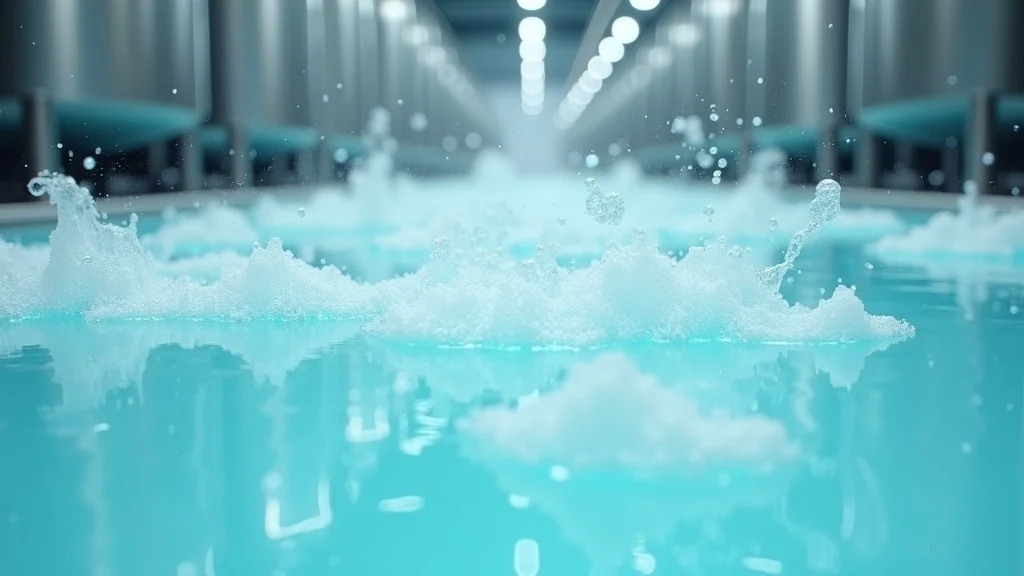
Let’s take a closer look at these stages. After initial screening, DAF systems inject microbubbles—capturing FOG and suspended solids so they can be skimmed away. The next stage is often biological treatment, where microbes break down organic matter, reducing oxygen demand to meet permitting thresholds. The final polishing step uses filtration or chemical addition to hit stringent discharge parameters. Each of these steps is critical: if even one underperforms, your plant risks fines.
| System Type | Target Contaminants | Strengths | Common Limitations |
|---|---|---|---|
| Screening & Sedimentation | Large debris, solids | Low cost, easy maintenance | Does not address dissolved contaminants (BOD, FOG) |
| Dissolved Air Flotation (DAF) | FOG, suspended solids | Highly effective for meat processors, reduces loading on biological stage | Requires chemical additives; sensitive to pH and flow dynamics |
| Biological Treatment (MBR/Activated Sludge) | BOD, COD | Excellent for organics removal, adaptable to variable loads | Higher operational complexity; may require expert oversight |
| Filtration & Polishing | Fine particulates, residual BOD/COD | Ensures compliance; final safeguard before discharge | Maintenance intensive; can clog if upstream failures occur |
The Cost of Non-Compliance with Meat Processing Wastewater Systems
Fines, Shutdowns, and Long-Term Damage
Falling behind on wastewater treatment system compliance isn’t just risky—it’s expensive. Many meat processing plants learn the hard way that one overlooked violation can trigger daily penalties, forced operational halts, costly capital upgrades, and scrutiny from customers and regulators. Over time, a single untreated compliance issue can inflict damage far exceeding the cost of modernizing your processing wastewater system.
For plant managers and EHS leaders, the risks of inaction accumulate quickly. Reputational harm, strained supply chains, and tighter credit from insurers follow frequent violations. Progressive meat processors are therefore investing in real-time automated monitoring, frequent system assessments, and partnership with compliance specialists like CSI Environmental to limit these risks for good.
"A single violation can cost processors more than an entire year’s worth of proactive upgrades." – Steve Manii, CSI Environmental

Critical Issues Facing Meat Processing Wastewater Systems
High Total Suspended Solids (TSS)
One of the most persistent challenges in meat processing wastewater systems is managing high total suspended solids. Meat trimming, washing, and cleaning operations all add large amounts of organic and inorganic particulates to the wastewater stream. When solids are not efficiently removed during the initial screens or dissolved air flotation stage, they burden downstream biological treatment, cause plugging, and raise discharge violations. If these solids bypass your system, regulators may quickly move to issue fines.
Routine monitoring and improved mechanical screening or upgrading DAF units are the best ways to tackle this risk. In modern facilities, removing even an extra 20% of total suspended solids can mean the difference between compliance and shutdown.
Excessive BOD and COD
High biochemical oxygen demand (BOD) and chemical oxygen demand (COD) signal to regulators that a plant is discharging excessive organic material—depleting oxygen in natural waters and harming aquatic life. Meat processors must have robust biological treatment and post-DAF polishing to bring these numbers down. When BOD or COD spikes, it often points to overwhelmed microbes, poor system tuning, or improper pre-treatment.
Upgrading to advanced treatment systems and using automated monitoring helps detect and correct these spikes in real time. A plant that reacts quickly to high BOD/COD events can avert violations and costly emergency cleanups.
Grease, Fats, and Protein Build-up
Grease, fats, and proteins are byproducts of nearly every step in meat processing. If not promptly removed, they accumulate in pipes, tanks, and bio-reactors, causing foul odors, equipment failures, and permit violations. Dissolved air flotation systems are the industry gold standard for extracting these materials, but they must be properly sized, chemically tuned, and regularly maintained.
Investing in the right DAF technology and routine maintenance not only prevents plant upsets—it also reduces secondary risks like biological upset, higher oxygen demand in effluent, and increased operational cost.
Equipment Reliability in Processing Wastewater
The best-designed wastewater treatment system won't deliver results if pumps, sensors, or key process steps fail. As meat processing workflows accelerate and shift patterns vary, even minor equipment problems can cause regulatory breaches. Preventative maintenance, critical spare parts inventory, and real-time alarms for underperforming components help avoid the kind of cascading system failure that leads to both fines and production stoppage.
Solutions now exist for automating checks, logging performance data, and enabling predictive maintenance that supports uninterrupted compliance.
Innovative Solutions for Modern Meat Processing Wastewater Systems
Advances in Dissolved Air Flotation (DAF) and Air Flotation Systems
Today’s dissolved air flotation systems are engineered with greater efficiency, lower chemical use, and maximum uptime for meat processors. Enhanced bubble generation, adjustable flow paths, and AI-driven dosing hold the key to removing higher percentages of fat, oil, and suspended solids—even during challenging production peaks. By continuously monitoring influent properties and adjusting operations, modern DAF installations reduce both chemical expenses and regulatory worry.
These improvements often pay for themselves rapidly by decreasing sludge hauling, reducing maintenance on downstream biological treatment equipment, and keeping plants consistently in compliance.
New Biological Treatment Processes for Processing Wastewater
Membrane bioreactors (MBR) and advanced sequencing batch reactors (SBR) are emerging as frontrunners in the meat processing wastewater systems world. Unlike conventional activated sludge, these systems treat high-strength, variable streams with greater resilience and require less operator intervention. Cutting-edge biological units introduce specific microbes tailored to degrade proteins and fats—slashing BOD and COD before the final discharge step.
By deploying these new biological solutions, meat processing plants benefit from tighter control over effluent quality and increased capacity to absorb production spikes without risking fines.
Automated Monitoring to Prevent Compliance Gaps
Real-time sensor networks now give meat processors and plant managers instant feedback on oxygen demand, total suspended solids, and crucial pH and flow data. Automated systems log performance, alert operators to risks, and generate compliance-ready reports with minimal human input. By flagging anomalies fast, you shift from reactive to proactive management—reducing operational cost and improving peace of mind.
CSI Environmental specializes in integrating these smart tools to deliver compliance and cost savings as a unified package.
Case Study: How CSI Environmental Solved Critical Issues for Leading Meat Processing Plants
The result? 98% reduction in effluent violations, 25% drop in chemical costs, and full discharge compliance for every quarter reported since
This type of targeted expertise, paired with modern technology, is why industry leaders now trust CSI Environmental for end-to-end wastewater solutions.
Step-by-Step Improvement Plan for Meat Processing Wastewater Systems
- Audit your current meat processing wastewater treatment system
- Identify main sources of processing waste and high-strength load
- Implement or upgrade dissolved air flotation and biological treatment
- Monitor total suspended solids and BOD/COD using automated systems
- Partner with a trusted expert like CSI Environmental for ongoing optimization
Following these prioritized steps can quickly move your operation from hardship to best-in-class efficiency and lasting regulatory compliance.

People Also Ask About Meat Processing Wastewater Systems
What are the main challenges in treating meat processing wastewater?
Answer: Meat processors face challenges such as high organic loading, fats/oils/grease management, solids removal, stringent discharge limits on COD/BOD/TSS, and equipment fouling in their wastewater treatment systems.
Why is dissolved air flotation used in meat processing wastewater systems?
Answer: Dissolved air flotation is highly effective in removing suspended solids, fats, oils, and greases from processing waste streams, making it a pivotal treatment stage for meat processing facilities to meet wastewater compliance.
How can meat processing plants reduce wastewater treatment costs?
Answer: Plants can reduce costs by optimizing their treatment systems for efficiency, recovering and reusing water, automating monitoring, and working with compliance-focused partners such as CSI Environmental to identify cost-saving opportunities.
Which regulations govern meat processing wastewater systems?
Answer: Facilities must comply with federal EPA effluent guidelines as well as local and state water treatment regulations, focusing on BOD, COD, TSS, FOG, and pH limits in their processing wastewater.
Essential Best Practices for Maintaining Meat Processing Wastewater Systems
- Routine inspections and preventative maintenance
- Automated data logging for oxygen demand, pH, and solids
- Training staff on updated compliance protocols
- Establishing emergency protocols for accidental discharges
Applying these best practices ensures long-term uptime and regulatory compliance in any meat processing plant.

Enhance Your Plant’s Compliance with a Professional Wastewater Assessment
"Regular system assessments are the single most effective way to reduce regulatory risk and maintenance costs." – Steve Manii, CSI Environmental
Engage in scheduled professional assessments to catch inefficiencies, uncover compliance blind spots, and implement the latest solutions—before your regulator does.
Meat Processing Wastewater Systems: Frequently Asked Questions
What is the ideal wastewater treatment system for meat processing plants?
Answer: An integrated system combining screening, dissolved air flotation, biological treatment, and advanced filtration is best for most meat processors.
How often should wastewater treatment performance be monitored?
Answer: Daily or continuous monitoring is recommended to detect issues like increased total suspended solids or oxygen demand early.
How can CSI Environmental help optimize wastewater systems?
Answer: CSI Environmental provides comprehensive assessments, expert consultation, and proven solutions led by Steve Manii to optimize compliance and cost efficiency in meat processing plant wastewater systems.
Key Takeaways for Plant Managers on Meat Processing Wastewater Systems
- Non-compliance in waste treatment can lead to fines and reputational harm
- Modern processing wastewater systems involve DAF and biological steps
- Proactive system assessment detects risks and yields major cost-savings
Next Steps: Schedule Your Complimentary Wastewater System Assessment
"Don’t wait for a costly violation—get the clarity and peace of mind you need for your plant. Schedule a complimentary assessment with CSI Environmental today."
Get a complimentary wastewater system assessment that includes:
- ✅ Analysis of current TSS, COD, BOD, and pH levels
- ✅ Identification of compliance risks before they become violations
- ✅ Cost-saving opportunities based on proven results
- ✅ Clear ROI projections for any recommendation
Get a A complimentary wastewater system assessment that includes: ✅ Analysis of current TSS, COD, BOD, and pH levels ✅ Identification of compliance risks before they become violations ✅ Cost-saving opportunities based on proven results ✅ Clear ROI projections for any recommendation | (626) 608-7603
Conclusion: Move Your Meat Processing Plant from Compliance Risk to Peace of Mind
Proactively optimizing your meat processing wastewater systems is the surest path to safeguarding plant profitability, compliance, and long-term reputation. Take action and partner with trusted experts to stay ahead of tomorrow’s challenges today.
If you’re ready to take your facility’s environmental performance to the next level, consider exploring the full range of industrial and environmental solutions available from CSI Environmental Inc. Their expertise extends beyond wastewater, offering comprehensive strategies for air, water, and soil compliance that can future-proof your operations. By leveraging integrated environmental management, you can unlock new efficiencies, reduce risk across your entire plant, and position your business as a leader in sustainable processing. Discover how a holistic approach to compliance and innovation can transform your plant’s bottom line and reputation for years to come.
Sources
- EPA: Meat and Poultry Products Effluent Guidelines – https://www.epa.gov/eg/meat-and-poultry-products-effluent-guidelines
- WaterWorld: Treating Wastewater in the Meat Processing Industry – https://www.waterworld.com/wastewater/industrial/article/16202454/treating-wastewater-in-the-meat-processing-industry
- CSI Environmental – https://www.csienvironmental.com
To enhance your understanding of meat processing wastewater systems and their management, consider exploring the following resources:
-
“Managing Nutrients in Meat Industry Wastewater”: This article delves into advanced technologies for removing and recovering nitrogen and phosphorus from meat processing wastewater, addressing environmental concerns associated with nutrient discharge. (fluencecorp.com)
-
“Meat Processing Wastewater”: This case study highlights the implementation of BioGill® bioreactors in a meat processing facility, showcasing significant odor reduction and over 85% COD reduction, leading to compliance with local water regulations. (biogill.com)
These resources provide valuable insights into effective wastewater treatment strategies and technologies tailored for the meat processing industry.


Write A Comment