Add Row
Add Element
cropper
update
{COMPANY_NAME}
CSI Environmental Corp
update
Add Element
update

CALL US

(800) 690-2436

Add Element
update

EMAIL US

CSI-team@chem-serv.com

Add Element
update

WORKING HOURS

Monday - Friday  8 AM - 5 PM

Add Element

Add Element
  • Home
  • Categories
    • Tech Advances
    • Regulatory News
    • Sustainability
    • Case Studies
    • Expert Interviews
    • Cost Efficiency
    • Safety Protocols
  • Services
Add Element
  • update
  • update
  • update
  • LinkedIn
    update
  • update
  • update
  • update
June 10.2025
14 Minutes Read

Dissolved Air Flotation (DAF) Process: Boost Your Water Treatment Now


Did you know? The Dissolved Air Flotation (DAF) process can remove up to 90% of suspended solids in municipal water treatment—redefining industry standards for clean water. With water quality challenges on the rise, modern solutions like the DAF process are not just beneficial—they’re essential for industrial and municipal water treatment success. Whether you’re seeking to optimize a treatment plant or ensure safe drinking water, understanding how DAF works will put you ahead of the curve.

Revealing the Untold Impact of the Dissolved Air Flotation (DAF) Process in Water Treatment

The Dissolved Air Flotation (DAF) process stands at the forefront of cutting-edge water treatment technology, efficiently addressing the toughest contaminants in today’s water streams. By leveraging the power of microbubbles , DAF units consistently outperform traditional sedimentation and clarification methods. Imagine having the ability to remove oils, grease, and even the smallest suspended solids with precision—and all at an impressive throughput. In both municipal and industrial settings, adopting the DAF process is about more than compliance: it’s about redefining water quality, protecting the environment, and supporting robust public health initiatives.

From reducing organic contaminants to ensuring wastewater treatment plants meet stringent regulations, the DAF process delivers reliability, cost-savings, and sustainability. Results are immediate: clearer water, less sludge, and a dramatic drop in hazardous pollutants. If you’ve yet to explore the lasting benefits of the DAF system, now is the time—today’s environmental challenges demand the science and scalability DAF brings to every water treatment process .

  • Understand what the Dissolved Air Flotation (DAF) process is and how it works

  • Explore key benefits of the Dissolved Air Flotation (DAF) process for water and wastewater treatment

  • Learn about DAF units, DAF systems, and key operational considerations such as flow rate and suspended solids removal

  • Examine how the DAF process compares to alternative air flotation technologies

  • Discover real-world industrial and municipal applications of dissolved air flotation

  • Get answers to the most frequently asked questions on the Dissolved Air Flotation (DAF) process

"Did you know? The Dissolved Air Flotation (DAF) process can remove up to 90% of suspended solids in municipal water treatment—redefining industry standards for clean water."

How the Dissolved Air Flotation (DAF) Process Works: A Deep Dive Into Air Flotation Principles

Understanding the dissolved air flotation (DAF) process starts with the simple principle of density manipulation: leveraging tiny bubbles of pressurized air to separate contaminants from water. In practical terms, the DAF system injects pressurized air into a recycled water stream, creating millions of microbubbles that attach to suspended particles, fats, oils, and grease. As these bubbles float upward, they force contaminants to rise to the surface of the water, forming a layer of sludge ready to be removed by a skimming device . This stage is crucial for achieving a highly clarified effluent with minimal chemical input compared to alternative processes.

But what about handling fluctuating contaminant loads or changing flow rates? DAF systems are engineered to accommodate variability by adjusting dissolved air delivery and optimizing the air to solids contact time. With customizable flow rates and robust tank design, a DAF unit can seamlessly integrate into new or retrofitted water treatment plants. The outcome: consistently superior removal of suspended solids and organic matter, making DAF a preferred treatment process for complex water and wastewater treatment challenges.

Step-by-Step Mechanics of the DAF Process: Dissolved Air and Water Separation

  • Introduction to pressurization and release of dissolved air

  • The role of microbubbles in separating suspended solids

  • Clarification of the water stream and collection of floating sludge
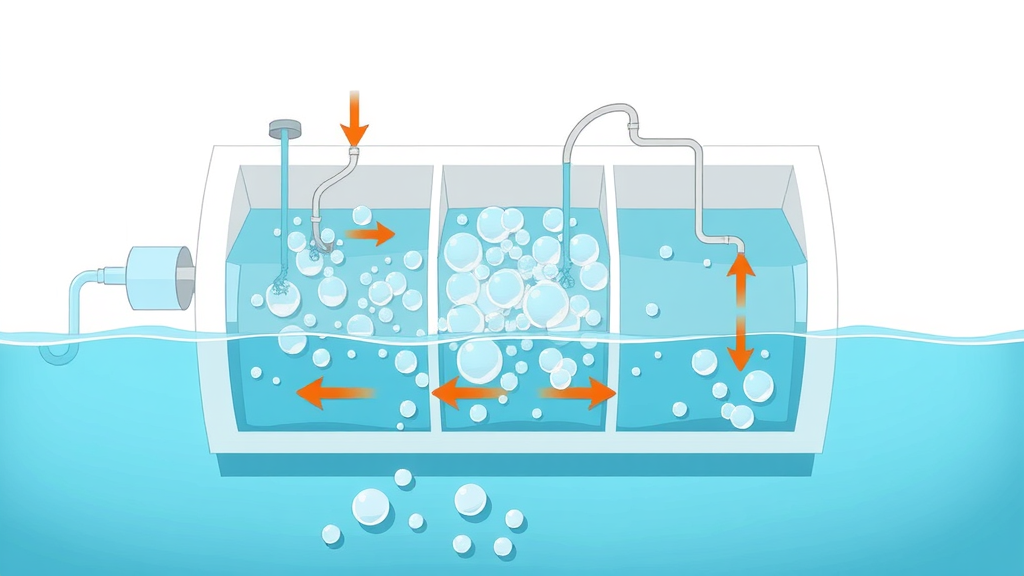

The DAF process begins by saturating a portion of the clean water output with compressed air under high pressure in a separate, dedicated tank. This pressurized mixture is then injected back into the main flotation tank , where sudden release to atmospheric pressure allows dissolved air to come out of solution, forming millions of air bubbles just microns in size. These tiny bubbles are essential; as they travel through the incoming water stream , they quickly adhere to suspended solids , oils, and grease. The buoyant force causes these contaminants to rise to the surface of the water—hence the term "air flotation."

Once at the top, the resulting sludge blanket is systematically removed by a skimming device (mechanical or hydraulic). Beneath, the clarified water is collected as effluent, ready for additional treatment or discharge. The integration of pressurized air and microbubble technology is what distinguishes DAF from simpler sedimentation: the efficiency of lifting even fine particles, and the reliability in varying water or wastewater conditions.

Key Components of a DAF Unit: From Inlet Chamber to Sludge Hopper

  • DAF tank design and flow rates

  • Mixing zone: optimizing air to solids contact

  • Surface scraper and collection mechanisms

A well-designed DAF unit contains several critical parts, starting with the inlet chamber —where influent water is evenly distributed and gently introduced into the system. The real efficiency gains come next: in the mixing zone , dissolved air combines vigorously with influent to maximize contact between microbubbles and contaminants. Careful control of velocity and turbulence ensures efficient collisions without breaking up flocs .

The treated water flows through the main tank where microbubbles attach to solids, lifting them to the top. At the surface, a skimming device or surface scraper moves the thickened layer of sludge into a collection hopper. Below the flotation zone, a series of baffles guide the clarified water toward discharge, while heavy grit may settle and be removed separately. The tank’s overall design and flow rate flexibility make modern DAF systems adaptable to everything from small portable setups to massive municipal installations.

Comparison of DAF System Components and Functions

Component

Function

Contribution to DAF Process

Inlet Chamber

Distributes influent water evenly

Reduces turbulence, improves particle-bubble contact

Pressurization System

Saturates recirculated water with dissolved air

Ensures a robust supply of microbubbles

Mixing Zone

Merges air-saturated water with influent

Maximizes solid-bubble adherence, boosts separation

Flotation Tank

Allows particles to float to the water surface

Provides retention time, ensures effective clarification

Surface Scraper

Mechanically removes floating sludge

Continuous solids removal, prevents recontamination

Sludge Hopper

Holds collected sludge before handling/disposal

Enables easy, hygienic waste management

Effluent Collection

Channels clarified water for reuse or discharge

Delivers high-quality effluent ready for downstream processes

Critical Applications of the Dissolved Air Flotation (DAF) Process in Wastewater Treatment
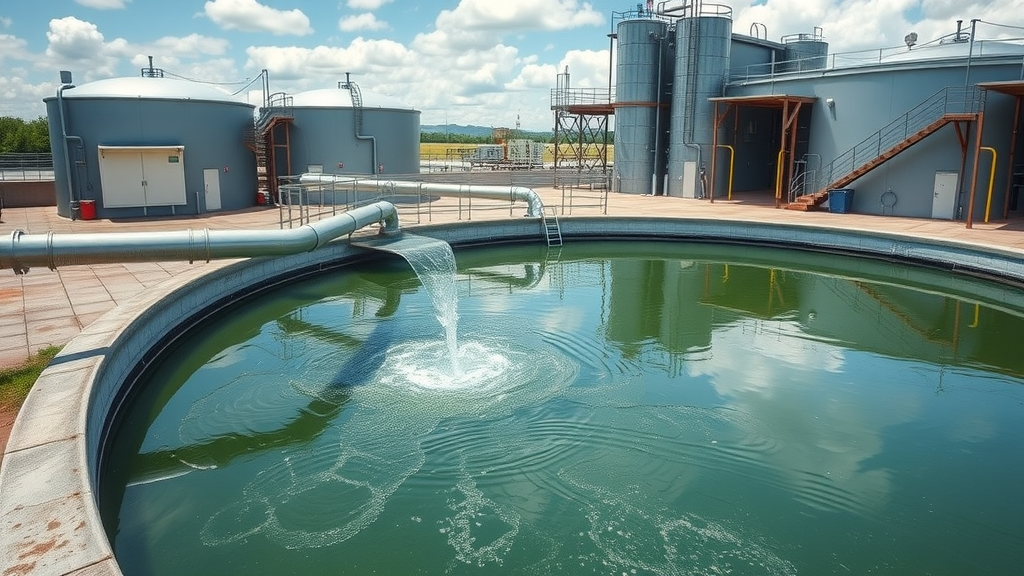

The dissolved air flotation (DAF) process has redefined the landscape of wastewater treatment by providing unparalleled efficiency in the removal of persistent contaminants. In industrial settings, DAF systems tackle complex waste streams laden with oils, fats, and heavy organic loads—common in food processing, petrochemical, and pulp and paper plants. By removing these compounds early in the treatment process, facilities not only reduce chemical consumption but also prolong the service life of downstream systems and minimize environmental impact.

With municipal water utilities, DAF delivers a powerful pre-treatment solution for drinking water plants and secondary clarification. Municipal DAF installations can easily handle fluctuating flows and rising contaminant loads due to population growth or industrial discharge surges. The logic is simple: by lifting and isolating contaminants at the very start, the entire treatment system performs better, with improved reliability and lower operational costs. Successful case studies demonstrate how DAF technology has revolutionized industrial wastewater re-use projects and advanced public health protection worldwide.

Wastewater Treatment: Harnessing the Power of DAF Systems for Industrial and Municipal Use

  • Addressing challenging industrial waste including oil and grease removal

  • Municipal wastewater treatment advances: from pre-treatment to effluent polishing

  • Case studies: DAF process efficiency for drinking water and industrial wastewater projects

Industrial operations such as meat processing and oil refineries face stubborn challenges—oily residues, emulsified fats, and difficult-to-settle suspended matter . Here, DAF units shine by using tiny bubbles to agglomerate and float these impurities, whereas conventional sedimentation would fail. By removing these substances with a DAF system , plants prevent downstream clogs, lower chemical dosing, and drastically reduce sludge hauling costs. In municipal plants, DAF optimizes both pre-treatment (as a buffer to protect biological processes) and post-treatment (polishing effluent to ultra-low turbidity), securing consistently high drinking water quality.

Case studies across North America and Europe have spotlighted impressive metrics: over 90% suspended solids removal, 80% oils and grease elimination, and compliance with even the strictest discharge limits. These real-world results demonstrate that DAF is not a luxury—it's a necessity for modern, resilient wastewater treatment .

Suspended Solids and Turbidity: Optimizing DAF for Complex Water Streams

  • Managing variability in suspended solids concentration

  • Adapting DAF systems for fluctuating flow rates and quality assurance

In environments where suspended solids and turbidity levels fluctuate, a well-designed DAF system adapts in real-time to ensure compliance. Rapid industrial discharge, rain events, or accidental contamination require flexible treatment. Operators routinely adjust flow rates and chemical dosages, fine-tuning the daf unit for optimal performance regardless of changing influent quality. The process involves careful monitoring of incoming water stream parameters and modulating dissolved air saturation for maximum efficiency.

Advanced automation now makes it possible to handle variable water chemistry and solid concentrations without operator intervention. With remote sensors and AI-driven analytics, DAF systems can proactively adapt, maintain target suspended solids removal, and consistently produce clarified water .

DAF Systems Design: Customizing the Dissolved Air Flotation Process for Diverse Applications

DAF Unit Sizing and Flow Rate Considerations in Water Treatment Plants

  • Calculating optimal flow rates for treatment efficiency

  • Scalable DAF systems: portable vs. fixed installations


Choosing the right DAF system begins with accurately predicting your plant’s operational flow rate —the volume of water stream requiring treatment each day. Underestimating flow rates may result in system overloads, while overestimating can lead to overspending and underutilization. A typical daf unit is designed for specific influent loads, throughput, and removal targets. Engineers take into account peak, average, and future projected flows as well as the composition of suspended matter to size tanks, pumps, and air-saturation systems for continuous efficiency.

Facilities with space constraints or evolving needs can opt for modular, portable DAF solutions that scale as requirements change. Fixed installations favor high-volume centralized facilities, while portable DAFs support on-demand, decentralized, and pilot applications in remote locations. Both configurations deliver cost-effective, reliable dissolved air flotation regardless of project size.

Integration of DAF Process with Existing Water Treatment Systems

  • Supplementing conventional clarification and filtration processes

  • Hybrid DAF systems for enhanced contaminant removal

While a DAF system operates as a robust standalone solution, its greatest potential emerges when integrated into multi-stage water treatment architectures. In older plants, retrofitting DAF units as pre-clarifiers protects sensitive biological treatment stages and enhances filtration lifespan. Hybrid setups that combine DAF with advanced oxidation or membrane filtration yield drinking water and industrial effluent with next-level purity, even from sources historically deemed too challenging to treat.

Integration is seamless—DAF units can operate at different points within the treatment process , providing redundancy, emergency bypass, or specialty polishing on demand. This flexibility allows operators to adapt to emergencies, regulatory changes, and process innovations without large-scale infrastructure overhaul.

Comparing Dissolved Air Flotation vs. Other Air Flotation Methods
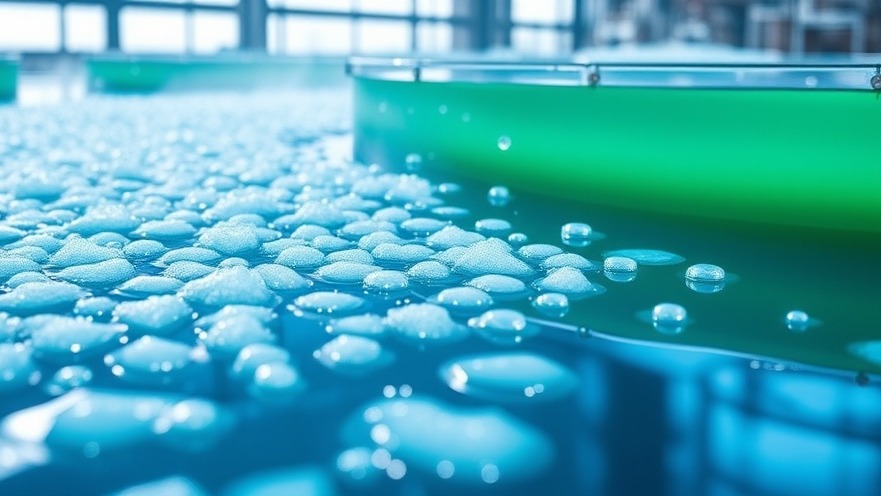

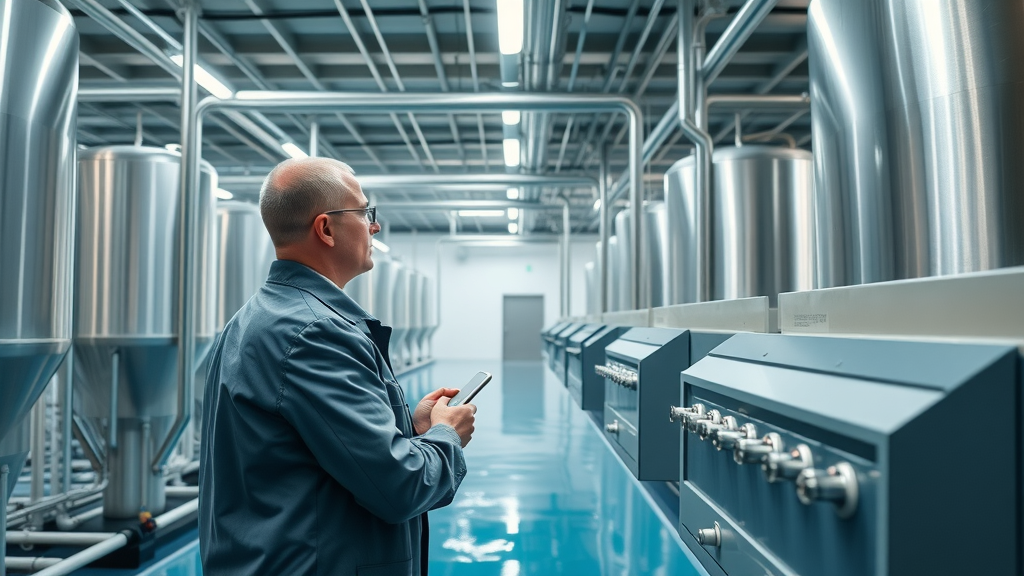
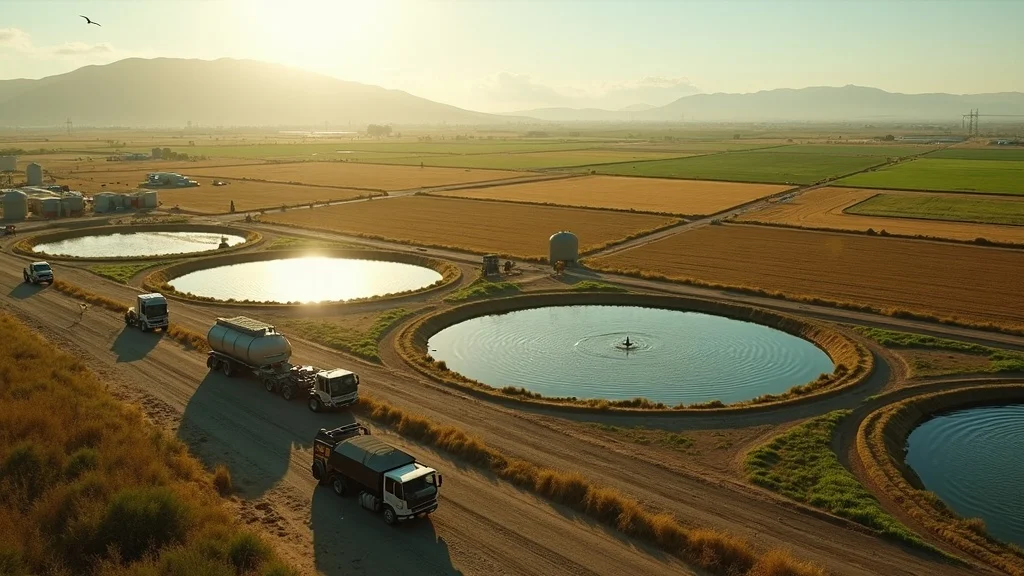
Modern water treatment facility featuring dissolved air flotation process with vibrant blue and green colors.

Dissolved Air Flotation vs. Suspended Air Flotation (SAF): What Sets Them Apart?

To select the right air flotation process, it’s essential to compare the leading alternatives— Dissolved Air Flotation (DAF) and Suspended Air Flotation (SAF) . While both techniques employ air bubbles to separate suspended solids from the water stream , their mechanisms and performance diverge sharply. In DAF, air is dissolved into water under high pressure, forming microbubbles when pressure is released. These microbubbles are exceptionally effective at binding with tiny, lightweight contaminants and lifting them to the surface.

In contrast, Suspended Air Flotation (SAF) systems inject air into water without pressurization. The resulting bubbles are typically larger—less effective at capturing fine particles and may require longer retention in the flotation tank . For fine suspended solids and oily contaminants common in industrial wastewater , DAF units deliver faster, more efficient removal. SAF systems, by offering simplicity and ease of operation, may suffice for less rigorous needs.

Comparison Table: DAF vs. SAF in Wastewater Treatment Performance

Parameter

DAF

SAF

Air Bubble Size

Small (20-50 micron microbubbles)

Larger (100-300 micron bubbles)

Pressurization

Requires high-pressure saturation

Works at atmospheric pressure

Particle Removal Efficiency

Very high, even for fine particles

Lower for fine particles, better for larger solids

System Complexity

Moderate to advanced

Simpler, fewer components

Scalability

Highly scalable for industrial/municipal

Suited for small to mid-sized plants

Typical Applications

Municipal, industrial, oily wastewater

Small-scale solids, low-complexity waste

Efficiency, Cost, and Scalability: Making the Right Air Flotation Choice

In evaluating air flotation methods, it’s clear that the DAF process is unmatched in efficiency when the goal is to remove high concentrations of suspended solids , oils, or greases, particularly in challenging industrial waste or hazardous municipal streams. DAF units achieve higher throughput with less footprint than SAF, translating into better ROI for large-scale operations. That said, SAF systems may provide a cost-effective, easy-to-operate solution for facilities processing mostly coarse material, with limited space or budget for advanced pressurization systems.

Scalability is another deciding factor. DAF’s modularity and automation make it adaptable for both small startups and massive municipal installations. Over time, facility managers should assess contaminant levels, regulatory requirements, and future expansion plans to inform their selection.

"DAF units deliver superior removal of fine particles, setting a higher standard in water treatment than traditional sedimentation methods."

Essential Factors Influencing the Dissolved Air Flotation (DAF) Process Outcome

Flow Rate, Water Chemistry, and Dosage: Mastering DAF Process Optimization

  • Fine-tuning coagulant and flocculant dosages

  • Controlling dissolved air saturation for improved separation

  • Continuous monitoring to handle variable water streams
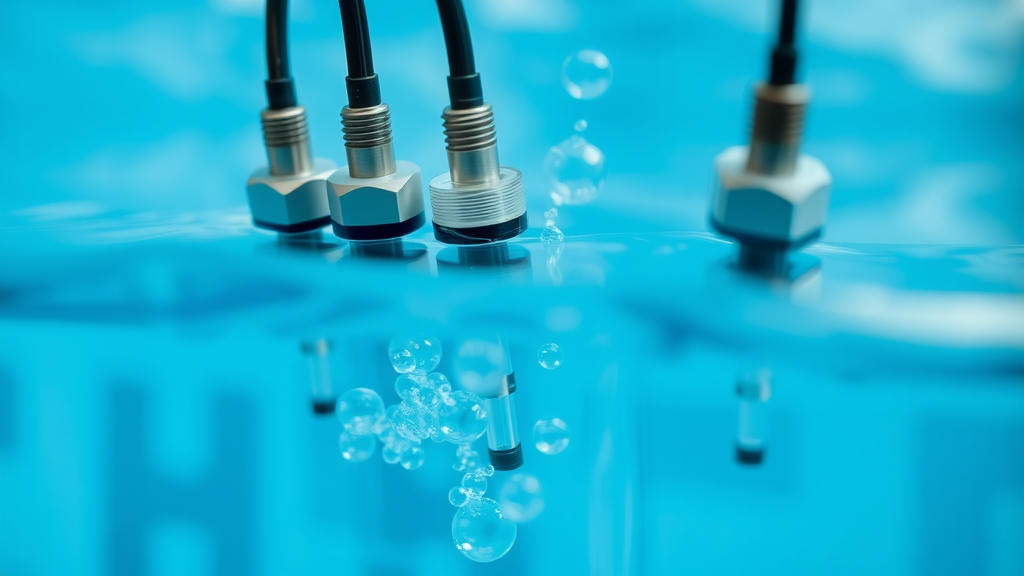

Process optimization in DAF hinges on striking the right balance between flow rate , chemical dosing, and air saturation. Operators closely monitor influent water for organic loads, solids content, and pH to adjust coagulant and flocculant dosages—chemicals that encourage particles to clump together and anchor microbubbles . Too little coagulant, and floating solids may slip through; too much, and sludge volumes spike, raising costs. By fine-tuning air saturation and release pressure, DAF operators ensure milliions of air bubbles bind quickly and efficiently to contaminants.

Smart sensors tracking real-time water chemistry and flow enable automated process adjustments to accommodate unexpected changes—a critical advantage for industrial applications facing variable waste loads. The combination of advanced process controls and robust equipment means even municipal plants dealing with seasonal change or storm surges sustain consistent, compliant output from their DAF units.

Maintenance Best Practices for Long-Term DAF System Performance

  • Routine cleaning and component checks

  • Upgrading control systems for predictive maintenance
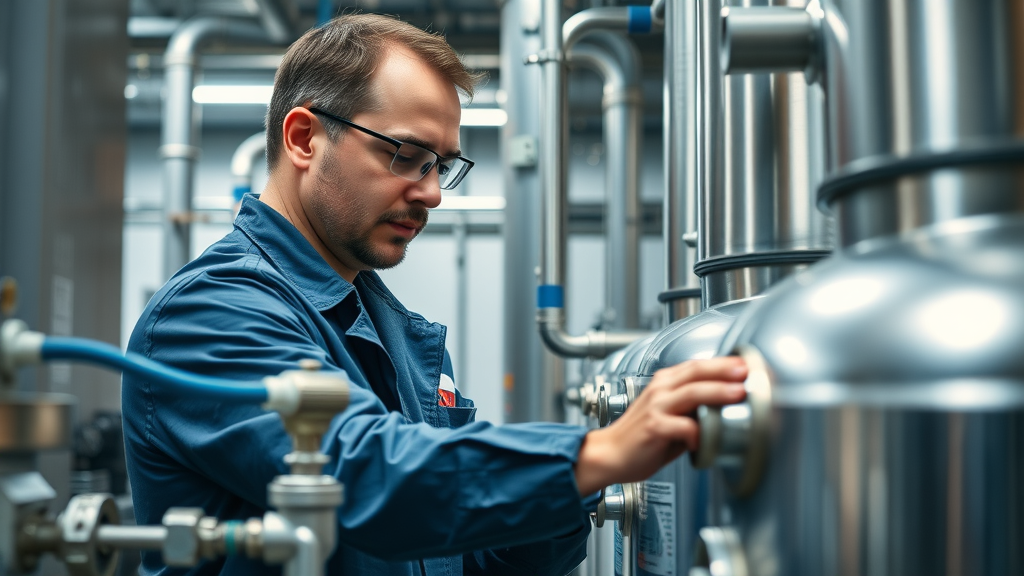

Long-term excellence from any DAF system depends on diligent maintenance. Routine checks on pressurization systems , mixing chambers , and moving parts such as surface scrapers (skimmers) prevent breakdowns and keep air bubble formation and solids removal at optimum levels. Cleaning tanks, desludging the sludge hopper , and removing buildup ensures process consistency and high effluent quality.

Modern DAF installations leverage advanced control systems with predictive analytics—prompting maintenance on pumps, sensors, and dosing units before performance drops. Training staff on routine inspection, recordkeeping, and reaction to emergency signals ensures compliance and minimizes downtime, extending both equipment lifespan and treatment system performance.

Top Benefits and ROI of Employing the Dissolved Air Flotation (DAF) Process in Industrial Waste and Water Treatment

  • Significant reduction in suspended solids and organic contaminants

  • Reduced chemical consumption and sludge volume

  • Enhanced compliance with wastewater discharge regulations

  • Improved clarity and safety of drinking water

The business case for deploying the Dissolved Air Flotation (DAF) process is powerful and measurable. Not only do DAF units achieve up to 90% removal efficiency for suspended solids , oils, and grease, but chemically assisted systems reduce the need for additional coagulants and flocculants, lowering ongoing reagent costs. Smaller sludge volumes translate directly into less frequent handling, safer operations, and reduced disposal fees—major cost drivers for large and small plants alike.

Crucially, by exceeding wastewater treatment and drinking water quality regulations, companies and utilities avoid fines, reputational risk, and public health crises. For industrial sites, DAF improves water recycling potential and environmental stewardship, while in municipalities, it ensures consistently clear, safe tap water—key for thriving communities and businesses. The Return on Investment (ROI) in DAF is not only faster than many alternative systems but continually improves as regulations tighten and societal demand for sustainability grows.

Answering Common Questions about the Dissolved Air Flotation (DAF) Process

What is the process of dissolved air flotation?

  • The dissolved air flotation (DAF) process is a water treatment method that clarifies wastewater by removing suspended solids, oils, and other contaminants through the introduction of dissolved air, creating microbubbles that lift impurities to the surface for removal.

What is dissolved air flotation DAF for wastewater treatment?

  • DAF for wastewater treatment is a proven technique in both municipal and industrial contexts, utilizing dissolved air to separate pollutants from water for safer disposal or reuse.

What does DAF stand for in wastewater?

  • DAF stands for 'Dissolved Air Flotation,' reflecting the process’s reliance on air dissolved into water to aid in contaminant removal.

What is the difference between DAF and SAF?

  • Whereas Dissolved Air Flotation (DAF) introduces and releases air into water under pressure to form microbubbles, Suspended Air Flotation (SAF) incorporates air without pressure, resulting in different removal efficiencies and system designs.

  • What are the critical design considerations for a DAF system? Selection of flow rate performance, tank sizing, air saturation methods, and solids loading are critical in custom DAF design for maximum efficiency and reliability.

  • How does temperature affect DAF process efficiency? Higher temperatures typically enhance air solubility and bubble formation, but extreme cold or heat may reduce flotation efficiency or impact chemical reaction rates in the process.

  • Which industries benefit most from using the dissolved air flotation (DAF) process? DAF is widely deployed in oil & gas, food processing, textile, pulp and paper, and municipal water treatment, wherever rapid, high-efficiency removal of suspended solids and oils is needed.

The Future of the Dissolved Air Flotation (DAF) Process: Innovation, Sustainability, and Safer Water

"The evolution of dissolved air flotation is key to meeting the world's increasing demand for sustainable water solutions."


The future of the dissolved air flotation (DAF) process is being shaped by automation, remote monitoring, and green energy integration—tools that enable more sustainable, resilient, and transparent water treatment worldwide. As urbanization intensifies and environmental standards rise, DAF’s modularity and scalability make it indispensable for new smart cities, eco-districts, and emerging markets. Today’s investments in advanced DAF systems are tomorrow’s foundation for cleaner rivers, safer communities, and a sustainable global water supply.

Ready to Upgrade Your Water Treatment? Maximize Results with the Dissolved Air Flotation (DAF) Process Today

  • Get Our Free Evaluation – CALL US (626)-332-2500 – EMAIL US info@csi-environmental.net

  • Transform your water treatment process with the latest in dissolved air flotation technology.

Take action now : Contact our team for a custom assessment and discover how the DAF process can revolutionize your plant’s performance, reduce costs, and unlock new levels of environmental stewardship.

Upgrade your water treatment results—adopt the Dissolved Air Flotation (DAF) process for cleaner, safer, and more sustainable water solutions.

Sources

  • Water Tech Online – https://www.watertechonline.com/process-water/article/14186907/understanding-dissolved-air-flotation-daf

  • EPA – https://www.epa.gov/water-research/dissolved-air-flotation

  • Water Today – https://www.watertoday.org/sectiondissolvedairflotation.html

  • CSI Environmental – https://csi-environmental.net/daf/

The article provides a comprehensive overview of the Dissolved Air Flotation (DAF) process, highlighting its significance in modern water treatment. For further reading, the U.S. Environmental Protection Agency (EPA) offers an in-depth resource titled “Dissolved Air Flotation,” which delves into the technical aspects and applications of DAF systems. Additionally, Water Tech Online’s article “Understanding Dissolved Air Flotation (DAF)” provides practical insights into the operational benefits and considerations of implementing DAF technology. These resources will enhance your understanding of DAF systems and their role in effective water treatment.
Services

0 Comments

Write A Comment

*
*
Related Posts All Posts
01.16.2026

Tired of Dairy Wastewater Treatment California Hassles? Try This

Are you struggling to keep up with dairy wastewater treatment California regulations? You’re not alone—more than 90% of Central Valley dairies face an uphill battle with water quality compliance Confronting the Dairy Wastewater Treatment California Challenge: The Startling Reality “Did you know that over 90% of Central Valley dairies struggle to consistently meet water quality control standards?” Across the San Joaquin and Central Valley regions, the dairy industry forms the backbone of California’s agricultural economy. Yet with growth comes responsibility. Dairy wastewater treatment California has become a pressing challenge, largely due to tightening water quality control board requirements and an ever-watchful regional water quality community. Site and plant managers must grapple with increased enforcement, rigorous quality control standards, and the urgent need to protect clean drinking water for farming communities and beyond. This complex reality breeds stress. One missed compliance step and your dairy farm risks fines, public scrutiny, and costly shutdowns. But what really sets California’s dairies apart is the scrutiny from the regional water quality control board, especially as mounting evidence connects unmanaged dairy waste to deteriorating water quality in management zones. With new, technology-driven monitoring programs, keeping waste in check isn’t just recommended—it’s essential. How Dairy Wastewater Treatment in California Impacts Regional Water and Water Quality Dairy farms produce considerable volumes of wastewater—rich in nutrients but also laden with contaminants like nitrates, phosphates, and organic matter. Without robust wastewater treatment, these pollutants can leach into groundwater and runoff into rivers, threatening the availability of clean drinking water for California's rural families and urban centers alike. The Central Valley is especially sensitive, as its dense cluster of dairies and shallow groundwater aquifers create hot spots for water quality violations. Moreover, the dairy wastewater treatment California dilemma isn’t just about regulatory headaches; it involves real risks to human health and the environment. Elevated nitrates from untreated dairy waste have been found in local drinking water, which can cause serious illnesses, especially in vulnerable populations. Maintaining top-tier water quality means more than following rules—it ensures long-term viability for California dairy farmers, secures the future of regional agriculture, and upholds community trust in local water sources. For those looking to implement practical solutions and stay ahead of compliance challenges, exploring specialized environmental services can make a significant difference. Learn more about tailored wastewater treatment strategies and support for California dairies by visiting CSI Environmental Inc, where industry experts provide hands-on guidance for regulatory success. What You’ll Learn From This Guide An overview of dairy wastewater treatment California regulations and compliance. Insight into regional water quality control board initiatives. Steps required for quality control on dairy farms. Best practices for avoiding fines and maintaining clean drinking water. A review of effective monitoring programs for California dairy farms. Understanding Dairy Wastewater Treatment California Regulations and the Control Board Navigating the regulatory environment surrounding dairy wastewater treatment California can feel like traversing a labyrinth. Site, plant, and EHS managers must comply with a mosaic of regulations from both the federal Environmental Protection Agency (EPA) and the state’s highly active regional water quality control board. These bodies set forth rules for nutrient management, wastewater discharge, and best practices for environmental stewardship, requiring both facility improvements and rigorous documentation. Failure to meet these standards often triggers costly enforcement actions. The control board, especially in the Central Valley and San Joaquin Valley, has zero tolerance for recurring infractions—levying fines, requiring extensive remediation, and even suspending dairy farm operations. For California dairy farmers, aligning day-to-day operations with complex regulatory mandates is not just a legal necessity but a reputational safeguard that protects their market position and community relationships. The Role of the Regional Water Quality Control Board in California Dairy Farms The regional water quality control board plays a pivotal role in shaping what happens at every California dairy facility. These agencies establish local water quality objectives, issue discharge permits, lead compliance audits, and oversee corrective action when facilities fall short. The board’s presence is especially visible in critical water management zones, where even a small lapse in dairy waste management can trigger swift regulatory response. For maintenance, EHS, and plant managers, proactive engagement with the regional water quality control board translates directly into smoother inspections and fewer surprises. Open communication, early adoption of recommended practices, and well-organized monitoring program records help maintain compliance and foster a constructive relationship with regulators—a must for any Valley dairy or California dairy business hoping to avoid enforcement headaches. Quality Control Standards: Meeting Water Quality and Drinking Water Requirements Quality control standards are strictly enforced for all dairy wastewater treatment California operations. These standards are built around key metrics such as nitrate concentrations, nutrient loading, biological oxygen demand (BOD), chemical oxygen demand (COD), and pH stability. Regional water quality boards require consistent records, periodic testing, and third-party verification to ensure that effluent discharges will not jeopardize drinking water safety downstream. Drinking water regulations, guided by state and federal clean water acts, now demand robust quality assurance programs. These include scheduled water sampling, use of accredited laboratories, and public disclosure of results in high-risk management zones. Falling short jeopardizes not only your dairy’s operating license but also the broader community’s right to clean drinking water—a responsibility that weighs heavily on California dairy representatives and site leaders alike. Water Quality Control Board and Regional Water Guidelines for Dairy Farmers Every dairy farm must interpret and comply with a dynamic set of regional and state water quality guidelines. These rules cover everything from manure lagoon standards to protocols for wastewater discharge, nutrient recycling, and pasture irrigation strategies. Critically, monitoring programs are non-negotiable—dairy farms are now expected to install automated sensors, submit real-time water quality logs, and maintain documentation in anticipation of unannounced board inspections. What does this mean for your Valley dairy or San Joaquin facility? Above all, it demands organizational discipline Navigating Regional Water Quality Programs: What Site and Plant Managers Must Know Site and plant managers serve as the first line of defense in upholding water quality standards on California dairy farms. For many, this means implementing comprehensive site assessments, identifying vulnerable discharge points, and launching robust quality assurance programs. Managers must take the initiative in staff training, ensuring every employee understands the ramifications of poor treatment or recordkeeping. The most successful Valley dairies have embraced digital monitoring programs, leveraging real-time sensors and cloud-based reporting tools. These advances not only simplify compliance but allow for speedy adaptive measures when parameters hit warning thresholds. By staying one step ahead of the regional water quality control board’s expectations, site leaders minimize risk while demonstrating a clear commitment to environmental protection and public health. Case Study: Valley Dairy Compliance and Central Valley Water Quality Monitoring Programs Their response? They implemented a round-the-clock digital monitoring program, partnered with local experts to upgrade treatment units, and launched a comprehensive staff retraining effort This kind of turnaround illustrates the actionable benefits of proactive quality control and monitoring in dairy wastewater treatment California environments. Success hinges on keeping pace with changing regulations, staying ahead of technological advances, and building a lasting partnership with the regional water quality control board. Compliance Requirements vs. Enforcement Actions by Regional Water Quality Control Board (2019-2024) Year New Compliance Directives Active Enforcement Actions Notable Trends 2019 4 12 Focus on manure lagoon upgrades & nitrate monitoring 2020 6 17 Emphasis on digital monitoring & reporting 2021 7 19 Expanded drinking water safety checks 2022 8 13 Greater collaboration with dairy representatives 2023 9 10 Increased funding for treatment upgrades 2024 10 7 Automated monitoring mandates roll out Critical Issues in Dairy Wastewater Treatment California Can’t Ignore Ignoring core challenges in dairy wastewater treatment California has lasting consequences, from jeopardizing clean drinking water to eroding public confidence in agricultural products. Over-application of effluent, poorly lined lagoons, and lagging adoption of quality control technology all conspire to increase regulatory risk. Many regional water quality control board enforcement actions trace back to preventable maintenance lapses and incomplete staff training—issues that can and should be addressed through robust protocols and management buy-in. Site, plant, and EHS managers face constant pressure to not just follow rules but to actively monitor trends, recalibrate systems, and prioritize investments that yield tangible water quality gains. Dairies that commit to sustained monitoring, transparency, and prompt remediation are better positioned to adapt as environmental standards and public expectations continue to rise throughout California’s agricultural valleys. Central Valley Challenges: Managing Dairy Waste and Protecting Drinking Water The Central Valley remains ground zero for both dairy industry growth and complex water quality issues. Dairies must balance nutrient-rich waste recycling with the acute risk of nitrate leaching into groundwater sources that supply homes and schools. The stakes have never been higher—persistent nitrate elevation in local drinking water is a growing concern, and new regional water quality programs now integrate multi-agency oversight, more frequent testing, and direct engagement with valley dairies, residents, and advocacy groups. For California dairy operators, being proactive about wastewater monitoring, spill contingency planning, and remediation is now a baseline expectation. Smart site planning, investment in lined lagoons, and adherence to best practices for irrigation and nutrient management reduce accidental contamination and preserve the integrity of clean drinking water for community families. Quality Control Gaps: Real Risks for EHS and Maintenance Managers Even the most diligent maintenance and EHS professionals can miss red flags without an intentional quality assurance program. Uncalibrated sensors, incomplete documentation, or skipped monitoring intervals turn small lapses into systemic compliance failures, exposing the dairy farm to enforcement and putting drinking water at risk. Integration of digital alerts, automated sampling, and staff retraining all play a role in closing these quality control gaps, supporting continuous improvement across all management zones. Early investment in monitoring and maintenance pays long-term dividends, reducing the frequency of water board citations and the likelihood of well-publicized water quality incidents. By embracing a culture of transparency and continuous improvement, California dairy farmers can take pride in protecting the region’s land, water, and future generations. Innovative Solutions for Dairy Wastewater Treatment California Operations Top technologies for on-site water treatment Proactive monitoring program strategies How dairy representatives can leverage automation and digital reporting The tools of the trade have evolved. Today’s most effective dairy wastewater treatment California operations lean on automated filtration systems, advanced membrane bioreactors, and state-of-the-art nutrient recovery technologies. These advances allow dairy farms to efficiently separate solids, capture valuable byproducts, and consistently meet or exceed water quality and drinking water targets mandated by the control board. Equally important is the deployment of a real-time monitoring program. Digital dashboards, integrated with cloud storage, empower site managers and dairy representatives to receive instant alerts and address issues before they escalate. Automation removes human error and streamlines quality control, freeing up staff for higher-impact initiatives and maximizing ROI from every technology upgrade. Routine use of digital reporting also demonstrates good faith to both the water board and the broader community—reinforcing the dairy’s commitment to environmental excellence. Action List: How Site, Plant, and EHS Managers Achieve Dairy Wastewater Treatment California Compliance Assess current wastewater treatment infrastructure. Engage with the water quality control board for a pre-inspection audit. Implement continuous monitoring program protocols. Train staff on quality control and reporting. Schedule regular system optimization reviews. “Quality control is not a one-time task—it's an ongoing commitment, especially for California dairy farmers.” People Also Ask About Dairy Wastewater Treatment California What are the main compliance standards for dairy wastewater treatment California facilities? California dairies must comply with both federal EPA wastewater regulations and state-specific mandates enforced by the regional water quality control board, including nitrate reduction, nutrient management, and regular water quality sampling. How does dairy wastewater treatment California affect local drinking water supplies? Untreated or poorly treated dairy wastewater can contaminate local groundwater used for drinking water, contributing to elevated nitrate levels and harming community health, particularly in the Central Valley. Frequently Asked Questions (FAQs) on Dairy Wastewater Treatment California What is the role of the control board in regulating dairy farm waste? How often should dairy wastewater be tested for water quality? What penalties exist for non-compliance in California dairy wastewater treatment? Is there funding for upgrading dairy wastewater treatment systems in California? Key Takeaways for Achieving Dairy Wastewater Treatment California Success Persistent regulatory oversight makes quality control essential. Central Valley and other regions face unique water quality challenges. Proactive monitoring and up-to-date technology simplify compliance. Partnering with regional water quality control boards prevents costly violations. Ready to End Your Dairy Wastewater Treatment California Hassles? Get Your Complete Waste Water Assessment | (800) 690-2436 | CSI-team@chem-serv.com Get a complimentary wastewater system assessment that includes: ✅ Analysis of current TSS, COD, BOD, and pH levels ✅ Identification of compliance risks before they become violations ✅ Cost-saving opportunities based on proven results ✅ Clear ROI projections for any recommendation | (626) 608-7603 Conclusion: Proactive Dairy Wastewater Treatment California Management Benefits Everyone Taking a proactive approach to dairy wastewater treatment California strengthens your farm, protects community health, and safeguards the entire state’s agricultural future. “Investing in wastewater treatment isn’t just a regulatory necessity, it’s a commitment to a thriving California dairy industry and safer communities.” If you’re ready to deepen your understanding of environmental compliance and discover how leading-edge solutions can transform your dairy’s sustainability, there’s more to explore. The team at CSI Environmental Inc offers a wealth of expertise on environmental management, regulatory trends, and advanced treatment technologies that go beyond the basics. By tapping into their resources, you can unlock new strategies for operational efficiency and long-term compliance. Take the next step toward a cleaner, more resilient future for your dairy and your community—discover how comprehensive environmental services can elevate your approach today. Sources California Water Boards – https://www.waterboards.ca.gov/centralvalley/water_issues/dairies/ EPA – https://www.epa.gov/npdes/cafo-implementation-status-california California Dairy Research Foundation – https://cdrf.org/home/checkoff-investments/water-quality-projects/ UC Davis – https://www.ucdavis.edu/climate/news/ucd-experts-tackle-dairy-waste/ California Water Blog – https://californiawaterblog.com/2022/01/11/the-challenge-of-clean-groundwater-in-the-california-central-valley/ Navigating the complexities of dairy wastewater treatment in California can be challenging. To assist you, here are two authoritative resources that offer valuable insights: The California Northcoast Regional Water Quality Control Board’s Dairy Program provides comprehensive guidelines and regulatory information for dairy waste discharge, including the General Waste Discharge Requirements (GWDR) applicable to various dairy operations. (waterboards.ca.gov) The EPA’s Dairy Products Processing Effluent Guidelines detail federal standards for wastewater discharge in the dairy industry, covering both direct and indirect dischargers, and are essential for understanding compliance requirements. (epa.gov) If you’re serious about achieving compliance and enhancing your dairy’s environmental stewardship, these resources will provide the necessary regulatory frameworks and best practices.

01.15.2026

Unveil the Secret of Food and Beverage Wastewater Treatment Success

Did you know? The food and beverage industry produces millions of gallons of wastewater every single day—with just a single plant sometimes generating as much waste as a small town A Startling Look at Food and Beverage Wastewater Treatment Challenges “Every day, the food and beverage industry generates millions of gallons of wastewater—making proper wastewater treatment paramount for compliance and sustainability.” Food and beverage wastewater treatment isn’t just a regulatory checkbox—it’s a mission-critical challenge that defines business viability in today’s market. Site and EHS managers face an ongoing battle: how to cost-effectively manage process water, minimize environmental impact, and stay ahead of ever-tightening compliance rules. The complexities stem not only from massive water volumes but also from fluctuating concentrations of contaminants, changing production cycles, and the demand for zero-discharge solutions. As regulations become stricter—covering biological oxygen demand (BOD), suspended solids, and chemical oxygen demand (COD)—plant managers in the food and beverage industry need to embrace innovative water management protocols and advanced treatment system technology to avoid fines, lost productivity, and damage to brand reputation. Success starts with an honest assessment of current capabilities and a willingness to evolve. What You'll Learn About Food and Beverage Wastewater Treatment Key components of food and beverage wastewater treatment processes Innovative water management strategies for process water Treatment systems and technologies in the beverage industry Expert tips for effective wastewater management and regulatory compliance Step-by-step guide to achieving successful wastewater treatment results Understanding Food and Beverage Wastewater Treatment Why Food and Beverage Wastewater Treatment Is Essential Proper food and beverage wastewater treatment is vital to protect waterways, ensure regulatory compliance, and sustain business growth. Without robust water management, food and beverage manufacturers risk contaminant discharge that can harm the environment, endanger public health, and trigger expensive legal actions. Today’s customers and business partners expect manufacturers to exceed minimum standards for environmental protection. Plant managers must navigate increasingly complex waste streams, each with unique challenges. The water treatment process not only removes contaminants but also converts waste into reusable resources whenever feasible. Efficient treatment systems reduce utility costs, open doors to water reuse, and enhance plant sustainability. Taking proactive action on water quality is no longer optional—it’s central to brand integrity, operational efficiency, and ongoing compliance. Key Regulatory Compliance Factors in Food and Beverage Wastewater Management Compliance is the cornerstone of any wastewater management plan within the food and beverage industry. Regulations govern parameters like BOD, COD, total suspended solids (TSS), and the proper disposal of fats, oils, and grease (FOG). Regulatory agencies such as the EPA set discharge limits, and municipalities often enforce even more stringent requirements. Managers overseeing food and beverage wastewater must be vigilant about local, state, and federal policies, which may shift with changing science and public priorities. Staying compliant involves constant monitoring of process water for oxygen demand and emerging contaminants, keeping up with paperwork, and adjusting operations when production schedules change or new products are introduced. Implementing a modern water treatment system—featuring automated sampling, real-time tracking, and accurate discharge logs—empowers managers to avoid violations and operate with confidence. For those seeking a deeper dive into the practical aspects of industrial wastewater management, exploring specialized solutions and case studies can provide actionable insights. You can find more detailed information on tailored approaches and technologies at CSI Environmental Inc, which highlights real-world applications and best practices for effective wastewater treatment. Types of Wastewater in the Food and Beverage Industry Process Water, Beverage Wastewater, and Their Unique Challenges Every food and beverage factory generates multiple waste streams, with process water and beverage wastewater among the most significant. Process water includes streams generated from washing, cooking, cleaning, and sanitizing. Wastewater from the beverage industry adds complexity, as it can contain sugars, alcohol, and other organic compounds unique to the sector. Each waste stream brings distinct challenges; for example, beverage wastewater is often high in BOD and may require more intensive treatment to meet discharge standards compared to general process water. Beverage manufacturers must evaluate the timing and volume of each water stream, identifying variability in contaminant loads linked to product changeovers or cleaning cycles. Understanding these unique parameters is vital for designing the most effective treatment solution and ensuring environmental regulations are met year-round. Common Contaminants Found in Food and Beverage Wastewater Food and beverage wastewater is distinguished by several common but aggressive contaminants. Key among them: Biological Oxygen Demand (BOD): Indicates the amount of organic material in the wastewater, directly linked to pollution potential. High BOD levels can deplete oxygen in receiving water bodies, causing detrimental effects on aquatic life. Chemical Oxygen Demand (COD): Measures the total quantity of chemicals in the water that consume oxygen. Elevated COD is a marker for hard-to-remove compounds and signals the need for advanced treatment solutions. Total Suspended Solids (TSS): Includes particles like pulp, skins, shell fragments, or sediment left after production. High TSS rates can clog treatment systems and complicate downstream filtration. Fats, Oils, and Grease (FOG): Especially common in food manufacturing, FOG can adhere to pipes, reduce flow, and cause costly treatment system malfunctions. Proactively targeting these contaminants at each stage of the food and beverage wastewater treatment process reduces environmental impact and helps companies maintain consistent compliance—an imperative for site managers in today’s competitive beverage industry. Comprehensive Overview: Wastewater Treatment Solutions and Technologies Traditional Water Treatment vs. Advanced Treatment Technologies Managing process water begins with choosing the right mix of treatment solutions. Traditional water treatment systems for food and beverage wastewater, such as primary clarification and sedimentation, remove large solids and oils but are limited in their ability to eliminate dissolved contaminants or persistent organic matter. Secondary systems like aerobic treatment add another protective layer, lowering BOD and COD further. However, many modern food and beverage producers now turn to advanced water treatment technologies like dissolved air flotation (DAF), membrane bioreactors (MBRs), and reverse osmosis for next-level performance. These recent innovations deliver greater efficiency, reduced footprint, and improved compliance, especially in facilities subject to stringent discharge or zero-discharge requirements. Managers benefit from real-time data tracking and modular treatment systems that scale with production volumes. The move toward sophisticated, automated treatment solutions reflects not just regulatory pressure, but a shift toward sustainability, cost control, and resilience in the beverage industry. Aerobic Treatment, Dissolved Air Flotation, and Other Key Solutions At the core of many food and beverage wastewater treatment setups are specialized technologies designed to target different contaminants. Aerobic treatment uses oxygen-loving bacteria to break down organic waste, slashing BOD and COD in process water. Meanwhile, dissolved air flotation (DAF) is favored by beverage manufacturers and bottlers—air bubbles attach to suspended solids and FOG, floating them to the surface for removal. This makes DAF especially valuable for waste streams loaded with oils, grease, and fine particles that are difficult to separate through gravity alone. Other advanced treatment options include anaerobic digesters, which generate biogas and energy while breaking down complex organics, and ultrafiltration, ideal for capturing even the tiniest suspended solids. These technologies are increasingly modular, allowing plant managers and EHS professionals to tailor solutions for distinct water quality challenges, while meeting regulatory requirements and sustainability objectives. New Innovations in Food and Beverage Wastewater Treatment The field of wastewater treatment is rapidly evolving, with cutting-edge treatment systems now integrating smart controls, automated monitoring, and cloud-based compliance tools. Solutions like advanced oxidation, nano-filtration, and zero-liquid-discharge (ZLD) are being deployed in forward-thinking facilities across the beverage industry, enabling unprecedented levels of water reuse and environmental protection. Emerging technologies also focus on energy recovery—from anaerobic digestion to heat reclamation—making treatment not only more effective but also more sustainable. Managers in the food and beverage industry are finding that investing in innovative treatment technologies isn’t just about compliance; it’s a competitive differentiator that delivers ongoing ROI, operational resilience, and public trust. How a Treatment System Works in the Food and Beverage Industry Designing an Effective Water Treatment System for the Food and Beverage Industry A successful food and beverage wastewater treatment system is one that fits the facility’s unique volume, contamination profile, space constraints, and local discharge requirements. Effective design starts with comprehensive process water characterization and a clear understanding of the plant’s production shifts. Project teams, including site managers and EHS specialists, should collaborate early to define performance goals—such as maximum BOD removal, energy efficiency, or targeted water reuse rates. Modern system design integrates several technologies in sequence: screening and grit removal, primary clarification, biological treatment (such as aerobic or anaerobic systems), and advanced tertiary filtration or DAF as needed. Critical design considerations include automation, scalability, and integration with existing process controls. Investing in a future-proof treatment solution ensures that food and beverage manufacturers can adapt as regulations, water rates, and production volumes evolve. Key Steps in the Beverage Wastewater Treatment Process Preliminary Screening: Removal of large debris and solids to protect downstream equipment. Primary Treatment: Basic sedimentation and clarification to reduce TSS and FOG. Secondary Treatment: Biological processes, like aerobic treatment, to reduce BOD and COD. Sometimes, anaerobic processes can be integrated for higher strength wastewater and energy recovery. Tertiary/Advanced Treatment: Use of DAF, membrane filtration, or chemical treatments to polish effluent, meet water quality standards, or enable water reuse. Sludge Management: Safe disposal, dewatering, or beneficial reuse of solids from the process water stream. Each phase of the process needs careful monitoring and adjustment, with plant teams tracking real-time data to respond quickly to changing wastewater loads. A tailored treatment solution boosts compliance, reduces maintenance, and can cut operating costs by optimizing water, energy, and chemical use across the plant. Critical Wastewater Management Practices for Compliance and Efficiency Optimizing Water Management: Best Practices for EHS Managers Proactive water management is essential for ongoing success in wastewater treatment within the food and beverage sector. The most effective managers implement a blend of advanced technology and tried-and-true practices to deliver sustained regulatory compliance and operational efficiency. Establishing a clear baseline for current performance—such as process water composition, peak flow rates, and system bottlenecks—forms a foundation for targeted improvements. Routine monitoring of process water Performance tracking of wastewater treatment systems Proactive maintenance schedules Regular staff training, robust standard operating procedures (SOPs), and investment in automation (such as automated samplers and digital logs) streamline daily operations and reduce the risk of compliance breaches. By making data-driven decisions and embracing continuous improvement, EHS managers can consistently minimize risk, maximize uptime, and ensure efficient water management throughout the beverage manufacturing process. Case Study: Wastewater Treatment Success in the Beverage Industry Real-World Application of Wastewater Treatment Technologies Case Study: A major beverage manufacturer in the US faced recurring compliance issues linked to high organic loads and varying production schedules. After a thorough review, the site team upgraded to a modern treatment system integrating dissolved air flotation, aerobic treatment, and automated monitoring. The result—a dramatic reduction in compliance violations and measurable improvements in both water quality and energy use. “Our upgraded treatment system reduced our compliance incidents by 90%. Preventing issues starts with knowledge.” – Plant Manager, Major Beverage Producer This success underscores the value of regular compliance assessments, continuous monitoring, and a willingness to adopt new treatment technologies. Other beverage manufacturers report similar results after implementing modular upgrades, indicating that the right solutions can deliver fast, measurable ROI—even in facilities with legacy infrastructure. Comparing Wastewater Treatment Options: Table Overview Treatment Technology Process Water Application Efficiency Regulatory Compliance Cost Range Primary Sedimentation Large solids and some FOG removal Moderate Baseline local limits Low Aerobic Treatment High organic/BOD wastewater High for organics Meets strict BOD/COD discharge Medium Dissolved Air Flotation (DAF) FOG, fine solids-heavy waste streams Very high Exceeds EPA thresholds Medium to High Membrane Bioreactor (MBR) Water reuse, high-purity effluent Exceptional Enables potable reuse High Reverse Osmosis Process water recycling, zero discharge Best (removes salts, organics, bacteria) Meets the most stringent regulations Very High Video walkthrough of a large-scale, modern food and beverage wastewater treatment plant. Guided by a plant manager, this video showcases real-time operations, treatment stages, and high-tech equipment in action. Clean, well-organized spaces and a clear focus on process efficiency and compliance are spotlighted for an industry audience. People Also Ask: What is wastewater treatment for food industry? Food and beverage wastewater treatment refers to the process of removing contaminants from process water generated during manufacturing to ensure discharge compliance, environmental safety, and efficient water management. People Also Ask: How is water treated in the food and beverage industry? Water in the food and beverage industry is treated using multi-step systems including sedimentation, aerobic treatment, dissolved air flotation, and advanced filtration to meet specific regulatory and safety standards. People Also Ask: What are the three types of wastewater treatment? The three main types are primary, secondary (including aerobic treatment), and tertiary wastewater treatment—each addressing varied contaminants and treatment goals in the food and beverage sector. People Also Ask: Is wastewater treatment a hard job? Wastewater treatment in the food and beverage industry requires technical expertise, diligent monitoring, and strict adherence to evolving regulations, making it a challenging yet essential responsibility for plant and EHS managers. Frequently Asked Questions on Food and Beverage Wastewater Treatment What is the most cost-effective treatment technology for beverage wastewater? Aerobic treatment and dissolved air flotation are widely used for cost-effective removal of organic matter and solids, but the optimal choice depends on waste stream characteristics and regulatory goals. How often should food and beverage wastewater be monitored? Process water should be sampled and analyzed at minimum weekly—ideally daily during peak production—for key indicators like BOD, COD, and TSS to ensure ongoing compliance. Which regulations govern water management in the food and beverage industry? Regulations include EPA National Pollutant Discharge Elimination System (NPDES), state-specific discharge permits, and often stricter municipal industrial pre-treatment ordinances. Key Takeaways for Successful Food and Beverage Wastewater Management Achieving compliance demands proactive water management and regular updates to treatment systems. Innovative treatment technologies can boost efficiency and reduce operational risk in the beverage industry. Expert consultation supports long-term food and beverage wastewater treatment success. Next Steps: Schedule Your Free Food and Beverage Wastewater Treatment Evaluation Looking for a Reverse Osmosis Desalination solution? Call Us (800) 690-2436 Conclusion Mastering food and beverage wastewater treatment begins with proactive management and investing in the best-fit technologies—setting your facility up for long-term compliance and sustainability success. If you’re ready to take your facility’s water management to the next level, consider exploring the broader landscape of environmental solutions that can future-proof your operations. By learning from industry leaders and staying ahead of regulatory trends, you can unlock new efficiencies and drive sustainable growth. Discover how a holistic approach to environmental management can transform your business by visiting CSI Environmental Inc for advanced strategies, expert guidance, and the latest innovations in industrial water and wastewater solutions. Sources EPA – Food Processing Effluent Guidelines WaterWorld – Treating Food and Beverage Industrial Wastewater Treatment Plant Operator – Wastewater Treatment and the Food and Beverage Industry Water Technology – Treatment Process Options for Food and Beverage Facilities In the realm of food and beverage wastewater treatment, several authoritative resources offer valuable insights: The article “Food & Beverage Wastewater Treatment” by FRC Systems discusses the unique challenges of wastewater treatment in the food and beverage industry, highlighting the importance of removing Total Suspended Solids (TSS), Fats, Oils, and Grease (FOG), and Biochemical Oxygen Demand (BOD) to ensure compliance and operational efficiency. Similarly, “Wastewater & Liquid Waste Services for Food & Beverage” by Valicor emphasizes the significance of managing high-strength and variable waste streams to protect production uptime and ensure compliance, offering solutions for centralized wastewater treatment and resource recovery. Exploring these resources will provide you with a deeper understanding of effective wastewater management strategies tailored to the food and beverage industry.

01.09.2026

Don't Make This Mistake in FOG Removal Wastewater Treatment!

Did you know just one gallon of oil can make a million gallons of water undrinkable? This jaw-dropping statistic from the EPA highlights a hidden problem plaguing wastewater treatment worldwide: FOG—fats, oils, and grease Startling Facts: The Hidden Dangers of FOG Removal Wastewater Challenges FOG removal in wastewater treatment is vital for modern wastewater treatment plants, as fatty organic accumulations can quickly overwhelm systems and cause severe blockages. Improper fog removal leads to clogs in the collection system, sewer overflows, and costly damage to water treatment processes. Recent studies reveal oil and grease buildup is responsible for over 40% of all U.S. sanitary sewer overflows, costing municipalities millions each year and threatening environmental protection efforts. What You'll Learn in This Guide to FOG Removal Wastewater How FOG removal wastewater processes work in today’s treatment plants Industry best practices for oil and grease management in wastewater treatment The real consequences of poor FOG removal—and how noncompliance impacts both environmental protection and operations Understanding FOG Removal Wastewater: Oil, Grease, & Fog Buildup What is FOG in Wastewater Treatment? FOG removal wastewater refers to the process of eliminating fats, oils, and grease from wastewater streams before they enter municipal systems or natural water bodies. The most common sources of FOG buildup include food service establishments, industrial kitchens, and household drains, all contributing to fog discharge in the wastewater system. Without proper fog removal, these oils and grease solidify, restricting flow in pipes, overloading grease interceptors, and jeopardizing the operational integrity of every treatment plant. For a deeper dive into how environmental service providers can support your facility’s FOG management and compliance needs, explore the solutions and expertise offered by CSI Environmental Inc. Their experience in wastewater treatment can help you address site-specific challenges and optimize your FOG removal strategy. Why Effective Fog Removal is Essential for Water Treatment and Collection Systems Regulators demand strict compliance; untreated FOG can cripple both collection system and wastewater treatment plant function. Blockages result in system failures, contaminated water, and equipment downtime, impacting every stage of the water treatment cycle. Environmental protection is at stake: one small oversight allows fatty organic material to wreak havoc, endangering aquatic ecosystems and risking serious fines. “A single gallon of oil can render a million gallons of water undrinkable.” — EPA Water Quality Report The Science and Process Behind FOG Removal Wastewater Treatment Biological Treatment: Harnessing Microbes for FOG Removal Biological treatment relies on specialized microbes that digest fatty organic material in wastewater streams. These bacteria break down FOG into harmless byproducts, making this a sustainable and effective treatment method. This approach is popular because it supports ongoing water treatment processes with minimal chemical input, but it demands strict environmental controls and ongoing monitoring to ensure the microbes stay active and healthy. Mechanical and Chemical Methods in FOG Removal Wastewater Mechanical skimmers and oil-water separators physically remove FOG from wastewater streams, while chemical additives break up grease and oil into smaller, more manageable components. Mechanical methods like separators or grease traps are highly effective for high-flow environments, while chemical options provide a rapid boost—especially during acute fog discharge events. However, finding the right blend and treatment method is crucial to avoid downstream issues. Method Efficiency Average Cost Environmental Protection Biological Moderate to High (60–90%) Medium Excellent, minimal chemical residuals Mechanical High (up to 95%) High (equipment, maintenance) Good, some residual waste Chemical Fast, spot solution (up to 85%) Low to Moderate (additive cost) Variable—risk of downstream chemical contamination Common Mistakes in FOG Removal Wastewater Treatment (And How to Avoid Them) Underestimating Collection System Maintenance: Many overlook scheduled cleaning of pipes, grease interceptors, and lift stations, leading directly to fog buildup and blockages. Ignoring Early Warning Signs: Slow drainage, foul odors, or increasing sewer overflows signal problems with fog removal—but are too often ignored. Choosing the Wrong Technology: Each treatment plant is different; selecting inappropriate mechanical, biological treatment, or chemical methods can waste money and jeopardize compliance. Lack of Consistent Audits: Failure to regularly audit procedures at the wastewater treatment plant leads to gradual yet severe process failures and noncompliance penalties. Step-by-Step Guide: Ensuring Reliable FOG Removal in Wastewater Treatment Plants Audit existing collection systems for fog buildup. Use internal CCTV inspection and monitor sewer system flow rates for telltale slowdowns. Sample and monitor oil and grease concentrations. Establish a routine testing schedule to catch fog buildup early. Select appropriate FOG removal methods. Decide between biological, mechanical, or chemical strategies based on flow, load, and compliance needs. Implement ongoing training. Keep plant and maintenance managers updated with the latest best practices and compliance regulations. Monitor for regulatory compliance. Document all procedures and results to ensure constant alignment with environmental standards. Watch: Explainer Video – How FOG removal wastewater treatment technology works in practice. People Also Ask: Addressing Key Questions About FOG Removal Wastewater How do they remove FOG from wastewater? FOG is removed using a combination of mechanical separation (like skimmers and separators), chemical treatments (including dispersing agents), and biological processes where microbes break down organic material. High-flow systems may rely on dissolved air flotation or gravity-based devices to remove FOG, while advanced treatment processes use a blend of all three for maximum results. What is FOG removal? FOG removal is a crucial wastewater treatment procedure designed to eliminate fats, oils, and grease (FOG) from incoming wastewater streams, preventing hazardous buildup in the collection system and ensuring compliance with water treatment plant permits. How to remove FOG from a drain? Prevent FOG buildup by regularly cleaning drains and traps, using enzymatic cleaners, and avoiding pouring oil down the sink. For existing problems, use mechanical rodding and schedule professional grease trap maintenance at least quarterly to prevent collection system issues. What is FOG wastewater? FOG wastewater refers to any wastewater stream containing excessive fats, oils, and grease. Treating this stream is mandatory for treatment plants to avoid system failures and environmental protection violations. Compliance is enforced at local, state, and national levels. Critical Compliance and Environmental Protection in FOG Removal Wastewater Regular compliance assessments help detect small issues before they escalate, protecting the wastewater treatment plant and surrounding environment. EHS managers, plant operators, and maintenance teams should keep detailed documentation, conduct periodic audits, and stay current with regulations on fog removal wastewater management to prove due diligence. “Compliance isn’t just good business – it’s non-negotiable for environmental protection.” Watch: Interview with regulatory experts on the importance of FOG removal compliance in wastewater treatment. FAQs on FOG Removal Wastewater Treatment How often should collection systems be inspected for fog buildup? Inspections should be performed at least quarterly, but high-risk service establishments or heavy-load sites may require monthly checks to prevent unexpected fog buildup and costly system failures. Which fog removal methods are most cost-effective for small wastewater treatment plants? Smaller facilities often benefit from a blend of biological treatment and mechanical grease interceptors, which balance cost, efficiency, and compliance. What documentation is needed for FOG removal wastewater regulatory compliance? Maintain records of all maintenance activities, inspections, sampling results, removal method changes, and staff training programs to ensure a robust compliance trail. Key Takeaways for Site Managers and Maintenance Teams Consistent FOG removal is essential for efficient wastewater treatment and system reliability. Proactive management of oil and grease prevents blockages, sewer overflows, and noncompliance penalties. Compliance and environmental protection must be at the forefront of every operational decision in fog removal wastewater management. Ready for Your Compliance Assessment? Get Your FREE Compliance Assessment | (800) 690-2436 Don’t risk costly fines or environmental damage—make FOG removal wastewater a top operational priority and schedule your compliance review today. If you’re looking to expand your understanding of environmental compliance and discover how integrated solutions can elevate your facility’s performance, take the next step by reviewing the comprehensive resources at CSI Environmental Inc. Their expertise spans a wide range of environmental services, offering valuable insights for both immediate operational needs and long-term strategic planning. By exploring their approach, you’ll gain a broader perspective on how proactive environmental management can drive efficiency, sustainability, and regulatory peace of mind for your organization. Sources: EPA – Fats, Oils, and Grease (FOG) Education Materials – https://www.epa.gov/npdes/fats-oils-and-grease-fog-education-materials California Water Boards – FOG Factsheet – https://www.waterboards.ca.gov/publications_forms/publications/factsheets/docs/fog.pdf CSI Environmental – California Wastewater Compliance – https://csienvironmentalinc.com/California-Wastewater-Compliance Water Environment Federation – FOG (Fats, Oils, and Grease) – https://www.wef.org/resources/for-the-public/Water-Words/fog-fats-oils-and-grease/ To enhance your understanding of FOG (Fats, Oils, and Grease) removal in wastewater treatment, consider exploring the following resources: The article “Treating Fat, Oil and Grease in Wastewater” by Enva provides an in-depth look at the challenges FOG presents to wastewater systems and outlines effective treatment solutions, including removal at the source, from drains, and at wastewater treatment plants. (enva.com) The “Fats, Oils, Grease (FOG)” fact sheet from the Connecticut Department of Energy and Environmental Protection offers a comprehensive overview of FOG, its sources, and the importance of proper disposal to prevent environmental issues and potential violations. (portal.ct.gov) These resources provide valuable insights into the complexities of FOG management and offer practical strategies to enhance your facility’s wastewater treatment processes.

Terms of Service

Privacy Policy

Core Modal Title

Sorry, no results found

You Might Find These Articles Interesting

T
Please Check Your Email
We Will Be Following Up Shortly
*
*
*