Add Row
Add Element
cropper
update
{COMPANY_NAME}
CSI Environmental Corp
update
Add Element
update

CALL US

(800) 690-2436

Add Element
update

EMAIL US

CSI-team@chem-serv.com

Add Element
update

WORKING HOURS

Monday - Friday  8 AM - 5 PM

Add Element

Add Element
  • Home
  • Categories
    • Tech Advances
    • Regulatory News
    • Sustainability
    • Case Studies
    • Expert Interviews
    • Cost Efficiency
    • Safety Protocols
  • Services
Add Element
  • update
  • update
  • update
  • LinkedIn
    update
  • update
  • update
  • update
August 18.2025
1 Minute Read

Diamond Bar’s Industrial Waste Water Treatment Secrets Revealed

Did you know that Los Angeles County treats over 50 million gallons of industrial wastewater every single day ? Most people don’t realize how complex—and vital—the process is for both the environment and industry in cities like Diamond Bar. If you want to learn how advanced water treatment keeps businesses running and communities safe, you’re about to dive deep into the secrets behind these essential systems!

Staggering Facts: The Impact of Industrial Waste Water Treatment in Diamond Bar

Did you know? Over 50 million gallons of industrial wastewater are treated daily in Los Angeles County, setting standards for sustainable industrial practices.

Why Industrial Waste Water Treatment Diamond Bar Matters for Local Industry and Environment

Industrial waste water treatment in Diamond Bar isn’t just a regulatory checkbox—it’s a lifeline for local industries and a shield for our natural resources. Every year, significant volumes of industrial waste pass through the city’s advanced treatment plants, ensuring that contaminants are removed before rejoining the sewer system or local waterways. Proper management of industrial waste means businesses can maintain operations without risking shutdowns due to non-compliance, while the surrounding environment is protected from harmful chemicals and pollutants. Local industries—from manufacturing to food processing—rely on modern treatment processes to keep their doors open, jobs intact, and output safe. At the same time, effective wastewater management helps keep Diamond Bar’s surface waters and public health standards among the highest in Los Angeles County.

Beyond simple waste disposal, industrial waste water treatment in Diamond Bar upholds public trust in the region’s infrastructure and supports economic growth. The city’s investments in water treatment plants, sewer system upgrades, and advanced monitoring technology demonstrate a forward-looking commitment to sustainable development. Every drop of treated water sent through the sanitation system is a win for both industry and the environment. When it comes to safeguarding surface waters, supporting economic viability, and ensuring regulatory compliance, Diamond Bar stands as a regional leader in effective industrial waste management.
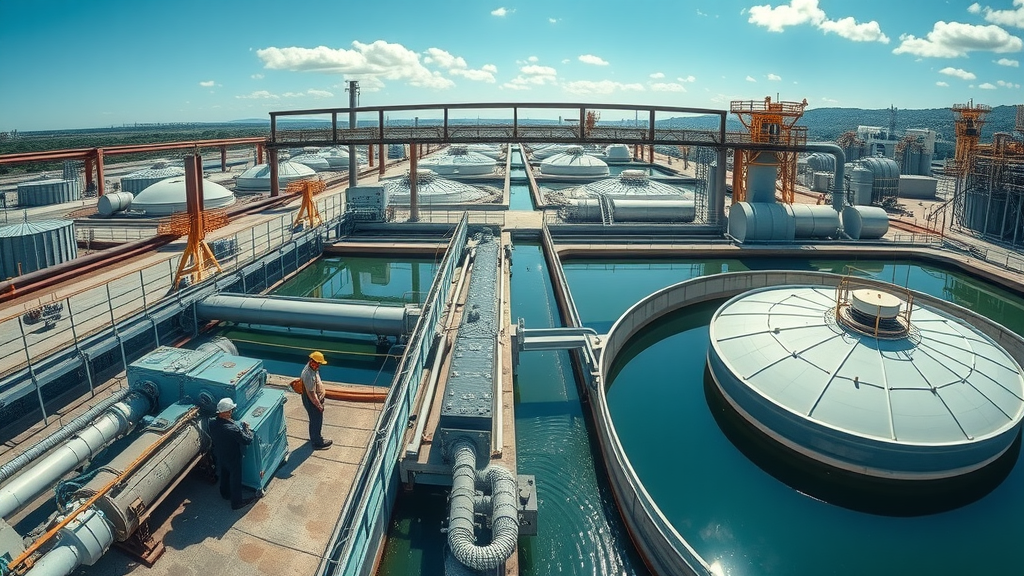
industrial waste water treatment diamond bar - modern facility panoramic view with workers and infrastructure, deep blues and metallic colors, midday sunlight

Understanding Industrial Waste Water Treatment Diamond Bar: Essential Concepts

  • Definition of industrial waste water treatment Diamond Bar: Industrial waste water treatment refers to the specialized processes developed to remove pollutants, chemicals, and particulates from water discharged by factories and industrial plants in Diamond Bar. The main goal is to ensure this water meets strict environmental standards before it’s released to the sewer system or natural waterways.

  • Key components of a robust water treatment process: An effective system incorporates pre-treatment (removing solids), primary/secondary treatment (biological and chemical processing), advanced filtration, and continuous monitoring. Central stages include sedimentation tanks, aeration chambers, chemical dosing, and disinfection units, all designed for optimal contaminant reduction.

  • The connection between wastewater treatment and the sewer system in Diamond Bar: Treated industrial waste water often connects directly to the municipal sewer system, flowing from plants via sewer lines to centralized treatment facilities. This collaboration ensures that local water quality is protected at every stage, preventing untreated waste from reaching surface waters or underground reserves.
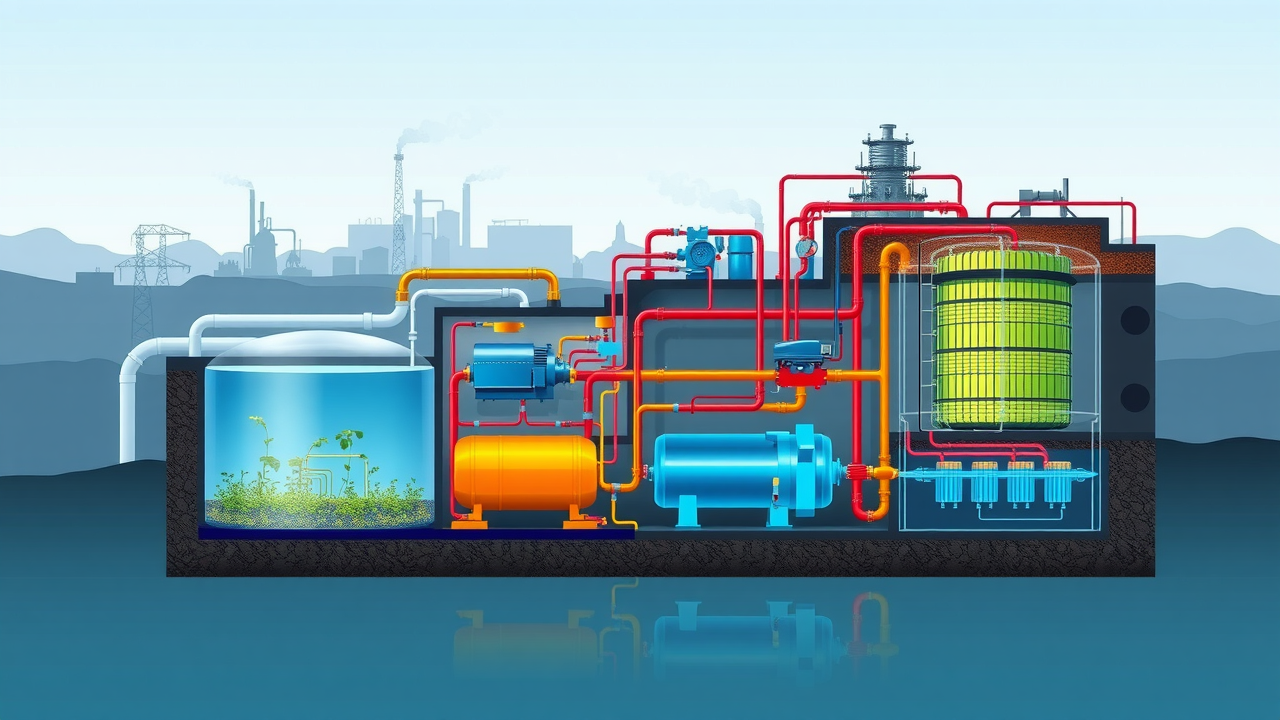
industrial waste water treatment diamond bar - diagram of wastewater flow through treatment stages with color-coded components and educational style

What You’ll Learn: Achieving Compliance and Sustainable Practices in Industrial Waste Water Treatment Diamond Bar

  • How Diamond Bar and Los Angeles County regulate industrial waste: You will discover specific regulations, permit processes, and enforcement bodies that govern industrial wastewater treatment—and why adherence is critical for every facility.

  • Types of treatment plants employed for wastewater treatment: Learn about centralized, decentralized, and on-site treatment plant options, and their roles in Diamond Bar’s infrastructure.

  • Steps to secure a waste disposal permit and remain compliant: Get insights into application processes, paperwork, and compliance milestones for securing an industrial waste disposal permit.

  • Advanced strategies for waste disposal and public sewer management: Uncover the latest technologies and practices for optimizing waste disposal and integrating with Diamond Bar’s public sewer system for maximum efficiency and safety.

The History and Evolution of Wastewater Treatment in Diamond Bar and Los Angeles County

Major Milestones in Water Treatment Infrastructure

The journey of industrial waste water treatment in Diamond Bar began in the mid-20th century, when growing populations and expanding industries created new environmental challenges. Early treatment plants in Los Angeles County relied on basic physical filtration and limited chemical treatments. Over time, stricter regulations and advancements in technology prompted Diamond Bar to invest in state-of-the-art water treatment facilities. Major milestones include installing biological treatment systems in the 1970s, integrating advanced chemical dosing and automated controls in the 1990s, and building new decentralized plants in the last decade to tackle growing demand and chemical complexity.

Today, Diamond Bar’s infrastructure features some of the most modern systems in the region, utilizing automation, remote sensing, and advanced filtration techniques. These improvements not only extend the lifespan of local sewer systems but also set new standards for public works across Los Angeles County. By investing in infrastructure upgrades and rigorous inspection routines, Diamond Bar continues to lead the way in industrial waste treatment, ensuring cleaner surface waters and enhanced local resilience against potential pollution.

Role of Los Angeles and Diamond Bar in Industrial Waste Management Advancements

The partnership between Los Angeles County and Diamond Bar has been pivotal in shaping regional industrial waste management strategies. While Los Angeles provided legislative and regulatory frameworks, Diamond Bar pioneered the integration of decentralized treatment options and innovative monitoring systems. This collaboration enabled the seamless flow of treated industrial waste into the public sewer while minimizing environmental impacts and ensuring that disposal permit requirements are consistently met.

These joint efforts have established Diamond Bar as a model for balancing industrial expansion and water quality protection. By sharing best practices and state-of-the-art treatment plant designs, these communities promote responsible growth and protect vital resources for future generations.

wastewater treatment diamond bar - historic and modern water treatment facility comparison over time, evolving city skyline

Industrial Waste Water Treatment Diamond Bar Process: Step-by-Step Breakdown

Source Collection and Pre-Treatment: From Sewer Line to Treatment Plant

The journey of industrial waste water in Diamond Bar begins in factories and production facilities. Wastewater is directed through the facility’s internal drainage system, often connecting to the municipal sewer line. Pre-treatment at the facility site captures oils, heavy metals, and large solids, preventing them from entering the broader sewer system. Compliance with local regulations is monitored closely; improper pre-treatment could result in a permit violation, costly fines, or operational shutdowns.

After pre-treatment, wastewater travels underground to centralized treatment plants via the city’s network of pipes, known as the sanitary sewer system. This system plays a crucial role in protecting both public infrastructure and environmental water quality by ensuring that hazardous industrial waste does not enter Diamond Bar’s water bodies or affect public health.

Physical, Chemical, and Biological Phases of Water Treatment

Once at the treatment plant , effluent undergoes rigorous multi-stage processing. The physical phase removes suspended solids through sedimentation and filtration. In the chemical phase , advanced dosing techniques neutralize toxic compounds and promote coagulation, helping to separate dissolved metals or organics. The biological phase leverages beneficial bacteria and microbes that degrade organic pollutants, removing dangerous substances prior to discharge.

Diamond Bar’s main treatment facilities employ high-flow aeration tanks and ultrafiltration membranes for advanced contaminant removal, often exceeding state and national water quality benchmarks. By the end of the process, the treated water meets stringent standards before being directed to public sewer systems or, in rare cases, safely released to surface waters.

Final Disposal: Wastewater Treatment System Outputs

After treatment, water leaves the facility through carefully controlled channels and is either discharged into the public sewer system or routed for further use, such as reclaimed water for landscaping or industrial applications. Residual materials—sludge, settled solids, or concentrated brine—are managed in accordance with Los Angeles County waste disposal regulations, often through controlled landfill disposal or further on-site treatment.

Advanced monitoring systems track the quality and quantity of every output to ensure compliance with all permit requirements and regulations. These safeguards help prevent illegal discharge into underground or surface waters , maintaining regional environmental health and protecting local communities.

Step-By-Step Visual Walkthrough of an Industrial Waste Water Treatment Plant in Diamond Bar

Getting a Waste Disposal Permit in Diamond Bar: A Comprehensive Guide

Legal Requirements for a Waste Disposal Permit in Los Angeles County

Every industrial facility in Diamond Bar must obtain a valid waste disposal permit before discharging wastewater into the public sewer system or local water bodies. Los Angeles County sets forth strict criteria to be met, including pre-discharge water quality tests, site inspections, and documentation of industrial processes. Failing to hold an up-to-date industrial waste disposal permit can result in hefty fines, forced shutdowns, or legal action. The City Council and Public Works offices work closely to enforce these regulations, backing compliance with regular audits and random facility checks.

By meeting legal requirements through careful documentation and best practices, industries play a critical role in protecting the sewer line, surface water, and the broader Diamond Bar environment. Seeking guidance from local officials during the application process helps ensure a smooth experience and minimizes risk.

Application Process for Industrial Waste Disposal Permit

The permit application process typically begins with a pre-application meeting with Diamond Bar’s environmental compliance division, followed by the submission of detailed forms outlining projected wastewater volumes, treatment types, and proposed disposal methods. Applicants undergo a thorough review, often including site visits and water quality tests before the permit is issued.

Proactive planning and clear communication with the relevant city departments smooth out the process. Facilities are encouraged to use official resources, such as online checklists and compliance guides, to navigate documentation requirements efficiently and prevent permit violations that can disrupt business operations.

"Without a valid industrial waste disposal permit, facilities risk severe fines and legal action in Diamond Bar."

industrial waste water treatment diamond bar - city official reviewing permit documents with treatment plant in background, office setting

Types of Waste Water Treatment Plants in Diamond Bar and Their Capabilities

Centralized Vs Decentralized Treatment Plants

Centralized treatment plants are large, municipally operated facilities serving multiple businesses through the extensive public sewer. They handle high volumes and employ cutting-edge technologies for efficient, consistent results. In contrast, decentralized treatment plants are smaller systems, often privately or semi-privately operated, designed for individual businesses or small clusters in industrial zones. These are vital in remote locations or where rapid expansion outpaces public works infrastructure.

Both types are monitored rigorously to ensure compliance with disposal permit regulations and must adapt quickly to changes in wastewater quantity or quality. Diamond Bar’s mix of centralized and decentralized facilities provides industry with flexibility while maintaining high regional water quality standards.

Comparison of Industrial Waste Water Treatment Systems in Diamond Bar

System Type

Capacity

Scalability

Compliance Ease

Typical Users

Centralized

High (10,000+ GPD)

Excellent

High

Large manufacturers

Decentralized

Medium (500-10,000 GPD)

Moderate

Moderate

Industrial parks, small factories

On-Site

Low (<500 GPD)

Low

Challenging

Isolated or specialized facilities

Innovations in Treatment Technology: What Makes Diamond Bar Unique

Diamond Bar has become a leader in leveraging innovative treatment plant technology , including membrane bioreactors, UV disinfection, and real-time digital monitoring. Integration with the city’s public works data network allows for instant alerts if water quality slips out of compliance, reducing risks to the sewer system and streamlining the reporting process.

Recent investments in green technology—such as solar panels and energy-efficient pumps—further reduce the environmental footprint while keeping operational costs manageable for industries. These ongoing upgrades reinforce Diamond Bar’s position as a hub for sustainable industrial waste treatment and public health protection.
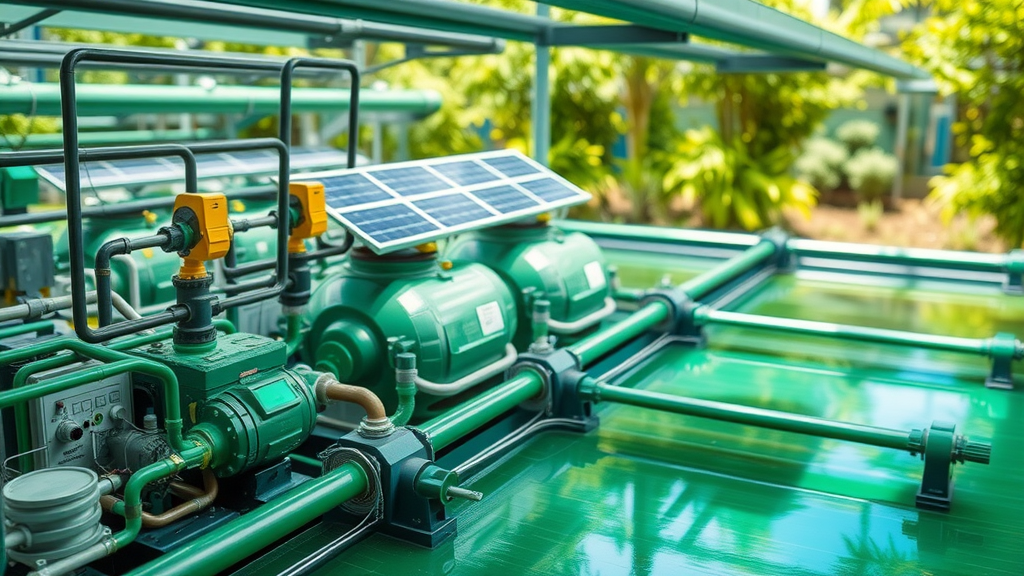
innovative industrial waste water treatment diamond bar - futuristic facility with green tech and solar panels, eco-friendly features

Wastewater Treatment Regulations: Key Industrial Waste Compliance Standards in Diamond Bar

Los Angeles County’s Regulatory Bodies and the Sewer System

Regulation of industrial waste water treatment falls under several agencies in Los Angeles County , including the Department of Public Works and regional water boards. These entities enforce standards for sewer connections, surface water protection, and disposal permit issuance for all treatment facilities in Diamond Bar. Inspection routines, permit renewals, and random water quality sampling are key enforcement methods used to ensure ongoing compliance.

Any facility found discharging waste in violation of permit terms faces rapid escalation, which may include formal citations, mandatory corrective action, and operational shutdowns if public health is at risk. This regulatory rigor maintains high standards for the sewer system and supports public trust in local water quality.

Diamond Bar’s Specific Industrial Wastewater Treatment Criteria

The City of Diamond Bar supplements county standards with additional local criteria, including limits on heavy metals, strict pH requirements, and advanced chemical monitoring. Compliance with sewer line integrity and regular maintenance of on-site pre-treatment systems are also mandated. These regulations not only protect the public sewer but help prevent long-term infrastructure degradation and water quality issues.

Enforcement, Monitoring, and Reporting Requirements

Facilities are required to implement continuous monitoring for regulated contaminants and submit regular reports to city and county agencies. Many sites now use automated sensors to track effluent quality and trigger alerts for permit violations. Annual or biannual facility inspections supplement electronic monitoring, ensuring a robust safety net that guards both public works infrastructure and local ecosystems.

Public Sewer Systems and Industrial Waste Water Treatment Diamond Bar

Integration Between Industrial Waste and the Public Sewer

Industrial wastewater treatment in Diamond Bar depends heavily on seamless integration with the public sewer system. Industrial facilities must install and maintain high-quality connections, including backflow preventers and inspection points. This integration ensures that only properly treated water makes its way into the municipal network, reducing risks of sewer system overload or accidental discharge to surface waters.

Close coordination between industry and public works helps manage large fluctuations in daily wastewater volumes, particularly during peak industrial activity. It also helps prevent cross-contamination with residential or commercial waste lines.

Challenges in Sewer Line Maintenance and Monitoring

Maintaining the integrity of the vast sewer line network is an ongoing challenge for Diamond Bar’s public works teams. Potential issues include buildup of residual sludge, corrosion from chemical-laden waste, and infiltration from aging pipes. Advanced remote monitoring and periodic physical inspections are critical to catch problems early—before they can cause costly breakdowns or permit violations.

Continuous investment in automated sensors, repair technology, and skilled labor ensures the ongoing health of the municipal wastewater system and supports sustainable growth for local industries.

public sewer system diamond bar - underground network cutaway connected to treatment plant, workers inspecting lines

Role of Septic Tanks and On-Site Wastewater Treatment in Diamond Bar

When Are Septic Tank Systems Appropriate?

While septic tank systems are rarely used by large industries in Diamond Bar, they remain a viable option for small, isolated facilities without access to the public sewer. Such systems must meet specific regulatory standards for both design and periodic maintenance, reducing environmental and health risks. Monitoring by public health agencies ensures these systems do not negatively impact underground or surface water.

Comparison: Septic vs Sewer System for Industrial WasteSeptic systems offer moderate cost and independent operation, useful in rural zones or areas with unique wastewater compositions. However, they present more operational challenges—requiring frequent inspection, limiting discharge volumes, and raising risks for permit violations if not maintained. The public sewer system , by contrast, offers greater capacity, scalability, and regulatory support, making it ideal for most industrial operations in Diamond Bar.

septic tank vs public sewer system diamond bar - side-by-side schematic and exterior views, rural and urban backgrounds

Advanced Industrial Waste Disposal Strategies and Best Practices

Optimizing Industrial Waste Disposal for Environmental Sustainability

Sustainable industrial waste disposal strategies prioritize pollution prevention at the source, ongoing employee training, and active collaboration with regulatory agencies. Diamond Bar industries invest in advanced filtration units, closed-loop recycling systems, and real-time monitoring software to keep their environmental impact low.

Best practices include segregating toxic compounds, reducing waste production through process modification, and using green chemicals that are less hazardous to the sewer system and public sewer environment.

Reducing Contaminants Before Public Sewer Entry

One of the smartest strategies is pre-treatment —removing contaminants before wastewater reaches the sewer line. Tools like oil separators, sedimentation tanks, and chemical neutralization beds help companies stay below permitted levels for regulated pollutants. These pre-treatment steps minimize damage to the public works infrastructure and reduce the frequency of permit violations.

Collaboration with licensed contractors ensures systems meet regulatory standards and can scale as business needs grow. Routine training for facility staff ensures processes are followed and data is properly recorded for compliance audits.

  • Conduct regular water quality testing and internal audits.

  • Invest in real-time digital monitoring and automated controls.

  • Maintain clear documentation for all permit renewal periods.

  • Collaborate with the City Council and Public Works offices for continuous improvement.

  • Upgrade treatment plant equipment regularly to keep up with technological advances and new regulations.

Selecting the Right Treatment System for Industrial Waste Water in Diamond Bar

Evaluating Treatment Systems: Capacity, Scalability, and Compliance

Choosing the right treatment system depends on a facility’s specific wastewater output, current and projected capacity demands, and compliance history. Decision-makers must weigh potential growth, local regulatory thresholds, and the compatibility of a facility’s waste stream with available technologies.

Working with engineering consultants and regulatory officials during the evaluation process speeds up permit approval and reduces the chances of future permit violation. Continuous investment in scalable, modular solutions prepares facilities for tighter future regulations and demand surges.

Pros and Cons of Popular Wastewater Treatment Technologies in Diamond Bar

Technology

Advantages

Challenges

Membrane Bioreactor (MBR)

High contaminant removal, compact footprint, automation-ready.

Higher capital costs, periodic membrane cleaning needed.

Sequencing Batch Reactor (SBR)

Flexible operation, handles variable flows, good for upgrades.

Labor intensive, potential for cycle disruption.

Chemical Precipitation

Effective for heavy metals, relatively simple to operate.

Produces chemical sludge, disposal may be costly.

Constructed Wetlands

Low energy, eco-friendly, supports biodiversity.

Space intensive, slower contaminant removal.

Key Challenges in Industrial Waste Water Treatment Diamond Bar and How to Overcome Them

Common Issues: Sewer System Overload, Chemical Runoff, and Permit Violation

The most frequent issues for Diamond Bar industries include sewer system overload (often caused by high-volume discharges), chemical runoff from accidental spills, and permit violations due to incomplete recordkeeping or outdated equipment. Overloads can lead to backups, surface water contamination, or regulatory penalties, while unmanaged chemical runoff endangers both the environment and public health.

Strict facility maintenance, staff training, and prompt issue escalation help manage these common risks. Planning for peak usage and periodically reviewing compliance paperwork keep violations to a minimum.

Innovative Solutions: Automation, Remote Monitoring, and Advanced Filtration

Diamond Bar has embraced advanced solutions to meet these challenges—automated process controls, real-time monitoring platforms, and smart filtration units that detect contaminant spikes before they exit the facility. These investments enable rapid response to emerging problems, improve water quality outcomes, and streamline compliance reporting.

Ongoing collaboration with technology vendors and regional public works agencies keeps solutions current and ensures the city adapts quickly to new or evolving threats to the sewer system and surface waters.

industrial waste water treatment diamond bar - control room operators monitoring digital systems, high-tech background, visible water tanks

Cost Analysis: Investing in Industrial Waste Water Treatment Diamond Bar

Breakdown of Typical Costs: Equipment, Permits, Maintenance

An effective industrial waste water treatment strategy requires investment in equipment (pumps, tanks, sensors), acquisition and annual renewal of disposal permits , and ongoing maintenance for both physical and digital assets. Equipment costs vary with plant size but can range from $150,000–$5 million, while annual permit and compliance costs typically run between $1,000–$25,000. Scheduled maintenance and rapid-response repairs help avoid unexpected fines or downtime.

Calculating Return on Investment for Upgrading Treatment Plants

Upgrading to advanced treatment technologies may seem expensive at first, but the long-term return on investment is significant. Facilities benefit from fewer permit violations, lower energy and chemical use, reduced labor costs through automation, and stronger community and regulatory relationships.

Companies that modernize treatment systems are also more resilient against future regulatory changes and enjoy better insurance terms—making them better positioned for safe, profitable, and sustainable growth.

Projected Annual Operating Costs for Diamond Bar Wastewater Treatment Systems

System Type

Annual Operating Cost

Typical Maintenance Cost

Compliance/Permit Cost

Centralized (Shared)

$75,000–$250,000

$12,000–$40,000

$5,000–$10,000

Decentralized (Private)

$30,000–$120,000

$6,000–$20,000

$2,000–$6,000

On-Site (Small Facility)

$8,000–$25,000

$1,000–$4,000

$1,000–$2,000

Environmental Impact: How Effective Industrial Waste Water Treatment Benefits Diamond Bar and Beyond

Mitigating Industrial Pollution in Los Angeles

Effective industrial waste water treatment is the region’s first and best defense against pollution. By removing harmful chemicals, metals, and organic waste, Diamond Bar’s facilities reduce the volume and toxicity of industrial waste entering Los Angeles County’s sewer and water systems, protecting fragile surface waters and helping to keep public waterways safe.

Protecting Local Waterways and Ecosystems

Reducing pollutant loads to surface water directly benefits local rivers, creeks, and wetland ecosystems. Healthier aquatic habitats support robust biodiversity, enhance recreational opportunities, and maintain the beauty and vitality of Diamond Bar’s natural environment.

Community Health Improvements from Robust Water Treatment

Improvements in water quality translate to healthier communities. By limiting pollution and enforcing strict monitoring, Diamond Bar ensures that residents have access to cleaner surface and groundwater, while workers and families enjoy safer workplaces and neighborhoods. Community health is lifted by each step in the water treatment journey, reinforcing public support for ongoing investment.

industrial waste water treatment diamond bar - healthy river, wildlife, and community enjoying clean environment, lush greenery

Case Studies: Successful Industrial Waste Water Treatment in Diamond Bar

Real-World Example: Upgrading Sewer Lines and Treatment Plants

A recent upgrade at a major Diamond Bar manufacturing plant involved replacing old sewer lines and installing a new membrane bioreactor treatment system. The investment reduced contaminant output by 85%, enabled the company to process 50% more wastewater without exceeding limits, and resulted in a reduction of permit violations from four per year to zero.

Lessons Learned from Innovative Waste Disposal Solutions

The most successful projects involve close partnership between industry, city officials, and technology vendors. “Lessons learned” include the value of investing in staff training, using digital tools to spot issues early, and keeping an open line with public works for regulatory updates and emergency responses. Proactive companies also continually monitor emerging technologies and update systems to maintain a competitive—and compliant—edge.

Industrial Waste Water Treatment Diamond Bar: Maintenance, Monitoring, and Optimization

Routine Maintenance for Treatment Systems

Regular inspections, pump and filter replacements, and cleaning of pipes and holding tanks are the foundation of reliable operations. Diamond Bar industries follow strict schedules to avoid backlog, system slowdowns, or safety hazards. Documentation of each maintenance activity is essential for passing regulatory reviews and permit renewals.

Utilizing Data and Remote Sensing for Process Optimization

Modern control rooms now aggregate vast amounts of real-time data—from effluent quality to equipment condition. Advanced analytics and remote sensors catch deviations fast, alerting operators before contaminants can reach the public sewer or surface water. Using these tools optimizes chemical use, reduces downtime, and improves environmental outcomes.

Emergency Protocols for Waste Water Incidents

Despite best efforts, incidents—like major spills or system failures—do occur. Diamond Bar mandates rapid notification of city officials and swift deployment of containment or neutralization measures. Drills and emergency planning ensure staff are prepared, minimizing risk to the environment and public.

Future Innovations in Industrial Waste Water Treatment for Diamond Bar

Emerging Filtration and Treatment Plant Technologies

Emerging trends include enhanced biological reactors, nanofiltration, and next-gen digital platforms. These systems promise lower energy consumption, higher contaminant capture, and greater ease of integration with Diamond Bar’s other sustainability initiatives. The city’s strong tradition of innovation all but guarantees rapid deployment of next-generation solutions.

Policy Trends: Anticipated Changes in Waste Water Regulations

State and county policies will likely tighten maximum contaminant levels, require higher frequency of inspections, and increase reporting transparency. Facilities with flexible, adaptive treatment systems will be best positioned to handle these shifts, avoiding costly retrofits and operational slowdowns.

Preparing Diamond Bar Enterprises for a Sustainable Future

Business leaders in Diamond Bar should embrace a culture of continuous improvement. Ongoing staff education, technology upgrades, and transparent engagement with public works departments will keep local industries competitive and compliant—helping to protect Diamond Bar’s environment and economic vitality for decades to come.

People Also Ask About Industrial Waste Water Treatment Diamond Bar

What is the process of obtaining an industrial waste disposal permit in Diamond Bar?

  • Start with a pre-application meeting with the environmental compliance division.

  • Complete and submit the formal permit application with supporting technical documentation and an operations plan.

  • Participate in a mandatory site visit and water quality assessment.

  • Address any deficiencies flagged by city staff and provide clarifications as needed.

  • Receive permit approval following successful review and begin (or continue) discharge operations.

How does Diamond Bar's industrial waste water treatment compare to national best practices?

  • Diamond Bar’s systems align with—and sometimes exceed—national benchmarks for contaminant removal, automation, and reporting.

  • The city regularly updates technology and protocols to remain at the forefront of water quality protection.

  • Ongoing collaboration with Los Angeles County yields strong integration between local and federal standards.

Are advanced treatment systems required for all industries in Diamond Bar?

  • Most large-scale industries must use advanced or specialized treatment systems to meet strict permit requirements.

  • Small, low-risk operations may use basic filtration or approved septic systems, but are still subject to routine audits.

  • Industry category and discharge profile determine the minimum required technology for compliance.

How frequently must treatment plants be inspected or upgraded in Diamond Bar?

  • Inspections occur at least annually, with increased frequency for high-risk or large-scale sites.

  • Upgrades are triggered by permit renewal cycles, regulatory changes, or when operational deficiencies are discovered.

  • Ongoing preventive maintenance helps facilities avoid emergency retrofits and unexpected downtime.

Frequently Asked Questions on Industrial Waste Water Treatment Diamond Bar

  • How does industrial waste water enter the sewer system?
    Through pre-treated drains and approved sewer connections, industrial wastewater is routed into Diamond Bar’s public sewer system for further treatment.

  • What are the penalties for failing to comply with wastewater treatment regulations in Los Angeles County?
    Fines can range from several thousand to hundreds of thousands of dollars, depending on the infraction. Repeated violations can lead to permit revocation or facility closure.

  • Who oversees wastewater treatment and public sewer maintenance in Diamond Bar?
    Oversight is a joint effort between the Diamond Bar Public Works Department, Los Angeles County Water Board, and environmental regulators.

  • Can small businesses use septic tanks for industrial wastewater disposal?
    Only if the business meets strict design, monitoring, and approval criteria—most are connected to the public sewer for compliance and safety reasons.

How to Get Started: Implementing Industrial Waste Water Treatment in Diamond Bar

  • Follow the checklist for new facilities or operators: review regulations, assess waste profiles, plan for pre-treatment and main treatment phases, and apply early for permits.

  • Choose among Diamond Bar’s approved treatment plants or work with licensed contractors for design, installation, and ongoing maintenance.

  • Leverage city and county resources for ongoing education and stay ahead of compliance changes—subscribe to official newsletters and attend public information sessions.

Key Takeaways: What Every Industry in Diamond Bar Should Know About Waste Water Treatment

  • Investing in advanced waste water treatment safeguards local ecosystems for future generations.

  • Compliance with disposal permits is mandatory under Los Angeles County law and helps prevent costly violations.

  • Adopting best practices in waste water treatment improves both operational efficiency and community health.

Taking Action: Connect With Industrial Waste Water Treatment Diamond Bar Experts Today

  • Ready to take your industrial waste management to the next level? Schedule a consultation or site visit with certified Diamond Bar experts for custom solutions.

  • Download our free guide or access checklists for compliance, system optimization, and emergency preparedness.

  • Have feedback or need ongoing support? Get in touch to help drive continuous environmental improvement in Diamond Bar and beyond.

Take concrete steps today—contact a licensed expert, upgrade your systems, and invest in the future of Diamond Bar’s water and community!

Sources

  • Los Angeles County Department of Public Works – https://dpw.lacounty.gov/

  • City of Diamond Bar – https://www.diamondbarca.gov/

  • California State Water Resources Control Board – https://www.waterboards.ca.gov/

  • United States Environmental Protection Agency (EPA) – https://www.epa.gov/

For a comprehensive understanding of industrial wastewater treatment in Diamond Bar, consider exploring the following resources:

  • “Diamond Bar, California Hazardous Waste Management Services” : This resource provides insights into hazardous waste management practices in Diamond Bar, detailing services such as chemical disposal, emergency spill response, and hazardous waste management. ( usahazmat.com )

  • “Adopted Orders/Permits | Los Angeles Regional Water Quality Control Board” : This page offers information on permits and orders related to wastewater discharge in Diamond Bar, including details about the city’s compliance with statewide general waste discharge requirements. ( waterboards.ca.gov )

These resources will provide valuable insights into the regulatory frameworks and services available for effective industrial wastewater management in Diamond Bar.
Services

0 Comments

Write A Comment

*
*
Related Posts All Posts
10.23.2025

Navigating Regulatory Requirements for Industrial Wastewater: Federal, State, and Local Perspectives

Did you know: Nearly every industrial facility discharging wastewater must comply with complex regulations spanning federal mandates and even more stringent state and local standards. Navigating these industrial wastewater regulations can mean the difference between smooth operations and costly penalties—even shutdowns. Understanding the multi-layered regulatory landscape is critical for plant managers and Environmental Health & Safety (EHS) professionals tasked with safeguarding their facilities from non-compliance risks.In this comprehensive guide, we unravel how the Clean Water Act sets the nationwide baseline, how local agencies tighten compliance thresholds, and the step-by-step process from violation detection to resolution. Backed by expert insights from Steve Manii of CSI Environmental, Inc., this article empowers you to proactively manage your wastewater compliance and stay ahead before regulators take action.Startling Facts About Industrial Wastewater Regulations and ComplianceIndustrial wastewater regulations are stringent and pervasive across the United States, governed fundamentally by the Clean Water Act (CWA). However, what many operators don’t realize is that local jurisdictions like Los Angeles County or Riverside County are authorized to enforce even stricter discharge standards beyond federal minimums. For example, Riverside County is recognized for having tougher compliance criteria than the federal baseline due to unique environmental and population concerns.When a facility receives an industrial wastewater discharge permit, it gives legal permission to release treated wastewater under specified limits for pollutants such as sulfides, total suspended solids (TSS), chemical oxygen demand (COD), biological oxygen demand (BOD), and pH levels. Exceeding these limits can trigger formal enforcement actions from regulators. These actions begin subtly—often a warning letter—yet escalate quickly to fines or shutdowns if unaddressed.Steve Manii of CSI Environmental, Inc., states, “Compliance with municipal and county wastewater standards is not just about avoiding penalties; it’s essential for sustainable operations. Many local agencies intensify scrutiny, making it vital that businesses understand and meet these enhanced standards.” This industry insight emphasizes the growing pressures plant managers and EHS professionals face in managing regulatory demands effectively.Overview of Industrial Wastewater Regulations and the Clean Water ActFederal Baseline: The Clean Water Act and National Pollutant Discharge Elimination System (NPDES)The Clean Water Act (CWA), passed in 1972, remains the cornerstone of the U.S. strategy to protect surface waters by regulating pollutant discharges from point sources. It establishes the framework for the National Pollutant Discharge Elimination System (NPDES), which issues permits setting pollutant limits and monitoring requirements for industrial wastewater dischargers.Under federal law, companies must conduct routine wastewater sampling—often 24-hour composite samples—that government water districts collect and analyze. If monitored levels exceed the permit thresholds for pollutants such as BOD, COD, sulfides, or pH, businesses are flagged for non-compliance. While the CWA sets a baseline, local authorities have the authority to impose more tailored and severe standards to address regional environmental needs.Steve Manii notes, “The federal Clean Water Act created the foundation that ensures water quality stays protected nationwide, but individual states or counties are empowered to go beyond those baseline requirements. This layered regulatory approach keeps environmental protections robust but adds complexity for operators.” This highlights why understanding both federal and local regulations is essential for compliance success.State and Local Enhancements to Industrial Wastewater Discharge PermitsCounties like Los Angeles and Riverside have embraced their right to enforce stricter discharge limits than federal mandates. These local regulations respond to the unique geographic, ecological, and urban pressures each area faces. For instance, the Los Angeles County Sanitation District applies tighter thresholds for sulfides and suspended solids to mitigate local pollution hotspots.Local agencies also issue discharge permits that sometimes include additional monitoring, reporting, and treatment requirements reflecting those enhanced standards. This means facilities must be prepared not only to meet federal NPDES benchmarks but also these additional local permit conditions. The compliance complexity necessitates diligent monitoring and prompt remediation when issues arise.Steve Manii adds, “Our clients often underestimate how localized requirements can vary, which leads to costly violations. We work closely with facility managers to decode permit language and develop compliant operational plans tailored to local standards.” Expert local knowledge is key to navigating these enhanced regulatory landscapes.The Compliance Process: From Notice to ResolutionInitial Sampling and Detection of Non-ComplianceThe compliance process begins with government agencies conducting periodic sampling of industrial effluent. This usually involves a 24-hour composite sample strategically collected by the local water district. The sample is tested against permit-specific thresholds for pollutants such as sulfides, TSS, COD, BOD, and pH.When test results reveal values outside permitted ranges—such as pH dropping below 6 or exceeding 9.1, or excess levels of chemical oxygen demand—it signals non-compliance. The regulatory agency then initiates the enforcement process by notifying the facility, often through a formal written warning citing the exact nature of the violation and requesting an action plan for remediation.According to Steve Manii, “An out-of-compliance result triggers an immediate need for investigation. Sometimes it reflects unusual operations — like deep tank cleaning releasing sulfides — but persistent violations require systematic corrective action, which is where professional consultation can become crucial.” Understanding this initial step helps facilities respond swiftly and avoid escalation.Written Warning and Required Action PlanOnce a non-compliance is detected, the regulatory body sends a detailed warning letter to the responsible party named on the permit. This letter outlines the violations and requires the facility to submit a corrective action plan explaining how they will remedy the issues and prevent recurrence.The plan might include temporary operational changes or plans to install additional treatment equipment. The regulatory agency typically demands a retest after the corrective actions are implemented to confirm compliance restoration. Failure to provide an adequate plan or to correct the violation results in further enforcement.Steve Manii explains, “Electronic documentation from regulators often includes requests for explanation of the root cause. Providing solid, fact-based responses to anomalies can mitigate additional penalties, while recognizing the violation as systemic compels more stringent treatment solutions.” This underscores the importance of transparent communication with regulators.Retesting and Follow-Up EnforcementAfter receiving the action plan, regulatory agencies conduct subsequent sampling to verify whether the issues have been resolved. These monthly composite samples serve as checkpoints, ensuring that violations do not persist.If retesting reveals continuing non-compliance, regulators escalate their enforcement actions. Facilities might receive follow-up letters indicating increased urgency, warning of impending fines, and potential operational shutdowns if issues remain unresolved by the third reported violation. Furthermore, counties such as LA publish lists of non-compliant businesses in public outlets like the LA Times, harming reputations.Steve Manii cautions, “Non-compliance is costly—both financially and reputationally. Delays in addressing treatment inefficiencies can lead to fines, lost business, or even forced plant closures. Early proactive measures save time and money.” This highlights the critical nature of diligent monitoring and rapid response.Common Industrial Wastewater Compliance Issues and SolutionsSulfide Control and Neutralization TechniquesThe sulfide is flammable that is why it poses a significant compliance challenge. Excess sulfides detected during sampling trigger immediate concerns from regulators.One effective solution, as Steve Manii of CSI Environmental, explains, is injecting oxidizing agents such as 12.5% chlorine or hydrogen peroxide into the effluent line before discharge. These chemicals neutralize sulfides, preventing their release into municipal sewage systems. This targeted oxidation approach is cost-effective and has proven results in reducing sulfide levels to permitted limits.CSI Environmental also consults on operation modifications, maintenance schedules, and tank cleaning protocols to minimize sulfide buildup and flushing events that cause spikes during sampling. Addressing sulfides requires both chemical treatment and operational controls to sustain compliance.Reducing Total Suspended Solids (TSS), COD, and BODBeyond sulfides, many industries struggle with reducing Total Suspended Solids (TSS), Chemical Oxygen Demand (COD), and Biological Oxygen Demand (BOD)—key indicators of pollutant load and organic matter. Excess TSS can clog treatment systems, while high COD/BOD depletes oxygen in receiving waters, harming aquatic life.CSI Environmental recommends installing specialized filtration and sedimentation equipment to lower TSS levels significantly—often by 90-95%. Treatment for COD and BOD varies by industrial process; insoluble fractions respond well to chemical treatment, while soluble COD/BOD typically requires biological treatment involving enzymes or microorganisms.Steve Manii notes, “Each facility’s unique wastewater profile dictates the optimal treatment strategy. Our role is to evaluate lab data carefully, compare with discharge permits, and design cost-effective solutions that achieve compliance and can even reduce operational charges based on pollutant loads.” Implementing these solutions directly addresses compliance and operational cost concerns.Roles and Responsibilities in Industrial Wastewater ComplianceWithin industrial facilities, responsibility for managing wastewater compliance typically lies with personnel named on the discharge permit. This usually includes Environmental Health and Safety (EHS) managers or supervisors, maintenance staff, and sometimes plant managers or site directors.The role involves monitoring sampling results, liaising with regulatory agencies, coordinating corrective actions, and overseeing treatment system operations. Because wastewater compliance overlaps with environmental, operational, and maintenance domains, collaborative teamwork is essential.Steve Manii explains, “We often find EHS professionals seeking expert guidance because wastewater treatment falls outside typical safety roles. CSI Environmental serves as a vital liaison, helping facilities interpret regulations and interact with regulatory bodies effectively to maintain compliance.” Clear role definition supports timely responses to compliance issues.How CSI Environmental Supports Businesses in Achieving ComplianceInitial Consultation and Documentation ReviewWhen facing regulatory notices, CSI Environmental starts every engagement with a brief 10-15 minute phone call to understand the client’s compliance issue. This initial step assesses whether and how CSI can help.Prior to on-site visits, clients provide essential documents, including lab reports for the past three to six months, copies of regulatory warning letters, and surcharge statements detailing pollutant charges. Reviewing these materials allows CSI’s experts to prepare a customized compliance strategy tailored to permit limits and operational realities.Steve Manii highlights, “Having access to detailed lab data and regulatory communications enables us to conduct thorough analysis, identify root causes, and propose practical treatment and operational solutions. Our established relationships with regulatory agencies also help us act as an effective third-party liaison for our clients.”Ongoing Support and Cost SavingsBeyond fixing immediate violations, CSI Environmental offers ongoing support to maintain compliance and reduce wastewater treatment costs. By optimizing treatment technologies and operations, many clients realize substantial reductions in pollutant loads, sometimes lowering TSS by up to 95% and COD/BOD by 50-85%, directly translating into lower surcharge fees.CSI’s cost-effective chemical treatments and modern equipment solutions minimize regulatory risks and enhance operational sustainability. The company’s proactive approach helps clients avoid penalties and public disclosure of non-compliance that can damage business reputations.Steve Manii concludes, “Our goal is to transform wastewater compliance from a reactive problem into a managed asset that benefits both environmental stewardship and the client’s bottom line.”What You'll LearnKey federal, state, and local industrial wastewater regulations and discharge limitsThe compliance notification and enforcement processCommon wastewater pollutants and treatment solutionsRoles responsible for compliance within industrial facilitiesHow expert consultation can facilitate regulatory compliance and cost savingsFrequently Asked Questions (FAQs)What is wastewater compliance?Wastewater compliance means meeting all permit requirements for effluent discharge, including limits for pollutants like sulfides, TSS, COD, BOD, and pH, as set by federal, state, and local regulations.What law allowed the EPA to establish wastewater standards?The Clean Water Act (CWA) of 1972 empowered the EPA to create the National Pollutant Discharge Elimination System (NPDES) setting wastewater discharge standards nationwide.What is the definition of industrial wastewater?Industrial wastewater is liquid waste originating from manufacturing or industrial processes, which may contain pollutants requiring treatment before being discharged into municipal sewer systems or water bodies.What are the three types of industrial wastewater treatment?The three types include physical treatment (e.g., sedimentation, filtration), chemical treatment (e.g., oxidation, neutralization), and biological treatment (e.g., microbial degradation of soluble organics).Key TakeawaysIndustrial wastewater regulations are governed by the Clean Water Act with stricter local standards enforced by agencies like LA County Sanitation.Non-compliance initiates a formal process including warnings, corrective action plans, retesting and possible penalties.Effective treatment solutions drastically reduce pollutant loads, helping avoid fines and operational risks.Designated personnel such as EHS managers, plant managers, and maintenance staff hold critical compliance responsibilities.Partnering with experts like Steve Manny of CSI Environmental streamlines compliance and realizes cost savings.Conclusion: Ensuring Compliance with Industrial Wastewater RegulationsTake action early: Monitor closely, respond swiftly to notices, consult experts, and upgrade treatment systems to secure compliance and protect your operations from costly enforcement.Get Your FREE Compliance Assessment TodayDon’t wait for regulators to find problems—reach out now to CSI Environmental, Inc. for your personalized, no-cost wastewater compliance assessment. Visit https://csienvironmentalinc.com/California-Wastewater-Compliance or call (800) 690-2436 to schedule your consultation.Understanding and adhering to industrial wastewater regulations is crucial for maintaining compliance and protecting the environment. To deepen your knowledge, consider exploring the following resources:The U.S. Environmental Protection Agency’s (EPA) page on Industrial Wastewater provides an overview of the National Pollutant Discharge Elimination System (NPDES) permitting program, detailing discharge limits and conditions for various industrial and commercial sources.The EPA’s Industrial Effluent Guidelines offer national standards for wastewater discharges, outlining technology-based requirements for over 50 different categories of industrial and commercial activities.These resources will equip you with a comprehensive understanding of federal regulations and guidelines, enabling you to navigate the complexities of industrial wastewater compliance effectively.

10.21.2025

Strategies and Technologies for Effective Industrial Wastewater Pre-Treatment

Startling Fact: Over 70% of industrial wastewater violations stem from inadequate pre-treatment processes, highlighting the urgent need for effective solutions. Understanding industrial wastewater pre-treatment is crucial for industries aiming to meet discharge standards and protect our water quality. Governed by the National Pretreatment Program, these processes ensure pollutants are properly managed before entering municipal treatment systems, safeguarding the environment and regulatory compliance.Understanding the National Pretreatment Program and Treatment StandardsThe National Pretreatment Program is a federal regulatory framework designed to control pollutants from industrial sources before they enter publicly owned treatment works (POTWs). This program mandates that industries apply rigorous treatment standards to minimize the impact of pollutants on municipal wastewater systems and the environment. Compliance with this program is essential as it sets the legal baseline from which states and municipalities can enforce stricter local limits tailored to regional water quality needs.Federal, state, and local authorities collaborate to establish treatment standards that include numeric limits on contaminants such as fats, oils, and grease (FOG), chemical oxygen demand (COD), biological oxygen demand (BOD), total suspended solids (TSS), and sulfides. These limits are enforced through National Pollutant Discharge Elimination System (NPDES) permits, which the industries must strictly adhere to, or face penalties.Expert Insight: Compliance Challenges and Regulatory ExpectationsSteve Manii of CSI Environmental explains,"The federal mandate under the Clean Water Act sets the baseline, but counties like LA and Riverside can impose stricter treatment standards, making compliance a complex but essential task for industrial users."Common Industrial Wastewater Contaminants and Their Impact on Treatment WorksIndustrial wastewater often contains pollutants such as fats, oils, and grease (FOG), chemical oxygen demand (COD), biological oxygen demand (BOD), total suspended solids (TSS), and sulfides. These contaminants can cause severe disruptions in municipal wastewater treatment plants if not properly managed. For example, excessive TSS can clog filters, sulfides can cause odors and corrosion, while high COD and BOD levels can deplete oxygen needed for microbial treatment processes, reducing efficiency.Non-compliance with discharge limits often results in serious consequences: regulatory fines, enforced operational shutdowns, and negative public exposure through published non-compliance notices. Keeping contaminant levels below permit thresholds is therefore not only legally mandated but essential for operational continuity and community goodwill.Case Study: Addressing Sulfide Compliance IssuesAccording to Steve Manii, "If sulfide levels exceed permit limits due to activities like deep tank cleaning, businesses must provide an action plan and retest to demonstrate resolution, or face escalating enforcement."This underscores why industries must maintain detailed records of operational anomalies and communicate transparently with regulators to justify occasional exceedances, followed by implementing technical solutions to prevent recurrence.Effective Strategies for Industrial Wastewater Pre-TreatmentAn effective industrial wastewater pre-treatment program integrates physical, chemical, and biological methods to reduce contaminants before discharge. Physical treatments include settling tanks and filtration to remove solids, while chemical treatments might involve oxidizers like chlorine or hydrogen peroxide to neutralize sulfides. Biological treatments can address soluble COD and BOD by using enzymatic and microbial processes to break down organic matter.Approved pretreatment technologies such as injecting 12.5% chlorine or hydrogen peroxide into effluent lines can substantially reduce harmful sulfides chemically. Meanwhile, equipment like dissolved air flotation units or clarifiers help reduce TSS, COD, and BOD, ensuring wastewater meets stringent local and federal limits.Implementing a Cost-Effective Pretreatment ProgramSteve Manii of CSI Environmental notes, "We consult with businesses to design tailored, cost-effective solutions that not only ensure compliance but can reduce TSS by up to 95%, significantly lowering surcharge fees."This highlights the financial benefits of investing in a well-designed pretreatment program that can substantially cut down contaminant discharge fees while meeting regulatory requirements effectively.Navigating Compliance: From Receiving Notices to Achieving ResolutionWhen an industrial user receives a compliance notice, it typically follows a multi-step process: initial composite sampling revealing violations, followed by a written warning detailing exceedances and requesting an action plan. Industries must then submit this action plan, implement corrective measures, and undergo retesting to confirm compliance.Key roles in managing these compliance processes include environmental health and safety (EHS) managers, maintenance teams, and plant managers, who must coordinate efforts to respond timely and effectively. Non-compliance after repeated notices can lead to fines, facility shutdowns, and public listing of violations, emphasizing the critical nature of proactive compliance management.Expert Guidance on Compliance ManagementSteve Manii advises, "Early engagement with experts like CSI Environmental can prevent costly penalties. We act as a liaison with regulatory bodies to streamline compliance and provide actionable solutions."Preparing for a Compliance Consultation: Essential Documentation and InformationRecent third-party laboratory reports (covering at least the past 3 to 6 months)Official regulatory notices and written complaints detailing violationsPermit discharge limits outlining acceptable contaminant thresholdsSurcharge statements indicating fees charged for pollutant levelsProviding comprehensive and organized documentation enables experts like CSI Environmental to conduct a thorough assessment and tailor precise recommendations. Leveraging relationships with regulatory agencies, CSI also facilitates smoother communications and expedites resolution pathways for clients.What You'll LearnKey components of an effective industrial wastewater pre-treatment programHow to interpret and respond to compliance notices promptlyTechnologies and strategies to meet and exceed treatment standardsSteps to engage expert consultation for compliance assurance and cost savingsCommon FAQs About Industrial Wastewater Pre-TreatmentWhat is the national pretreatment program?It is a federal initiative under the Clean Water Act that governs how industrial users must pre-treat wastewater before discharging it to public sewer systems.How often are composite samples taken for compliance?ImpleTypically, monthly 24-hour composite samples are collected by local water authorities to monitor compliance.What are typical penalties for non-compliance?Penalties can include fines, increased fees, forced operational shutdowns, and public disclosure of violations.How can businesses reduce TSS and COD effectively?By implementing physical filtration, chemical oxidation, and biological treatments tailored to their wastewater characteristics, businesses can achieve significant reductions.Key TakeawaysIndustrial wastewater pre-treatment is crucial for regulatory compliance and environmental protection.Understanding treatment standards and local limits helps avoid costly violations and operational interruptions.Proactive consultation with experts like Steve Manny of CSI Environmental streamlines compliance efforts.Using approved pretreatment technologies can reduce pollutant discharge and decrease surcharge fees significantly.Conclusion: Ensuring Compliance Through Effective Industrial Wastewater Pre-TreatmentEstablish a robust pretreatment program that aligns with national and local regulations.Respond promptly to compliance notices to prevent fines and operational disruptions.Partner with experienced experts to navigate complex treatment challenges efficiently.Get Your FREE Compliance Assessment TodayContact CSI Environmental for a personalized evaluation of your industrial wastewater pre-treatment needs.Visit https://csienvironmentalinc.com/California-Wastewater-Compliance or call (800) 690-2436 to schedule your consultation.Take the first step towards compliance and cost savings with expert guidance.To enhance your understanding of industrial wastewater pre-treatment, consider exploring the following resources:The article “What Is Industrial Wastewater Pretreatment and How Does it Work?” provides a comprehensive overview of the processes and technologies involved in removing contaminants from wastewater before it enters municipal sewer systems.The Minnesota Pollution Control Agency’s page on “Wastewater Pretreatment” outlines the importance of pretreatment in preventing harmful pollutants from entering public treatment facilities and the environment.These resources offer valuable insights into the strategies and technologies essential for effective industrial wastewater pre-treatment.

10.16.2025

The Complete Industrial Wastewater Compliance Process: From Sampling to Resolution

Startling Statistic: Over 70% of industrial facilities face compliance challenges annually, risking hefty fines, operational shutdowns, and public exposure. Understanding the industrial wastewater compliance process is critical for plant managers and EHS professionals striving to meet stringent local and federal regulations. In this comprehensive guide, we explore every step – from sampling to enforcement – providing practical expert advice to keep your operations compliant and protected.Startling Facts About Industrial Wastewater ComplianceOver 70% of industrial facilities face compliance challenges annually.Non-compliance can lead to hefty fines, operational shutdowns, and public disclosure in local media.Effective wastewater treatment is critical for environmental protection and regulatory adherence.Overview of the Industrial Wastewater Compliance ProcessSteve Manii, of CSI Environmental, explains, "The industrial wastewater compliance process begins with a 24-hour composite sample conducted by your local water district, governed by the Clean Water Act as a federal baseline."The industrial wastewater compliance process starts under the federal Clean Water Act, which establishes baseline standards for wastewater discharge. Local states and municipalities often impose more stringent rules, leading to variations in compliance requirements depending on your location. For example, Los Angeles County enforces tougher thresholds than some neighboring counties.Compliance parameters typically assessed include fats, oils, and grease (FOG), chemical oxygen demand (COD), biological oxygen demand (BOD), total suspended solids (TSS), and prescribed pH ranges. Monitoring these ensures environmental protection and operational legality.Federal Clean Water Act sets baseline standards.States and municipalities can impose stricter regulations.Compliance parameters include FOG, COD, BOD, TSS, and pH levels.Key Compliance Parameters in Wastewater TreatmentFats, Oils, and Grease (FOG): These can obstruct pipelines and require strict limits.Chemical Oxygen Demand (COD): Indicator of organic pollutants which impact oxygen availability.Biological Oxygen Demand (BOD): Measures biodegradable organic matter affecting aquatic life.Total Suspended Solids (TSS): Particles that cause turbidity and interfere with ecosystems.pH Levels: Typically required to be between 6 and 9.10 to prevent corrosive or harmful discharges.Step-by-Step Industrial Wastewater Compliance ProcessSampling: Monthly 24-hour composite or grab samples collected by local water districts to assess discharge quality.Notification: Receipt of written warning if samples indicate out-of-compliance results, detailing violations and required corrective actions.Action Plan: Businesses must submit a remediation plan and conduct retesting to verify compliance restoration.Consultation: Engaging experts like CSI Environmental to recommend cost-effective treatment solutions tailored to specific compliance challenges.Follow-up: Ongoing monitoring with subsequent sample collections ensures sustained compliance.Enforcement: Persistent non-compliance results in escalating penalties including fines, public notices, or forced shutdowns.According to Steve Manii, "If compliance issues are not resolved by the next composite sample, regulatory agencies escalate enforcement, including fines and possible shutdowns."Common Causes of Non-Compliance in Industrial Wastewater SystemsExcessive sulfide discharge during tank cleaning operations: Sulfides often accumulate in tank bottoms and are flushed out during maintenance, causing violations.High levels of TSS, COD, or BOD: Often caused by inefficient pretreatment or process fluctuations.pH imbalances: Discharges with pH outside the acceptable range due to chemical dosing or process irregularities.Failure to implement corrective measures promptly: Ignoring notices or delays in corrective actions increase risk of enforcement.Expert Solutions for Compliance ChallengesSteve Manii of CSI Environmental states, "We offer solutions such as injecting chlorine or hydrogen peroxide to neutralize sulfides before discharge, ensuring compliance with permit limits."For instance, sulfide issues can be tackled by injecting a 12.5% chlorine solution or hydrogen peroxide oxidizers directly into effluent lines before they reach municipal sewers. This neutralizes problematic sulfides effectively and cost-efficiently.Handling elevated TSS, COD, and BOD may involve installing advanced pretreatment equipment like settling tanks, filtration systems, or advanced chemical dosing. Such tailored solutions reduce pollutant concentrations, meeting permit conditions and avoiding penalties.Roles and Responsibilities in Managing Industrial Wastewater ComplianceEnvironmental Health and Safety (EHS) Managers or Supervisors: Typically receive compliance notifications and coordinate initial responses.Maintenance Departments: Often responsible for wastewater treatment operations including chemical dosing and equipment upkeep.Plant Managers or Site Directors: Provide oversight and ensure compliance funding and resources are allocated.Consequences of Non-Compliance and Enforcement ActionsIssuance of escalating warning letters and fines: Initial notices escalate to more serious correspondence with financial penalties if ignored.Potential operational shutdowns: Facilities may be forced to halt operations until compliance is restored, causing financial and reputational harm.Public disclosure: Non-compliance can be published in local media, damaging company image.Increased regulatory scrutiny: Non-compliant businesses face more frequent inspections and data requests.How CSI Environmental Supports Clients Through the Industrial Wastewater Compliance ProcessInitial consultation via phone: Quick 10-15 minute calls to assess compliance issues and information gathering.Reviewing recent lab reports and regulatory notices: Analysis of third-party lab data and warning letters to understand the extent of non-compliance.On-site evaluations and compliance walkthroughs: On-location visits to observe systems and identify problem areas firsthand.Developing tailored action plans: Recommendations for equipment upgrades, chemical treatments, and process changes.Acting as a third-party liaison: Communicating directly with regulatory bodies on your behalf to clarify issues and negotiate solutions.Steve Manii explains, "We often serve as the liaison between businesses and regulatory bodies, helping to clarify issues and develop effective solutions."Essential Documentation for Industrial Wastewater Compliance ConsultationsThird-party lab results from the past 3 to 6 months to track wastewater quality trends.Written notices or warnings from regulatory agencies outlining violations and action deadlines.Permit discharge limits and compliance parameters for comparison against actual data.Surcharge statements detailing monetary charges related to TSS, COD, and BOD from recent billing cycles.Document TypePurposeRecommended TimeframeLab ReportsAssess current wastewater qualityLast 3-6 monthsRegulatory NoticesIdentify compliance violationsMost recentPermit LimitsCompare discharge against standardsCurrent permitSurcharge StatementsEvaluate cost implicationsLast billing cyclePeople Also Ask: Industrial Wastewater Compliance FAQsWhat is wastewater compliance?Wastewater compliance refers to the adherence to legal and regulatory standards governing the discharge quality of wastewater from industrial facilities to protect the environment and public health.What is the process of industrial wastewater?The industrial wastewater process involves collection, sampling, treatment, monitoring, and discharge of wastewater, ensuring contaminants meet required limits as set by environmental regulations.What are the three major safety concerns in the wastewater treatment industry?Key safety concerns include exposure to hazardous chemicals, biological contaminants, and risks related to equipment operation or confined space entry within treatment facilities.What are the 7 steps in wastewater treatment?Typical treatment steps include preliminary screening, primary sedimentation, biological treatment, secondary clarification, disinfection, sludge treatment, and final discharge.Key Takeaways from the Industrial Wastewater Compliance ProcessCompliance is governed by federal, state, and local regulations with varying stringency levels.Timely response to compliance notices is critical to avoid costly penalties and operational disruptions.Expert consultation can provide cost-effective, efficient treatment solutions tailored to your facility.Proper documentation and ongoing monitoring are essential for managing compliance effectively.Non-compliance risks fines, shutdowns, negative publicity, and increased oversight.Conclusion: Ensuring Successful Industrial Wastewater ComplianceAct promptly upon receiving compliance notices, maintain detailed records, and engage environmental experts early to safeguard your facility's operational integrity and reputation.Get Your FREE Compliance Assessment Today | (800) 690-2436To deepen your understanding of the industrial wastewater compliance process, consider exploring the following authoritative resources:The U.S. Environmental Protection Agency’s (EPA) page on Industrial Wastewater offers comprehensive information on discharge limits, permitting frameworks, and effluent guidelines tailored to various industrial sectors.The EPA’s Pretreatment Roles and Responsibilities for Industrial Users outlines the obligations of industrial facilities in adhering to federal, state, and local pretreatment standards, including self-monitoring and reporting requirements.These resources provide valuable insights into regulatory requirements and best practices essential for maintaining compliance in industrial wastewater management.

Terms of Service

Privacy Policy

Core Modal Title

Sorry, no results found

You Might Find These Articles Interesting

T
Please Check Your Email
We Will Be Following Up Shortly
*
*
*