


Did you know non-compliant industrial wastewater can shut down your operations overnight or lead to fines upwards of $25,000 per day in California? If you manage a plant in Vernon, staying ahead with compliant industrial wastewater treatment isn’t just about ticking boxes—it’s integral to your uptime, reputation, and bottom line
The Urgency of Upgrading Vernon Industrial Wastewater Treatment Systems
Industrial leaders in Vernon are facing a tightening web of regulations and escalating costs tied to outdated wastewater treatment equipment. With the city of Vernon housing numerous food processors, chemical manufacturers, and textile producers, ensuring proper industrial wastewater treatment isn’t optional—it’s critical. Inefficient or obsolete wastewater treatment plants threaten more than just water quality; they endanger continuous operations and invite costly legal action. As regulatory pressure mounts, even minor missteps can result in tens of thousands in fines or lost gallons of product, making timely upgrades to wastewater treatment plant processes an operational necessity.
Modern wastewater treatment isn’t just about filtering out pollutants or managing high strength industrial waste. Today’s water treatment plant systems must address everything from hazardous waste removal to compliance with exacting standards for TSS (Total Suspended Solids), COD (Chemical Oxygen Demand), and BOD (Biochemical Oxygen Demand). The risk of managing notification subscriptions wrong or missing critical reporting deadlines for a treatment process can trigger steep penalties. According to Steve Manii at CSI Environmental, “Outdated industrial wastewater treatment not only puts uptime at risk but can also cost thousands in fines and lost production. Every decision-maker should know their compliance standing.” Keeping your Vernon industrial wastewater treatment systems up-to-date is the cornerstone of sustainable, compliant, and profitable operations.
For facilities looking to optimize their processes further, exploring advanced industrial wastewater treatment technologies can provide practical insights into modular upgrades, digital monitoring, and compliance strategies that are transforming the industry landscape.
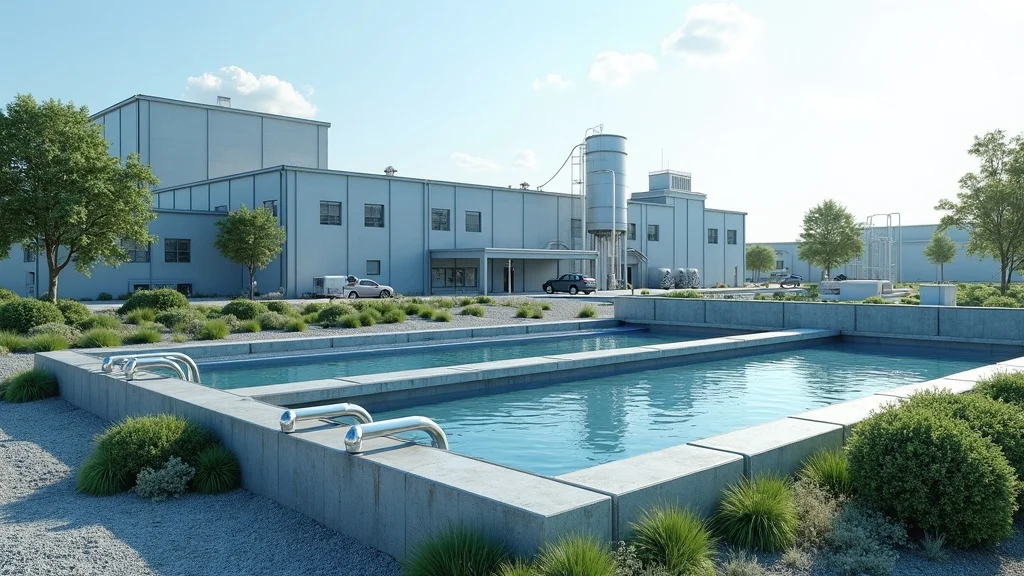
"Outdated industrial wastewater treatment not only puts uptime at risk but can also cost thousands in fines and lost production. Every decision-maker should know their compliance standing." – Steve Manii, CSI Environmental
What You'll Learn About Vernon Industrial Wastewater Treatment
- Key features of Vernon industrial wastewater treatment solutions
- Benefits of up-to-date wastewater treatment plants
- Potential cost savings and ROI from compliance upgrades
- Risks of non-compliance and hazardous waste mismanagement
- Why CSI Environmental is a trusted partner
Understanding Industrial Wastewater: Why Vernon Facilities Must Act Now
Industrial wastewater in Vernon is more than water flowing out pipes. It is a complex mix of process effluents, hazardous residues, and byproduct streams from industries like food and beverage, chemical manufacturing, and textiles. Each gallon of high strength waste comes with regulatory ramifications. Failing to properly treat or manage notification subscriptions related to industrial waste not only puts facilities at risk of legal penalties, but it also degrades the community’s water quality and disrupts environmental protection initiatives. In the current climate, city of Vernon agencies and the EPA are intensifying their scrutiny, making it imperative for operators to ensure their treatment plant and water treatment equipment are current and functioning optimally. The risks—financial, operational, and reputational—are simply too high to ignore.
The stakes are particularly significant for any facility generating millions of gallons of waste each year. From food processors handling treated effluent and strength waste, to chemical plants managing hazardous substances, every Vernon treatment plant operator must prioritize advanced wastewater treatment technologies. This not only secures compliance but also protects the local ecosystem and supports sustainable business operations in Vernon.
Common Sources and Types of Industrial Waste
- Process effluent
- Hazardous waste residues
- Byproduct streams
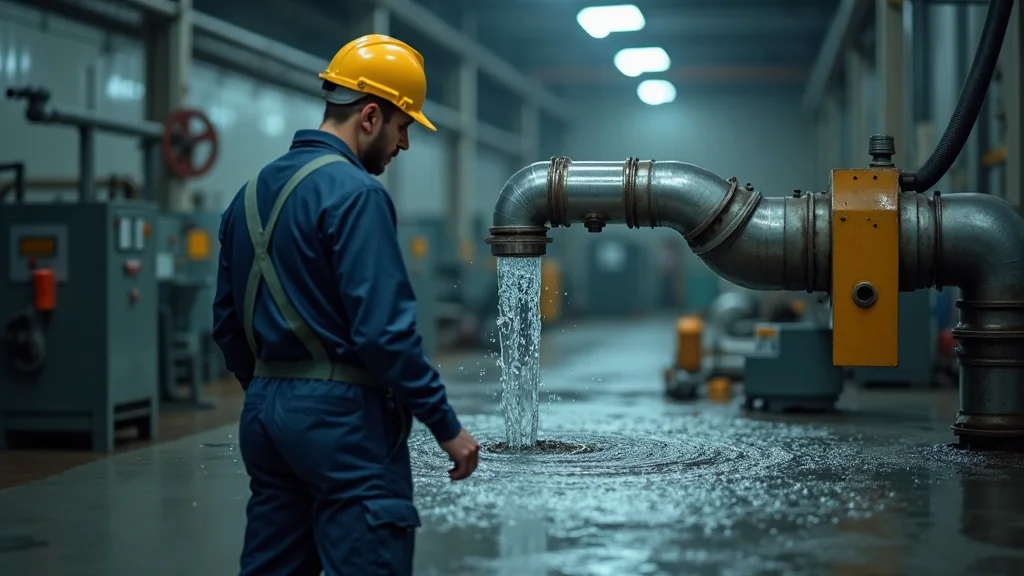
Most Vernon industrial wastewater treatment challenges stem from several principal waste streams: process effluent generated during manufacturing, hazardous waste residues from cleaning or chemical reactions, and various byproduct streams that include high strength waste. Each is laden with pollutants requiring targeted removal using advanced water treatment plant equipment. The nature of these wastes means that simply relying on traditional treatment plant setups can result in permit violations, exceeded BOD, TSS, or pH limits, and heightened liability for hazardous waste incidents. Upgrading treatment equipment and adopting best practice wastewater treatment processes is a proactive step to prevent costly surprises.
The Environmental and Regulatory Stakes in Vernon
For the city of Vernon, environmental protection is a matter of public health and regulatory mandate. Industrial wastewater discharges—if not meticulously managed—can compromise the city’s water quality, threaten wildlife in the Los Angeles River, and result in intervention by state or federal regulators. Vernon water treatment plant operators face scrutiny on every front: effluent quality, reporting frequency, and the safe handling of hazardous waste. Local ordinances and federal EPA rules are designed to ensure environmental stewardship, making it critical for every treatment plant to stay ahead of compliance benchmarks.
Regulations cover everything from secondary clarification to ultraviolet disinfection and dictate how hazardous and high strength waste is stored, treated, and discharged. Violating these rules can damage not only the environment but also a facility’s reputation and financial standing. In short, compliance with evolving standards for industrial wastewater is now inseparable from responsible business in Vernon—making robust wastewater treatment plant upgrades an urgent investment.
Essential Components of a Vernon Wastewater Treatment Plant
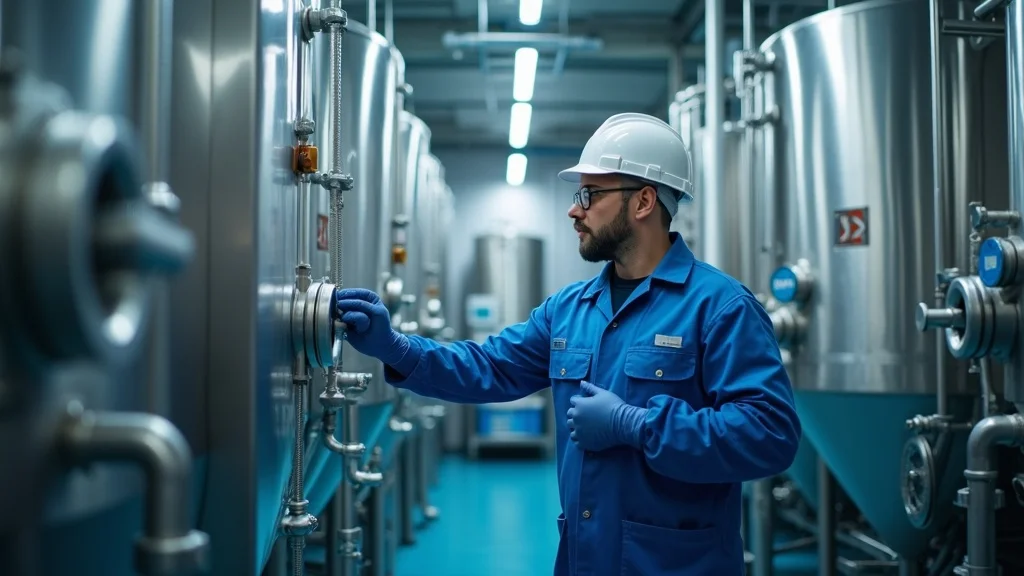
To operate within the city of Vernon and satisfy both environmental and operational demands, an advanced wastewater treatment plant must incorporate multiple interdependent technologies. Traditional treatment equipment—while once sufficient—no longer meets the precision or efficiency required for handling gallons of waste at today’s regulatory standards. Modern treatment plants rely on state-of-the-art water treatment, modular design features, and digital controls to optimize both water quality and operational uptime. Integrating these advancements ensures the treatment process delivers consistent compliance, cost-efficiency, and long-term reliability, positioning Vernon facilities for success.
Success hinges on flexibility and scalability. Many Vernon water treatment plant sites are adopting modular components to enable quick, cost-effective upgrades and seamless accommodation of increased flow or new processing requirements. Automation through digital monitoring and reporting systems provides the transparency necessary for timely intervention and regulatory reporting, minimizing the risk of hidden hazardous waste or undetected process deviations.
State-of-the-Art Treatment Plant Technologies

Today’s leading-edge Vernon industrial wastewater treatment plants use sophisticated treatment processes including multi-stage filtration, membrane bioreactors, and advanced oxidation. Digital monitoring lets operators track BOD, COD, pH, and more in real time, optimizing both environmental protection and cost management. These digital dashboards support swift corrective action to prevent permit violations and costly fines. Some plants process over a million gallons per day of high strength industrial waste, making reliable and automated monitoring a necessity, not a luxury.
Key treatment equipment—such as advanced chemical dosing systems and ultraviolet disinfection—achieve higher removal rates for contaminants and hazardous waste, safeguarding both treated effluent quality and compliance status. With these technologies, a treatment plant can flexibly respond to wet weather events and scale easily to handle new waste streams or changes in regulatory requirements, all while reducing chemical consumption and operational risk.
Modular and Scalable Water Treatment Plant Designs
As demand grows and regulations change, so does the need for Vernon water treatment plants that can quickly adapt. Modular treatment plant design allows for scalable upgrades—meaning new technologies can be “plugged in” without shutting down the entire system. Whether expanding filtration capacity to treat millions of gallons of waste or integrating new hazardous waste processing units, modularity gives Vernon plant operators a competitive edge.
These modular designs reduce downtime, speed up installations, and enable cost-effective customizations. For Vernon industrial wastewater facilities facing ever-stricter compliance targets, it’s the future-proof answer for managing variable flow rates and strength waste fluctuations—all while keeping the treatment process resilient and efficient. Modern water treatment also extends equipment life, reduces maintenance costs, and creates a streamlined approach to environmental protection in the industrial sector.
Wastewater Treatment Plant Process Flow Explained
The process flow in a modern Vernon wastewater treatment plant is highly methodical. It begins with preliminary screening to filter large solids, moves to primary and secondary clarification to remove suspended and dissolved contaminants, and concludes with advanced stages—like membrane filtration and ultraviolet disinfection—for the highest water quality. Key checkpoints include monitoring BOD, TSS, and hazardous waste for regulatory reporting. Each step is engineered to minimize environmental impact while maximizing operational uptime and compliance. Regular testing of treated effluent ensures ongoing adherence to local and federal standards, minimizing the risk of pollution control breaches or emergency shutdowns.
Automation is central throughout—empowering operators to manage notification subscriptions, track gallons per day, and fine-tune the process with instant data. Every phase is designed with compliance, efficiency, and future expandability in mind.
| Feature | Conventional Treatment Plant | Advanced Treatment Plant |
|---|---|---|
| Pollutant Removal (BOD, TSS, COD) | 60-80% | 95%+ |
| Hazardous Waste Capability | Limited/removal by pre-treatment only | Integrated hazardous waste processing; real-time analytics |
| Operational Downtime | Frequent for repairs/upgrades | Minimal (modular, upgradable components) |
| Data Reporting | Manual, risk of errors | Automated, instant reports |
| Compliance Flexibility | Rigid, difficult to adapt to regulations | Highly adaptable, future-proof |
CSI Environmental: Vernon’s Leading Partner in Industrial Wastewater Treatment
- Personalized assessment protocols
- Real-world case studies
- CSI Environmental’s compliance record
CSI Environmental, led by Steve Manii, is recognized as Vernon’s foremost partner in industrial wastewater treatment innovation. With deep local expertise, CSI Environmental tailors scalable solutions to the unique needs of food and beverage processors, chemical plants, and textile producers across the city of Vernon. Their proven track record includes helping facilities slash compliance costs, streamline their treatment processes, and future-proof their water treatment systems. CSI Environmental’s compliance record, underscored by comprehensive assessment protocols and real-world case studies, speaks to their reliability and industry leadership.
Facilities turning to CSI Environmental benefit from hands-on support, transparent ROI projections, and proactive regulatory guidance. The company’s attention to water quality, hazardous waste handling, and optimized equipment layout ensures clients minimize risk and maximize efficiency. The value is clear: safer operations, reduced fines, and demonstrable environmental stewardship.
"CSI Environmental helped us slash compliance costs by 35%. Their hands-on approach brings peace of mind." – Compliance Officer, Major Vernon Food Processor
Compliance Risks in Industrial Wastewater and Hazardous Waste Management
Managing compliance risks is central to sustaining profitable operations in Vernon’s regulatory environment. The city imposes strict controls on permits, pollutant discharge limits, and hazardous waste management. Despite best intentions, many water treatment plant operators find themselves grappling with hidden risks—from inaccurate BOD, TSS, or pH monitoring to gaps in hazardous waste classification. Overlooking even a minor detail in the treatment process or reporting protocols can transform manageable risks into costly crisis scenarios, putting millions of gallons of waste and plant reputations on the line.
To protect operations, it’s essential to adopt a layered compliance strategy that covers every aspect of wastewater treatment and hazardous waste documentation. This means employing up-to-date monitoring equipment, regular audits of chemical and treated effluent logs, and robust notification subscription systems to preempt violations before they occur. The ability to save form progress—even across multiple reporting systems—can be a legal and operational lifesaver.
Key Risk Factors for Vernon Water Treatment Plant Operators

- Permit violations: BOD, TSS, pH
- Hidden hazardous waste liabilities
- Monitoring and reporting pitfalls
Permit violations often arise from inadequate secondary clarification, improper pH balancing, or outdated equipment that cannot manage the variations in high strength or hazardous waste streams. Operators need to watch for silent risks—such as incomplete hazardous waste manifests or non-conforming gallons per day figures—that can trigger surprise inspections or fines. Monitoring and reporting pitfalls, especially with manual or disconnected systems, account for a significant share of compliance failures in Vernon. The stakes are exacerbated during wet weather or when managing large volumes, making proactive investment in modernized, automated notification and compliance tools essential for peace of mind and regulatory safety.
Cost Implications of Failing to Maintain Wastewater Treatment Compliance
The financial consequences for non-compliance are substantial in Vernon. A single incident of hazardous waste mismanagement or incorrect reporting of treated effluent can lead to fines of $5,000–$25,000 per day, suspension of operating permits, or even forced shutdowns. Legal bills, emergency remediation costs, and indirect damage (like lost contracts or reputational harm) quickly escalate the true cost of neglecting treatment plant upgrades. Continuous investment in water treatment plant modernization is thus not a cost—it’s the best form of risk mitigation and ROI protection a facility manager can choose.
Beyond direct financial penalties, failing to maintain industrial wastewater treatment plant standards can lead to lost productivity, unexpected capital expenditures, and weakened community trust. In the long run, the cumulative cost far exceeds the price of a smart, phased upgrade.
| Risk Event | Penalty/Cost | Business Impact |
|---|---|---|
| EPA or City Permit Violation | $10,000–$25,000/day | Fines, permit suspensions |
| Hazardous Waste Mismanagement | $5,000–$15,000/event + remediation | Legal action, cleanup costs |
| Discharge Reporting Failure | $1,000–$5,000/instance | Compliance status at risk |
| Equipment Failure/Shutdown | Up to $200,000/event | Production loss, emergency repairs |
| Reputational Harm/Contract Loss | Six-figure or greater | Loss of business, weakened partnerships |
Maximizing Value, Reducing Operational Costs: Upgrading Your Vernon Water Treatment Plant
An upgraded Vernon water treatment plant doesn’t just keep you compliant—it transforms a headache into a competitive advantage. Smart upgrades including new filtration equipment, digital monitoring, and modular process flow can yield year-over-year savings in chemicals, energy, waste disposal, and human resources. Operators who act now can also avoid the emergency “panic spend” that follows permit violations or equipment failures. No less important, documented improvements in treated effluent quality often lead to lower insurance premiums and strengthened community relationships.
Reducing operational costs is about seeing compliance as an opportunity rather than an obligation. With CSI Environmental’s expertise, Vernon water treatment plant owners receive data-backed recommendations to drive efficiency, extend asset life, and unlock new value streams. The result is a facility that is as future-proof as it is profitable.
Smart Upgrades for Wastewater Treatment Efficiency

Smart upgrades focus on both immediate and long-term value. Digital integration of reporting and treatment process controls eliminates human error and sharpens response to any shift in gallons of waste treated. Next-generation filtration, membrane, and disinfection systems handle high strength waste and hazardous materials with precision and reliability. Energy-efficient pumps and chemical dosing units slash recurring costs and extend plant life, while automated alerts—generated straight from the water treatment plant—ensure compliance managers never miss a critical limit or reporting deadline.
These advancements not only help save form progress and enable better workflow management, but also mean that Vernon operations can scale without facing expensive redesigns down the line. It’s a future-proof move that adds measurable value and prepares any business for tighter city or state requirements—before they arrive.
Projecting ROI from Vernon Industrial Wastewater Treatment Improvements
- Energy and chemical savings
- Prevention of fines
- Extended plant life
The return on investment from upgrading a Vernon industrial wastewater treatment plant is often rapid and substantial. Improvements such as efficient pumps, lower chemical use, and advanced process automation deliver quantifiable savings on operating costs—sometimes up to 30% or more within the first year. The biggest ROI, however, is often the avoided cost of fines, lost production, and legal troubles associated with non-compliance. Furthermore, extending the useful lifespan of treatment equipment delays multi-million-dollar capital replacements and avoids unplanned shutdowns due to equipment failure or regulatory red tags.
Innovative plants using CSI Environmental’s solutions routinely report improved water quality, environmental protection, and reduced risk exposure. Documented ROIs include rapid payback periods, enhanced treated effluent results, and sustainable environmental impact for Vernon and beyond.
How Vernon Industrial Facilities Benefit: Case Studies and Reviews
- Food & beverage processors
- Chemical manufacturers
- Textile producers
Leading facilities across Vernon, from food processors to textile and chemical plants, have benefited from strategic upgrades to their wastewater treatment systems. Case studies show that after switching to CSI Environmental’s modular solutions, sites report fewer discharge violations, dramatically lower compliance costs, and stronger performance in treated effluent quality. For food and beverage operators, this translates to uninterrupted production and less risk from high strength, variable waste streams.
In chemical and textile plants, advanced hazardous waste removal and real-time monitoring have virtually eliminated the risk of surprise regulatory audits or permit suspensions. Employees and management alike note that these improvements don’t just defend against fines—they build a safer, more efficient workplace and enhance company reputation in the city of Vernon and beyond.
"Switching to CSI Environmental’s wastewater treatment system was the best decision for our bottom line." – Vernon Maintenance Supervisor
People Also Ask: Vernon Industrial Wastewater Treatment
How does Vernon industrial wastewater treatment reduce environmental impact?
Vernon industrial wastewater treatment is engineered to minimize pollutants like TSS, BOD, COD, and hazardous waste, protecting local water sources and meeting regulatory limits.
By implementing advanced effluent filtration, chemical removal, and disinfection techniques, modern facilities in Vernon drastically reduce harmful discharge into regional water bodies. These processes not only safeguard aquatic ecosystems but also guarantee compliance with both local and federal environmental protection mandates. The continuous monitoring and rapid-response controls built into today’s wastewater treatment plant systems ensure pollutants are consistently removed or neutralized before treated water reaches the environment.
What regulations govern Vernon industrial wastewater treatment?
Vernon industrial wastewater treatment facilities must comply with EPA and California-specific guidelines covering pretreatment, discharge permits, and hazardous waste handling.
Water treatment and wastewater systems in Vernon are regulated under federal Clean Water Act statutes, California EPA directives, and local ordinances. This means all industrial wastewater, hazardous waste, and treated effluent must adhere to standards covering reporting frequency, pollutant concentration limits, and hazardous material storage/disposal. Failure to follow these rules can result in severe penalties, making knowledge of both state and local compliance requirements foundational for every Vernon treatment plant.
What are the signs a Vernon waste treatment plant needs an upgrade?
Frequent discharge violations, rising disposal costs, and outdated water treatment plant technology are clear signs a Vernon wastewater treatment plant should be evaluated for upgrades.
If a Vernon plant is flagged for permit violations more than once per year, facing increased hazardous waste handling costs, or experiencing equipment breakdowns, it’s time for a system assessment. Other warning signs include chronic wet weather overflows, difficulty managing notification subscriptions, or failure to generate required compliance reports. Upgrades can mitigate all these risks—ensuring reliable, sustainable operations for years to come.
FAQs: Vernon Industrial Wastewater Treatment and Compliance
-
How do I schedule a compliance assessment for my Vernon industrial facility?
Call (626) 608-7603 or visit the CSI Environmental website to book a no-obligation compliance evaluation, including detailed testing and tailored recommendations for your operation. -
What types of hazardous waste do Vernon water treatment plants handle?
Vernon water treatment plants process a wide range of hazardous waste, including solvents, acids, caustic residues, and heavy metals, ensuring each is neutralized or removed according to EPA and California regulations. -
Can Vernon wastewater treatment solutions be customized for my industry?
Yes, modern treatment plant solutions from CSI Environmental are fully modular and can be tailored to the unique requirements of any industrial operation, from food processing to chemical manufacturing and textiles.
Key Takeaways: Vernon Industrial Wastewater Treatment Solutions
- Every Vernon plant faces unique industrial wastewater treatment challenges
- CSI Environmental and Steve Manii provide industry-leading solutions
- Upgrading treatment plants yields proven compliance and savings
Next Steps: Complimentary Vernon Industrial Wastewater Treatment Assessment
Get a A complimentary wastewater system assessment that includes: ✅ Analysis of current TSS, COD, BOD, and pH levels ✅ Identification of compliance risks before they become violations ✅ Cost-saving opportunities based on proven results ✅ Clear ROI projections for any recommendation | (626) 608-7603
Safeguarding your operations in Vernon starts with a single step. Book your complimentary industrial wastewater treatment system assessment with CSI Environmental and discover how leading-edge solutions, compliance cost reduction, and superior operational performance work together for your facility—now and into the future.
As you consider the next steps for your facility, remember that staying ahead in industrial wastewater management is about more than compliance—it's about building resilience and unlocking new efficiencies. For a deeper dive into the broader environmental strategies and industry trends shaping the future of water treatment, explore the comprehensive resources and expertise available at CSI Environmental Inc. Their insights can help you anticipate regulatory changes, leverage innovative technologies, and position your operation for long-term success. Take advantage of this opportunity to elevate your approach and ensure your Vernon facility remains a leader in sustainable, compliant industrial practices.
In summary: Proactive upgrades to your Vernon industrial wastewater treatment plant drive savings, reduce risk, and keep you ahead of compliance. Act today to secure your complimentary assessment.
Sources
- EPA – National Pollutant Discharge Elimination System (NPDES): Industrial Wastewater
- California Water Boards – Industrial Wastewater Treatment Systems
- City of Vernon Official Site – https://www.ci.vernon.ca.us/
- CSI Environmental – https://csienvironmental.com/
Ensuring compliance with industrial wastewater treatment regulations is crucial for facilities in Vernon to maintain operations and avoid substantial fines. The City of Vernon has recently modernized its Water Pollution Control Facility to meet stringent environmental standards and accommodate future needs. (vernon-ct.gov) Additionally, Republic Services operates a facility in Vernon, CA, offering hazardous and non-hazardous waste treatment, including wastewater services, to support local industries in managing their waste responsibly. (republicservices.com) By leveraging these resources, Vernon facilities can enhance their wastewater treatment processes, ensuring compliance and operational efficiency.

Write A Comment