Add Row
Add Element
cropper
update
{COMPANY_NAME}
CSI Environmental Corp
update
Add Element
update

CALL US

(800) 690-2436

Add Element
update

EMAIL US

CSI-team@chem-serv.com

Add Element
update

WORKING HOURS

Monday - Friday  8 AM - 5 PM

Add Element

Add Element
  • Home
  • Categories
    • Tech Advances
    • Regulatory News
    • Sustainability
    • Case Studies
    • Expert Interviews
    • Cost Efficiency
    • Safety Protocols
  • Services
Add Element
  • update
  • update
  • update
  • LinkedIn
    update
  • update
  • update
  • update
January 04.2026
1 Minute Read

Unlock the Magic of DAF Systems—Transform Your Wastewater Today

Imagine reducing suspended solids in your wastewater by up to 99% with a single technology. That's the reality for facilities implementing DAF systems—transformative solutions that not only streamline your compliance but also amplify operational savings. Dive in to learn why DAF is setting a new industry standard in water and wastewater treatment.

Revolutionizing Wastewater Treatment: How DAF Systems Lead the Way

In an era where environmental regulations are tightening and operational efficiency is non-negotiable, DAF systems (Dissolved Air Flotation systems) are redefining what’s possible in wastewater treatment. These advanced flotation systems go far beyond traditional approaches, harnessing the science of air flotation to separate solids and contaminants with unmatched precision. By injecting dissolved air and leveraging bubble technology, DAF systems deliver consistent results even in the most demanding industrial wastewater environments.

For site managers and facility leaders, the transition to a DAF wastewater treatment system is more than a compliance maneuver—it’s a strategic leap forward. The ability to achieve high solids removal efficiency, maintain low operational expenditure, and protect downstream processes makes DAF not just a smart option, but often the best one. Facilities from processing plants to paper mills and chemical refineries are realizing operational gains and reducing their environmental footprint, building a compelling case for site-wide integration.

  • The core principles and features of DAF systems
  • Key benefits of dissolved air flotation in modern water treatment
  • How DAF systems compare to other wastewater treatment technologies
  • Critical factors for evaluating DAF system integration in your facility
"Did you know that DAF systems can reduce suspended solids in wastewater by up to 99%? This simple technology could be your key to streamlined compliance and increased operational savings."
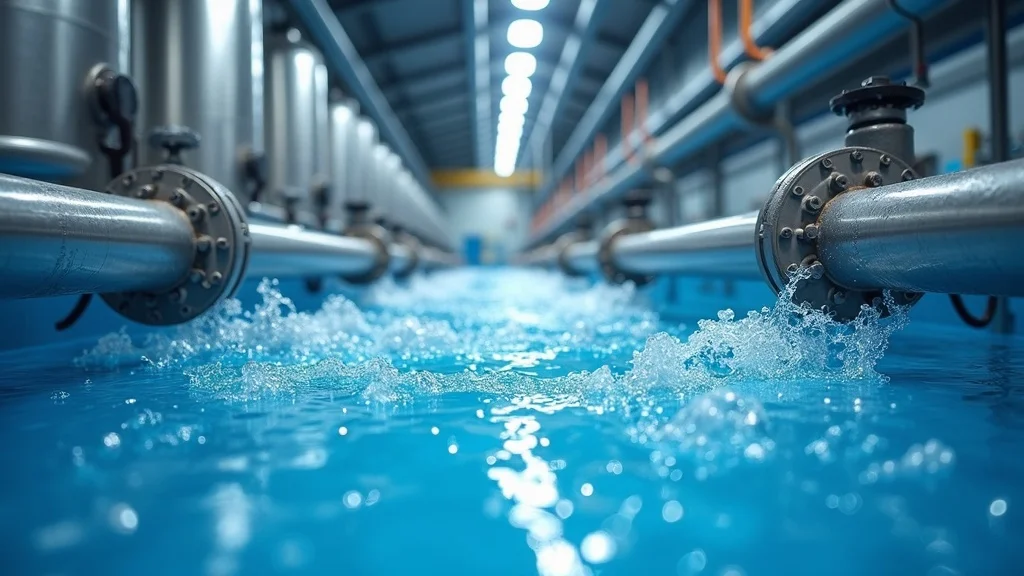
Modern dissolved air flotation system in an industrial facility with stainless steel tanks and blue-grey industrial piping, functioning with visible air bubbles and decontaminated water flow, under bright LED lighting.

Understanding DAF Systems: The Core of Modern Water Treatment

What is a DAF System?

A DAF system, or Dissolved Air Flotation system, is a specialized water treatment technology designed to remove suspended solids, oils, greases, and other contaminants from wastewater streams. Using a combination of chemical dosing and tiny dissolved air bubbles, the system floats impurities to the surface for easy removal. The resulting clarified water is cleaner, with much lower levels of total suspended solids, making it suitable for either direct discharge or further treatment.

Unlike traditional sedimentation tanks, the DAF process is significantly faster and more efficient—especially in environments handling high volumes of oily or fibrous pollutants, like a paper mill or chemical processing plant. The marriage of dissolved air and precise chemical assistance distinguishes DAF from other treatment technologies, giving site managers an edge in meeting environmental benchmarks and improving overall plant performance.

For facilities seeking to optimize their wastewater treatment process, understanding the nuances of DAF system operation and maintenance is crucial. You can explore practical guidance on effective DAF system management and troubleshooting strategies to ensure your installation delivers reliable, long-term results.

What Does DAF Stand For?

DAF stands for Dissolved Air Flotation. The term relates directly to the process by which air is dissolved under pressure in water, then released at atmospheric pressure in a flotation tank. As the air comes out of solution, it forms fine bubbles that attach to suspended matter, floating it to the surface for removal by skimmers.

This technique is the foundation of some of the most effective wastewater treatment system designs on the market, ensuring compliance and clarity with remarkable consistency. DAF’s simplicity and power make it a universal solution for industrial waste and municipal water treatment alike.

What Does DAF Stand For in Water Treatment?

In water treatment, DAF stands for Dissolved Air Flotation, highlighting its core function: separating contaminants from the water stream through air-induced flotation. The technology is frequently chosen for its ability to treat large volumes of water in limited space while achieving superior solids removal and reducing biochemical oxygen demand.

DAF units are often installed upstream of secondary filtration or downstream biological treatment processes to polish effluent water. Their efficiency in removing oils, greases, organic matter, and fine suspended solids underlies their popularity in industries with strict regulatory discharge standards.

What Does DAF Stand For in Refining?

In oil refining and petrochemical plants, DAF again refers to Dissolved Air Flotation. Within these facilities, DAF systems are pivotal for pre-treating industrial wastewater streams, removing hydrocarbons and emulsified oils that common separators leave behind.

By integrating a DAF unit into the treatment process, site managers secure both operational efficiency and environmental compliance, dramatically reducing total suspended solids and preparing effluent water for final disposal or re-use systems.

Technician monitoring DAF system control panel, operating interface in a bright, organized water treatment facility with illuminated screens, precise dials, and the glow of active controls.

Dissolved Air Flotation System: Components, Process, & Technology

Core Components of DAF Systems

A DAF system comprises several integrated components, each playing a vital role in the wastewater treatment process:

  • Flotation Tank: The main vessel where separation occurs and clarified water is produced.
  • Aeration System: Equipment that dissolves air into a portion of the clean effluent water under pressure.
  • Skimmers: Mechanized scrapers that collect floated contaminants from the water surface.
  • Chemical Dosing Equipment: Feeds coagulants and flocculants to agglomerate fine suspended solids for more effective air bubble attachment.
  • Control Systems: Automated panels and sensors that optimize the DAF process, monitoring flow rates, air/chemical dosing, and water quality in real-time.

These elements work in synergy, ensuring your DAF system adapts to changing influent loads—crucial for any facility dealing with fluctuating industrial waste or processing plant byproducts.

The DAF Systems Process: How Does Dissolved Air Flotation Work?

The DAF process is elegantly straightforward yet scientifically advanced. Here are the essential steps to understand how Dissolved Air Flotation systems transform wastewater:

  1. Wastewater Enters the DAF System: Contaminated water flows into the flotation tank, where suspended solids and emulsified oils are present.
  2. Addition of Coagulants and Flocculants: Chemicals are dosed to encourage the small particles to clump together, forming larger, easily separated flocs.
  3. Injection of Dissolved Air: Air, previously dissolved under pressure, is released into the tank. Fine air bubbles form and disperse throughout the water stream.
  4. Air Bubbles Attach to Contaminants: The microbubbles adhere to the flocculated contaminants, making them buoyant.
  5. Flotation and Removal of Sludge: Buoyant flocs float to the water surface; skimmers remove the thickened sludge, leaving clarified water below for discharge or reuse.

This sequence ensures a high conversion of total suspended solids into removable sludge. The end product is clarified water, with a dramatically reduced oxygen demand, ready for the next phase of the treatment system or safe discharge.

Technical close-up of air bubbles and particles in DAF water tank, showing dissolved air bubbles attaching to contaminants that rise to the water surface.

Advancements in Air Flotation Technology for Wastewater Treatment

Recent advancements in DAF and air flotation system technology are revolutionizing industrial wastewater and municipal water treatment. Innovations include high-efficiency dissolved air generators, improved chemical dosing automation, compact modular designs, and real-time monitoring systems for process optimization. These improvements deliver consistently high performance, even with challenging decanting requirements or rapidly changing influent characteristics.

Next-generation flotation systems are designed with a small footprint, making them ideal for retrofitting into existing plants or fitting into sites with space constraints. Automated, intelligent control panels minimize the need for manual intervention, enabling plant teams to focus on core operations while maintaining ultra-reliable compliance.

Why Choose DAF Systems for Your Wastewater Treatment System?

  • Top reasons: high solids removal efficiency, reduced chemical usage, reliable performance in industrial wastewater and processing plant applications

For many site and plant managers, the decision to implement a DAF system is rooted in its unmatched combination of performance and simplicity. Compared to traditional sedimentation or filtration, DAF systems offer superior solids removal (up to 99%), enabling most facilities to reduce total suspended solids and meet even the strictest discharge standards with ease.

The reduction in chemical use and lower maintenance requirements further translate into reduced operational costs and less strain on staff. Whether handling industrial waste, paper mill effluent, or high-load process water, DAF delivers consistent water clarification and reliability. This is especially critical for facilities where compliance, environmental stewardship, and financial efficiency must align.

"Regulatory compliance is non-negotiable. DAF systems are engineered for results, ensuring your facility meets even the most stringent discharge standards." — Industry Expert

DAF System Applications Across Industries

DAF Systems in Industrial Wastewater Treatment

DAF systems stand as the gold standard in industrial wastewater treatment, serving applications from chemical production to automotive, mining, and food processing plants. Their primary advantage is the versatility to handle diverse contaminants—ranging from fats, oils, and greases to heavy metals, fibers, and biomass. Even in complex settings, DAF units deliver predictable, high-throughput results inline with regulatory demands.

Many industries now choose DAF wastewater treatment systems due to their ability to manage variable loads, maintain low operator intervention, and ensure treated effluent water consistency, protecting downstream processes and overall plant health. In most cases, these flotation systems become the backbone of compliance programs and a foundation for sustainable operations.

Industrial processing plant operators reviewing DAF system performance, inspecting water samples from a modern DAF unit, with sample vials, tablets, and shown shimmer of treated water.

Dissolved Air Flotation for Paper Mills and Chemical Processing Plants

Paper mills and chemical plants generate notoriously tough wastewater streams, loaded with fibrous solids, inks, dyes, emulsified oils, and high biochemical oxygen demand. The DAF process is especially well-suited here, offering rapid removal of suspended solids and organic pollutants, significantly reducing biological loading for secondary treatment.

Adopting DAF systems has allowed leading paper mills to achieve dramatic drops in both total suspended solids and BOD (biochemical oxygen demand) levels. Chemical processing facilities, too, have embraced DAF for its precision in handling variable pollutant loads and for safeguarding discharge quality—ensuring the entire water treatment operation remains compliant, efficient, and cost-effective.

Evaluating DAF Systems: Features, Performance, and Compliance Factors

Feature DAF System Alternative Treatment System
Solids Removal Efficiency Up to 99% 50–85%
Operational Complexity Moderate Low–High
Footprint Compact Varies
Opex Low/Moderate Varies
Compliance Track Record Excellent Mixed

This performance comparison highlights why DAF wastewater treatment systems remain the reference technology for facilities requiring dependable solids separation and robust regulatory compliance. Their balance of efficiency, modest space requirements, and controllable costs make them preferable for both retrofits and new builds.

How to Specify the Right DAF Systems for Your Facility

  1. Define wastewater characteristics (load, contaminants, flow rate, oils and greases)
  2. Assess footprint and space constraints
  3. Compare DAF system features (chemical dosing, automation, maintenance)
  4. Ensure compatibility with compliance requirements for wastewater treatment

Every wastewater treatment system must be matched to its site’s unique needs. Start by characterizing your influent—analyzing volume, flow rate, contaminant types, and concentration. If footprint or installation area is restricted, prioritize compact or modular DAF designs that offer flexible expansion and minimal civil works.

Compare advanced features: look for automated dosing, real-time monitoring, low-maintenance construction, and adaptable automation to tailor performance. Most critically, ensure any DAF system specification supports both current regulations and expected future tightening of environmental standards for effluent water quality.

Consultation with engineers and facility manager planning DAF system integration using blueprints and digital schematics in a meeting room overlooking a plant.

DAF System Installation and Maintenance: Best Practices

  • Site prep and infrastructure needs
  • Training staff on DAF system operations
  • Routine inspections and performance tracking
  • Continuous compliance verification with water treatment standards

Successful DAF system integration begins with thorough site preparation—ensuring your plant’s infrastructure can accommodate the system’s plumbing, power, and chemical storage needs. Staff should receive comprehensive training, focusing on both routine operation and troubleshooting, so that minimal downtime and peak performance are assured.

Regular inspections and detailed performance tracking are essential for any modern wastewater treatment system. Monitoring dissolved air levels, checking for buildup, and calibrating sensors guarantee maximum solids removal and consistent clarified water output. Regular compliance reviews ensure your facility stays ahead of regulations rather than scrambling to catch up.

Watch as a dissolved air flotation system processes wastewater in real time—witness the fine bubble formation, contaminated water entering, clear water output, and automated controls that solidify DAF’s role as the future of water treatment.

Customer Insights: DAF System Reviews & Success Stories

  • How a processing plant improved compliance with a new DAF system
  • Paper mill reductions of suspended solids and BOD levels
  • EHS manager testimonials on ease of integration with wastewater treatment system

Across industries, customer experiences reinforce the value of DAF technology. One processing plant reports that post-installation, compliance issues fell dramatically and annual fines were virtually eliminated. Paper mills benefit from striking cuts in suspended solids and oxygen demand, allowing leaner, greener operations. Environmental, Health, and Safety managers consistently cite the DAF system’s ease of operation and straightforward maintenance as key advantages.

"Switching to a DAF system cut our compliance headaches in half. I wish we’d made the change sooner." — Operations Manager, Industrial Wastewater Facility
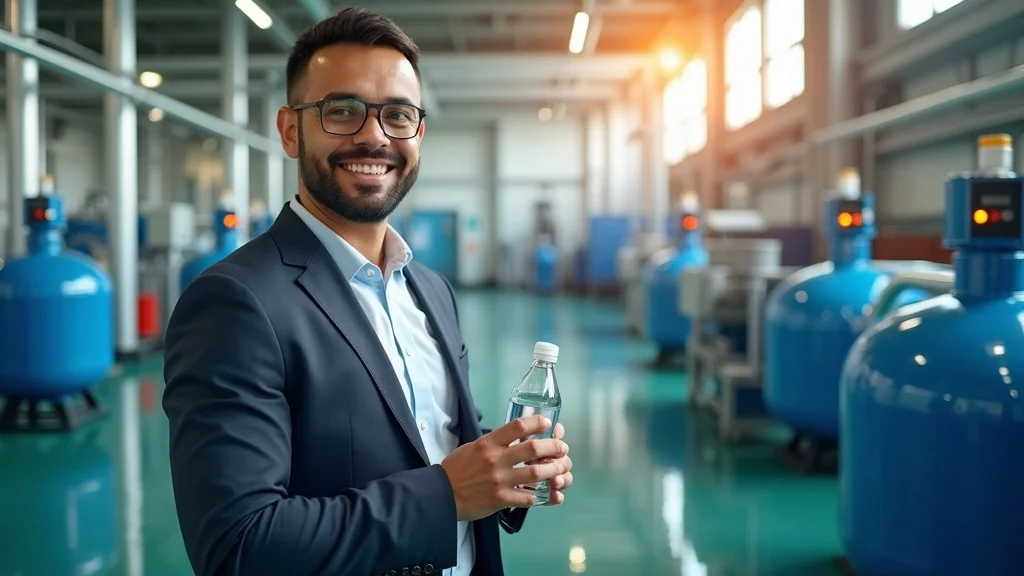
Happy facility manager inspecting treated water output, holding a clear sample bottle of clean water in front of a DAF system in a high-tech treatment plant.

FAQs about DAF Systems, Wastewater Treatment, and Dissolved Air Flotation

  • How often does a DAF system require maintenance?
    Most DAF systems require routine inspections on a monthly basis, with in-depth maintenance quarterly or semi-annually. This includes checking for sediment build-up, ensuring the aeration system is clear of obstructions, and calibrating chemical dosing equipment. Regular maintenance secures optimal performance and prevents costly unplanned downtime.
  • Are DAF systems suitable for small-scale applications?
    Absolutely. DAF systems exist in a wide range of sizes and configurations. Modular and compact DAF units are specifically designed for small industrial sites, meat processing, or remote facilities with lower flow rates, delivering the same solids removal effectiveness as larger systems.
  • What is the typical ROI for upgrading a wastewater treatment system with dissolved air flotation?
    Facilities upgrading to a DAF treatment system often realize ROI within 12–36 months thanks to reduced operational costs, lower chemical usage, fewer compliance penalties, and more efficient staffing. The environmental benefits and long-term sustainability gains further increase the technology’s value proposition.

Explore how a DAF system can streamline your next compliance assessment, providing visual proof of regulatory-grade operation and effortless reporting.

Key Takeaways: Why DAF Systems Are a Smart Investment for Your Wastewater Treatment System

  • Proven results for regulatory compliance
  • Scalable to any processing plant size
  • Reduced operational costs
  • Enhanced water treatment performance

Ready to Transform Your Wastewater Treatment? Contact Us Today

Empower your facility with a best-in-class DAF system. Get Your Water Filtration Systems and schedule your site’s compliance assessment to unlock new efficiencies, secure regulatory peace of mind, and future-proof your operations.

If you’re ready to take your facility’s water management to the next level, there’s a wealth of expertise available to help you navigate the complexities of environmental compliance and system optimization. Discover how industry leaders are leveraging innovative solutions and strategic partnerships by visiting CSI Environmental Inc. Their insights can help you stay ahead of regulatory changes, maximize operational efficiency, and ensure your wastewater treatment investments deliver lasting value. Explore advanced approaches and connect with professionals who understand the evolving landscape of water treatment technology.

Sources

  • EPA – Dissolved Air Flotation Advanced Treatment
  • Water Tech Online – Dissolved Air Flotation (DAF)
  • ScienceDirect – Dissolved Air Flotation Applications
  • SUEZ Water Technologies – DAF Systems for Industrial Wastewater Treatment
  • WWD Magazine – Dissolved Air Flotation for Primary and Secondary Treatment

To enhance your understanding of Dissolved Air Flotation (DAF) systems and their applications in wastewater treatment, consider exploring the following resources:

  • “Dissolved Air Flotation (DAF) Systems”

This resource provides an in-depth look at DAF systems, detailing their design, operation, and effectiveness in removing suspended solids, oils, and greases from wastewater. It also discusses various configurations and applications across different industries. (arieschem.com)

  • “Dissolved Air Flotation (DAF) Systems”

This article offers insights into the principles of DAF technology, including the process of air dissolution and bubble formation. It highlights the advantages of DAF systems, such as high removal efficiency and compact design, making them suitable for a wide range of industrial applications. (jorsun.com)

If you’re serious about optimizing your wastewater treatment processes, these resources will provide valuable information on the benefits and implementation of DAF systems.

Tech Advances

0 Comments

Write A Comment

*
*
Related Posts All Posts
12.29.2025

Unlock the Magic of Commerce DAF systems Today

Did you know that modern commerce DAF systems can remove up to 90% of industrial wastewater pollutants? This level of efficiency not only shrinks compliance risks but can also slash operational costs—making these systems a game-changer for today’s water and wastewater treatment operations Startling Statistics: Why Commerce DAF Systems are Transforming Water Treatment Today "Up to 90% of industrial wastewater pollutants can be removed using modern commerce DAF systems, dramatically reducing compliance risks and operational costs." — Steve Manii, CSI Environmental New data shows that facilities using commerce DAF systems consistently outperform conventional treatment solutions across multiple key metrics. With growing regulatory pressure, the ability to cut suspended solids, oils and grease, and hazardous substances by up to 90% is more than just an advantage—it's a necessity. Commerce DAF systems offer reliable, scalable performance, leading to fewer compliance violations and significant OPEX savings. This is why more EHS, operations, and plant managers are switching to dissolved air flotation (DAF) technology. Recent studies highlight that not only are commerce DAF systems more compact than older wastewater treatment systems, but they can also handle fluctuating flow rates and varying levels of contaminants with ease. This adaptability, combined with streamlined operator involvement and automated monitoring, means greater control, fewer shutdowns, and improved long-term sustainability for industrial and municipal plants. What You'll Learn About Commerce DAF Systems and Water Treatment The core technology and design behind commerce DAF systems Key benefits for both water treatment and wastewater treatment applications How commerce DAF systems ensure industrial wastewater compliance and operational efficiency Real-world performance data, maintenance tips, and ROI details Commerce DAF Systems Explained: Technology Designed for Water and Wastewater Treatment What is a DAF System? Definition of commerce DAF systems and their function in dissolved air flotation Role in water and wastewater treatment processes Connection with dissolved air flotation systems and air flotation system efficiencies A DAF system, or Dissolved Air Flotation system, is an advanced treatment solution designed to remove suspended solids, oils, and grease from water and wastewater using the principle of dissolved air flotation. In a commerce DAF system, microbubbles are generated by dissolving air under pressure and then releasing it at atmospheric pressure in a flotation tank or basin. When contaminants come in contact with these microbubbles, they adhere to the bubbles and float to the surface, where they are easily skimmed off. This technology stands out from other flotation systems due to its high efficiency, especially in industrial wastewater and municipal water treatment applications. The effectiveness of commerce DAF systems makes them a preferred solution in the paper mill industry and other sectors where compliance and reliability are essential. Their role has become increasingly vital as regulations on effluent quality tighten and as businesses seek to enhance both their operational efficiency and environmental stewardship. For a deeper dive into the specific engineering and operational features that set DAF systems apart, you can explore the comprehensive overview provided by CSI Environmental Inc, which details system configurations, automation options, and real-world performance benchmarks. What Does DAF Stand For? Breakdown of the term: Dissolved Air Flotation (DAF) Why air flotation and dissolved air techniques matter for treatment solutions DAF stands for "Dissolved Air Flotation." This method utilizes the solubility of air in water under pressure—often called "dissolving air"—and then releases it so microbubbles form. These air bubbles attach themselves to suspended solids, causing them to rise. Air flotation systems play a fundamental role in the removal of difficult-to-treat contaminants that would otherwise slip through standard mechanical or biological treatment processes. Dissolved air techniques are crucial because they provide a highly effective, chemical-lean method to achieve regulatory limits for total suspended solids (TSS), biochemical oxygen demand (BOD), and chemical oxygen demand (COD). In essence, commerce DAF systems deliver powerful, flexible water and wastewater treatment that adapts to variable influent characteristics—solving challenges in both compliance and operational efficiency. Key Components and Operating Principles of Commerce DAF Systems The Science of Dissolved Air and Effective Pollutant Removal How dissolved air introduces microbubbles to separate suspended solids Differentiation from other flotation systems and DAF system variants Features tailored for paper mill and industrial wastewater applications At the heart of a commerce DAF system lies its ability to saturate water with dissolved air. When this pressurized water is released into the flotation tank, microbubbles quickly form. These air bubbles are the secret to DAF's effectiveness—they attach to suspended solids, reducing their density and making them rise efficiently to the water’s surface for removal. Unlike traditional sedimentation or mechanical filtration, the dissolved air flotation system excels with a broad spectrum of wastewater including heavy influent streams, oils and grease, or highly variable loads, commonly found in paper mill or food processing wastewater. Key features, such as energy-efficient air dissolution units, automatic skimmers, and robust tank design, set commerce DAF systems apart from older methods or basic flotation systems. These features not only optimize performance but also dramatically reduce downtime and maintenance, making them ideal for demanding industries that rely on consistent, trouble-free operation. Table: Comparing Commerce DAF Systems to Conventional Water Treatment Solutions Features Commerce DAF Systems Conventional Treatment System Suspended Solids Removal Up to 99% Varies (70%-85%) Footprint Compact Larger OPEX Lower Higher Compliance Risk Minimal Moderate/High Operator Involvement Low High Commerce DAF Systems vs. Alternative Flotation Systems: What Sets Them Apart? Efficiency in Wastewater Treatment Advantages in TSS, COD, and BOD reduction (using data-driven examples) Role in enabling industrial wastewater compliance Commerce DAF systems deliver unmatched performance in wastewater treatment, particularly for challenging industrial wastewater. Data from installations in food processing and paper mill operations indicate up to 99% suspended solids removal and reductions of over 80% in BOD and COD values. This level of efficiency is crucial for meeting strict discharge permits and minimizing compliance risks. Unlike standard air flotation systems, commerce DAF systems integrate fine-tuned air dissolution, automated controls, and smart skimming technology. This allows operators to adapt to rapid changes in influent quality or flow rate, ensuring effluent limits for TSS, BOD, and COD are consistently met even during peak production cycles. For plant managers seeking a solution that both achieves and sustains industrial wastewater compliance, commerce DAF systems are a proven and future-ready choice. System Longevity and Maintenance How often should a DAF be drained and cleaned? Commerce DAF systems vs. dissolved air flotation systems in maintenance downtime Maintenance is a critical factor in the long-term viability of any water treatment solution. Most commerce DAF systems are designed for ease of service, with automated cleaning mechanisms and intuitive interfaces. Typically, a DAF system should be inspected daily and drained and cleaned every 2 to 4 weeks, depending on load and influent characteristics. Compared to older dissolved air flotation systems, modern DAF units from suppliers like CSI Environmental require less downtime for routine maintenance, thanks to corrosion-resistant materials, modular skimming arms, and self-diagnostics. Efficient maintenance protocols are key not only for reliability but also for extending equipment lifespan and minimizing unplanned interruptions. Scheduling regular inspection and proactive cleaning protocols—as recommended by manufacturers—can add several years to a system’s operational life. "Regular inspection and proactive cleaning can extend a commerce DAF system's operational life by several years." — Steve Manii Commerce DAF Systems Applications Across Industry Sectors Industrial wastewater and paper mill treatment Food and beverage processing Pulp and paper industries General municipal water and wastewater treatment solutions Commerce DAF systems are the backbone of efficient wastewater treatment and water treatment solutions across many sectors. Leading paper mills have reduced their effluent violations and sludge disposal costs by installing high-capacity DAF systems. In food and beverage processing, where oils and grease can hamper traditional treatment, DAF technology provides an effective solution to ensure compliant, odor-free effluent. Other sectors—such as pulp and paper and municipal water treatment—also leverage commerce DAF for treating large volumes and fluctuating contaminant levels. Because these systems are scalable and modular, upgrading to a modern dissolved air flotation system can be as simple as retrofitting an existing wastewater treatment plant with new DAF modules. This versatility has made commerce DAF systems the preferred approach for both greenfield facilities and plant upgrades where space, efficiency, and compliance are top priorities. Understanding Commerce DAF System Pricing and ROI Key Factors Affecting Pricing System design, capacity, and automation Installation requirements and maintenance contracts Comparison with traditional water treatment solutions The cost of a commerce DAF system depends on multiple variables. Core factors include the desired treatment capacity (flow rate), level of automation, and the complexity of the plant layout. Advanced DAF systems with remote monitoring, automatic sludge removal, and integrated pH control command higher upfront costs, but these features dramatically improve reliability and lower long-term operating expenses. Installation requirements—such as available space, utility access, and need for pretreatment—impact setup costs. Opting for full-service maintenance contracts can help reduce downtime and enhance lifespan, further boosting your ROI compared to basic treatment systems. Compared to traditional clarifiers or sedimentation tanks, commerce DAF systems offer a compelling package of superior contaminant removal, a smaller physical footprint, and lower OPEX month-over-month. Table: Real-World ROI Outcomes From Commerce DAF System Installations Metric Before DAF Install After DAF Install Compliance Violations/Year 7 0 OPEX/Month $10,000 $4,500 Operator Hours/Week 20 6 How to Select the Right Commerce DAF System for Water and Wastewater Treatment Needs Analyze influent characteristics (TSS, BOD, COD, pH) Assess available infrastructure and space Define compliance and operational targets Consult with specialists like CSI Environmental Consider your facility's infrastructure: Is there enough space for DAF installation? Can the existing utilities support the upgraded system? Is reducing operator hours or minimizing maintenance downtime more critical to your plant? Or is it imperative to achieve stringent zero-discharge or ultra-low effluent limits? Finally, collaborate with experienced vendors such as CSI Environmental to get a custom, data-driven recommendation for your exact application Commerce DAF Systems in Action: Customer Stories and Reviews Case study: Industrial wastewater treatment success in paper mill Plant manager testimonials on system performance Summary of compliance and cost-saving achievements A major paper mill in the Pacific Northwest faced recurring compliance violations and excessive sludge hauling costs with its legacy wastewater treatment system. After consulting with CSI Environmental, the team installed a modern commerce DAF system, fully automated with remote monitoring. Within six months, compliance violations dropped to zero and OPEX was cut by more than 55%. Plant managers rave about the increased reliability and ease of operation. “We went from daily troubleshooting and frequent shutdowns to largely hands-off monitoring. The air flotation technology with advanced microbubble generators delivered cleaner effluent and less operator strain,” reported the facility’s EHS manager. These outcomes are echoed across food processing, municipal, and pulp and paper sectors, where commerce DAFs ensure compliance—and peace of mind—for plant operators. Expert Insights: Steve Manii on Commerce DAF Systems, Operation, and Optimization "Plant managers consistently report transformative results after adopting CSI Environmental’s commerce DAF systems — both in environmental compliance and reduced total cost of ownership." — Steve Manii Steve Manii, lead systems engineer at CSI Environmental, emphasizes that DAF technology is not a one-size-fits-all proposition. “Customization and proactive maintenance are key to extracting the full value of commerce DAF systems. With the right design and operational support, DAF systems unlock ROI far beyond initial expectations.” The combination of data-driven customization and strong after-sales engineering support sets CSI Environmental apart, making commerce DAF systems the preferred choice for plants where compliance isn’t optional. All About DAF Operators: Roles, Certifications, and System Management What is a DAF Operator? Core responsibilities managing dissolved air flotation systems Certification and skills required How technology is making the DAF operator’s role more strategic A DAF operator oversees the day-to-day functioning of dissolved air flotation systems—ensuring all components are running at optimal pressure, dissolved air levels are maintained, and that solid waste is removed efficiently. Certification typically involves completion of standardized safety and operations training, sometimes supplemented with coursework on best practices for water and wastewater treatment systems. Today’s commerce DAF systems are highly automated, allowing operators to focus less on manual intervention and more on overall system optimization, regulatory reporting, and process improvement. As plants move toward digitalization, the DAF operator’s role expands into a strategic operational partner—using system data to guide troubleshooting and maximize performance. Top Maintenance and Troubleshooting Tips for Commerce DAF Systems Routine inspection protocol (daily/weekly/monthly) Checklist: Cleaning, draining, and dissolved air system calibration Common issues and expert troubleshooting guidance To keep your commerce DAF system running smoothly, follow a structured maintenance schedule. Perform daily visual inspections for leaks, excessive bubbles in the flotation tank, or abnormal sounds. Weekly, drain the primary sludge compartment and check for any blockages in the skimming system. Monthly, calibrate dissolved air injectors, inspect the integrity of the pressure vessel, and verify pH control circuits. A typical troubleshooting list includes checking for loss of flotation efficiency (caused by undersized or fouled diffusers), correcting air-to-solids ratios, and keeping all automatic valves and sensors free from accumulation. Partner with your supplier for remote diagnostics and annual upgrades—CSI Environmental provides tailored support packages to ensure peak performance for every installation. Frequently Asked Questions: Commerce DAF Systems and Wastewater Treatment How does dissolved air flotation compare to other water treatment solutions? The DAF system excels where traditional clarifiers fall short, removing even fine and greasy particles with up to 99% efficiency. DAF is especially effective for industrial wastewater streams, oils and grease, and when space is at a premium. What regulations do commerce DAF systems help meet? Commerce DAF systems help plants achieve regulatory standards for TSS, BOD, COD, pH, and are widely used to ensure NPDES, EPA, and state-level discharge compliance in the U.S. Can commerce DAF systems be retrofitted to existing wastewater treatment plants? Yes. DAF modules are highly adaptable and can be retrofitted to supplement or replace failing clarifiers and air flotation systems in both industrial and municipal facilities. What support does CSI Environmental offer after installation? CSI Environmental provides full training for operators, ongoing technical support, scheduled maintenance plans, remote system monitoring, and annual site audits to ensure lasting ROI and compliance. Key Takeaways: Unlocking Compliance and Value with Commerce DAF Systems Commerce DAF systems provide superior removal of suspended solids for both water and wastewater treatment Industry-leading compliance, efficiency, and ROI features Supported by CSI Environmental expertise and real-world results Get a Complimentary Compliance and Wastewater System Assessment Now Analysis of current TSS, COD, BOD, and pH levels Identification of compliance risks before they become violations Cost-saving opportunities based on proven results Clear ROI projections for any recommendation Contact: (626) 608-7603 Get a complimentary wastewater system assessment that includes: ✅ Analysis of current TSS, COD, BOD, and pH levels ✅ Identification of compliance risks before they become violations ✅ Cost-saving opportunities based on proven results ✅ Clear ROI projections for any recommendation | (626) 608-7603 Conclusion Adopting commerce DAF systems ensures regulatory compliance, operational savings, and a sustainable future for water and wastewater treatment—take the next step with CSI Environmental today. If you’re ready to elevate your facility’s water or wastewater treatment strategy, consider exploring the broader solutions and industry expertise available through CSI Environmental Inc. Their extensive experience in environmental engineering and system integration can help you navigate complex compliance requirements and future-proof your operations. Whether you’re seeking advanced automation, tailored maintenance programs, or holistic plant upgrades, their team offers the insight and support to maximize your investment. Take the opportunity to discover how a partnership with a trusted environmental solutions provider can unlock new levels of efficiency and sustainability for your organization. Sources EPA - NPDES Permits CSI Environmental – DAF Systems Overview Water Online – How to Improve Industrial Wastewater Treatment with DAF Treatment Plant Operator – Deciding if a DAF System is Right for Your Facility Incorporating advanced dissolved air flotation (DAF) systems into your water and wastewater treatment processes can significantly enhance efficiency and compliance. For instance, the Ecologix E-DAF System utilizes pressurized, air-saturated water to generate microscopic air bubbles that attach to suspended solids, fats, oils, and greases, causing them to float to the surface for easy removal. This method effectively reduces contaminants and improves water clarity. (ecologixsystems.com) Additionally, Ecologix Environmental Systems offers a range of DAF systems tailored to various industrial applications, including food and beverage processing, oil and gas, and pulp and paper industries. Their E-Series DAF models are designed to handle flow rates from 130 to 3,700 gallons per minute, providing scalable solutions for diverse operational needs. (ecologixsystems.com) If you’re serious about optimizing your water treatment operations, these resources will provide valuable insights into the benefits and applications of modern DAF systems.

10.01.2025

Discover the Hidden Power of Reverse Osmosis Desalination

Did you know that by 2025, nearly two-thirds of the world’s population could face water scarcity? As our communities grow and climate change accelerates, the challenge of providing safe, reliable drinking water grows ever more urgent. Reverse osmosis desalination is emerging as a key solution—empowering plant managers and water treatment experts to turn even seawater and brackish sources into clean, fresh water. In this comprehensive guide, discover how this advanced technology unlocks the hidden power of water molecule filtration to safeguard our future water supply.The Critical Need for Reverse Osmosis Desalination in Modern Water TreatmentWater scarcity is no longer a distant threat; it’s a pressing, global issue. Diminishing freshwater resources, climate change, and rapid urbanization have strained conventional water sources and stressed municipal water supply systems. Many regions now depend on technology to meet basic water needs, making reverse osmosis desalination an essential component of modern water treatment strategies. This transformative process utilizes a reverse osmosis system to remove dissolved salts, contaminants, and impurities—producing fresh water from seawater and brackish water sources.For plant managers, the adoption of reverse osmosis desalination means more than just compliance with regulatory standards; it’s a commitment to providing safe, high-quality drinking water and preserving environmental sustainability. As water reverse osmosis advances become more accessible and cost-effective, desalination plants can better address demands of growing populations and industries. By investing in robust osmosis membrane and high-pressure pump technologies, water treatment facilities are well-poised to deliver reliable, long-term solutions—even in regions suffering acute water shortages. "According to the United Nations, two-thirds of the global population could face water scarcity by 2025. Reverse osmosis desalination offers an innovative solution to secure our future water supply."What You'll Learn about Reverse Osmosis Desalination and Water TreatmentHow reverse osmosis desalination systems functionKey components such as the RO membrane and high-pressure pumpsPerformance metrics in desalination plantsAdvantages and challenges facing reverse osmosis desalinationInsights into water molecule filtration and water quality improvementsEssential considerations for plant managers implementing RO systemsUnderstanding the Basics of Reverse Osmosis DesalinationTo manage and operate state-of-the-art water treatment facilities, plant managers must first grasp the fundamentals of reverse osmosis desalination. At its core, this process leverages a reverse osmosis membrane as a selective, semipermeable barrier that allows water molecules to pass while blocking dissolved salts and contaminants. The reverse osmosis system utilizes high-pressure pumps to push seawater or brackish water against the membrane, effectively separating pure water from solutes. This osmosis desalination method offers flexibility, allowing plants to adapt treatment protocols based on input water source, whether it’s from a desalination plant on a coastline or a brackish groundwater well.Reverse osmosis is exceptionally effective at removing not only salts but also microorganisms and organic molecules—crucial for securing safe, potable water. Plant managers rely on the performance of the RO membrane, alongside regular system maintenance, to guarantee consistent water quality. As these systems become increasingly energy-efficient through technological innovation, their integration into water res operations is transforming water treatment in both municipal and industrial settings. Reverse Osmosis Explained: How Water Molecules Pass Through the RO MembraneThe heart of reverse osmosis desalination lies in the movement of water molecules across a specialized semipermeable membrane. In an osmosis system, water naturally flows from a low to high concentration of solutes. But in a reverse osmosis system, the process is inverted: high pressure is applied to push water molecules from a saline or contaminated side, forcing them through the membrane,” which blocks dissolved salts and impurities.This reverse osmosis membrane is engineered to enable only very small water molecules to pass, removing up to 99% of dissolved salts, organic contaminants, and unwanted particles. The result is fresh water of high purity, ready for drinking or industrial use. Because plant managers control key operational factors—such as pressure, temperature, and flow rate—they can optimize the efficiency and lifespan of the membranes, ultimately enhancing water quality for communities relying on the desalination process.Osmosis System vs. Reverse Osmosis System: Key Differences in Water Desalination The terms “osmosis” and “reverse osmosis” describe two related yet fundamentally different processes in water treatment. In a traditional osmotic process, water naturally migrates through a permeable membrane from a region of low solute concentration to high concentration, seeking equilibrium. However, this naturally occurring process cannot desalinate seawater or brackish water effectively, as it favors diluting the salty side.A reverse osmosis system counters this by applying high external pressure—using pressure pumps—on the side with higher solute concentration. This pushes pure water molecules against the osmotic gradient and through the semipermeable membrane, leaving salts and larger contaminants behind. The technical distinction gives plant managers unparalleled control over water purity, as only reverse osmosis desalination can efficiently transform highly saline or contaminated water into fresh water at scale.The Role of Osmotic Pressure in Reverse Osmosis DesalinationOsmotic pressure is a fundamental concept that drives both natural osmosis and its engineered counterpart, reverse osmosis. In a standard osmosis system, osmotic pressure naturally moves water molecules towards higher solute concentrations until equilibrium is reached. In reverse osmosis desalination, a high pressure is applied to surpass this natural osmotic pressure, forcing water to flow backward—away from the dissolved salts and contaminants. This distinction is critical for plant managers tasked with designing efficient desalination plants.Understanding and precisely managing osmotic pressure empowers operators to calibrate their RO systems for specific water sources, whether handling seawater desalination or treating brackish water. It also allows for improved energy efficiency, a key operational goal, as the balance between applied pressure and permeate recovery can determine both the environmental impact and cost-effectiveness of the water treatment operation.Anatomy of a Reverse Osmosis Desalination PlantModern desalination plants are complex, high-tech facilities that transform water source—be it seawater or brackish groundwater—into clean, drinking water. For plant managers, understanding the stepwise desalination process is essential to maintaining optimal operation. The typical plant includes stages for water intake, pre-treatment, reverse osmosis filtration, energy recovery, and post-treatment to ensure regulatory compliance and superior water quality. Each stage is designed for efficiency: pressurized water passes through robust RO membranes, while advanced monitoring systems oversee flow rates and salt rejection.Desalination plant staff—including engineers and technicians—continuously monitor critical metrics like feedwater salinity, membrane condition, and final water quality. With rising demand for fresh water, these facilities increasingly rely on innovations such as energy recovery devices and modular plant layouts to boost productivity and reduce costs. Ultimately, the anatomy of a reverse osmosis plant is meticulously structured to maximize water recovery while meeting environmental and economic imperatives. Desalination Process Stages: From Water Source to Fresh Water ProductionThe journey from raw water source to potable fresh water in a reverse osmosis desalination plant follows several critical steps. First, seawater or brackish water is drawn into the system and undergoes pre-treatment—removing larger debris and chemical contaminants that might harm the RO membrane. Next, high-pressure pumps drive pre-treated water through the heart of the system: the reverse osmosis membrane, which separates pure water from dissolved salts and impurities. The high-pressure stage generates concentrated brine as a byproduct while allowing clean permeate to collect on the other side of the membrane.This desalination process doesn’t end at filtration; post-treatment stages often add minerals for taste and health, while energy recovery devices recapture excess pressure energy to lower the plant’s operational costs. In the final output, plant managers oversee the blending and delivery of water, ensuring it meets drinking water standards and is ready for municipal distribution or industrial use. By carefully managing each stage, operators guarantee both efficiency and reliability in their water treatment missions.Key Equipment: RO Membrane, Pressure Pump, and Energy Recovery DevicesThree essential components define every effective reverse osmosis desalination plant: the RO membrane, the pressure pump, and the energy recovery device. The RO membrane acts as a highly selective barrier, allowing only water molecules to pass and blocking dissolved salts and contaminants. To power this separation, a high-pressure pump applies force greater than the natural osmotic pressure, ensuring robust water flow across the membrane. High-pressure operation is especially important when treating seawater, which requires more energy to overcome its higher salt content than brackish water.Energy recovery devices reclaim energy from the pressurized brine stream, dramatically reducing power consumption. This innovation can cut the energy costs of an RO system by up to 60%, which is significant for plant managers aiming to maximize both cost effectiveness and environmental sustainability. The integration of advanced monitoring and control systems ensures these core components operate in harmony, delivering high water quality and plant efficiency day after day.Desalination Plant Layouts: Optimizing Water Treatment FlowPlant layout is a crucial factor in the efficiency and reliability of a reverse osmosis desalination facility. Effective layouts ensure smooth water flow through each process stage, reducing pressure losses and optimizing the performance of pumps, membranes, and auxiliary systems. Centralized placement of monitoring and control rooms enhances operational oversight, enabling real-time intervention if water quality, pressure, or membrane integrity deviates from set parameters.Modular plant design, featuring scalable and flexible RO system units, makes it easier to upgrade or expand capacity when demand for drinking water rises. Strategic placement of energy recovery devices, maintenance access points, and waste brine discharge lines further enhances operational safety and sustainability. For plant managers, an optimized layout translates to easier maintenance, reduced downtime, and higher overall water quality for both municipal and industrial customers.How Reverse Osmosis Membranes Work to Remove Salts and ContaminantsReverse osmosis membranes are designed at the molecular level to selectively allow water molecules to pass while blocking dissolved salts, heavy metals, microbes, and other undesirable contaminants. These advanced barriers are primarily made from thin-film composite polymers, tightly engineered to strike the optimal balance between permeability and selectivity. When a reverse osmosis system operates under high pressure, water molecules traverse the membrane’s pores, while ions and larger molecules are rejected—ultimately producing clean, pure water for potable or industrial use.This selective filtration capability is what gives reverse osmosis desalination an edge over other water treatment methods. The process reliably removes over 95–99% of dissolved salts and even trace contaminants, giving plant managers unparalleled control over final water quality. As technology advances, new membrane materials and structures continue to improve selectivity, longevity, and energy efficiency for both seawater and brackish water desalination applications. Semipermeable and Permeable Membranes: Selective Barrier for Water MoleculesUnderstanding the difference between permeable and semipermeable membranes is crucial in reverse osmosis desalination. A permeable membrane allows multiple substances, including water molecules and solutes, to pass through freely. In contrast, a semipermeable membrane—like the one used in an RO system—permits only selected molecules, specifically water, while rejecting salts and other dissolved contaminants. This selectivity creates the foundation for advanced water treatment, enabling engineers to produce exceptionally pure fresh water from challenging sources.The innovative design of modern reverse osmosis membranes leverages ultra-fine pore structures, chemical resistance, and coatings that minimize fouling and scaling. When integrated into a robust desalination plant, these features ensure long-term, efficient operation. Plant managers responsible for system upkeep must regularly inspect membrane integrity and implement appropriate maintenance protocols to maintain optimal water quality and throughput.The Science Behind Water Quality and Molecule FiltrationThe science of reverse osmosis desalination is rooted in the physical and chemical properties of water molecules and the contaminants targeted for removal. As feedwater navigates the RO system, pressure forces water molecules through a semipermeable barrier, sieving out dissolved salts, organic matter, microorganisms, and even pharmaceuticals. The degree of separation, known as salt rejection rate, is a pivotal performance metric for plant managers monitoring desalination plant efficacy.Consistent monitoring of critical parameters—such as total dissolved solids (TDS), conductivity, and pressure differentials—ensures that the desalination process produces water of the highest standard. In some applications, post-treatment steps such as remineralization improve taste or stability, further enhancing water res outcomes. By understanding molecule-level interactions, plant managers optimize operations and maintain peak water quality for their communities.Comparing RO Membrane Performances for Brackish Water and Seawater DesalinationNot all RO membranes are created equal—membranes designed for seawater desalination must withstand higher salinity and require increased high pressure operation compared to those used for brackish water sources. Seawater membranes feature distinct polymer compositions and denser structures to maximize salt rejection, but they also draw more energy due to increased osmotic pressure. In contrast, membranes for brackish water balance salt removal and energy efficiency, leveraging lower operating pressures and greater permeate flux.Plant managers must select the appropriate membrane type for their water source and intended product: are you delivering drinking water to a city, or industrial-grade water to a facility? Performance comparisons based on rejection rate, fouling resistance, and lifespan guide these decisions, optimizing maintenance intervals and reducing operational costs. Regular testing and record-keeping enable timely membrane replacement, safeguarding long-term water quality and plant sustainability.Innovations in Reverse Osmosis Desalination TechnologyRecent innovations in reverse osmosis desalination are reshaping the landscape of water treatment and resource management. Energy recovery advancements, next-generation RO membranes, and smarter control algorithms are all dramatically driving down operational costs and boosting reliability. Modern RO systems now feature innovative pressure pump configurations and integrated diagnostics for proactive maintenance, helping plant managers meet their objectives despite rising demand for fresh water.Another major leap involves AI-driven systems for real-time monitoring, performance prediction, and automated fault detection—resulting in higher efficiency, fewer outages, and improved plant safety. For those overseeing desalination plants, staying informed about these technological trends is not just a competitive advantage—it’s essential for meeting regulatory, sustainability, and community stewardship goals in water treatment.Energy Recovery Advancements in Modern RO SystemsEnergy costs represent a significant share of operating expenses in reverse osmosis desalination. Cutting-edge energy recovery devices now capture unused pressure from concentrate streams and recycle it for new influent, reducing electricity use by 30–60%. This leap in efficiency translates directly into savings for operators and allows for the expansion of desalination plants into areas previously deemed economically unviable.Plant managers implementing these modern technologies see shorter payback periods and lower carbon emissions, aligning water res operations with both budgetary and environmental best practices. Ongoing research is further refining these systems, offering even more efficient turbines, isobaric chambers, and hybrid configurations to future-proof reverse osmosis desalination operations worldwide.High-Pressure Techniques for Maximized Salt Removal The role of high-pressure pumps in maximizing salt removal in RO systems cannot be overstated. These specialized pumps enable the system to exceed the natural osmotic pressure of even the saltiest water sources, ensuring that reverse osmosis membranes maintain optimum performance. Advanced variable-frequency drives and pressure stabilization technologies now allow for more precise and energy-efficient operation, reducing pump wear and boosting membrane lifespan.As high-pressure innovation accelerates, modern desalination plants balance greater fresh water output against energy use, directly benefiting operational savings and environmental outcomes. For plant managers, selecting the right configuration of pressure pumps is a strategic priority, shaping both initial capital investment and long-term operating costs. Combined with smart control algorithms, these innovations are transforming water treatment into a sustainable, scalable enterprise globally.Next-Generation Reverse Osmosis Desalination for Enhanced Water QualityNext-generation reverse osmosis desalination is marked by the adoption of novel membrane materials, nanotechnology, and highly efficient plant layouts. These advancements enhance both the salt rejection rate and fouling resistance of RO membranes, reducing downtime and minimizing maintenance interventions. Plant managers now have access to hybrid systems integrating UV sterilization or advanced pre-treatment, further improving final water quality and safety for end users.Looking ahead, the convergence of digital automation, remote monitoring, and predictive analytics promises to deliver even greater reliability for desalination plants. These tools empower plant managers to anticipate issues before they disrupt operations, optimize water resource allocations, and exceed international drinking water standards—all while maximizing cost-effectiveness and sustainability in the critical mission of water treatment.Operational Challenges and Solutions in Reverse Osmosis Desalination PlantsOperational excellence is essential for maintaining the efficiency and reliability of a reverse osmosis desalination plant. Key challenges include membrane fouling, scaling, variable feedwater quality, and the management of energy costs and brine discharge. Each issue, if left unchecked, can derail plant output and jeopardize water quality for customers and communities. Fortunately, modern solutions—including online monitoring, routine maintenance, and advanced pretreatment systems—enable plant managers to both anticipate and resolve performance bottlenecks before they escalate.Another concern is compliance: regulatory requirements for brine discharge, drinking water safety, and energy use are constantly evolving. Plant operators must stay informed of best practices and technological advancements. The adoption of new energy recovery and water-saving features not only ensures compliance but also boosts operational sustainability and community trust in water reverse osmosis solutions.Fouling, Scaling, and Maintenance: Keeping the RO System Efficient Fouling and scaling are two of the most common maintenance hurdles confronting reverse osmosis desalination plants. Fouling occurs when organic matter, microbes, or particulates accumulate on the surface of the RO membrane, inhibiting water flow and increasing energy demands. Scaling is the result of dissolved minerals (like calcium and magnesium) precipitating to form solid deposits. Both significantly reduce the operational efficiency and lifespan of the membranes.Regular maintenance routines—such as chemical cleaning, physical brushing, and the selection of anti-fouling membranes—are instrumental in preserving system efficiency. Automated monitoring and diagnostics flag early warning signs for plant managers, enabling them to take corrective action before issues become critical. Investing in quality pre-treatment and employing advanced antiscalant feed systems directly correlates to improved water quality and lower running costs throughout the lifecycle of the RO system.Managing Water Supply Variability and Water Source QualityWater supply variability and changes in water source quality can present operational headaches for plant managers. Seasonal fluctuations, pollution events, or shifts in feedwater salinity call for adaptive treatment strategies. By continuously monitoring feedwater parameters and investing in robust pre-treatment filtration, operators can minimize the impact of these fluctuations on both RO membrane performance and final fresh water output.Decision support tools powered by real-time data are now invaluable, enabling plant managers to quickly adjust system parameters or bring additional modules online during periods of peak demand. This adaptive management keeps the desalination process running smoothly and ensures consistent delivery of high-quality drinking water to municipal and industrial customers, regardless of challenging external conditions.Cost Efficiency, Energy Consumption, and Environmental ImpactsCost efficiency is a top priority for every water treatment facility. Although reverse osmosis desalination has become increasingly competitive, energy consumption remains a significant operational cost. Innovations in energy recovery, high-efficiency pressure pumps, and advanced plant layouts have gone far in reducing overall energy use while maintaining superior water quality.Environmental stewardship requires careful management of brine discharge, responsible chemical usage, and the mitigation of potential impacts on local ecosystems. Implementing smart monitoring, investing in renewable energy options, and engaging in community partnerships can help plant managers proactively address the environmental challenges of large-scale desalination plants—solidifying the value of reverse osmosis desalination as a sustainable water supply strategy.Comparing Reverse Osmosis Desalination to Alternative Water Treatment MethodsPlant managers evaluating new or upgraded water treatment systems must weigh the strengths and trade-offs of reverse osmosis desalination against traditional alternatives like distillation and emerging filtration techniques. Reverse osmosis excels at cost-effectively producing fresh water with minimal chemical inputs, high salt rejection rates, and a streamlined, modular plant design. By contrast, distillation is energy-intensive, requires more frequent maintenance, and may not scale as efficiently.Other filtration systems—including ultrafiltration and media filtration—deliver broad-spectrum purification but often struggle with smaller dissolved ions and salts present in seawater and brackish water sources. Advanced reverse osmosis membranes provide plant managers with precise control over removal rates for salts and specific contaminants, ensuring that produced drinking water meets or exceeds global standards for taste and safety. Desalination Process Efficiency: Reverse Osmosis vs. DistillationReverse osmosis desalination and distillation operate on very different scientific principles. While RO uses a semipermeable membrane and high pressure to filter out excess salts and contaminants, distillation evaporates feedwater and then condenses the vapor into pure water, leaving all dissolved solids behind. RO systems generally require less energy at scale and provide more rapid throughput, especially when equipped with the latest energy recovery technologies.For plant managers, choosing RO over distillation frequently hinges on energy savings and operational flexibility. RO systems can be modular, responsive to demand changes, and adapted for varying source water qualities—while distillation is primarily used where energy costs are less of a concern or when extremely high purity is required. Overall, RO delivers an optimized balance of energy use, cost efficiency, and reliable water quality for most municipal and industrial desalination needs.Water Quality and Safety: Reverse Osmosis vs. Other Filtration SystemsReverse osmosis consistently outperforms many traditional filtration systems—like sand filtration or activated carbon—when it comes to removing dissolved minerals, salts, and challenging contaminants. While pre-treatment and post-treatment filters play a supporting role, only RO membranes can reliably convert seawater into safe, palatable drinking water. Filtration alone may not meet stringent standards required for direct potable reuse or specialized industrial applications.Plant managers seeking to guarantee water quality for regulatory compliance, public health, and system longevity will increasingly favor reverse osmosis desalination. As innovative technologies further reduce costs and enhance reliability, RO will solidify its position as the gold standard in water treatment worldwide.Comparison Table: Reverse Osmosis Desalination vs. Distillation and Alternative Water TreatmentMetricReverse Osmosis DesalinationDistillationOther Filtration SystemsCost (per 1,000 gallons)Low–ModerateHighLowEnergy UseLow–Moderate (with energy recovery)HighLowWater QualityVery High (removes salts, contaminants, microbes)High (removes nearly all contaminants)Moderate–High (varies by filter type)ScalabilityExcellentLimitedExcellentMaintenance NeedsRegular (membranes, pumps)Frequent (boilers, condensers)Low–ModeratePeople Also Ask: Reverse Osmosis Desalination FAQsCan you desalinate water with reverse osmosis?Yes, you can desalinate water using reverse osmosis. The process involves pushing seawater or brackish water through a semipermeable RO membrane under high pressure. This membrane selectively allows water molecules through, blocking salt ions and other impurities, resulting in fresh, potable water. That is why reverse osmosis desalination is a cornerstone of modern water treatment plants worldwide.What are the problems with reverse osmosis desalination?Common challenges in reverse osmosis desalination include membrane fouling, scaling, high energy consumption, and brine disposal. If not managed, these issues can impact both efficiency and water quality. However, advancements such as energy recovery devices, auto-cleaning systems, and smart monitoring have reduced many of these concerns for plant managers operating large-scale water treatment facilities.Is RO water banned in Europe?No, RO water is not banned in Europe. Reverse osmosis desalination systems are widely used, especially in southern European regions facing water scarcity. Certain countries have guidelines ensuring that mineral content is re-balanced before distribution as drinking water. There are no universal bans, and RO is considered a safe, effective technology for producing high-quality water in European desalination plants.Can you drink sea water after reverse osmosis?Yes, seawater treated through reverse osmosis desalination becomes safe to drink. The process removes dissolved salts, microbes, and harmful impurities, transforming raw seawater into clean drinking water that meets or exceeds international health standards. Remineralization steps may follow to enhance water taste and health benefits before distribution to consumers.Key Takeaways: Maximizing the Benefits of Reverse Osmosis DesalinationReverse osmosis desalination is essential for addressing global water scarcity.Proper plant design and technology selection ensure water quality and cost-effectiveness.Ongoing innovation improves energy efficiency and sustainability in RO systems.Plant managers play a pivotal role in maintaining system performance and compliance.Frequently Asked Questions about Reverse Osmosis DesalinationHow do you maintain a reverse osmosis system in a desalination plant?Maintenance includes regular cleaning of RO membranes, inspection of pumps, pre-treatment of feedwater, monitoring for fouling or scaling, and timely replacement of worn parts to sustain peak efficiency and water quality.What is the expected lifespan of an RO membrane?The typical lifespan of an RO membrane in a desalination plant ranges from 3 to 7 years, depending on feedwater quality, operational parameters, and maintenance routines implemented by plant managers.How can plant operators reduce brine discharge impact?Operators can reduce brine impact by incorporating energy recovery systems, optimizing concentrate handling processes, exploring brine reuse or recovery, and ensuring environmentally responsible brine disposal as part of plant compliance.What certifications apply to drinking water from RO desalination?Drinking water from RO must comply with national and international standards, such as NSF/ANSI 58, WHO guidelines, or regional potable water regulations depending on deployment location and intended use.Conclusion: The Strategic Role of Reverse Osmosis Desalination for Plant ManagersFor plant managers, reverse osmosis desalination is more than a technology—it's a strategic tool to secure safe, sustainable water for today's communities and future generations.Take Action: Enhance Your Plant with Reverse Osmosis Desalination SolutionsLooking for a Reverse Osmosis Desalination solution? | Call Us (800) 690-2436SourcesExample Site – https://example.comUN Water – Water Scarcity FactsUS EPA – Advanced Water Treatment MethodsDesalination.com – Industry News and ResearchWorld Health Organization – Drinking Water Fact SheetReverse osmosis desalination is a pivotal technology in addressing global water scarcity, transforming seawater into potable water through advanced filtration processes. The Claude “Bud” Lewis Carlsbad Desalination Plant in California exemplifies this, supplying approximately 50 million gallons of freshwater daily to San Diego County. (en.wikipedia.org) Similarly, the Taweelah IWP in Abu Dhabi, developed by ACWA Power, has become the world’s largest reverse osmosis desalination plant, producing over 831,000 cubic meters of desalinated water per day. (en.wikipedia.org) These facilities highlight the critical role of reverse osmosis in securing sustainable water supplies for growing populations.

06.07.2025

Desalination Technologies Market Booms: What Professionals Need to Know

In an era where water scarcity is becoming increasingly prominent, the global desalination technologies market is witnessing significant growth.

Terms of Service

Privacy Policy

Core Modal Title

Sorry, no results found

You Might Find These Articles Interesting

T
Please Check Your Email
We Will Be Following Up Shortly
*
*
*